
Pest Control Near Me — Local Texas Exterminators
Compare 2,188 state-licensed pest control companies and exterminators across 171 Texas counties. Real ratings, verified licenses, always free.
What Bug Is This?
Snap a photo — our AI identifies Texas pests in seconds and points you to the right guide.
Best Pest Control Companies in Texas
Highest-rated exterminators based on Google reviews
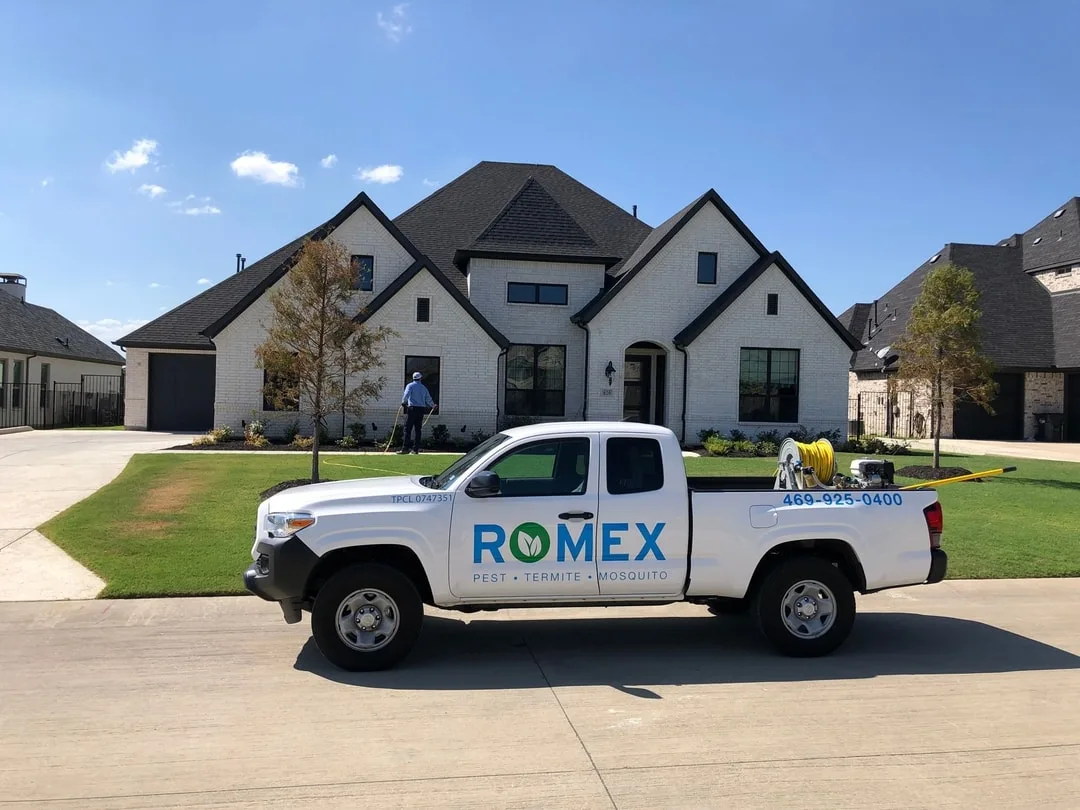
Romex Pest & Termite Control

Inspect It Austin
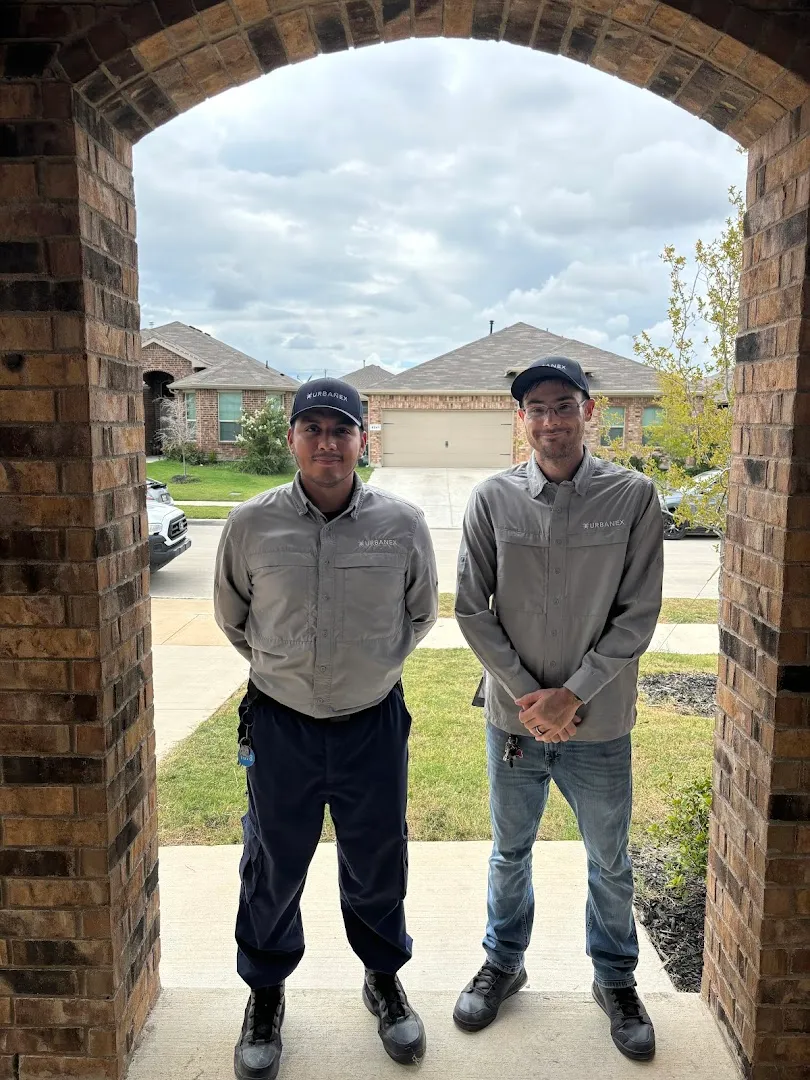
Urbanex Pest Control
A-Action Home Inspection Houston
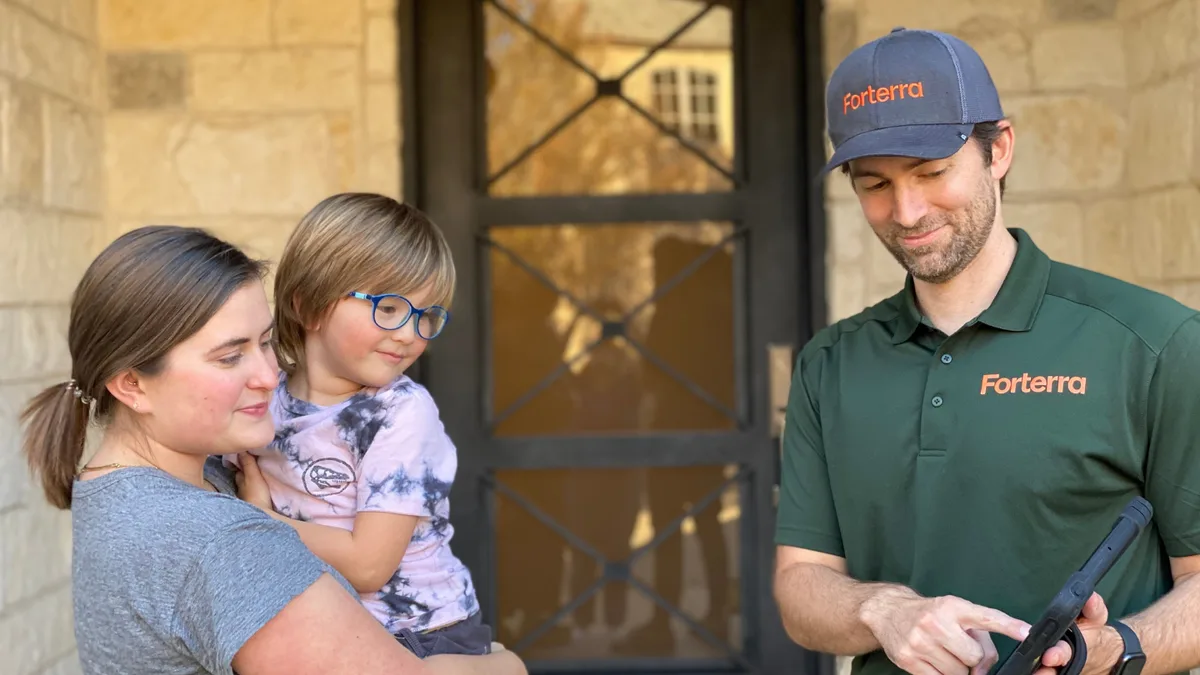
Forterra Pest Control
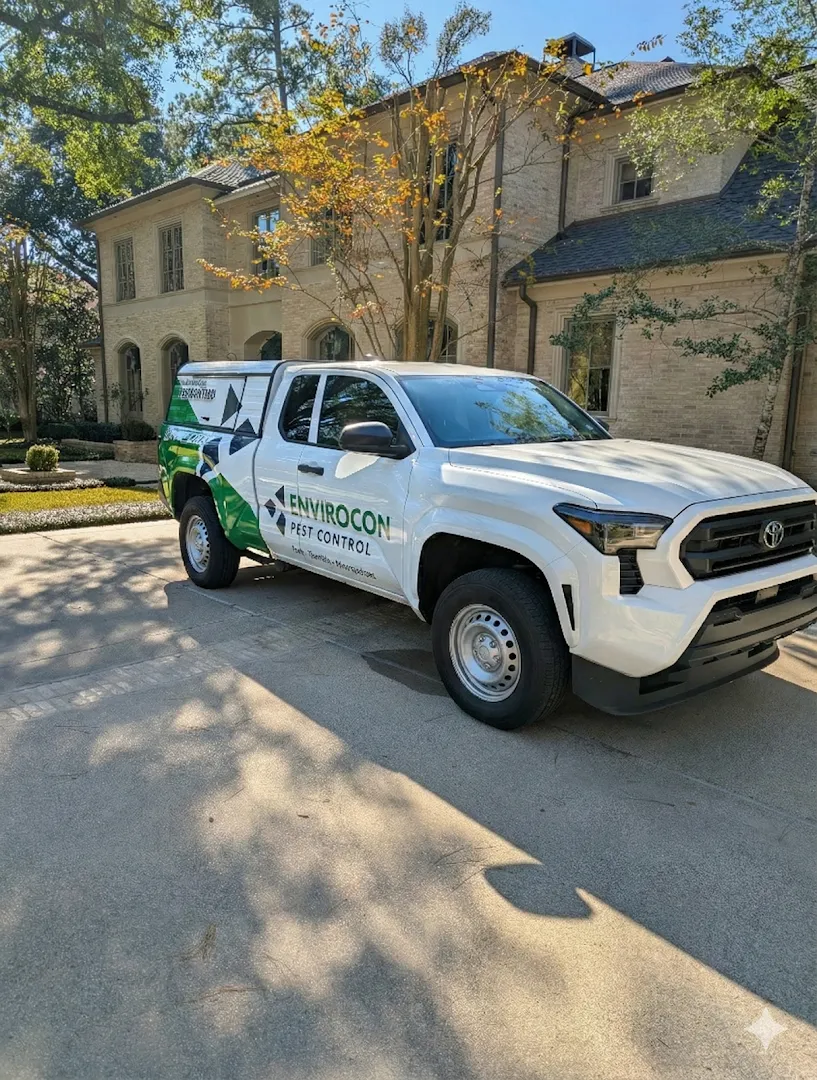
EnviroCon Pest Control
Pest Control by City in Texas
Browse by city to find licensed exterminators near you
Texas Bug Slayers in 30 seconds
- What it is: an independent directory of 2,188+ Texas pest control companies, every one of them holding a valid Structural Pest Control License (TPCL) from the Texas Department of Agriculture.
- How we verify: license records are refreshed from the TDA Structural Pest Control Service database; ratings come from public Google Business Profiles — no paid placements, no proprietary scores.
- What it covers: all 171 Texas counties with active licensed operators, across the 7 TDA license categories — Pest Control (P), Termite Control (T), Lawn & Ornamental (L), Weed Control (W), Commodity Fumigation (C), Structural Fumigation (S) and Wood Preservation (D).
- What it costs you: nothing. The directory is free for consumers; we don't sell leads or rank companies by payment.
- Who it's for: Texas homeowners, renters, and property managers comparing exterminators; and pest control operators who want their license and Google reviews represented on a neutral aggregator.
Find an Exterminator Near You
Use our interactive map to locate the closest licensed pest control companies. Auto-detect your location and instantly see the 12 nearest exterminators with ratings, services, and verified TDA licenses.
Latest Pest Control News
Alerts, regulation updates, and expert tips for Texas homeowners

Screwworm Reaches the County Next Door to El Paso
Two Hudspeth County bovines confirmed Oct. 24 created Infested Zone 25 on Interstate 10, against the El Paso County line — the outbreak's farthest west move yet.

Winter Kills the Fly. It Doesn't Reach What's Already in the Soil.
New Mexico's state veterinarian called the outbreak a marathon, then explained why a cold snap kills adult screwworm flies but spares the pupae in the soil.

The Screwworm Trap Is Plastic and Glue. The Bait Inside Now Has a Factory.
USDA contracted a 92-year-old western New York brush and glue maker to scale production of Swormlure SL4, the attractant the entire screwworm trap network runs on.
Common Pests in Texas
Learn about pests that plague Texas homes and businesses
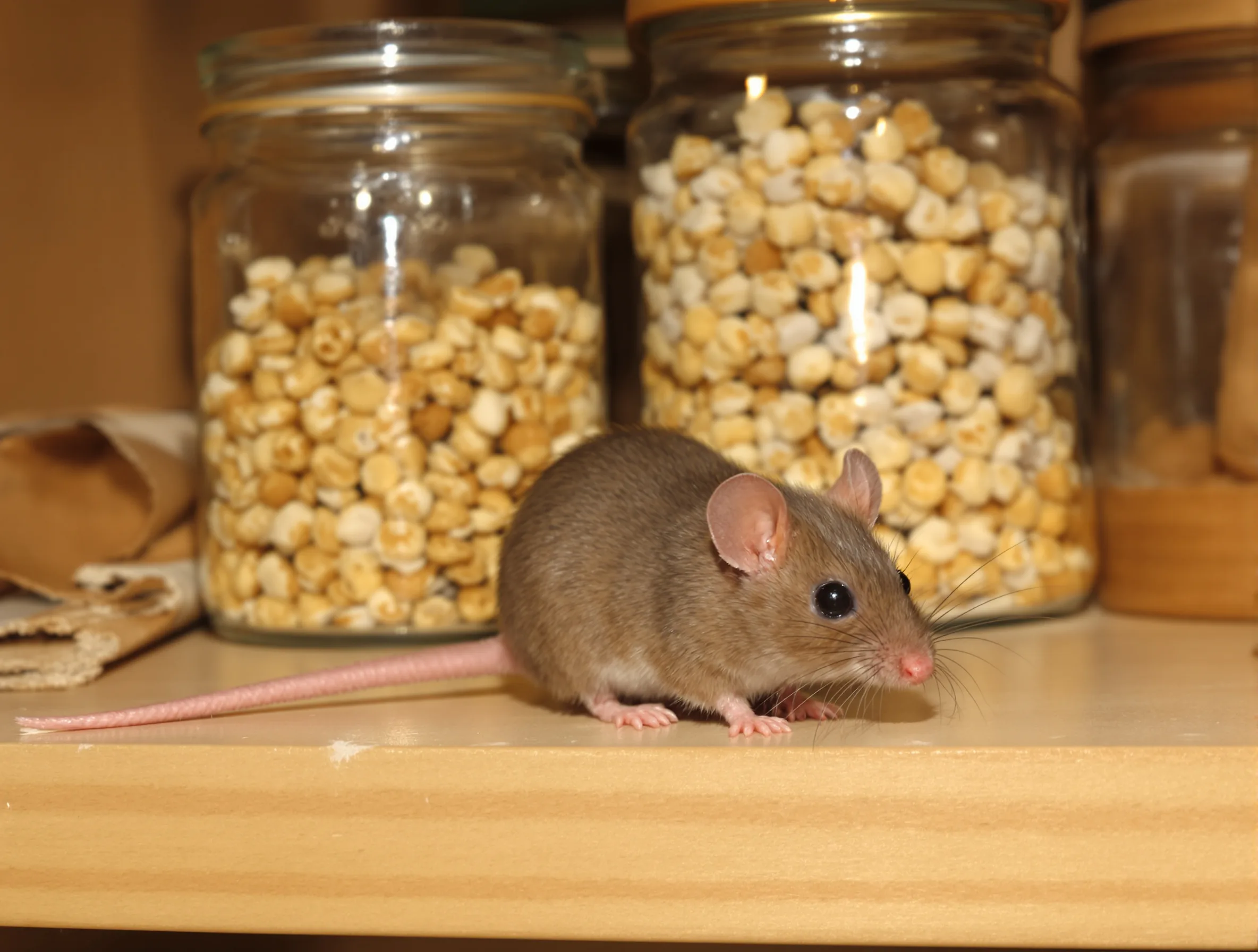
Rodents
Mice and rats seeking shelter, contaminate food and gnaw wiring
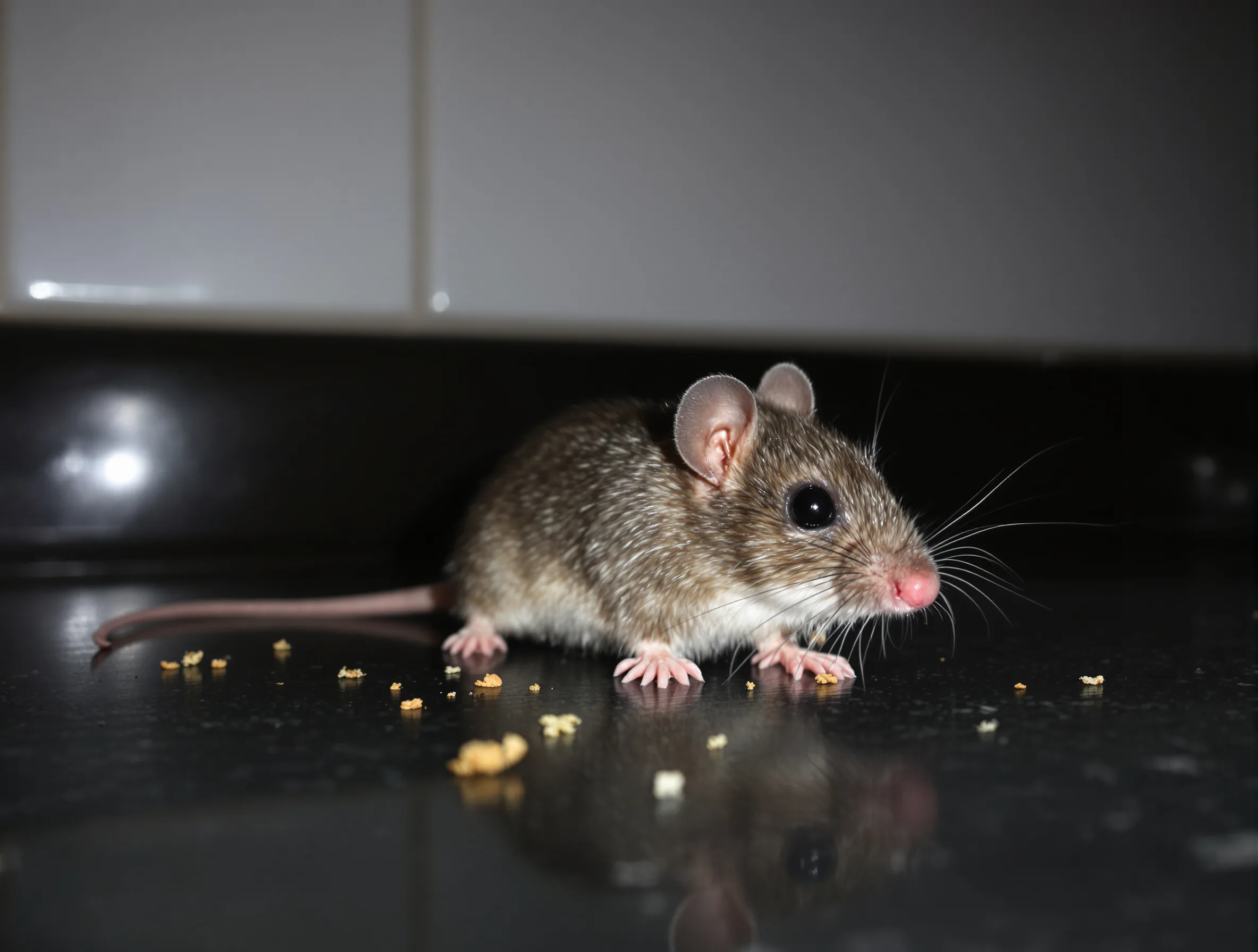
Mice
House mice invade Texas homes, contaminate food, gnaw wiring, and breed fast
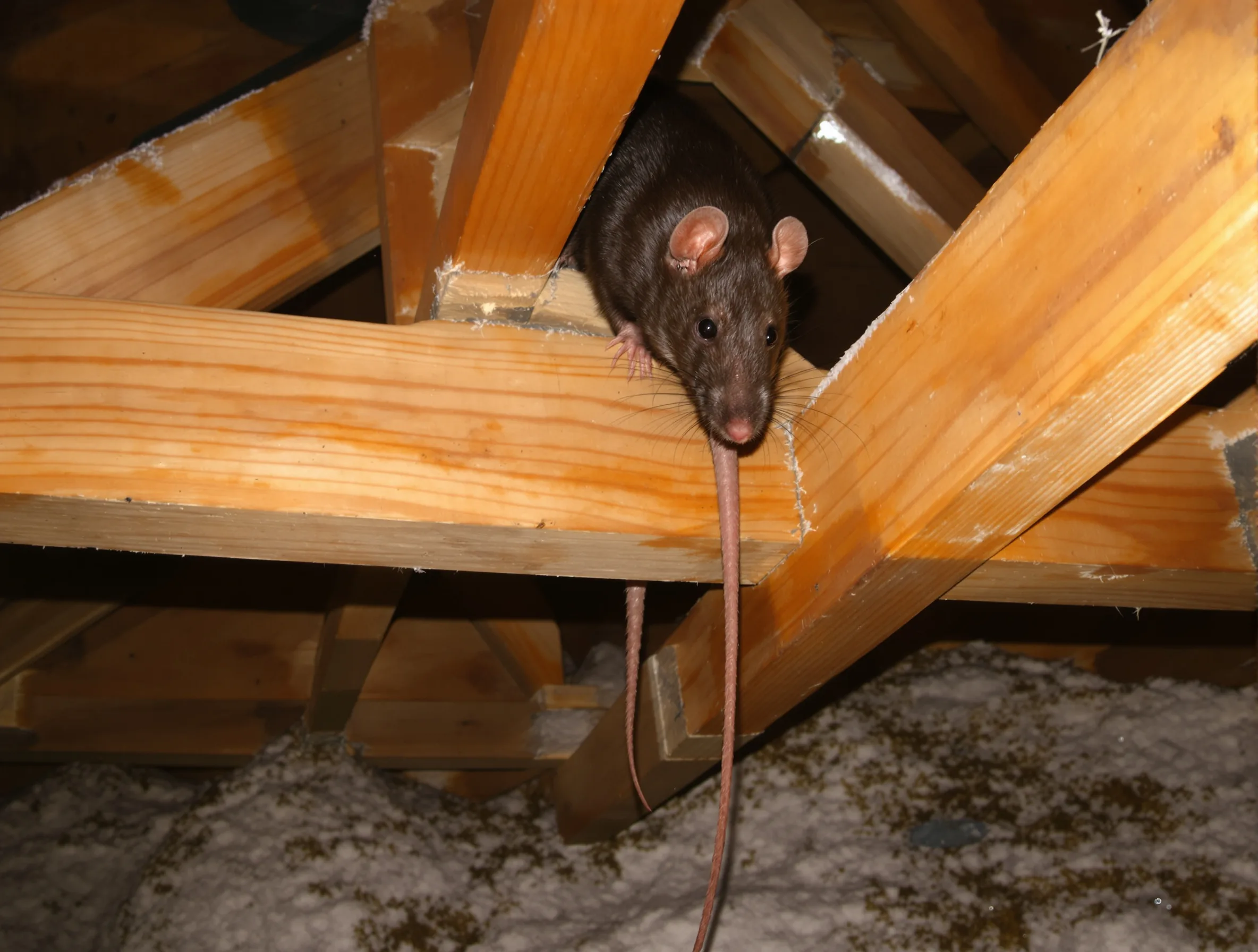
Rats
Roof rats and Norway rats infest Texas attics, garages, and foundations
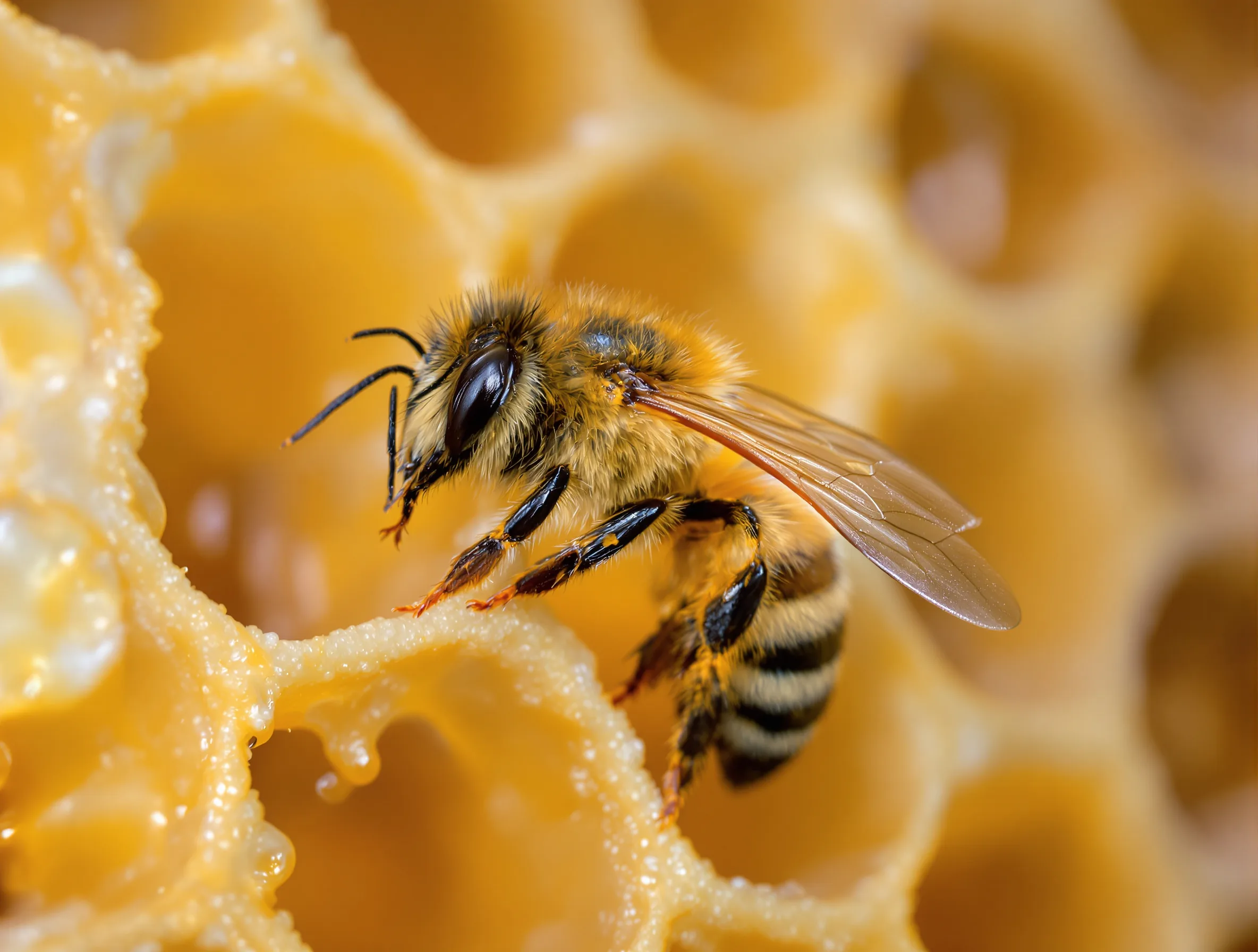
Bees
Honey bees and Africanized bees swarm and build hives in walls, soffits, and trees across Texas
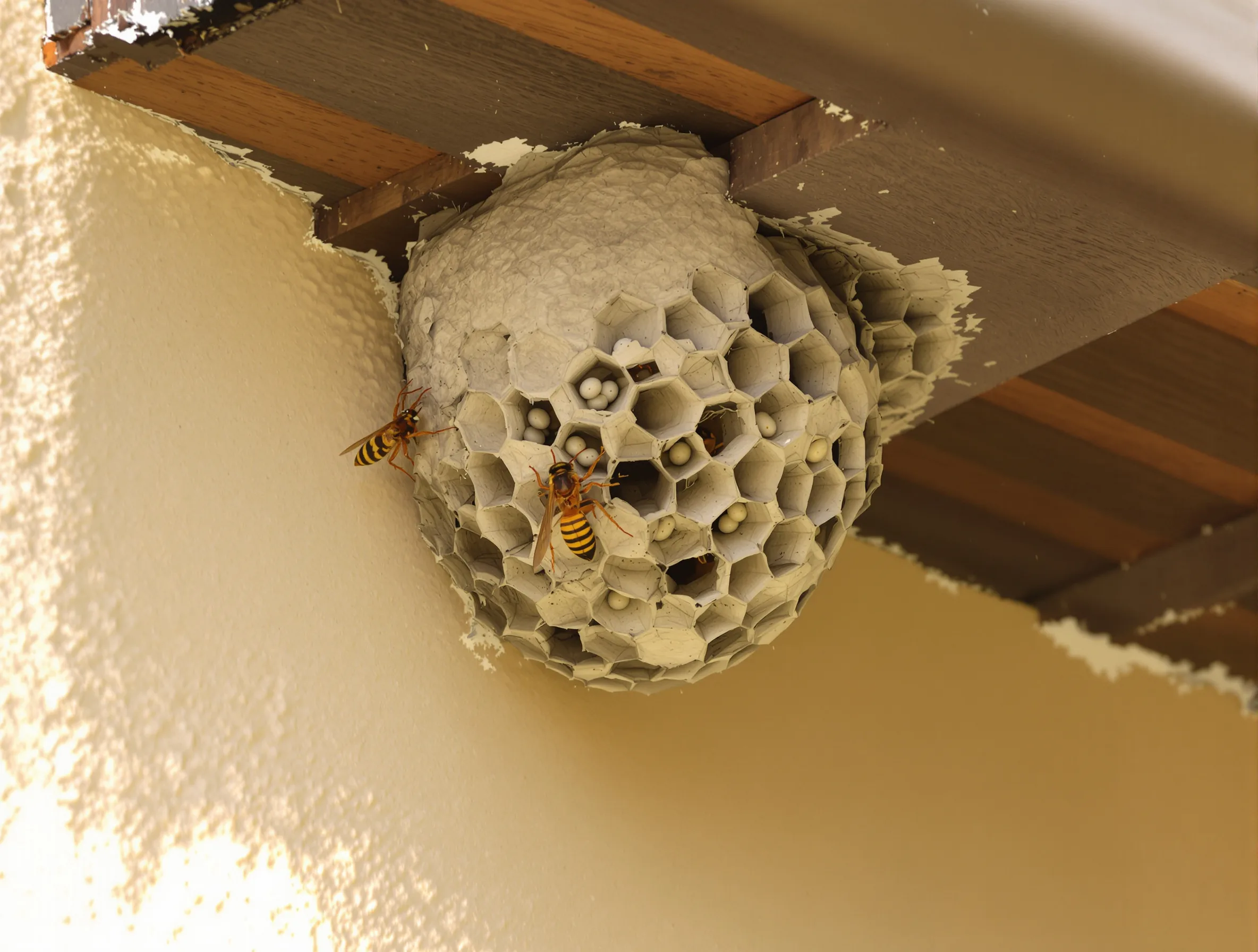
Wasps & Hornets
Aggressive when nests are disturbed, build near homes
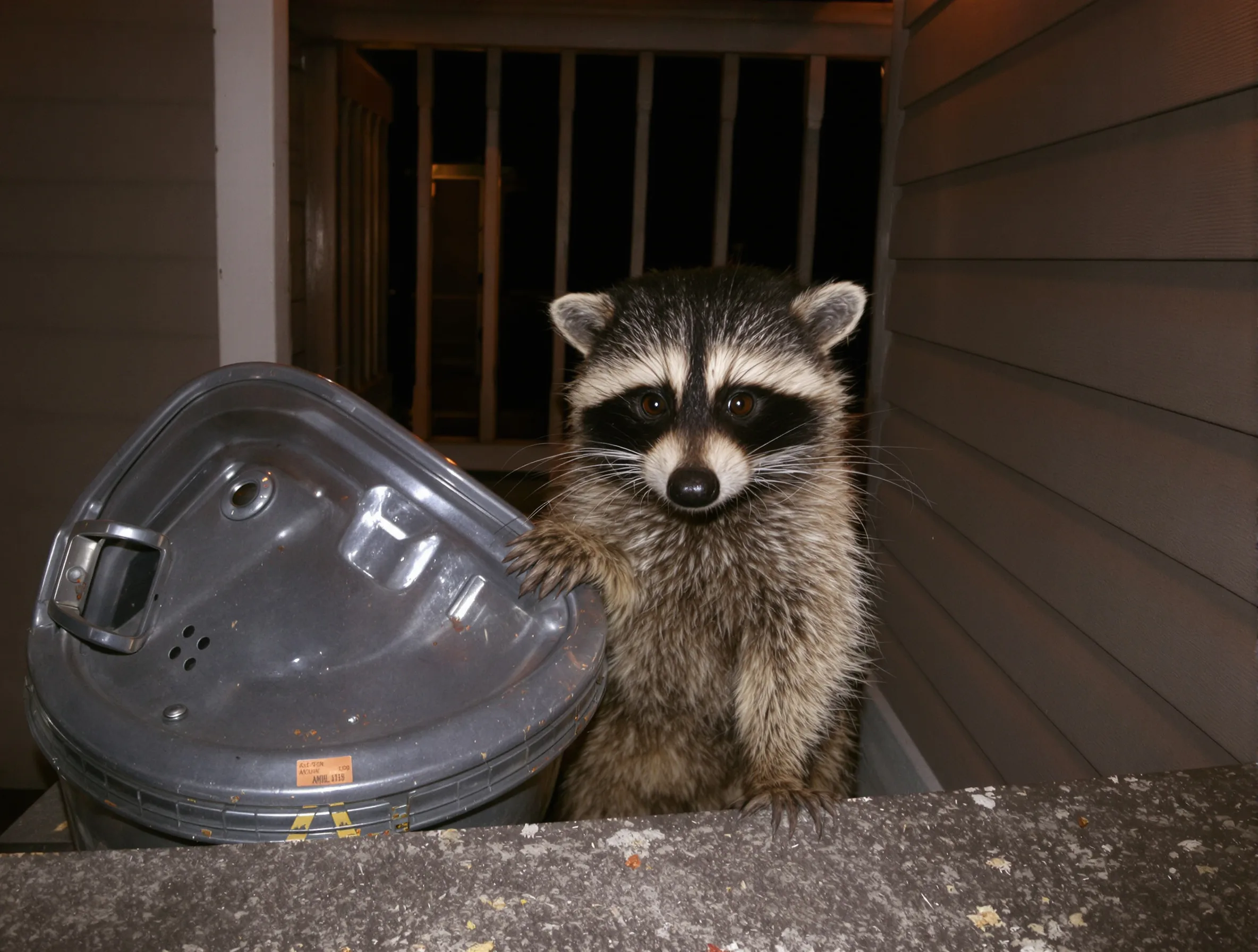
Raccoons
Nocturnal trash pandas that invade attics, spread rabies and cause property damage
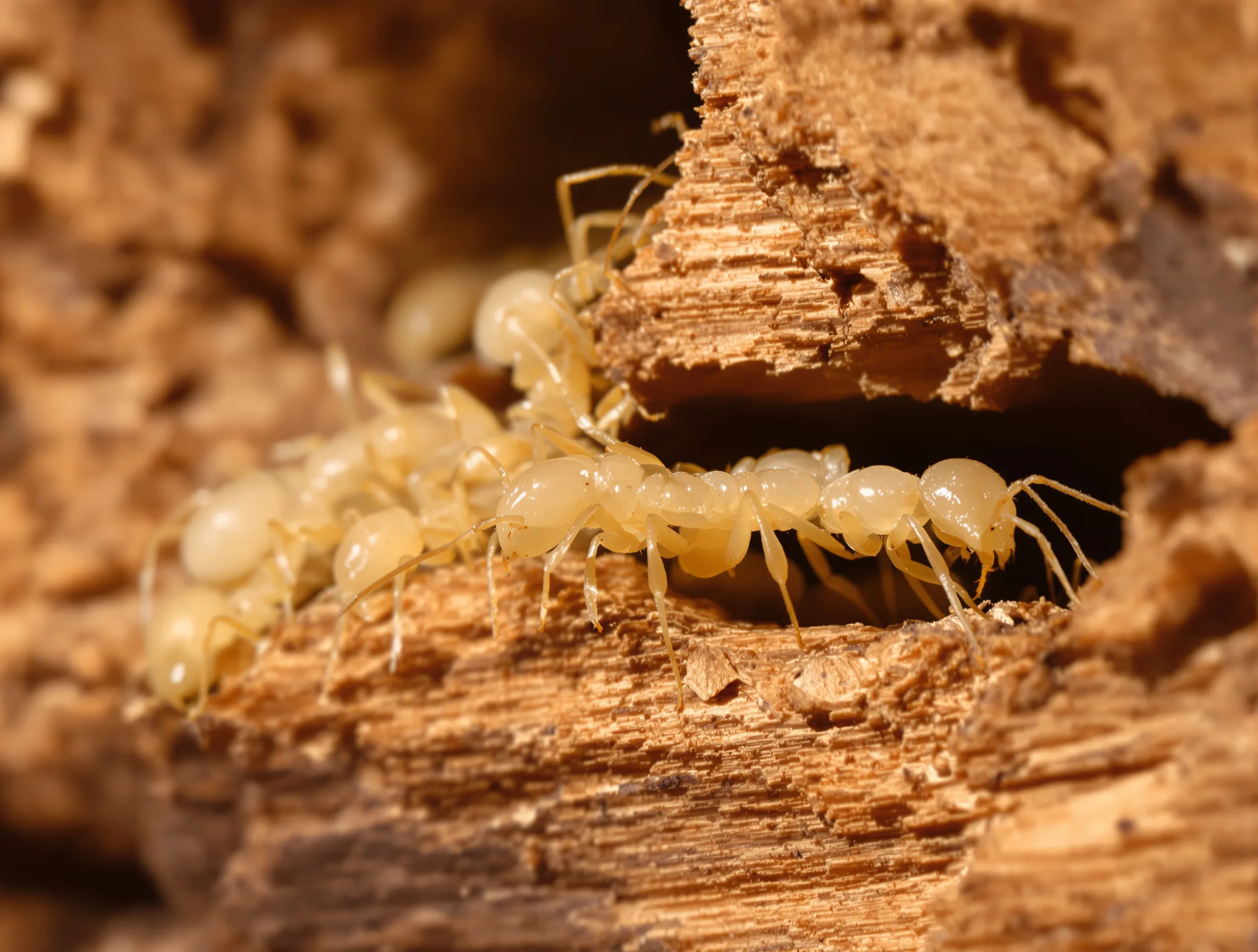
Termites
Cause billions in property damage annually across Texas
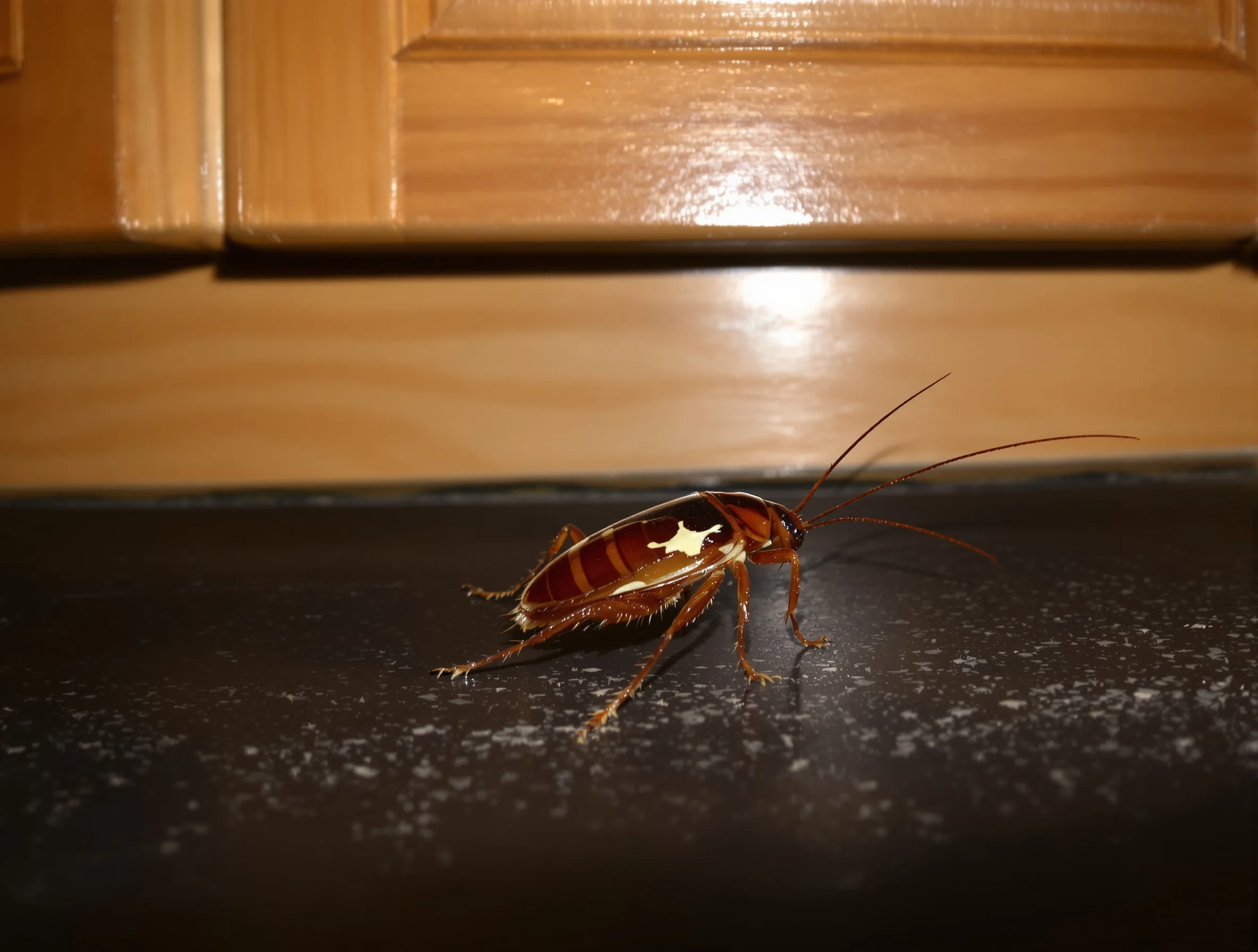
Cockroaches
Thrive in Texas heat, trigger asthma, and spread disease
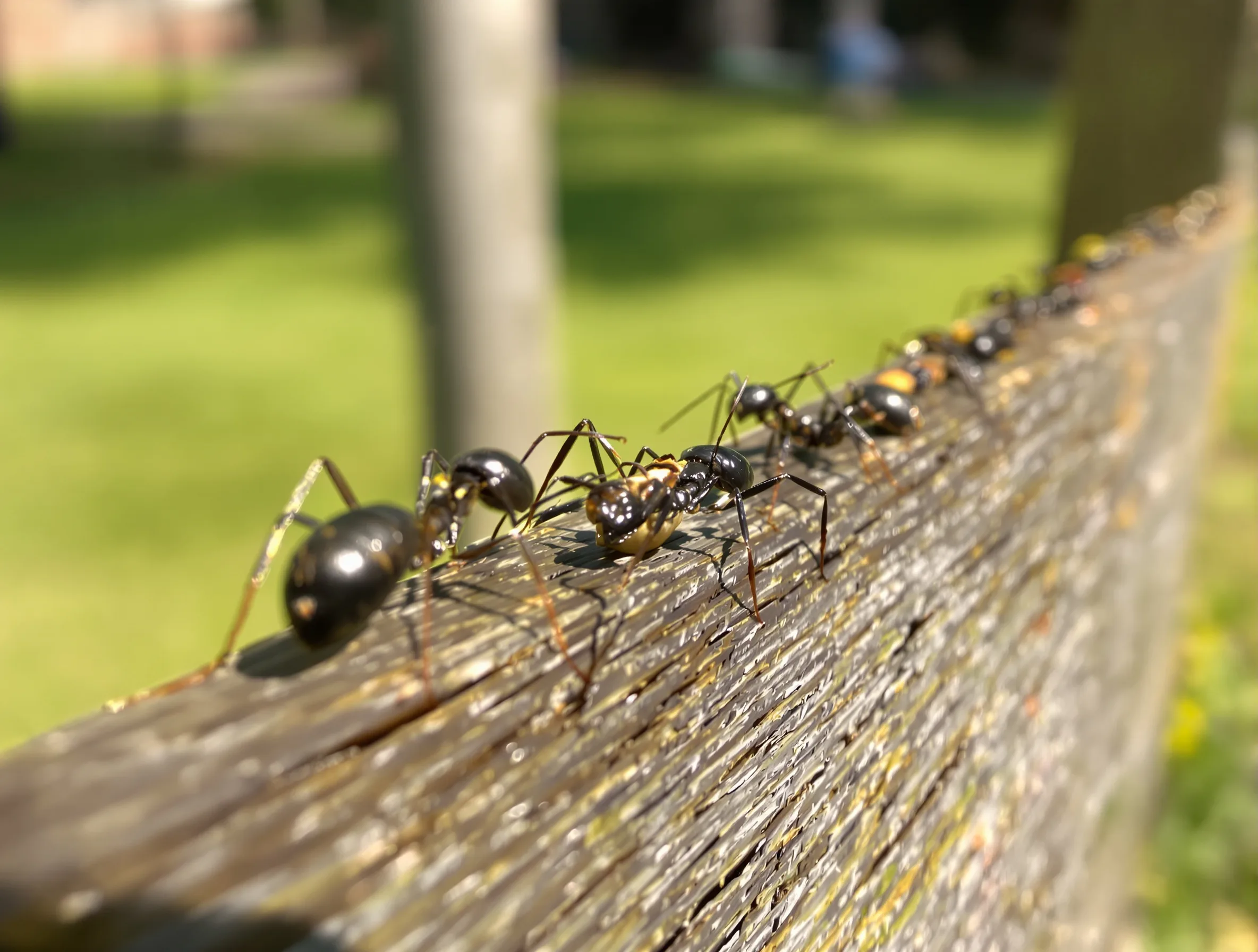
Ants & Fire Ants
Found in every Texas county, aggressive stingers
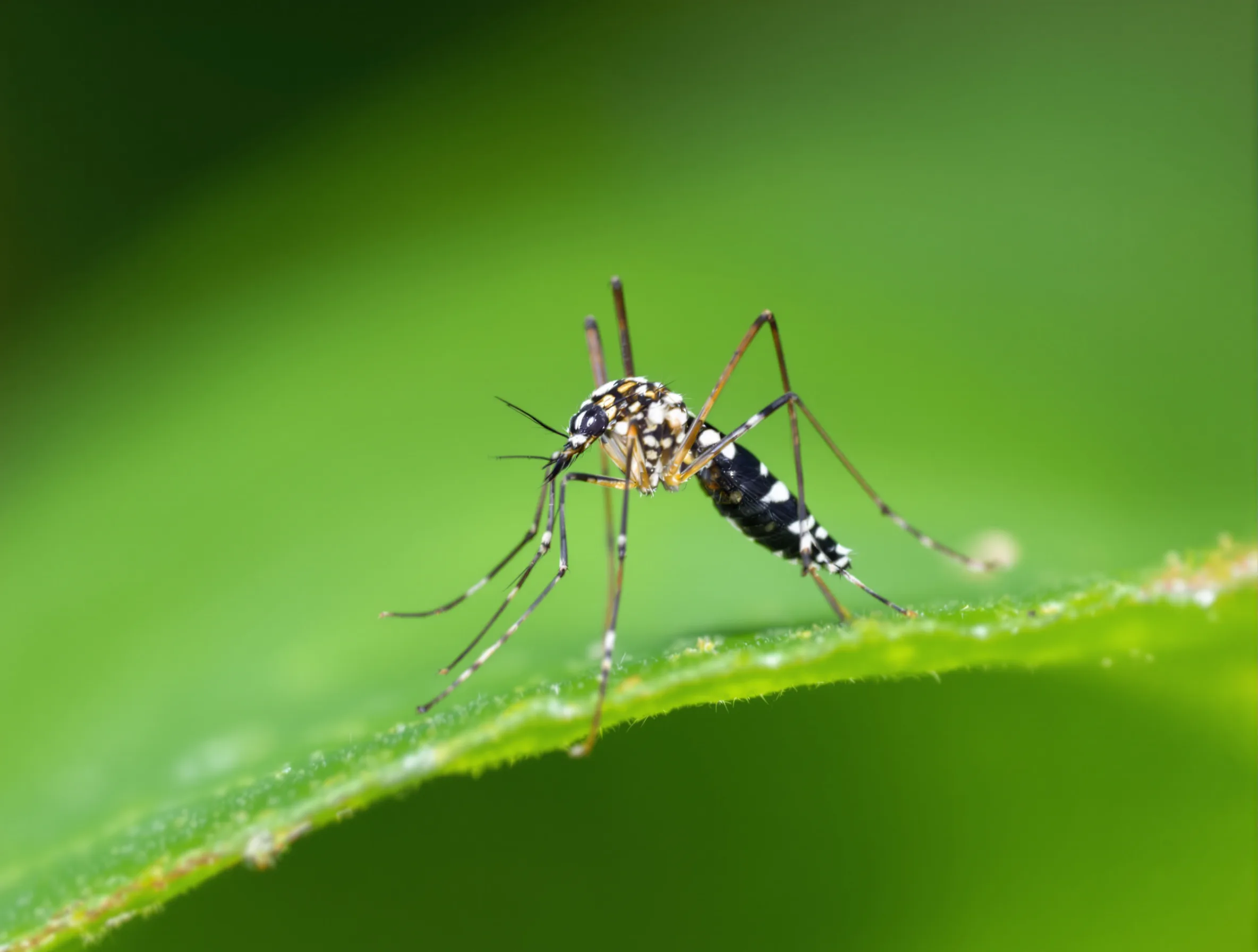
Mosquitoes
Carry West Nile and Zika, active year-round in South Texas
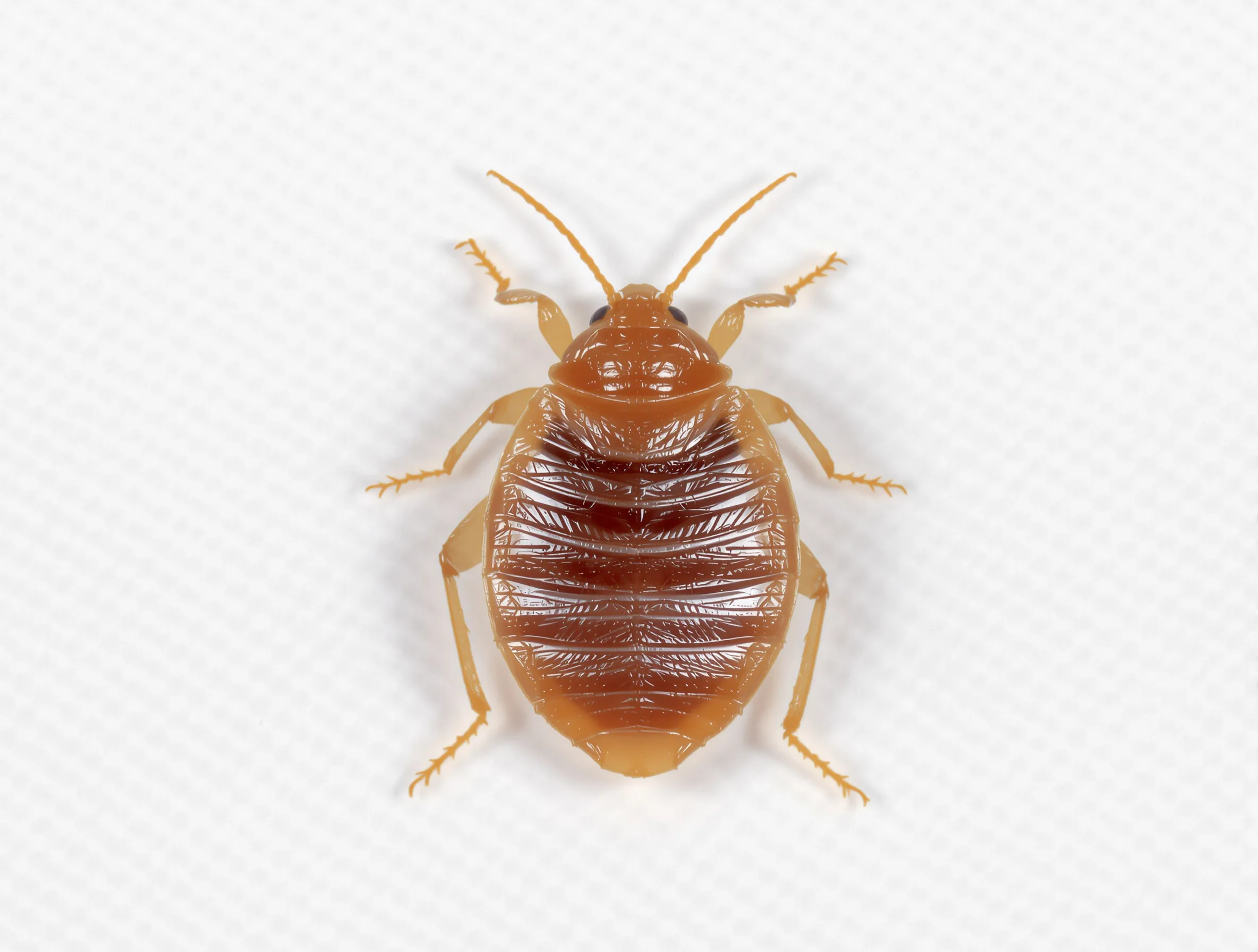
Bed Bugs
Spread through travel, hard to eliminate without professionals
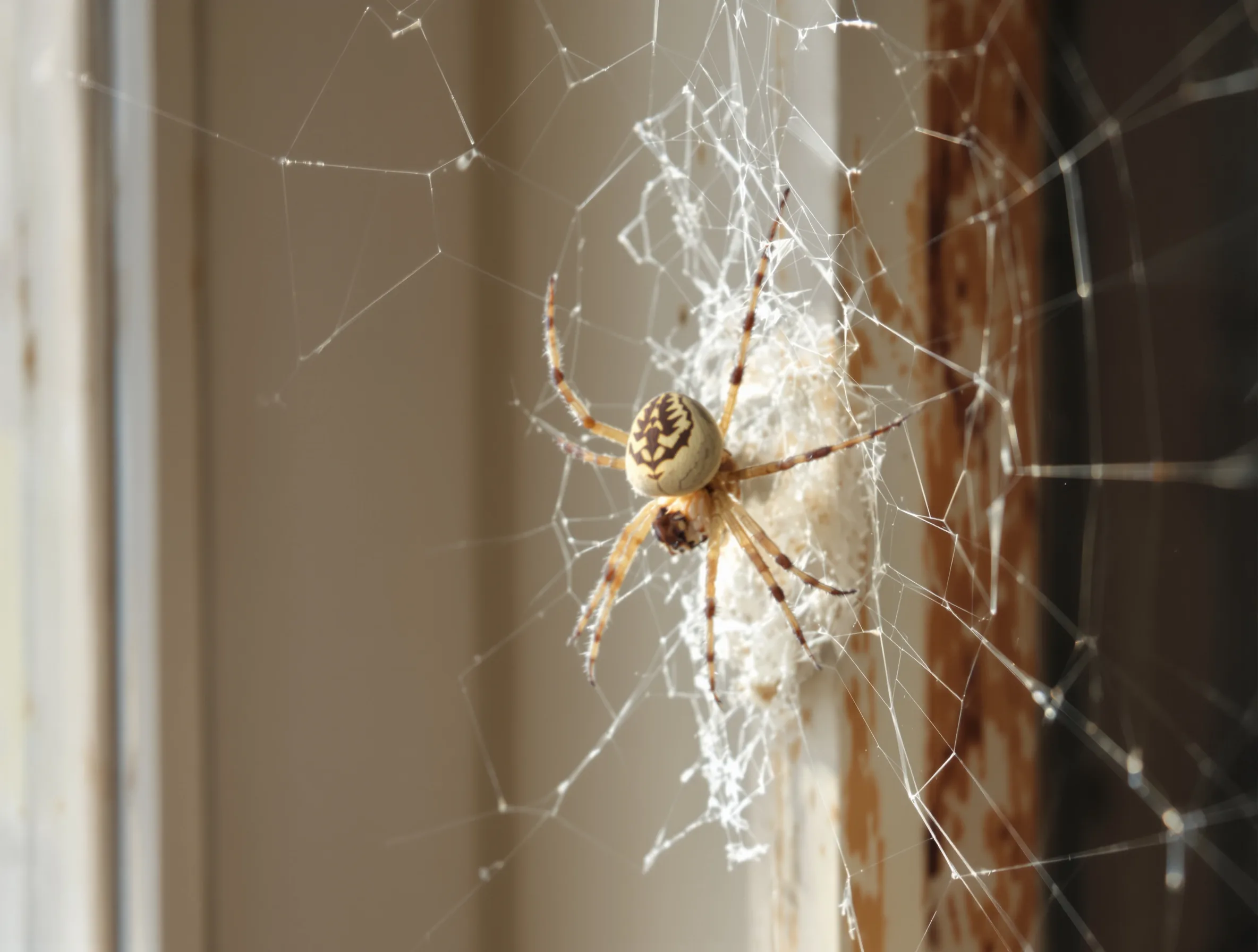
Spiders
Brown recluse and black widow found across Texas
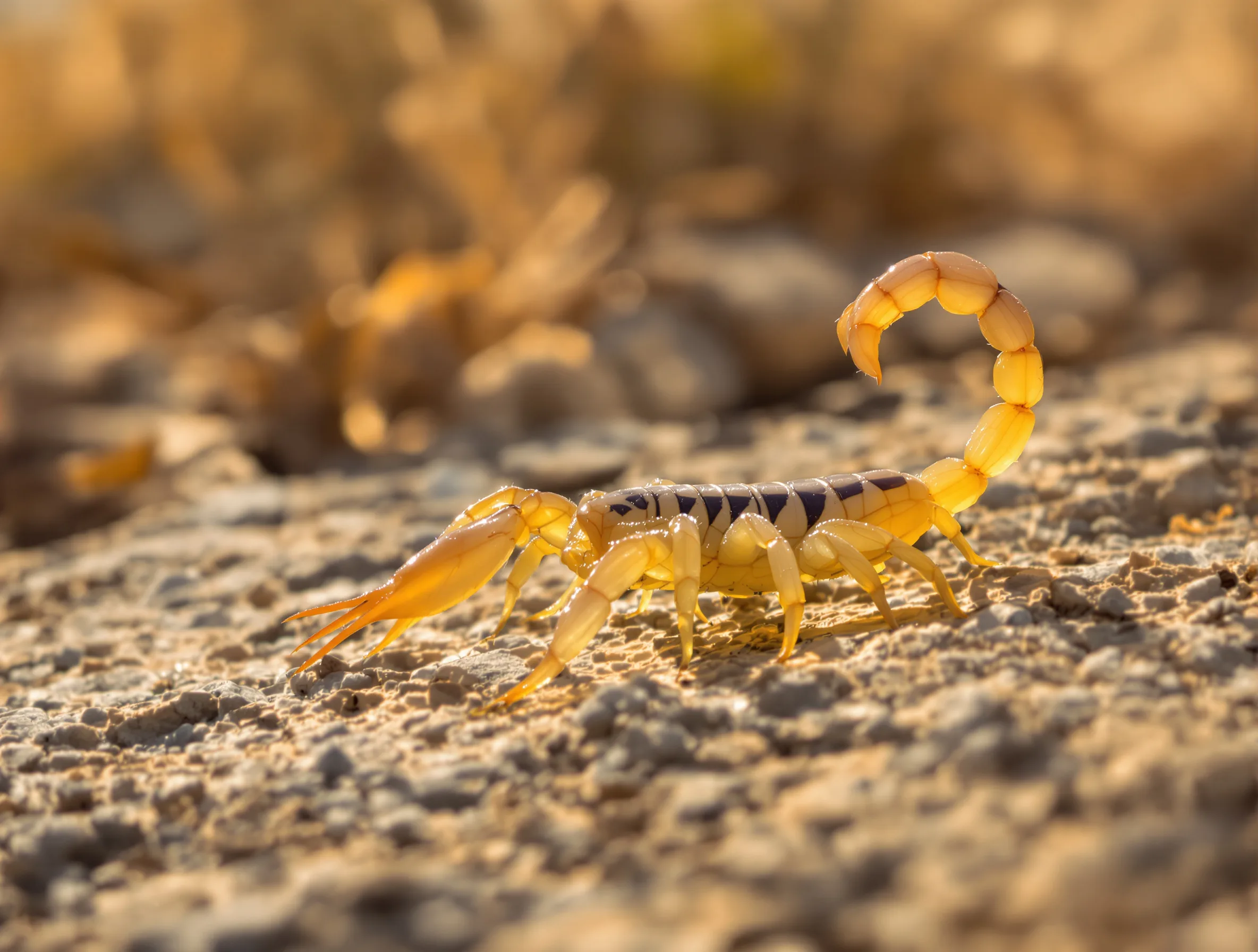
Scorpions
Common in Hill Country and West Texas, painful stings
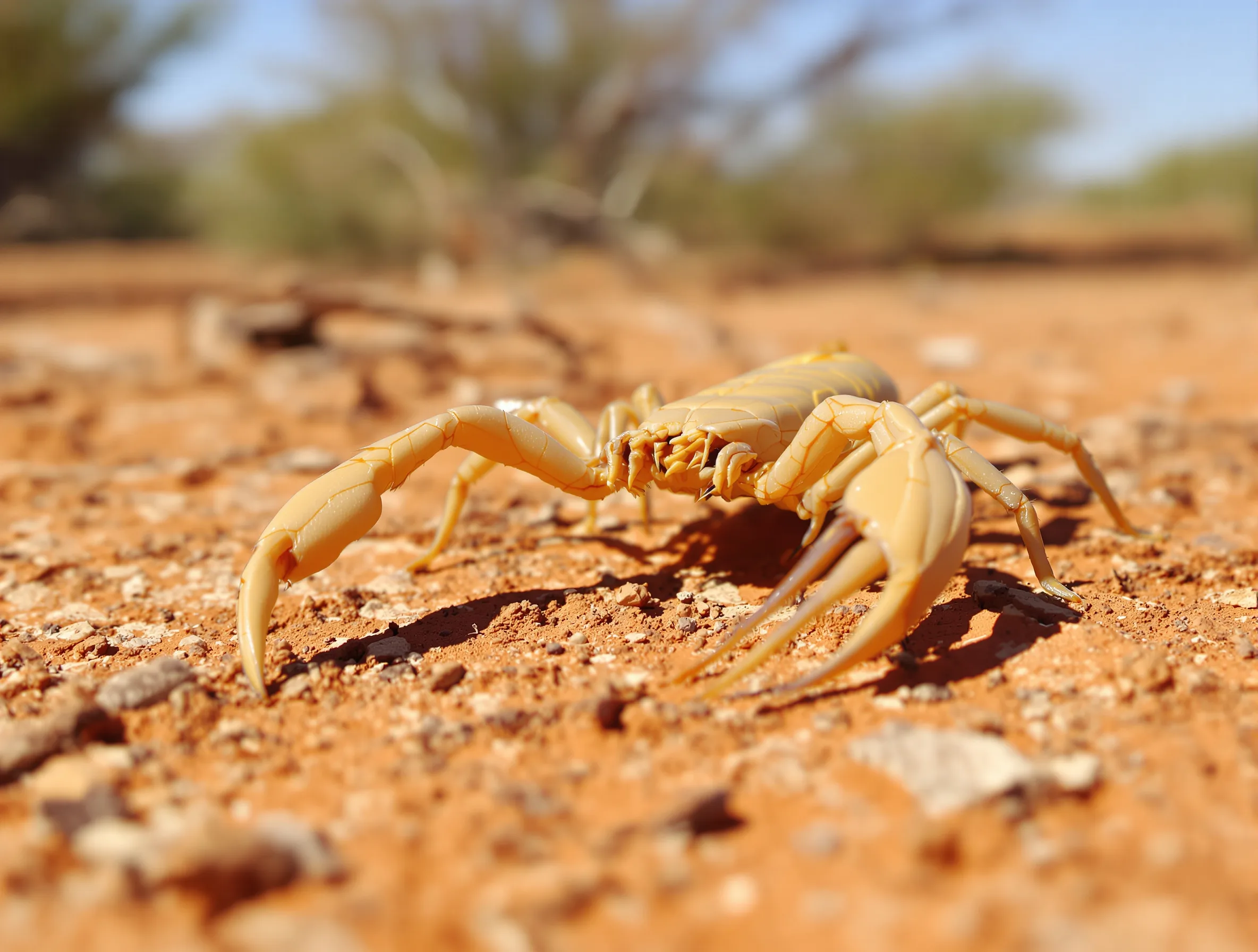
Wind Scorpion (Camel Spider)
Solifuges common in Texas — terrifying looking but completely non-venomous
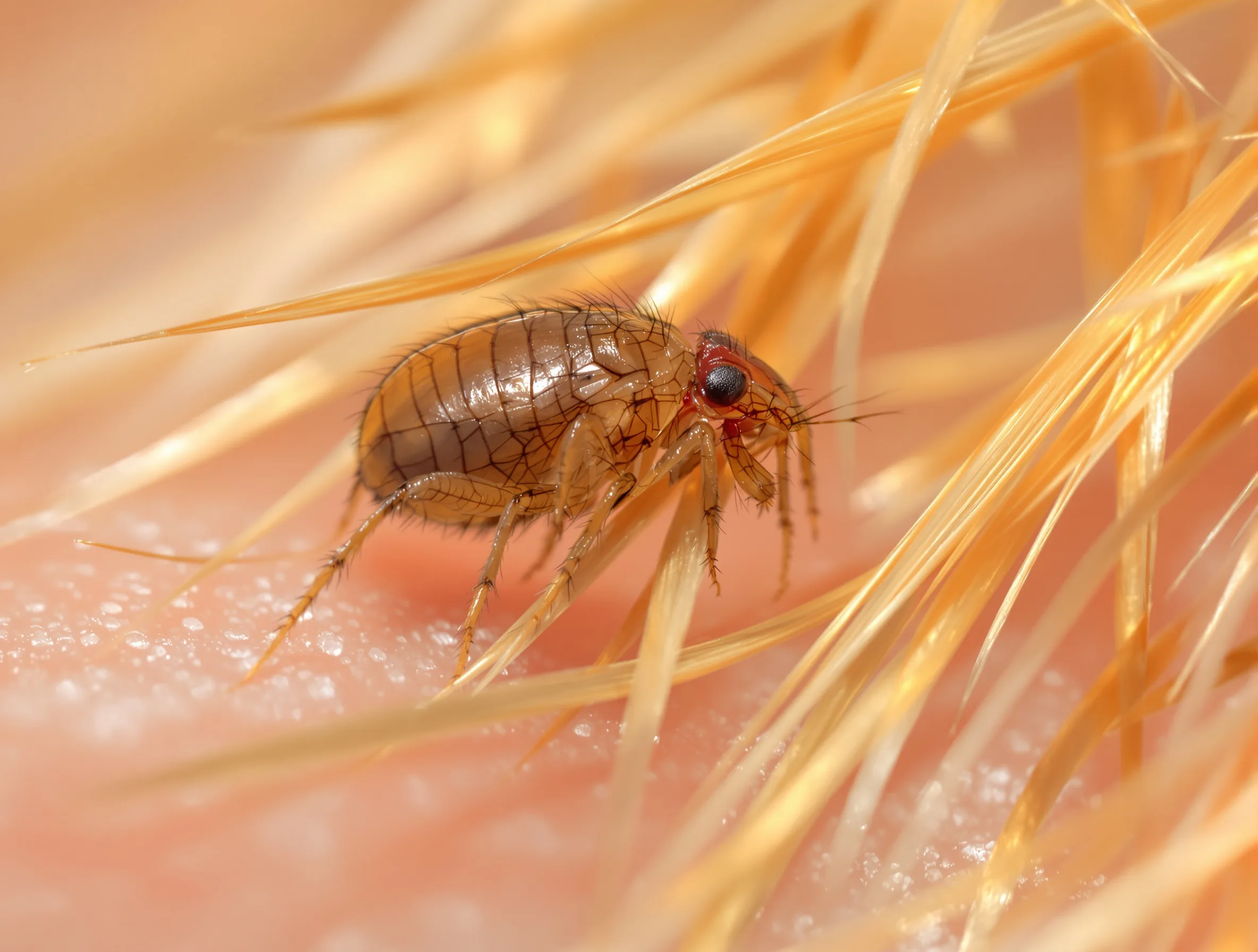
Fleas & Ticks
Affect pets and humans, carry Rocky Mountain spotted fever
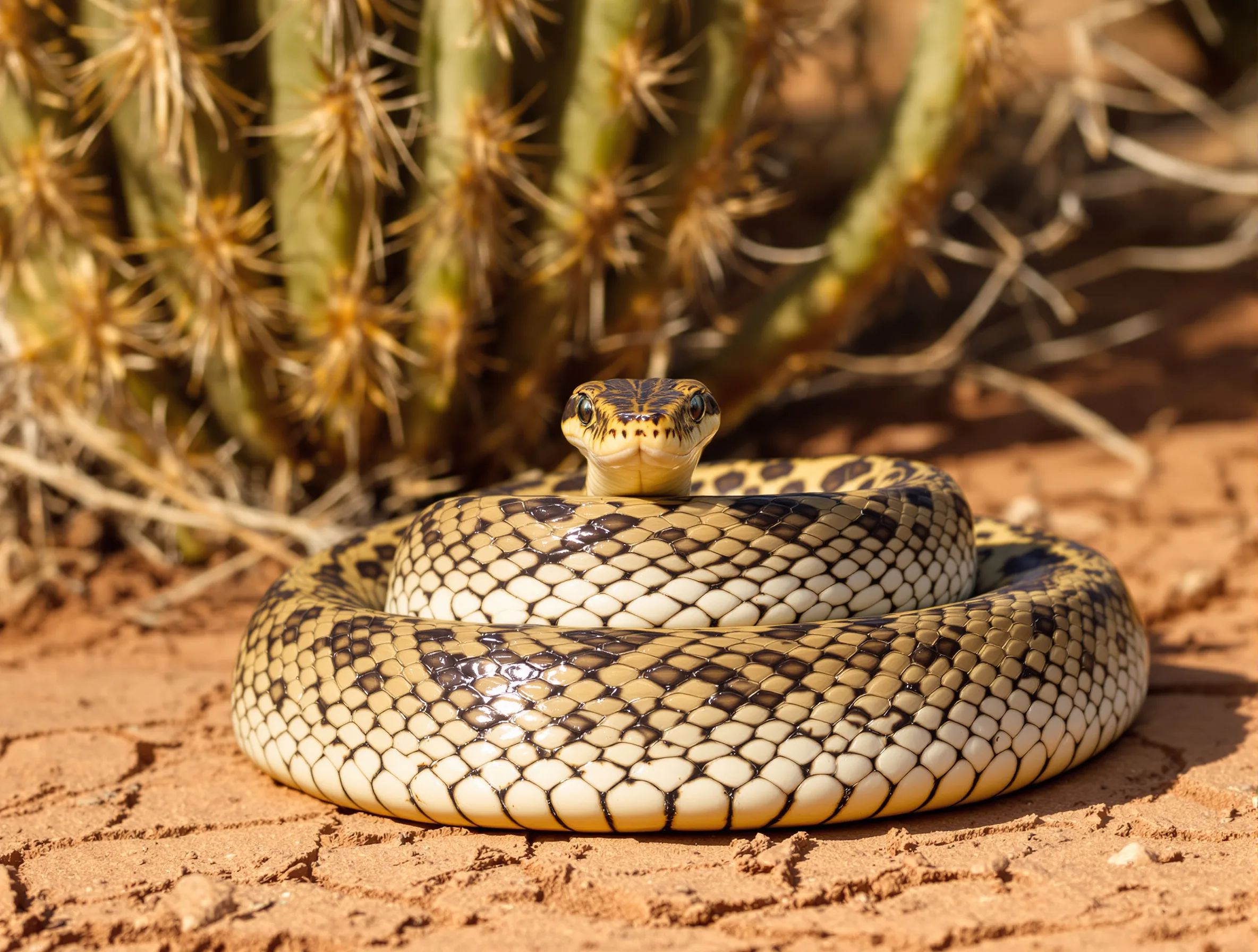
Snakes
Four venomous species in Texas including rattlesnakes and copperheads
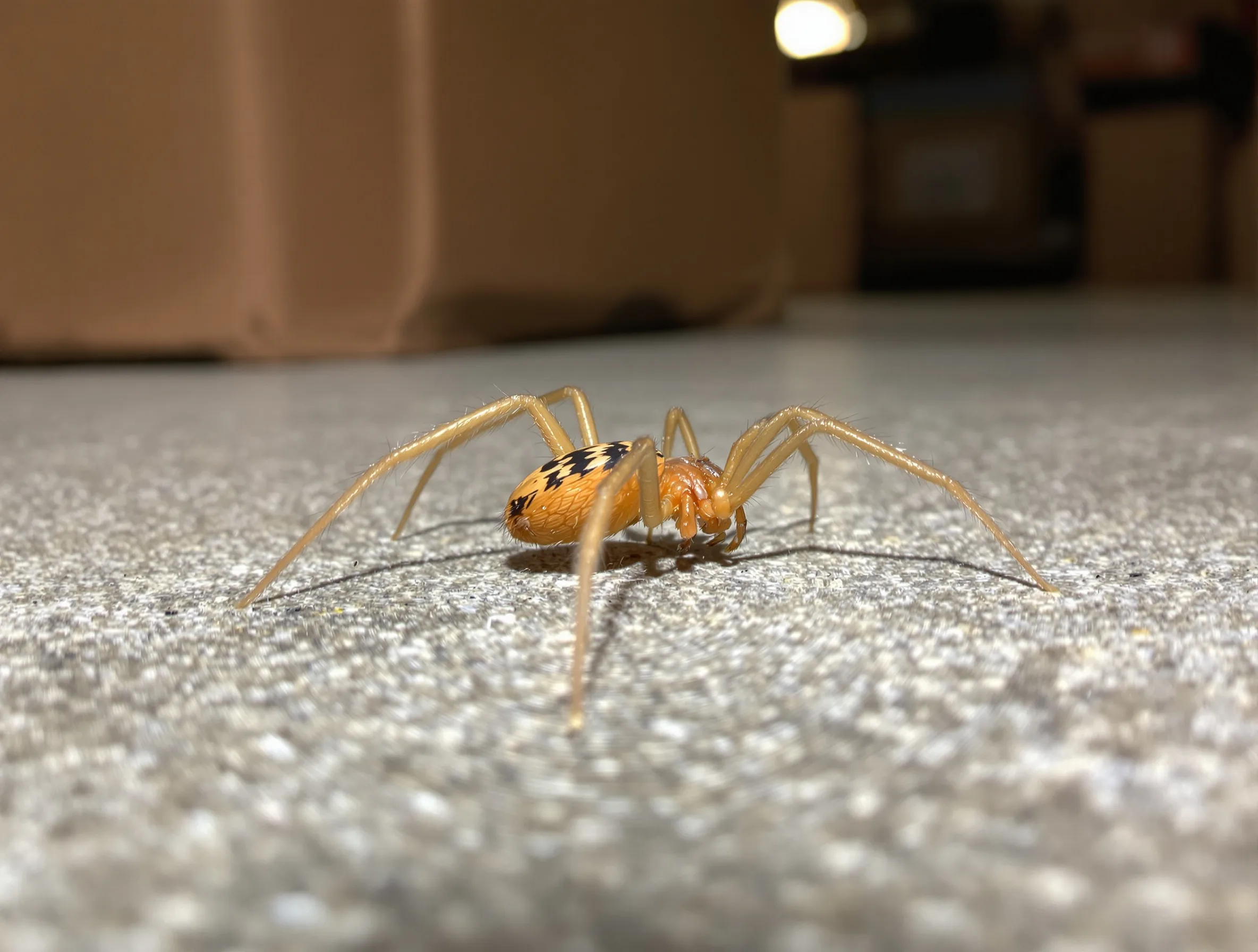
Brown Recluse Spider
Venomous spider found across Texas, bites cause necrotic wounds
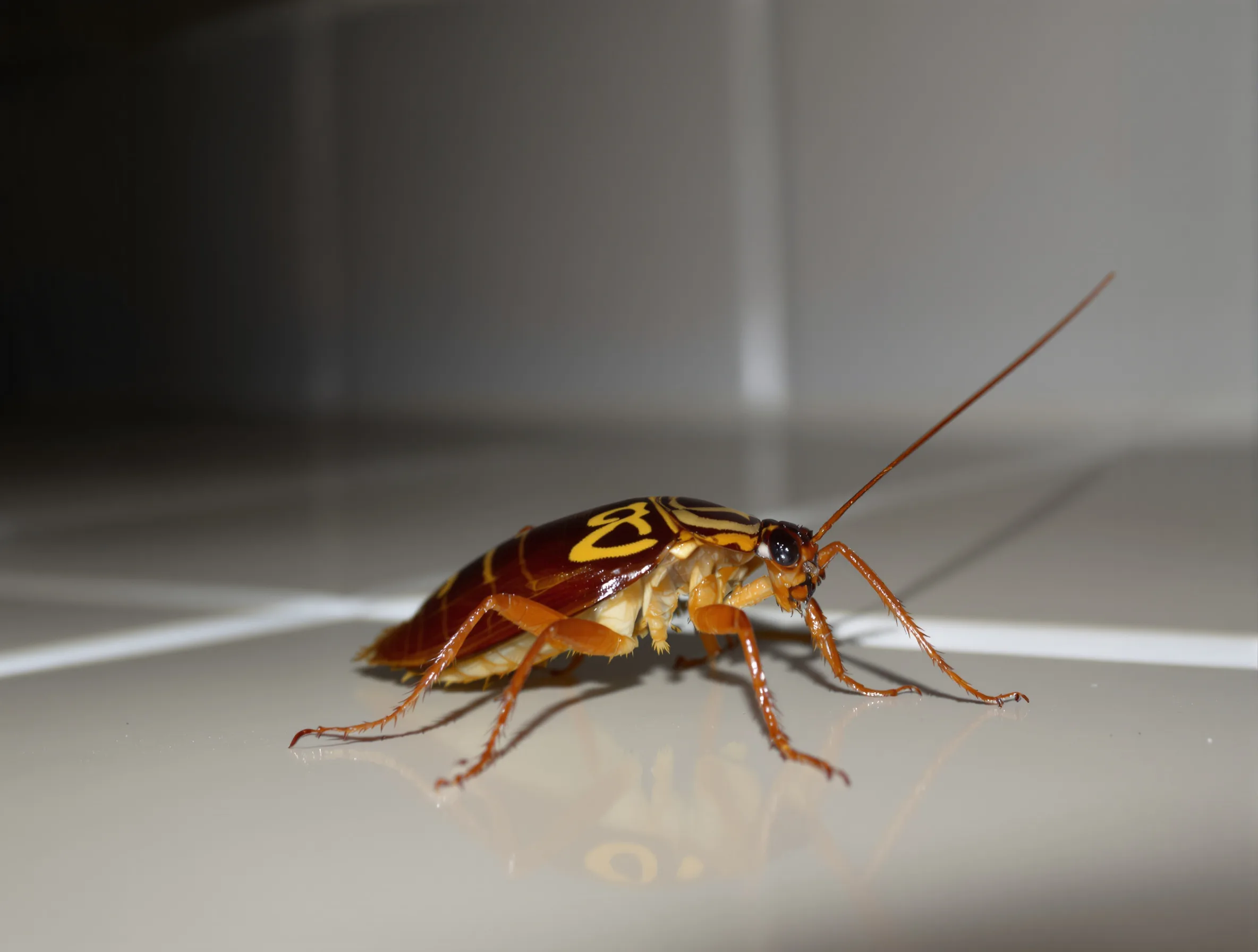
Palmetto Bugs & Water Bugs
Texas slang for large cockroaches — palmetto bugs, water bugs, and roaches
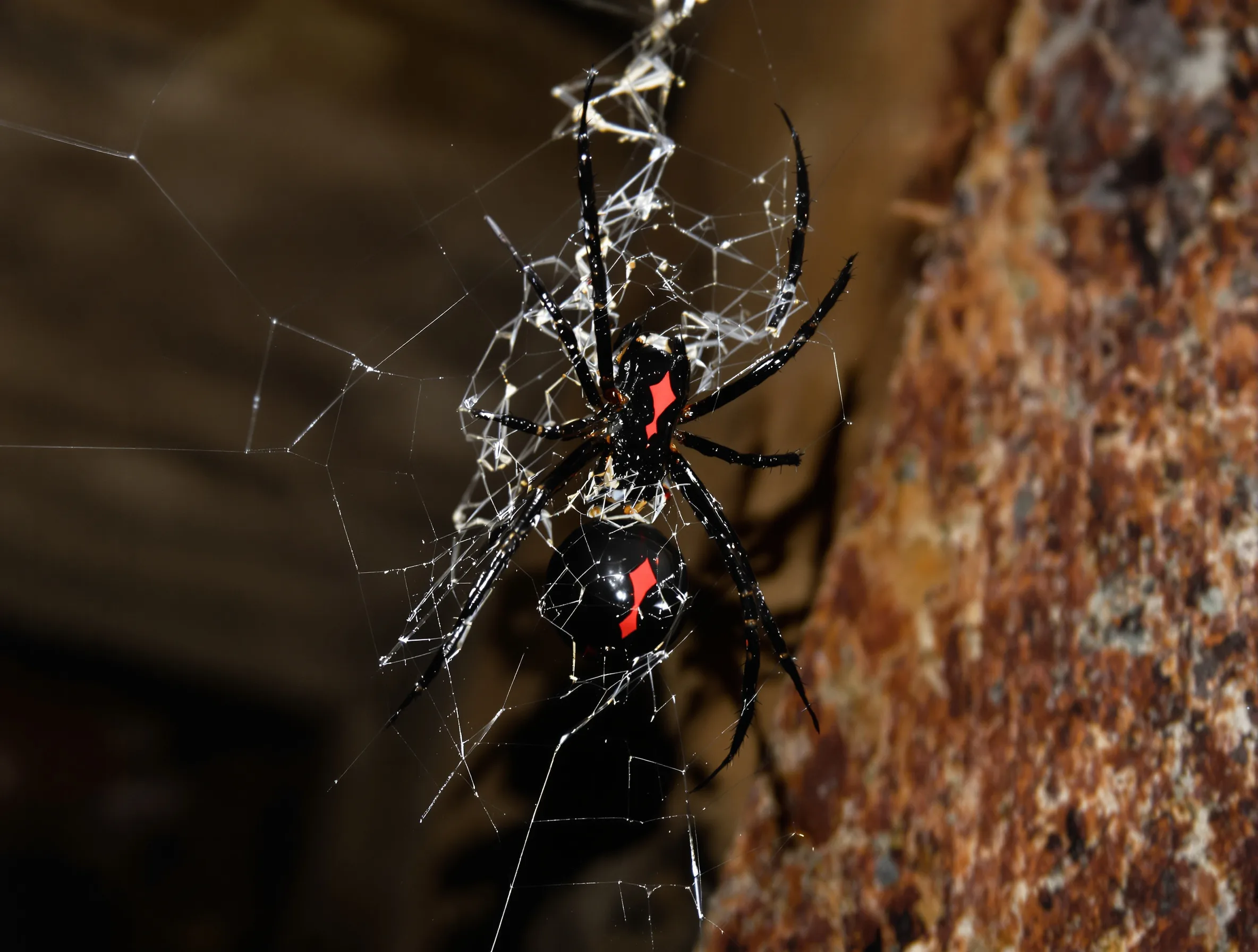
Black Widow Spider
Venomous spider with neurotoxic venom, common across Texas

Possums (Opossums)
Common Texas wildlife — opossums invade attics, garages, and yards
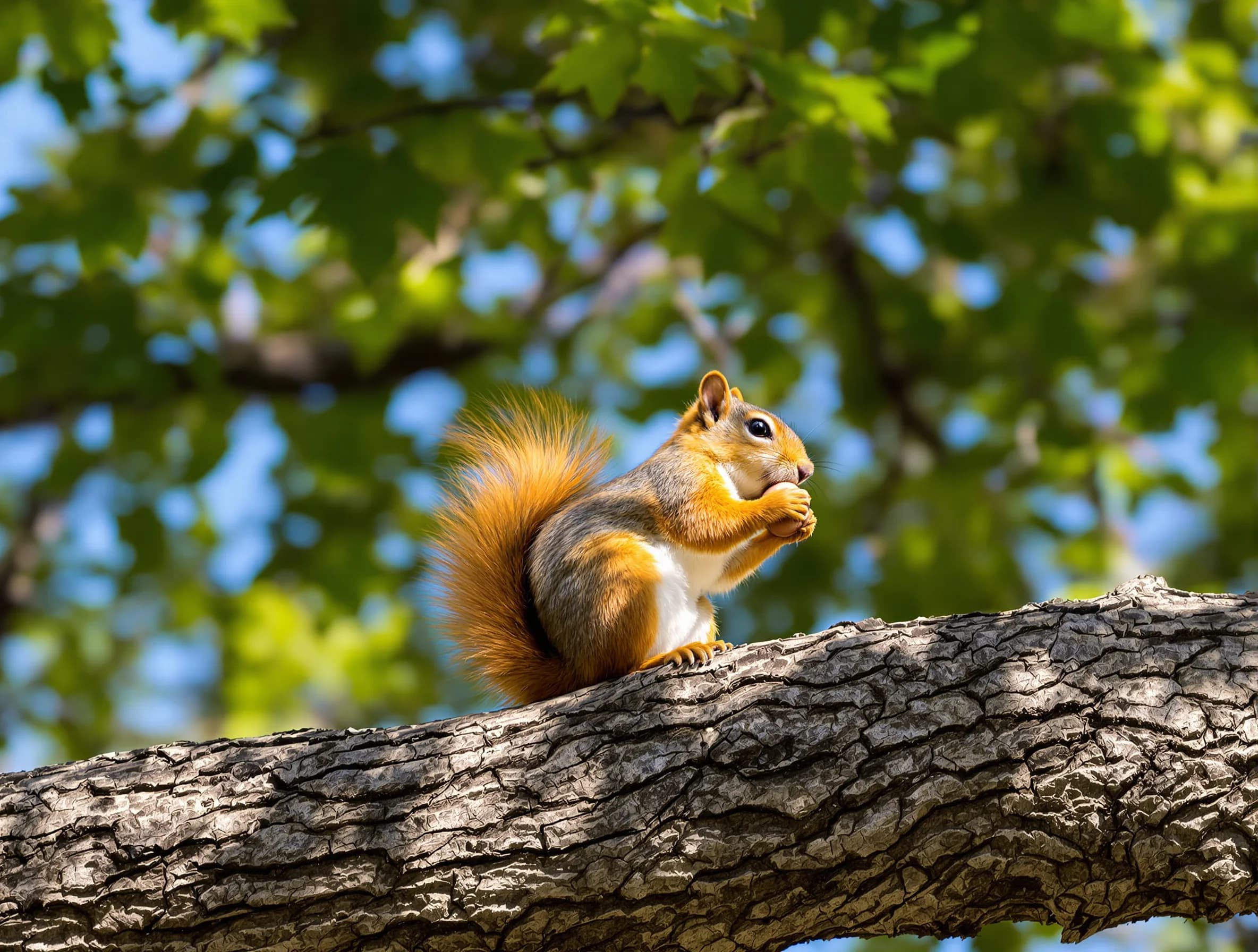
Squirrels
Attic invaders that chew wiring and insulation across Texas homes
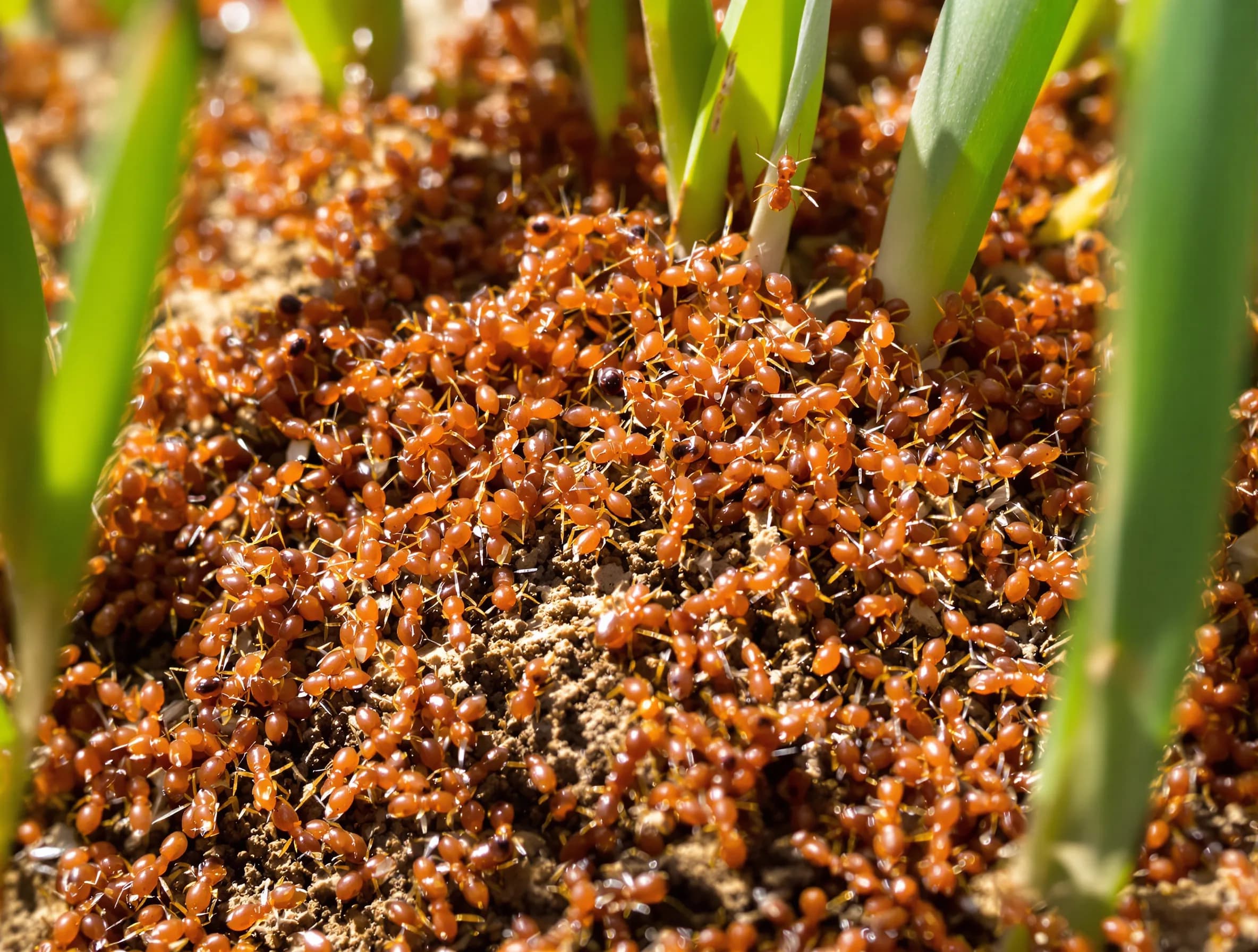
Fire Ants
Invasive red imported fire ants — aggressive stingers found in every Texas county
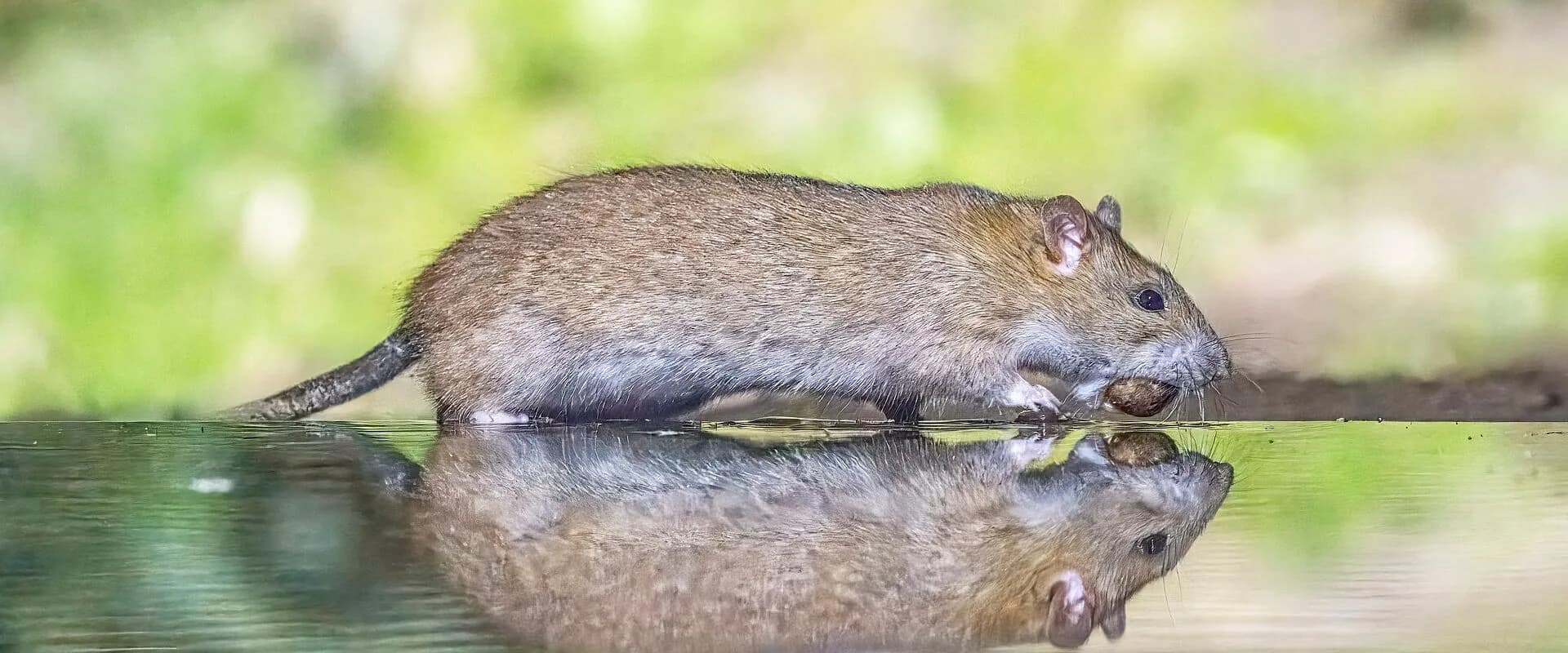
Norway Rat
Stocky burrowing rat of basements, sewers, and foundations — larger than the roof rat
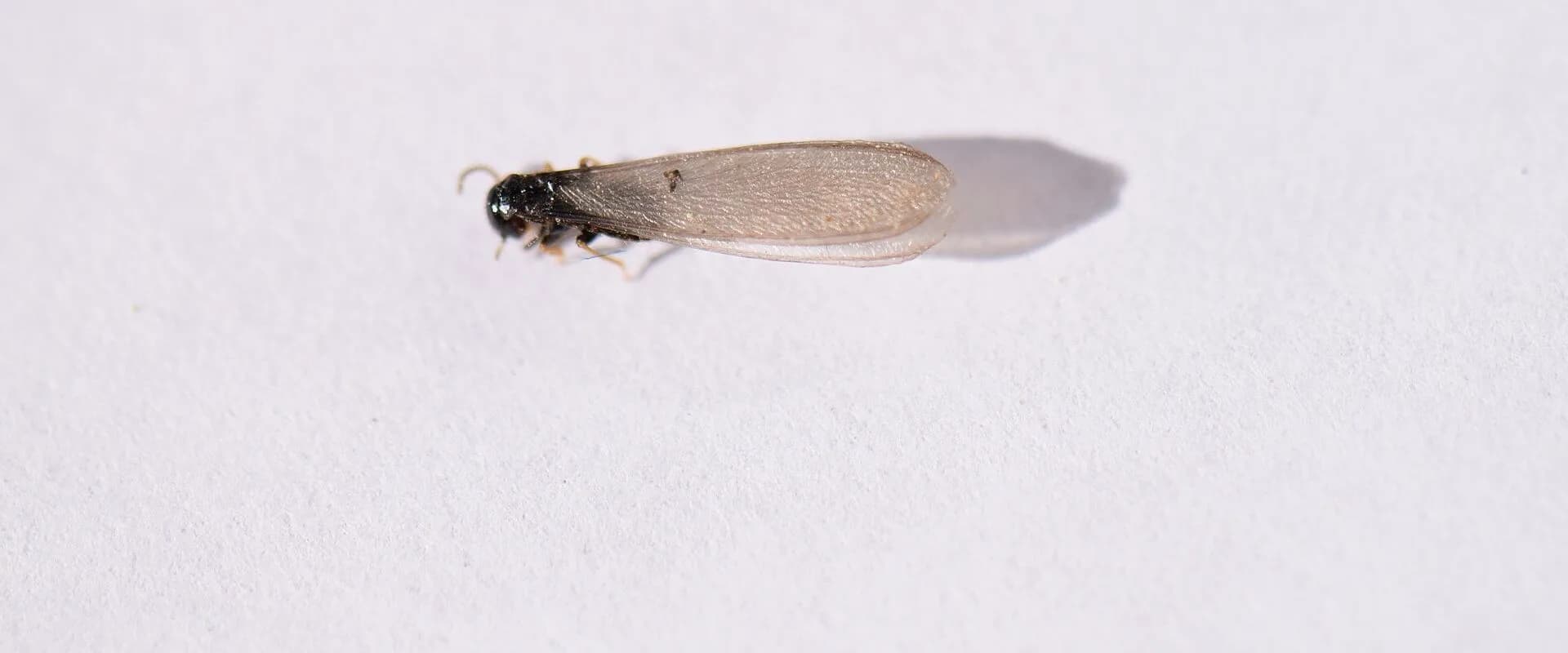
Subterranean Termites
The most common termite in Texas — soil colonies, mud tubes, and hidden wood damage
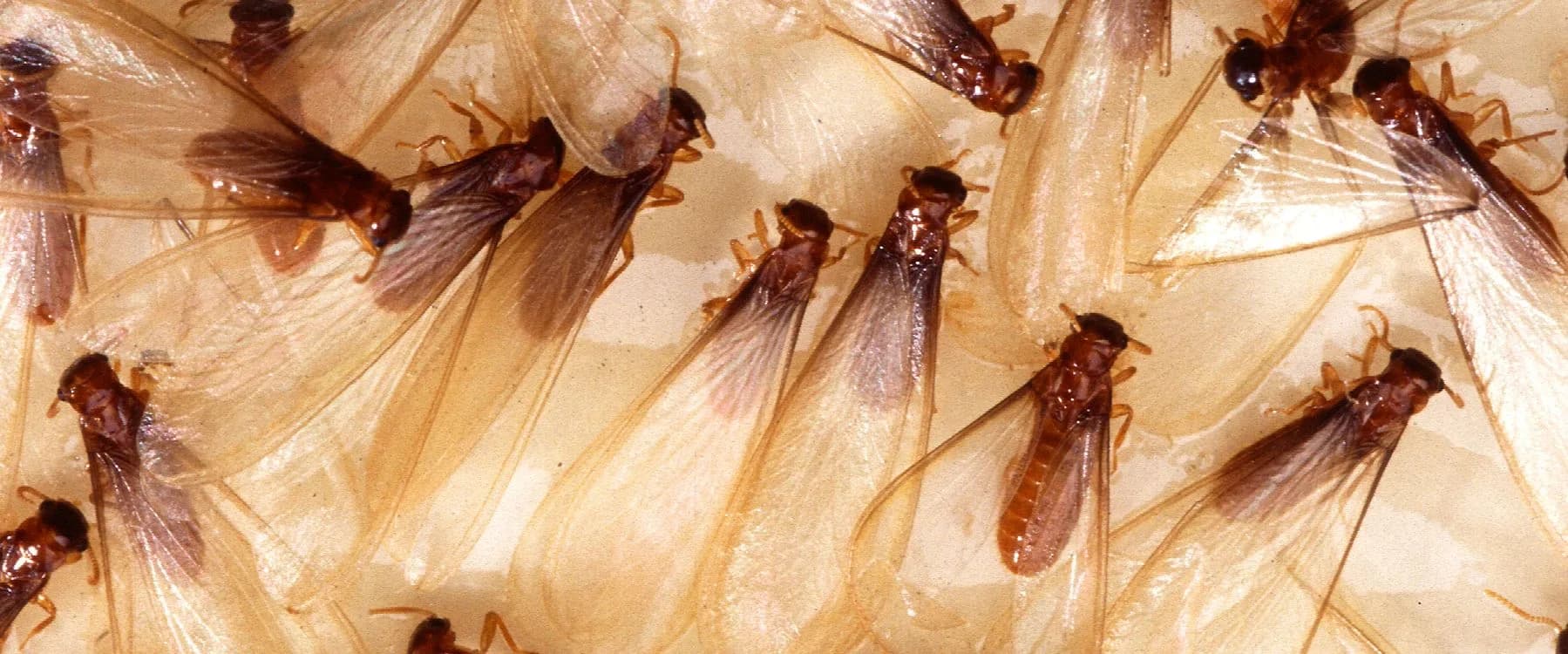
Formosan Termites
The "super termite" — huge colonies and carton nests along the Gulf Coast and Houston
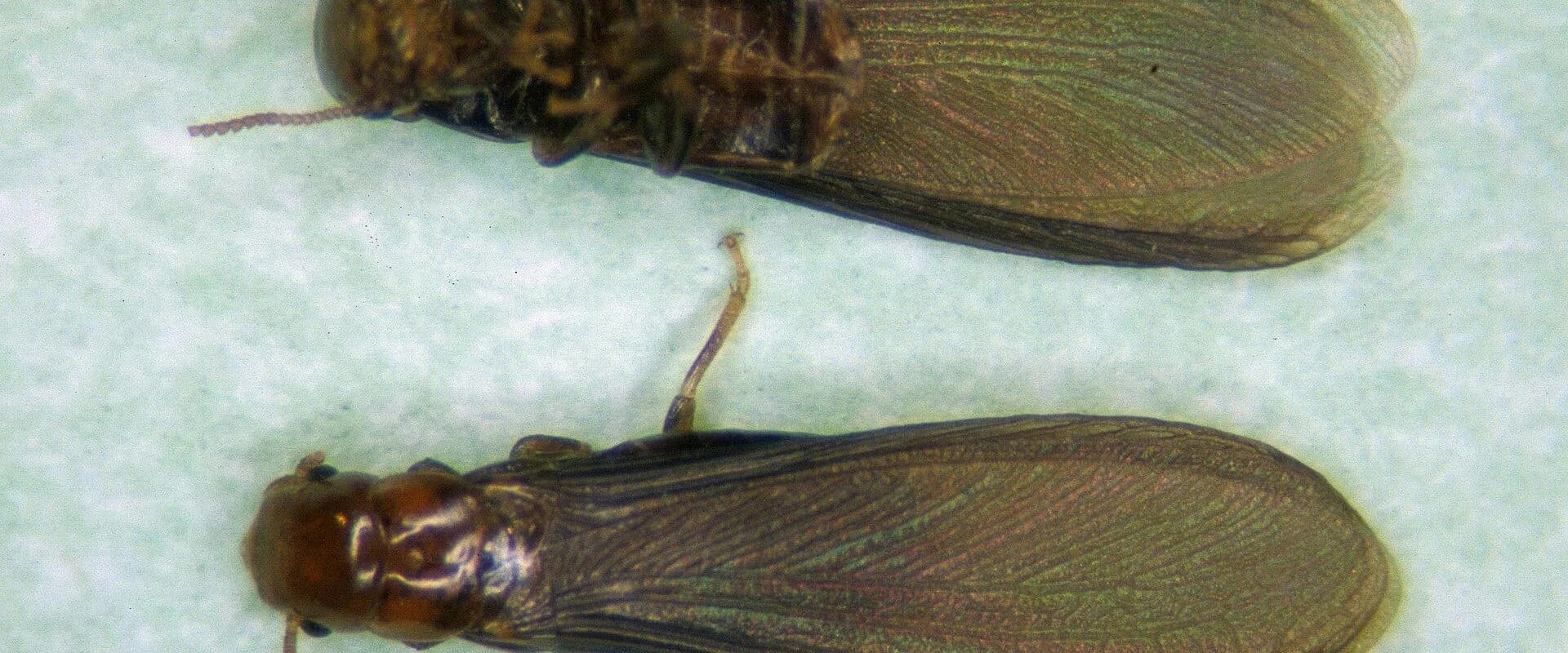
Drywood Termites
No soil contact needed — infests furniture, attics, and framing in South and coastal Texas
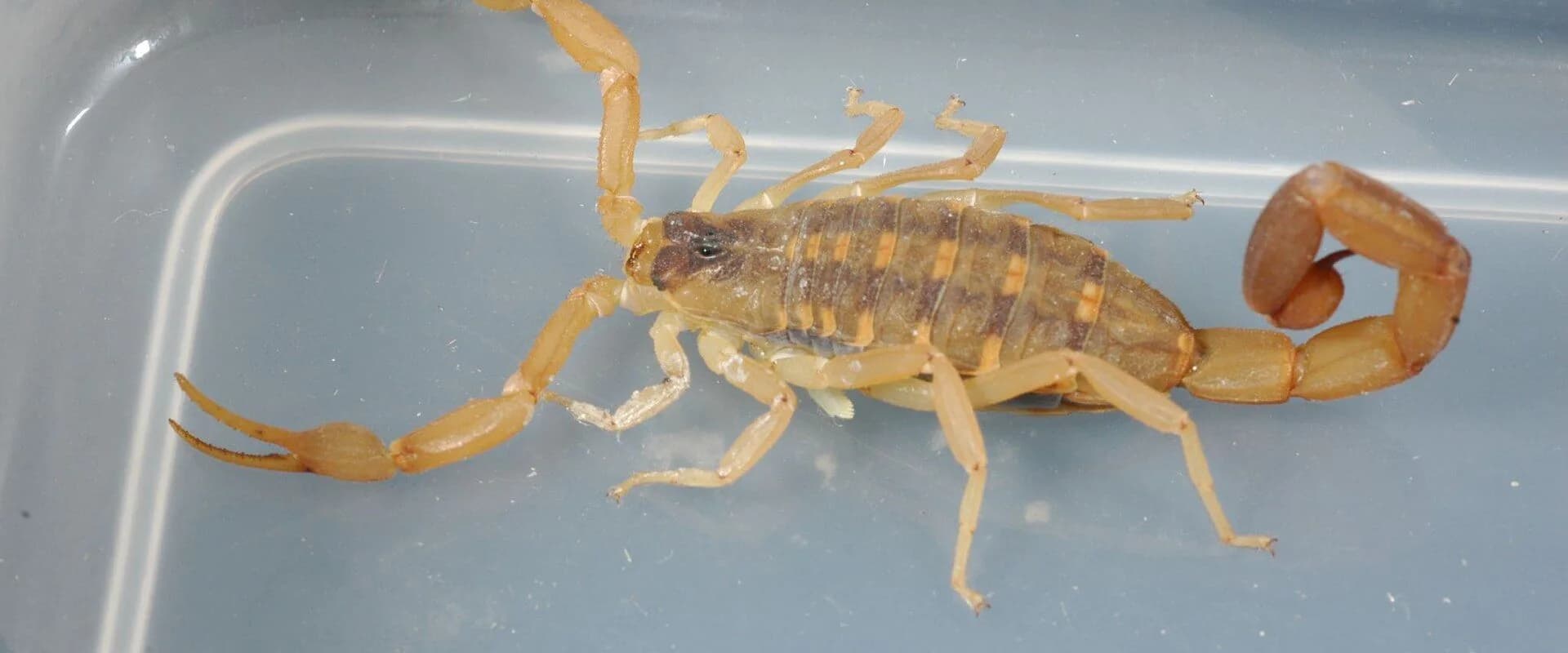
Striped Bark Scorpion
The most common scorpion in Texas — climber, home invader, painful sting
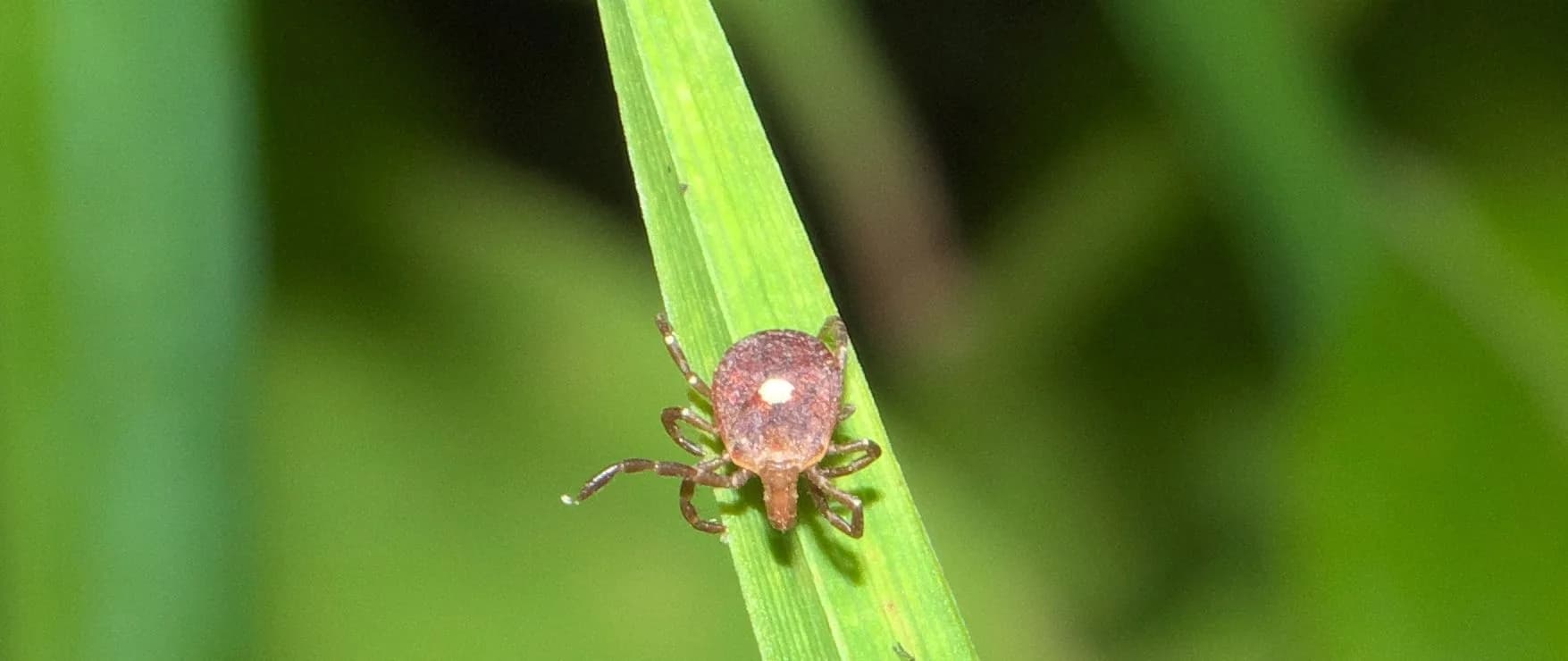
Lone Star Tick
The most common biting tick in Texas — linked to alpha-gal red meat allergy and ehrlichiosis
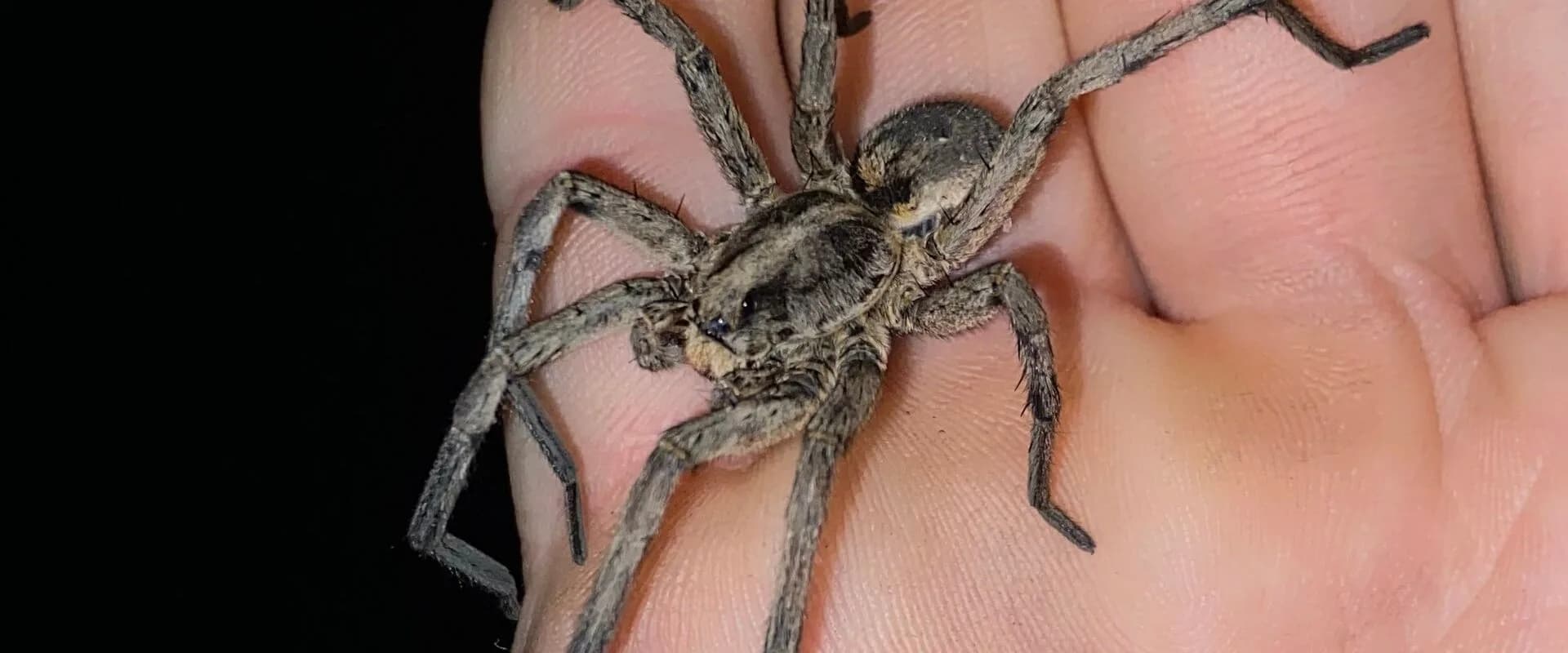
Wolf Spider
Large, hairy hunting spider — often confused with the brown recluse but harmless
Chiggers
Tiny mites behind the worst itching in Texas — spring through fall in grass and brush
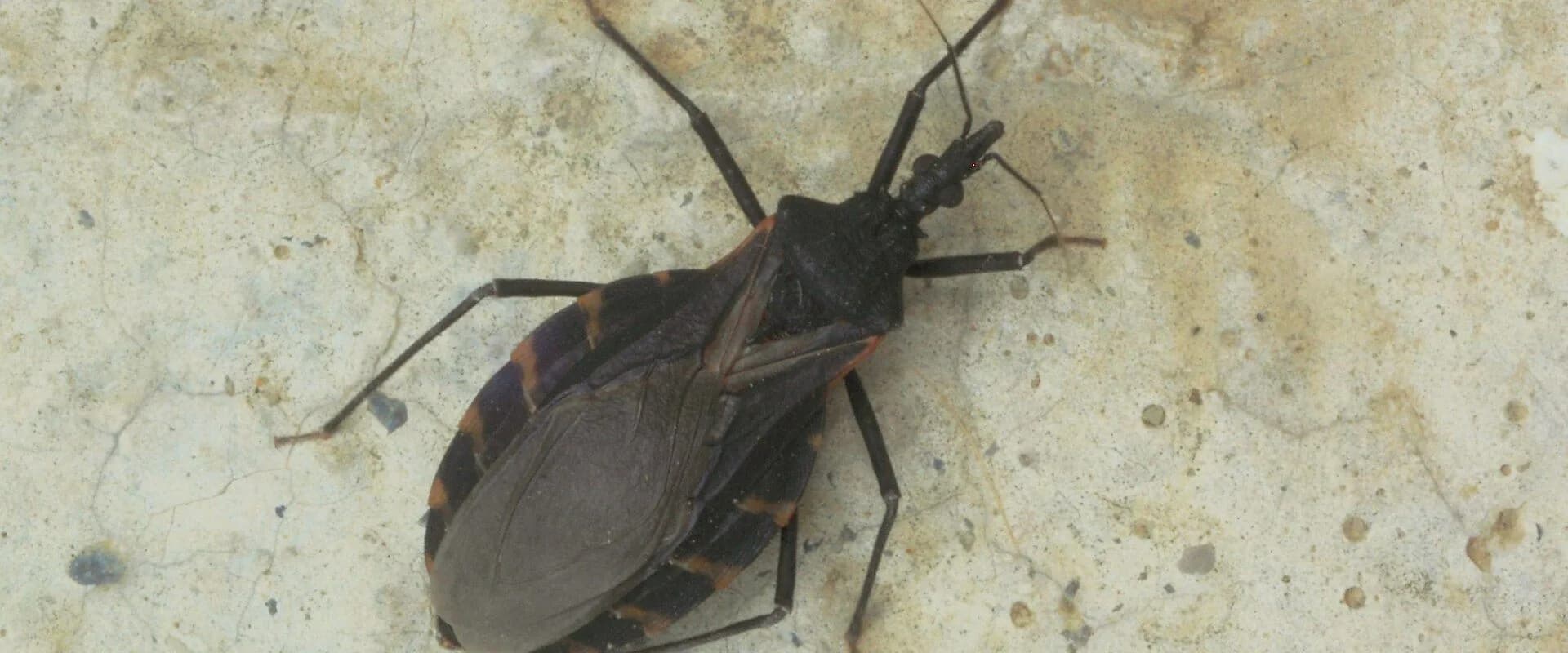
Kissing Bug
Triatomine bugs that can carry Chagas disease — capture and report, don't touch
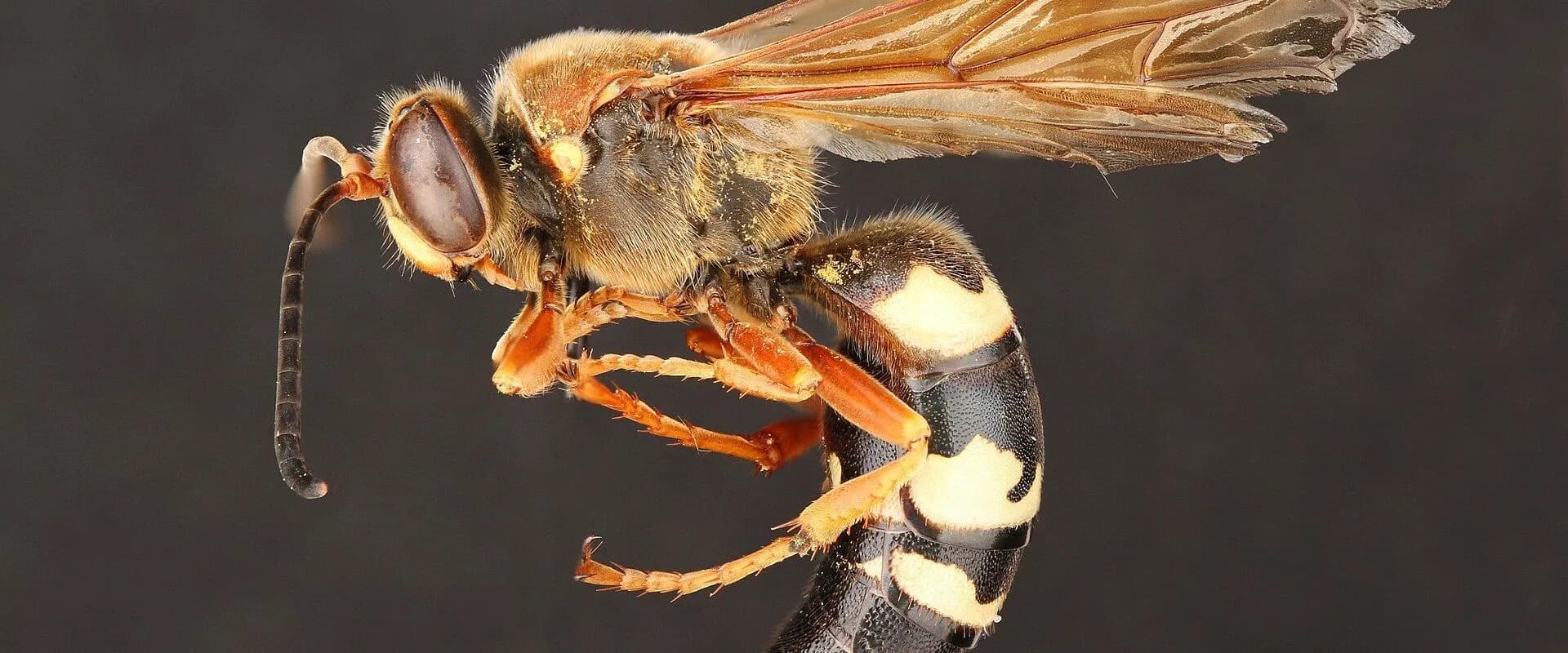
Cicada Killer Wasp
Huge but gentle solitary wasps that dig lawn burrows and hunt cicadas in summer
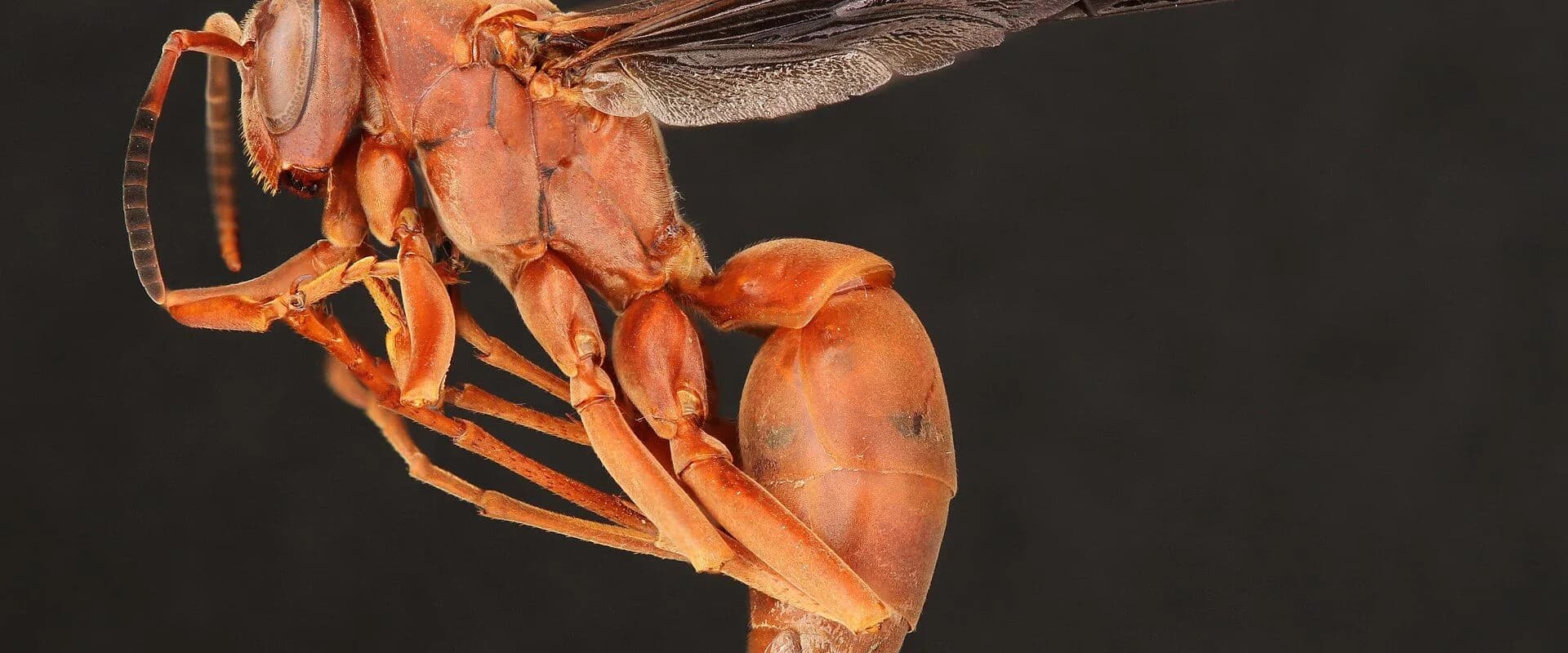
Paper Wasp
Umbrella-shaped nests under eaves and porch ceilings — defensive but manageable
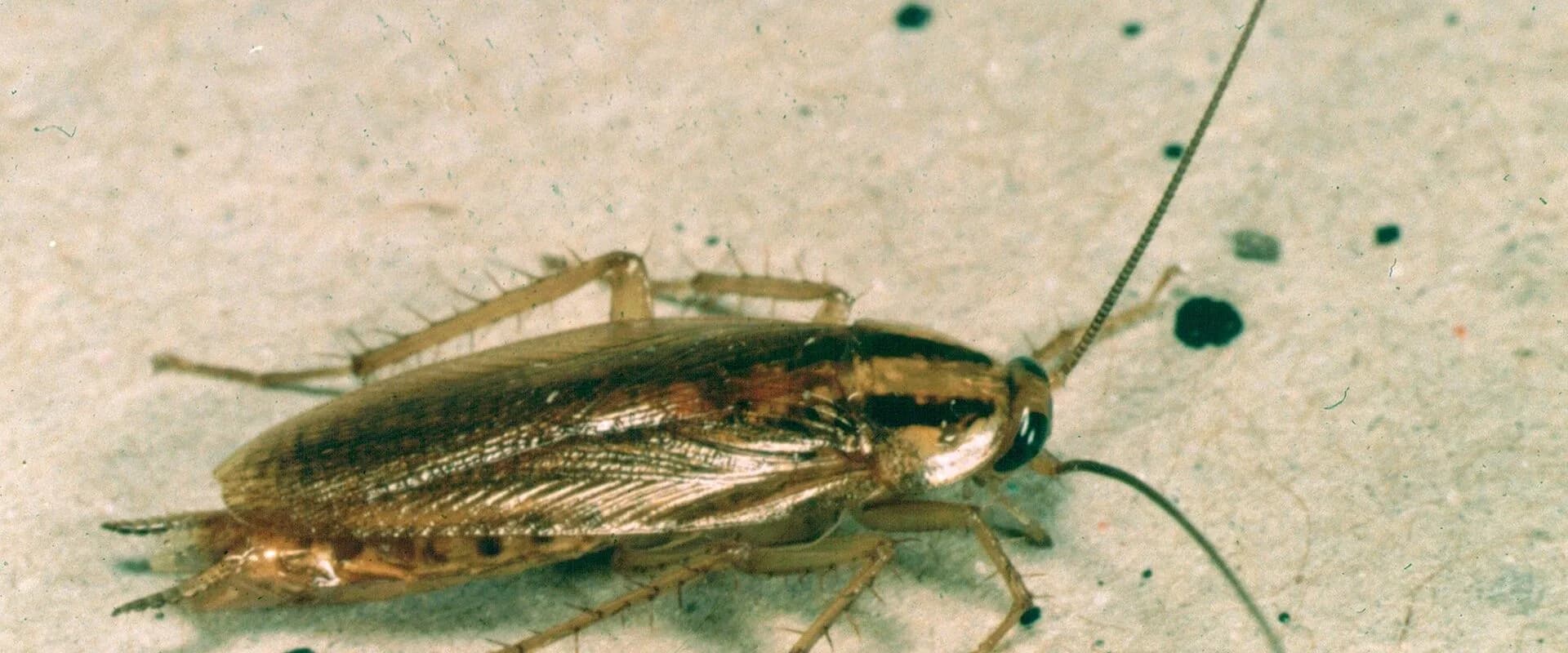
German Cockroach
The small kitchen roach — fastest-breeding indoor cockroach, hardest to eliminate
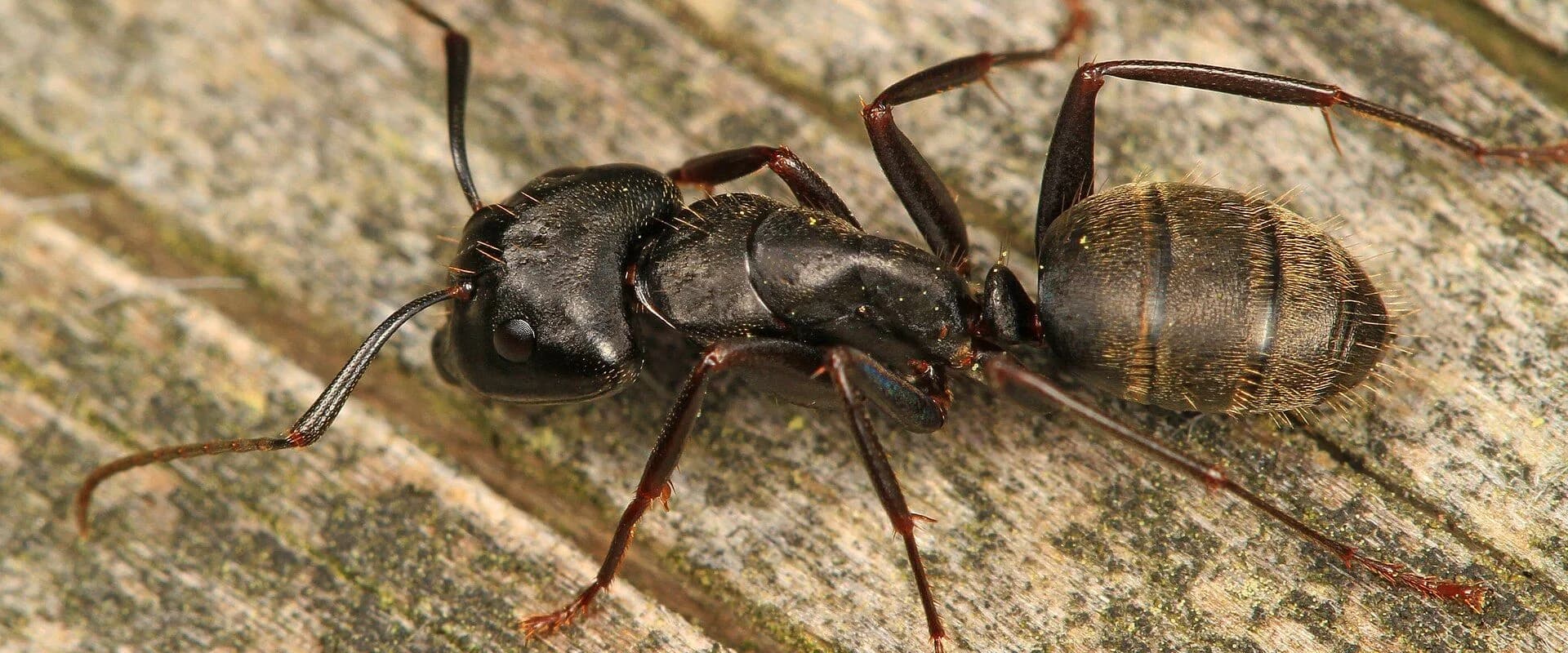
Carpenter Ant
Large black ants that excavate damp wood — sawdust piles and rustling in walls
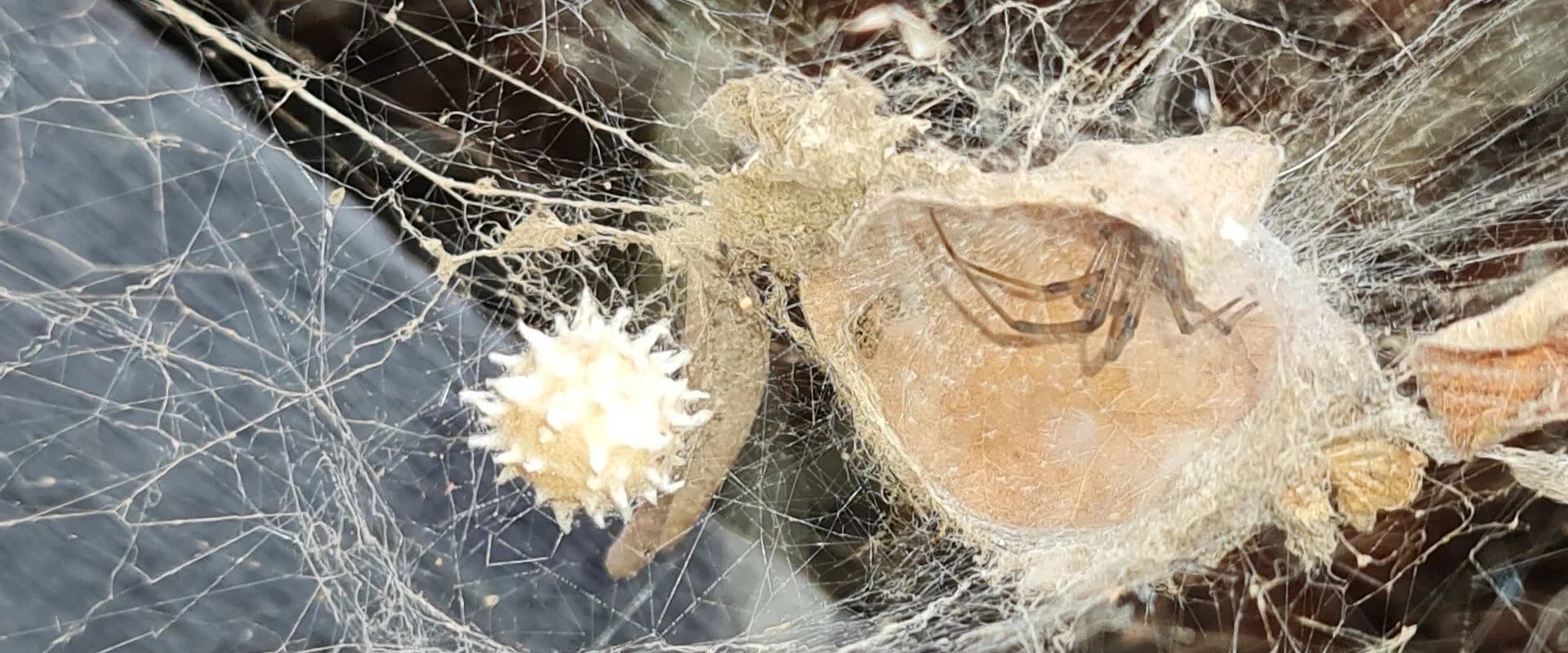
Brown Widow
The black widow's milder cousin — spiky egg sacs, orange hourglass, spreading along the Gulf Coast
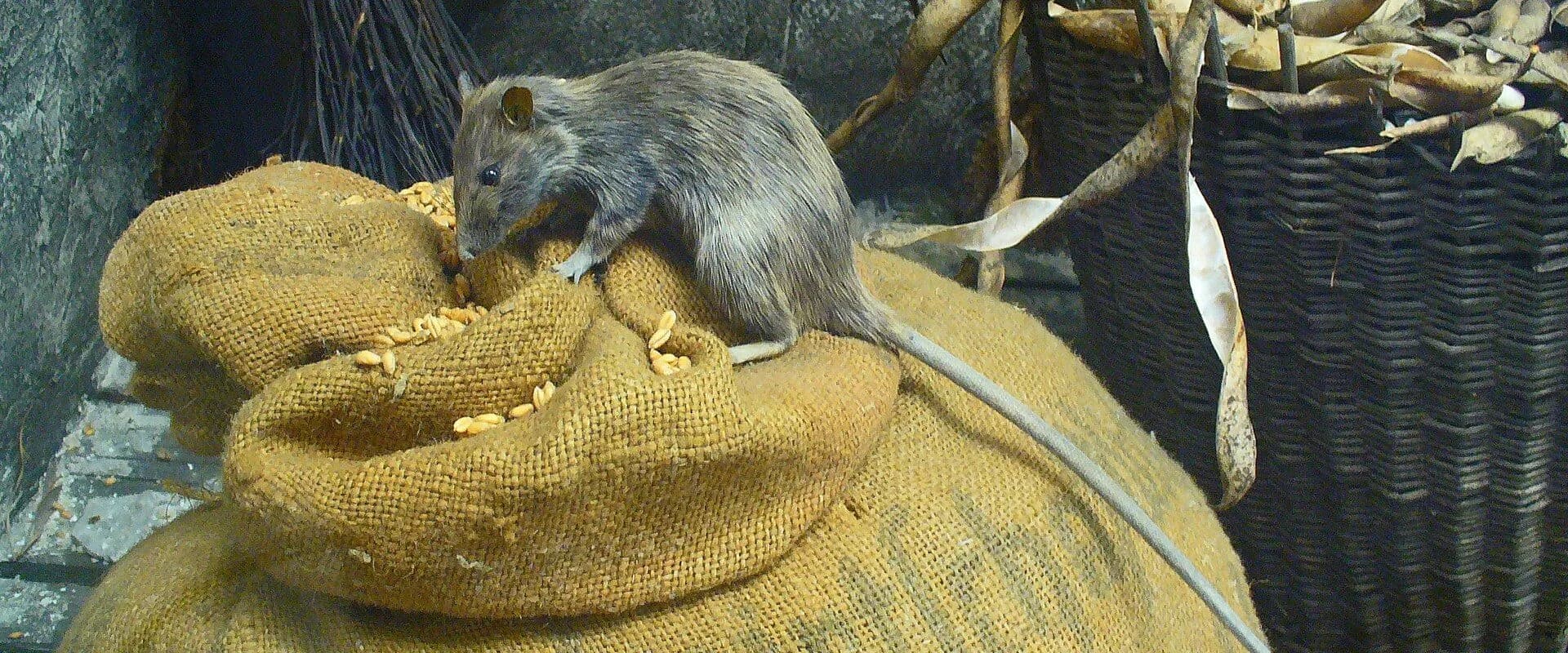
Roof Rat
The attic rat of Texas — sleek climber of trees, power lines, and rooflines
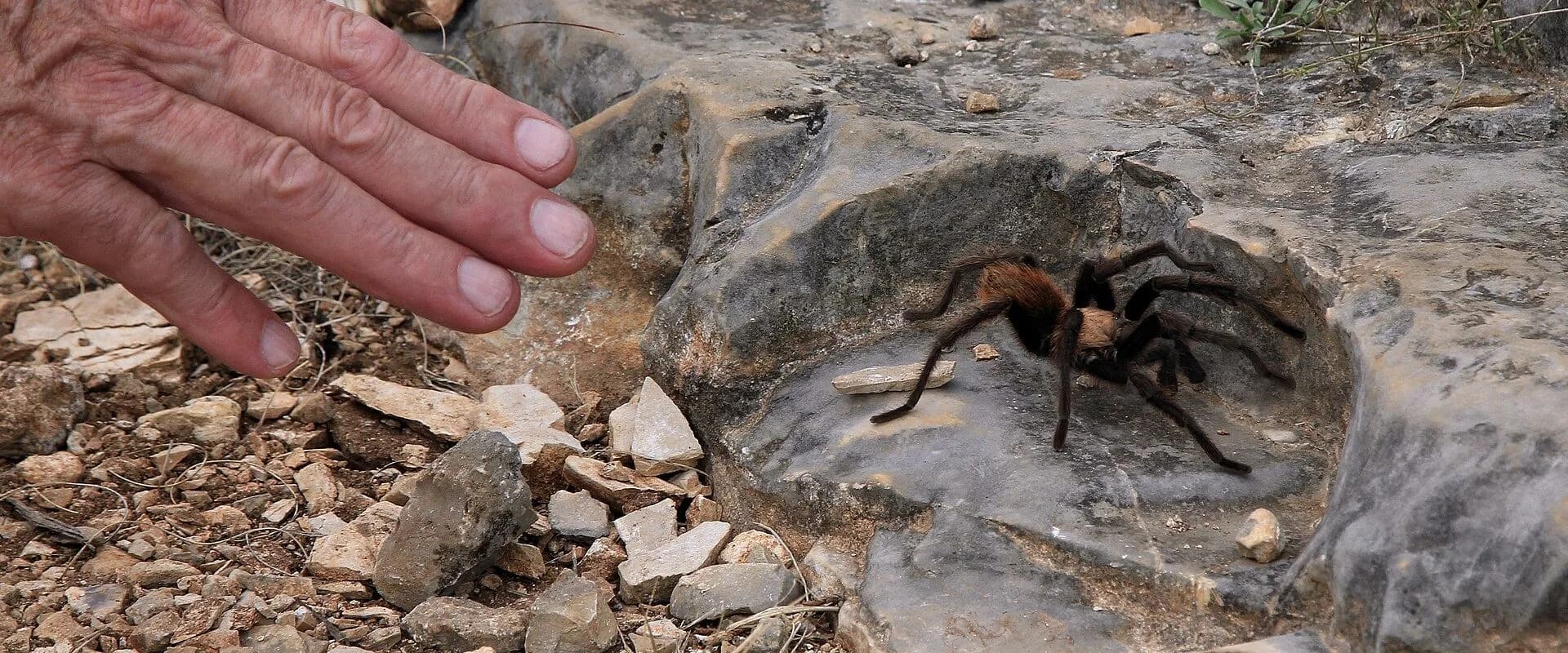
Texas Brown Tarantula
The iconic Texas tarantula — docile, gentle, and best left alone
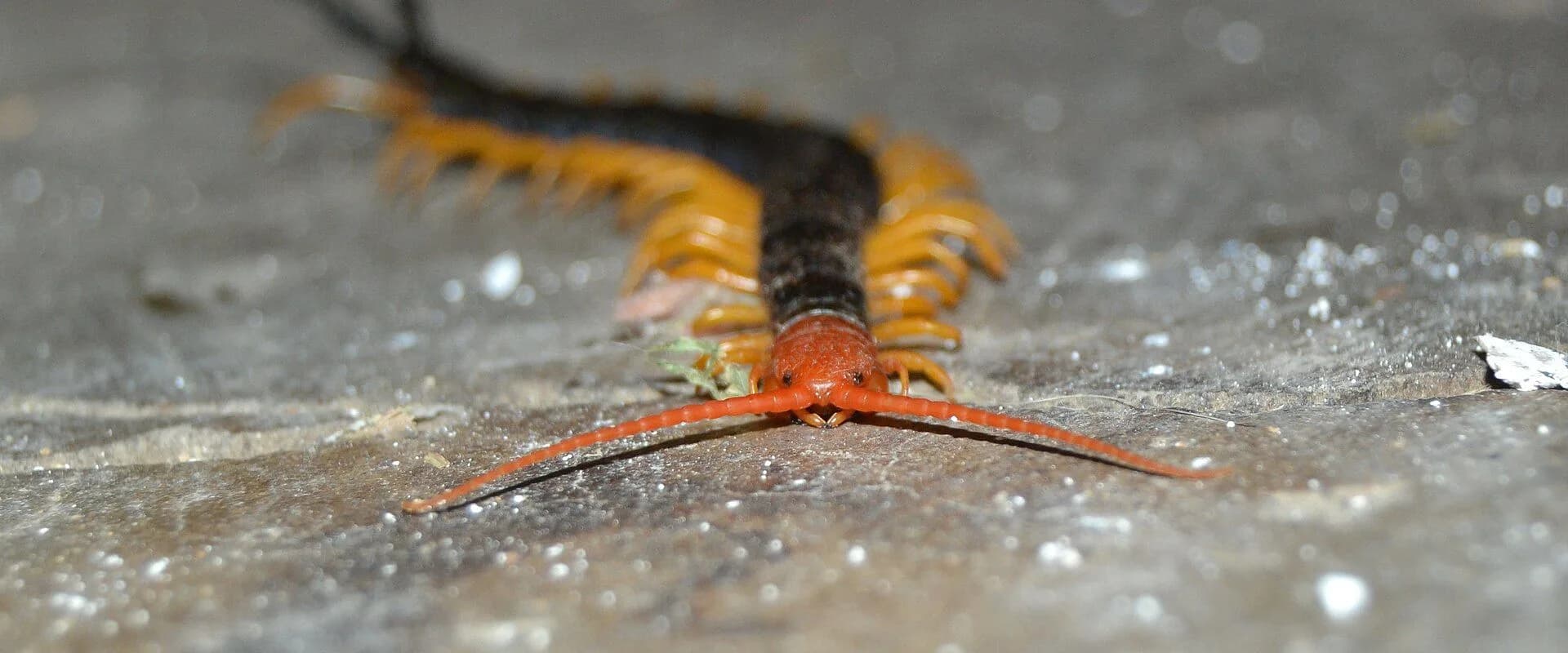
Giant Desert Centipede
Scolopendra heros — up to 8 inches of red-headed, yellow-legged nocturnal hunter
Texas Pest Control Services & Treatments
Professional exterminator services available across Texas
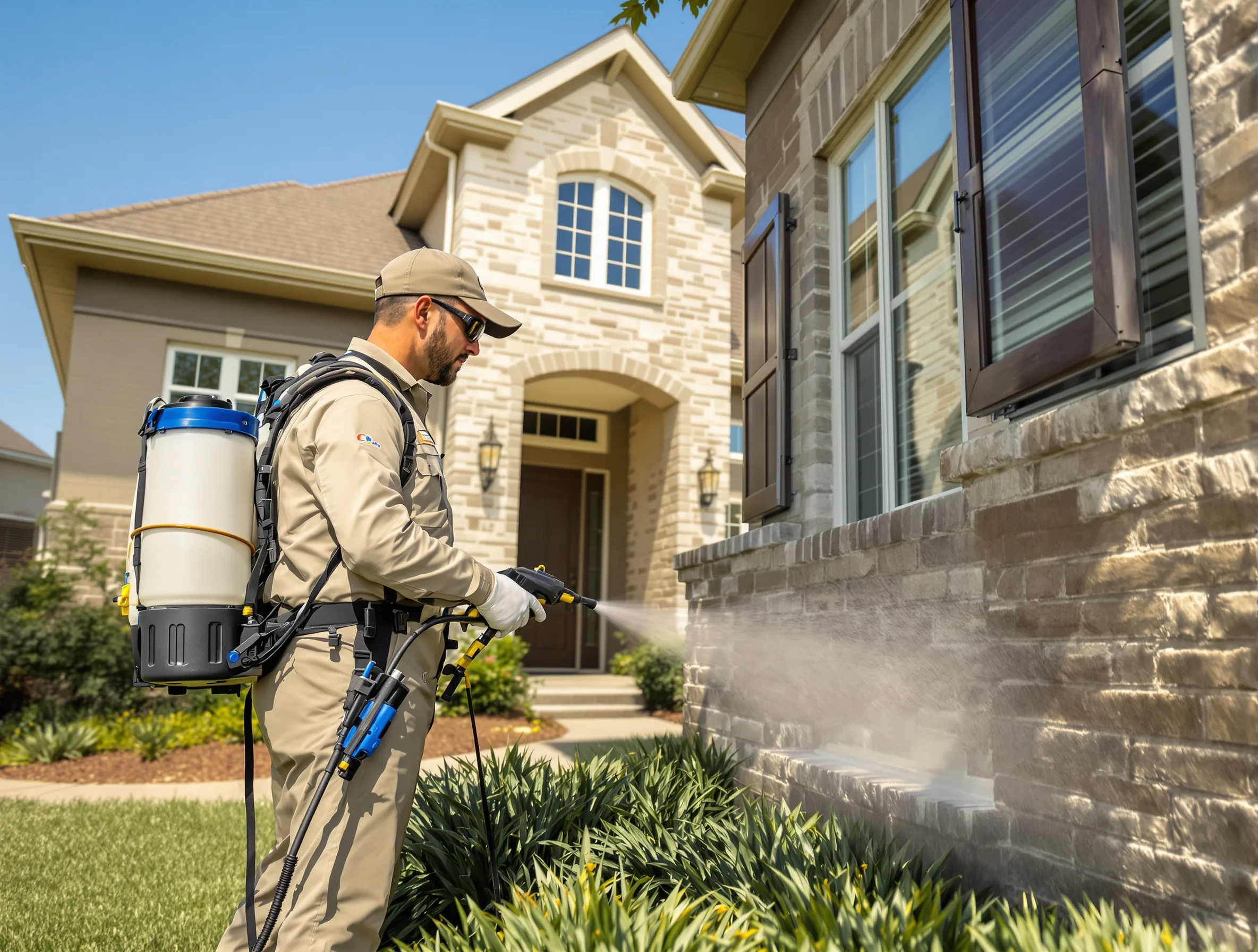
Pest Control
General pest management for common household pests including roaches, ants, spiders, and more
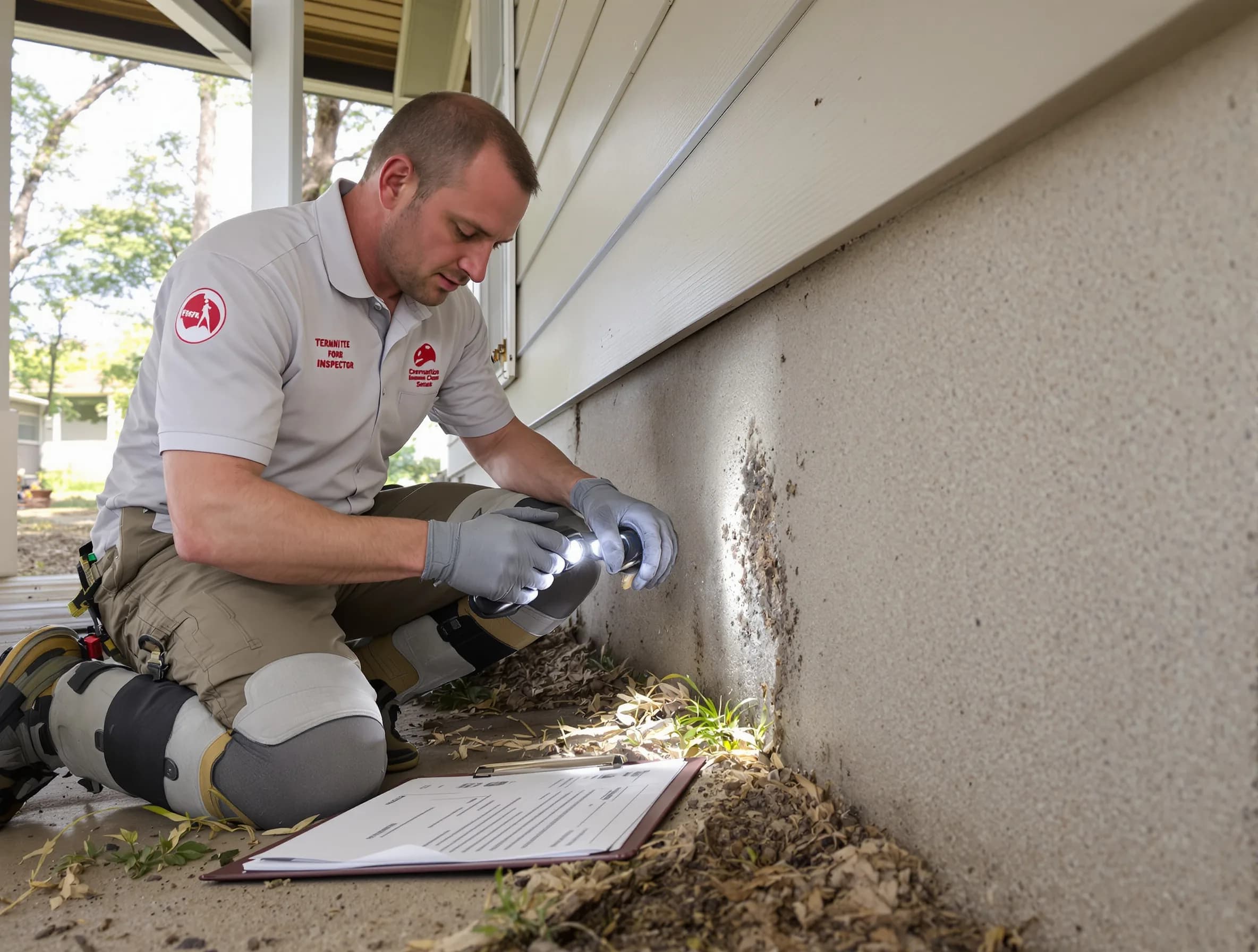
Termite Control
Inspection, treatment, and prevention of subterranean, drywood, and Formosan termites
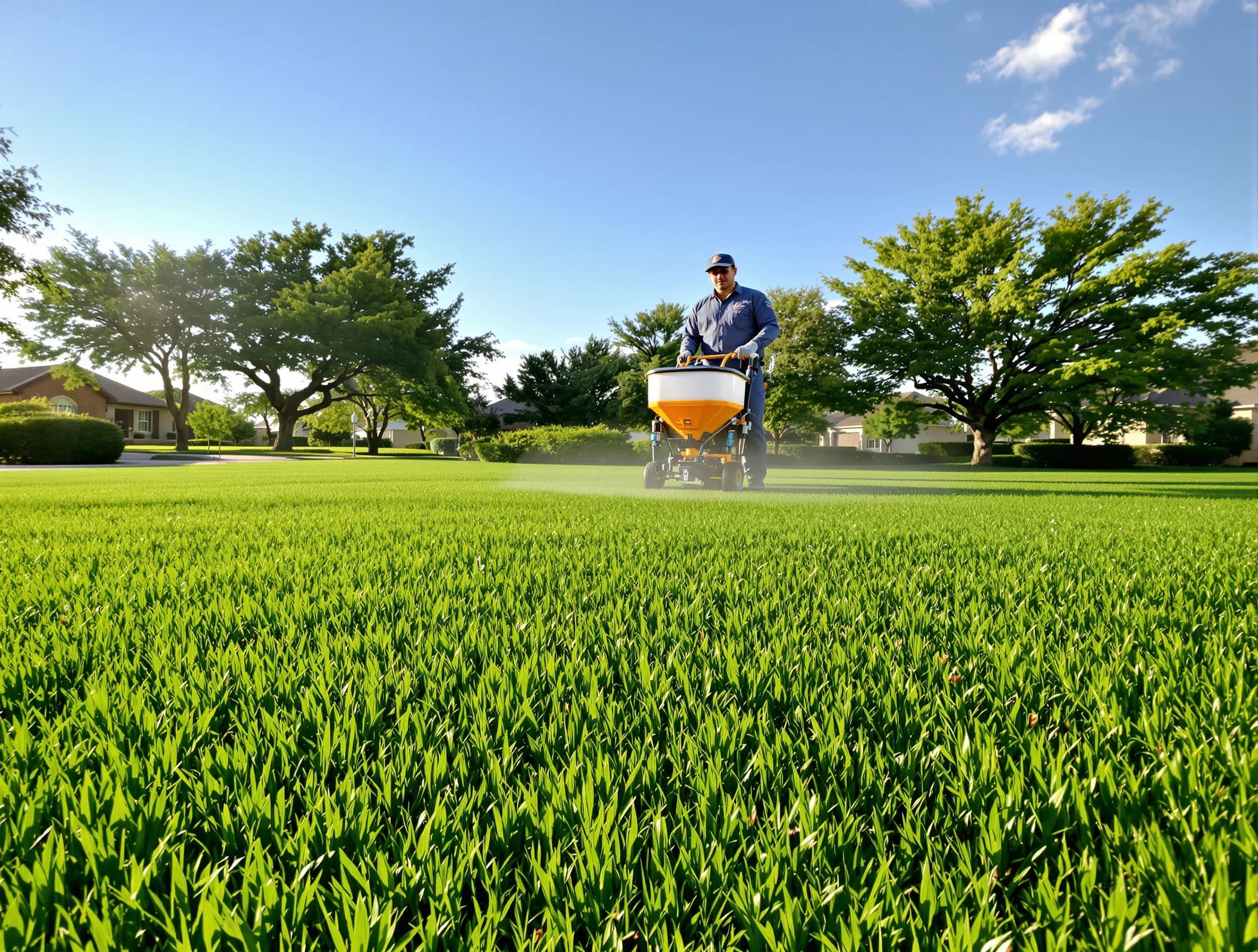
Lawn & Ornamental
Lawn pest control, grub treatment, fire ant yard management, and landscape protection
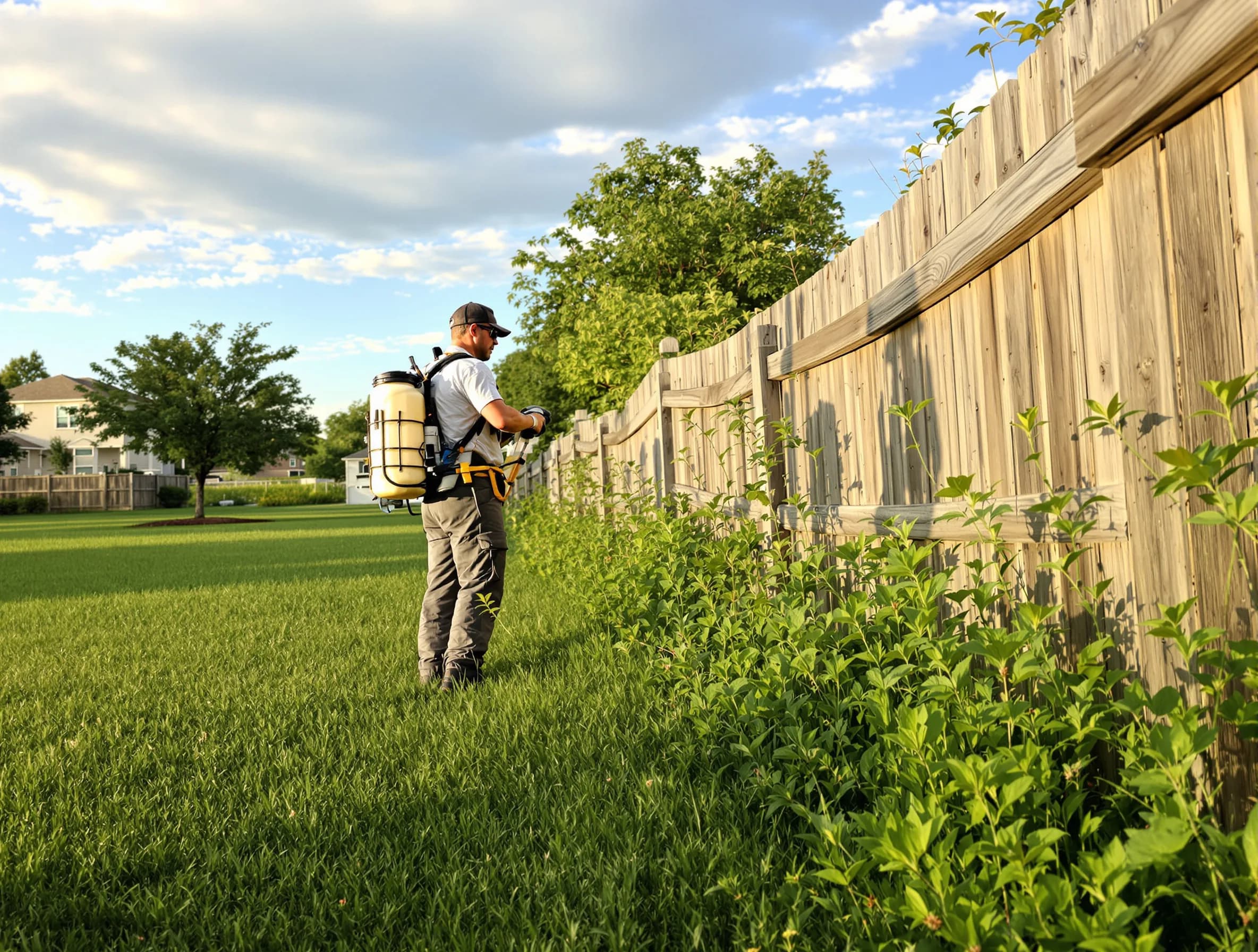
Weed Control
Herbicide treatment of weeds around homes, buildings, rights-of-way, and industrial areas

Structural Fumigation
Whole-structure tenting and fumigation for severe drywood termite and pest infestations
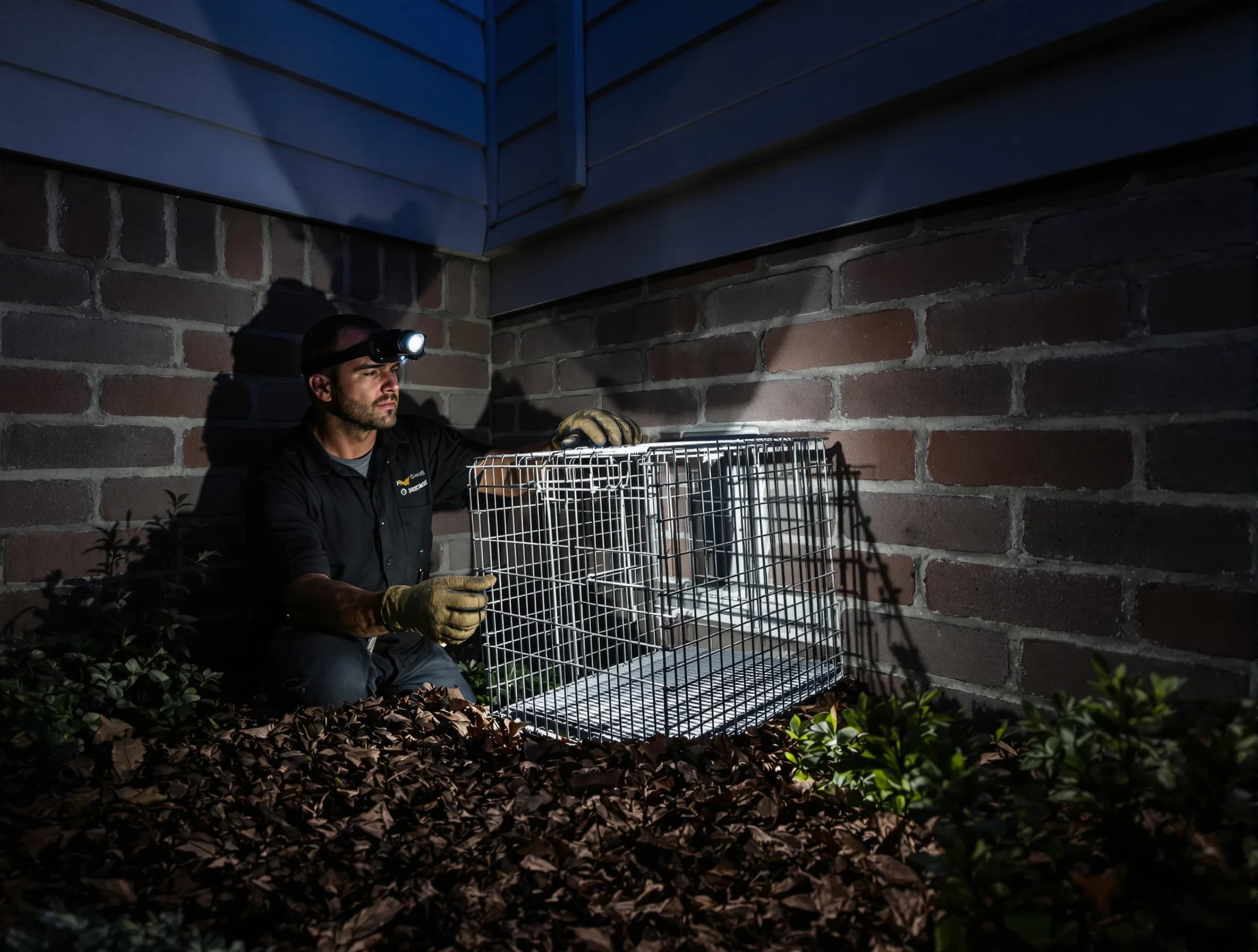
Wildlife Removal
Removal and exclusion of raccoons, opossums, squirrels, skunks, and other nuisance wildlife
Texas is home to one of the largest and most diverse pest control markets in the United States. With 2,188 companies licensed by the Texas Department of Agriculture (TDA), homeowners and businesses across all 171 counties have access to professional exterminators for everything from seasonal ant invasions to severe termite infestations.
Our directory covers all seven TDA license categories — including general pest control, termite treatment, and structural fumigation — as well as the services Texans search for most, like wildlife removal (handled under the Pest Control category) — across major metro areas like Houston, Dallas, San Antonio, and Austin. Whether you're dealing with termites, mosquitoes, or rodents, our free directory helps you compare local providers based on real Google ratings and verified TDA licenses.
Texas's subtropical climate and vast geography create year-round pest pressure across the state. Research from the Texas A&M AgriLife Extension Entomology confirms that integrated pest management (IPM) is the most effective approach for Texas properties. Use our interactive map to find the closest licensed exterminator, or browse companies by city, county, or service type.
Pest Control Companies by Texas Metro
Company counts reflect licensed operators currently active in each metro. Click any city to see the full list, filter by service, and compare ratings:
| Metro | Licensed companies | Typical pest pressure |
|---|---|---|
| Houston | 269 | Subtropical — termites, cockroaches, mosquitoes, rodents; high termite pressure from Formosan and native subterranean species |
| San Antonio | 140 | Hill Country transition — scorpions, fire ants, termites, wasps; UV-detection scorpion programs common |
| Dallas | 128 | North Texas metro — termites, rodents, ants, cockroaches; dense suburban demand |
| Fort Worth | 121 | North Texas — brown recluse, rodents, termites, fire ants; hard-water building stock drives crack and crevice work |
| Austin | 82 | Central Texas Hill Country — scorpions, termites, cockroaches, wildlife in attics |
| McKinney | 66 | North Dallas suburbs — termites, fire ants, spiders, rodents in new construction |
| El Paso | 53 | Chihuahuan Desert — scorpions (incl. striped bark), bark scorpions misidentification, desert rodents |
| Conroe | 49 | Houston metro (Montgomery) — termites, cockroaches, mosquitoes, wildlife |
| Denton | 47 | DFW north — termites, ants, rodents, seasonal wildlife |
| Richmond | 45 | Houston metro (Fort Bend) — termites, mosquitoes, fire ants |
Texas Pest Seasons & What to Expect
Because Texas rarely sees a hard, sustained freeze, most pest activity is continuous rather than strictly seasonal. Each part of the year still has its own dominant threats:
- Spring (March–May): subterranean termite swarms (peak April), carpenter and acrobat ant activity, queen wasps starting new nests under eaves.
- Summer (June–August): peak for mosquitoes, fire ants, scorpions (Hill Country and west Texas), and wasps and hornets.
- Fall (September–November): rodents, cockroaches, and spiders move indoors as nights cool; fire ant mounds become more visible.
- Winter (December–February): silverfish, overwintering spiders and wasp queens in attics, and rodents in wall voids and garages.
How Much Does Pest Control Cost in Texas?
Pricing varies by service type, home size, and local market. These are the typical ranges we see across Texas metros in 2025–2026 — use them as a baseline when comparing quotes:
- General pest control: $200 – $400 initial, $40 – $100 per monthly or bi-monthly visit, or roughly $300 – $600 per year on a quarterly plan.
- Termite treatment: $800 – $3,000 (liquid barrier), $1,200 – $2,500 (bait system), or $1,500 – $5,000 for structural fumigation of a whole home.
- Bed bug heat treatment: $1,000 – $3,500 for a single-family home; lower for apartments.
- Wildlife removal (raccoons, squirrels, opossums, rats in the attic): $200 – $700 per service call, plus exclusion work.
- Wasp or hornet nest removal: $100 – $400, more if the nest is inside a wall void.
- Scorpion control program: $200 – $400 initial, $75 – $150 per monthly maintenance visit during peak season.
Before signing a contract, verify that the company's TPCL license number matches the TDA Structural Pest Control Service registry (or the license listed on their page here), confirm whether re-treatments are included in the quoted price, and ask if they use integrated pest management rather than calendar-only spraying. The U.S. EPA's guidance on IPM principles is a useful yardstick when evaluating a company's approach.
How to Choose a Pest Control Company in Texas
- Verify the TPCL license. Ask for the company's Texas Structural Pest Control Business License number. Cross-check it against the TDA / TDLR database — this is the single most important trust signal in Texas.
- Check recent Google reviews (last 12 months). Volume matters, but recency matters more — a company with 100 reviews averaging 4.8 over the past year beats 500 reviews averaging 4.0 from five years ago.
- Confirm the specific service you need. Not every licensed operator offers termite baiting, wildlife exclusion, or structural fumigation. Match the company's licensed categories to your actual problem.
- Get 2–3 quotes and compare inclusions. "$99 pest control" often excludes termites, bed bugs, wildlife, and follow-up treatments. Ask what is guaranteed and for how long.
- Prefer operators using IPM. Integrated pest management combines inspection, exclusion, habitat modification, and targeted chemistry — far more durable than calendar-only spraying.
- Ask about pet and child safety. A competent Texas pro can describe exactly which products they'll use, re-entry intervals, and any EPA signal-word warnings on the label.
Why Use Texas Bug Slayers?
Licensed & Verified
All companies verified through the Texas Department of Agriculture. Every license number checked.
Real Google Reviews
Ratings from actual Google customers, not paid endorsements. Honest, unfiltered feedback.
Always Free
Compare companies, read reviews, find the best fit — completely free, no strings attached.