

Norway Rats in Texas — Complete Guide
Stocky burrowing rat of basements, sewers, and foundations — larger than the roof rat
Not sure it's a Norway Rat?
Snap a photo — our free AI tool identifies Texas pests in seconds.
Quick facts — Norway rat in Texas
- Species: Norway rat (Rattus norvegicus) — also called brown rat or sewer rat
- Build: stocky and heavy, 7 to 10 inches of body plus a tail shorter than the body
- Where they live: ground burrows along foundations, under slabs and sheds, sewers, basements, and older urban cores
- Texas pattern: less common statewide than the roof rat — concentrated in older cities, industrial areas, and commercial districts
- Risks: leptospirosis, salmonella, rat-bite fever; gnawing fires; burrows that undermine slabs and sidewalks
- Entry gap needed: just 1/2 inch — about the diameter of a quarter
About the Norway Rat in Texas
The Norway rat (Rattus norvegicus) is the largest commensal rat in Texas — a heavy, ground-dwelling burrower that lives alongside humans in sewers, basements, and foundations. In Texas it plays second fiddle to the roof rat, which dominates the state's suburbs, but Norway rats are firmly established in the older urban cores of Houston, Dallas, Fort Worth, and San Antonio, around ports and industrial corridors, and beneath commercial buildings statewide. When a Texas homeowner reports rats digging under a shed, burrowing along the foundation, or activity in a basement or crawl space, the Norway rat is the prime suspect.
For the full picture of both rat species and general control strategy, see our Texas rat control guide and the rodent control guide. This page focuses on what makes the Norway rat different.
Identifying a Norway Rat
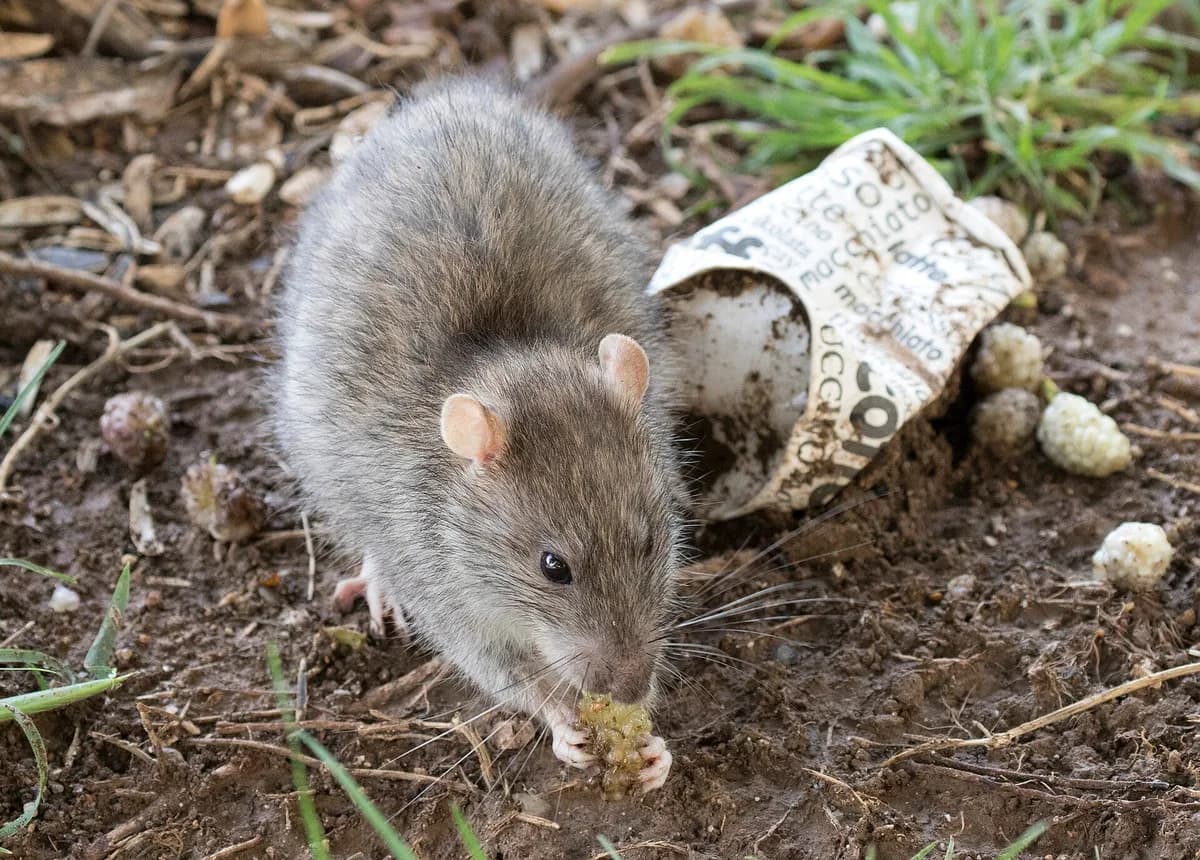
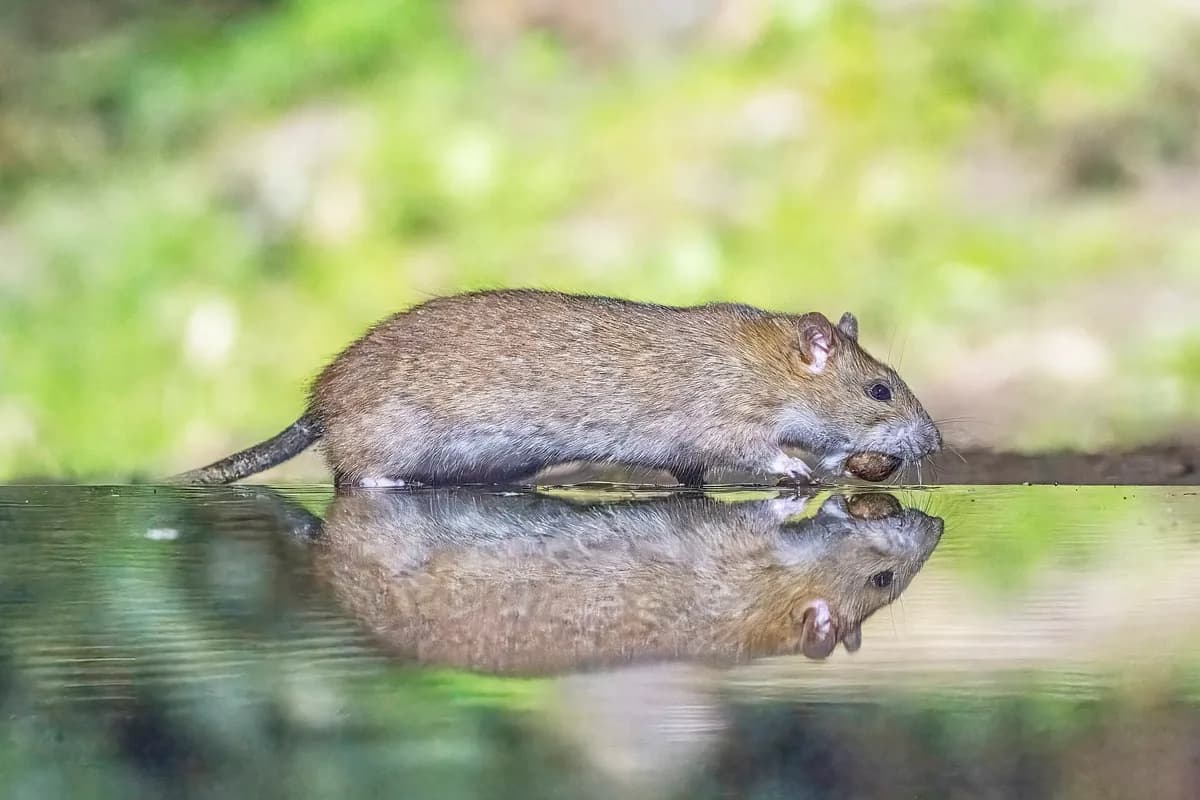
Norway rats are built like tanks compared to other Texas rats:
- Body: thick, heavy, and blunt — 7 to 10 inches long, weighing up to a pound. Coarse brownish-gray fur, paler on the belly.
- Snout: blunt and rounded, not pointed.
- Ears: small relative to the head — folded forward, they do not reach the eyes.
- Tail: shorter than the head and body combined, scaly, and darker on top than underneath.
- Droppings: large (3/4 inch), capsule-shaped with blunt ends, usually found in groups near feeding areas and burrow entrances.
Norway Rat vs Roof Rat
Telling the two apart determines the entire control strategy — traps and exclusion go in different places for each species:
| Feature | Norway rat | Roof rat |
|---|---|---|
| Build | Stocky, heavy — 7–10 in body | Sleek, slender — 6–8 in body |
| Snout | Blunt | Pointed |
| Ears | Small — don't reach the eyes | Large — reach past the eyes |
| Tail | Shorter than head + body | Longer than head + body |
| Droppings | Large, blunt ends | Smaller, pointed ends |
| Nests | Ground burrows, basements, sewers | Attics, rooflines, trees |
| In Texas | Older urban cores, industrial areas | Everywhere — suburbs, coast, metros |
Where Norway Rats Live in Texas
Norway rats are burrowers. A colony digs a system of tunnels 12 to 18 inches deep with two or three concealed exits, always close to food, water, and cover. Around Texas properties the classic burrow sites are along foundation walls, under concrete slabs and AC pads, beneath sheds and decks, in overgrown flower beds, and along fence lines and railroad rights-of-way. In cities they infest sewer systems and move between the sewer and buildings through breaks in drain lines — one reason rat activity in old commercial districts persists for decades.
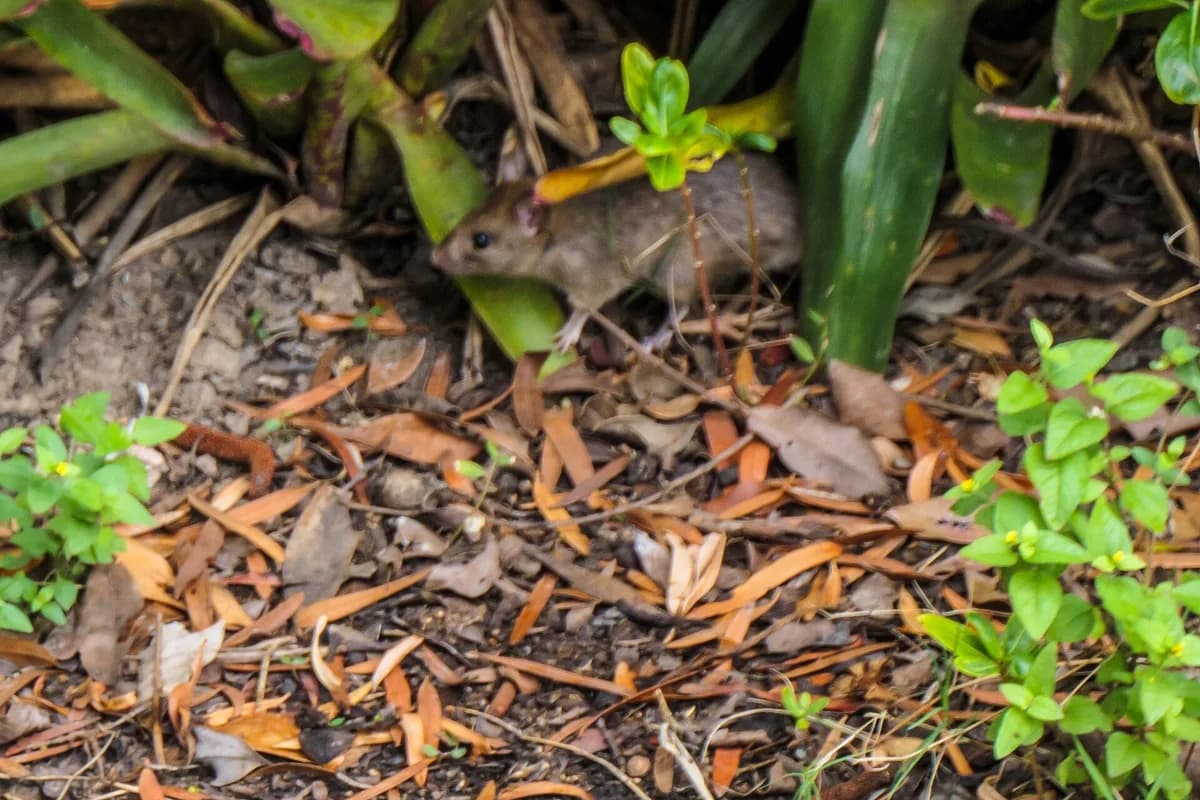
Indoors, Norway rats stay low: basements, crawl spaces, ground-floor utility rooms, and garages. Unlike roof rats, they are poor climbers and rarely reach attics. Burrow holes 2 to 4 inches wide with freshly dug soil, greasy rub marks along foundation walls, and blunt-ended droppings are the field signs to look for.
Damage and Disease Risks
Norway rats are a serious health and property hazard. They spread leptospirosis through urine contaminating soil and standing water (a risk to people and dogs), salmonellosis through contaminated food and surfaces, and rat-bite fever through bites and scratches. Their constant gnawing — required to keep ever-growing incisors in check — damages electrical wiring (a recognized cause of house fires), PVC and copper plumbing, and HVAC lines.
The damage pattern unique to Norway rats is structural: sustained burrowing undermines concrete slabs, sidewalks, driveways, and foundations, causing settling and cracks that cost far more to repair than the rat problem itself. Large outdoor colonies also devastate poultry feed storage, gardens, and stored pet food.
Norway Rat Prevention Tips
- Seal every ground-level gap 1/2 inch and larger with rat-proof materials — hardware cloth, metal flashing, and mortar; rats chew through foam and wood.
- Store pet food, bird seed, and livestock feed in sealed metal containers; bring pet bowls in at night.
- Eliminate water sources: fix dripping hose bibs, AC condensate lines, and irrigation leaks.
- Clear dense ground cover, ivy, and debris piles from the foundation — they shelter burrows and runways.
- Keep garbage in tight-lidded cans and clean dumpsters and grease areas behind commercial kitchens.
- Elevate stored materials and firewood at least 12 inches off the ground and away from walls.
- Collapse inactive burrows and monitor for re-digging — an open, maintained burrow is an active one.
Norway Rat Control in Texas
Effective Norway rat control is a three-part program: eliminate food and water, trap the rats inside, and exclude new ones. Professionals place tamper-resistant bait stations along exterior runways and at burrow entrances, trap interior rats with pre-baited snap traps (rats are neophobic — they avoid new objects for days, so pre-baiting matters), treat active burrows directly, and then rodent-proof the structure. Indoor poison bait is avoided: a rat dying in a wall void creates weeks of odor.
Initial inspection and trapping typically runs $200 to $400, full exclusion $500 to $2,000, and ongoing exterior bait station monitoring $30 to $60 per month. For the complete strategy, see our rat control guide and rodent control guide, or browse licensed rat control companies in your area below.
Licensed Texas Companies
2027 companies offering pest control
2,027 companies
Romex Pest & Termite Control
Urbanex Pest Control
A-Action Home Inspection Houston
Forterra Pest Control
EnviroCon Pest Control
X Out Pest Services
Adams Exterminating

Innovative Pest Control
Cerv Property Solutions San Antonio
Ace Pest Control
Integrity Pest and Termite
The CanMan
Bill Clark Pest Control, Inc.

Bug Blasters Pest Control

Pest Solutions of North Texas

Pinnacle Pest Defense
BugMan Pest Control & Termite Control
Justice Pest Services
Frequently Asked Questions
Best Professional Treatment
General pest management for common household pests including roaches, ants, spiders, and more
Find Local Exterminators for Norway Rat Near You
Use our interactive map to find licensed norway rat control companies near your Texas location.
Find Licensed Companies by Texas City
Licensed norway rat control companies in major Texas cities