
Rodent Control in Texas — Complete Guide
Mice and rats seeking shelter, contaminate food and gnaw wiring
Not sure it's a Rodents?
Snap a photo — our free AI tool identifies Texas pests in seconds.
Types of Rodents in Texas
Three rodent species are responsible for the vast majority of residential and commercial infestations across Texas:
- Roof rats (Rattus rattus) are the most common rat species in Texas, particularly in the Gulf Coast region, Houston, Dallas, Austin, and San Antonio. They are sleek, dark brown to black, with a long tail that exceeds their body length. Excellent climbers, they nest in attics, roof spaces, trees, and dense vegetation. Roof rats are 6 to 8 inches long with tails adding another 7 to 10 inches.
- Norway rats (Rattus norvegicus) are larger and stockier than roof rats, with brownish-gray fur and shorter tails. They prefer ground-level habitats such as burrows along foundations, beneath concrete slabs, in sewers, and in basements. Norway rats are less common in Texas than roof rats but are found in older urban areas and commercial districts.
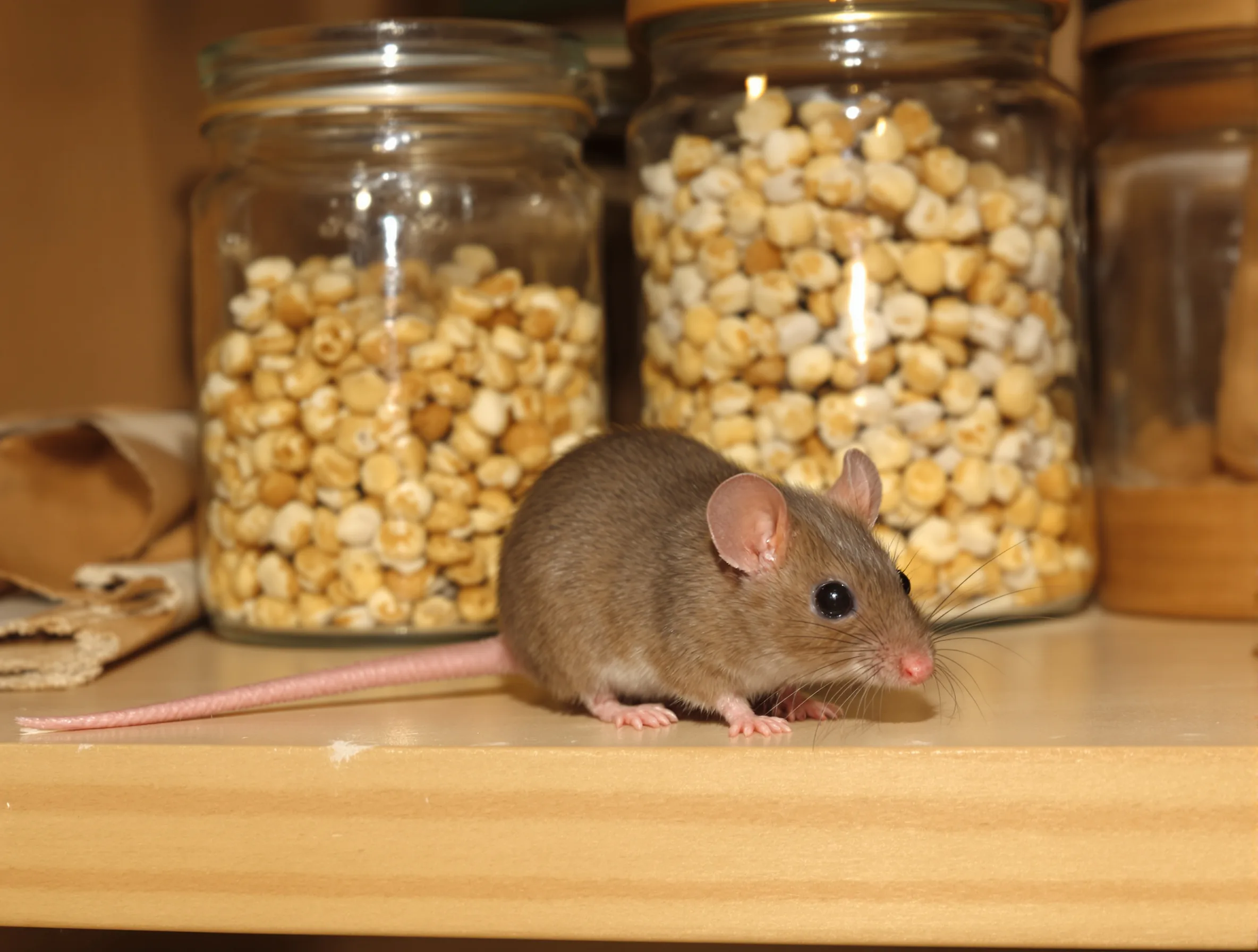
- House mice (Mus musculus) are small (2.5 to 3.5 inches), gray-brown rodents with large ears and small eyes. They are the most common rodent to invade Texas homes. Extremely prolific breeders, a single pair can produce 5 to 10 litters per year with 5 to 6 pups each. House mice are curious and explore constantly, contaminating far more food than they consume.
Mice vs Rats — Which One Is in Your Home?
Correct identification matters because mice and rats behave differently, nest in different areas, and require different trapping strategies. Mice are small and curious — they explore new objects and are easier to trap, but breed far faster. Rats are larger and neophobic — they avoid new objects, so traps must be placed along established runways and may take days to work. Droppings are the fastest way to tell them apart: mouse droppings are rice-sized, rat droppings are olive-sized.
Dealing with a mouse problem? See our dedicated mice control guide for house mouse identification, trapping, and exclusion. Hearing heavy activity in the attic or finding large droppings? Our rat control guide covers roof rats and Norway rats in detail.
How Rodents Enter Your Home
Rodents exploit incredibly small openings to enter structures. House mice can squeeze through a gap as small as 1/4 inch — roughly the diameter of a pencil. Rats need a slightly larger opening of about 1/2 inch — roughly the diameter of a quarter. Common entry points include:
- Gaps around utility pipes (water, gas, electrical) where they penetrate the foundation or walls
- Cracks and gaps in the foundation, especially at expansion joints and where concrete meets framing
- Openings where the roofline meets the soffit — a primary entry point for roof rats
- Uncapped chimneys and damaged chimney flashing
- Worn or missing garage door seals, especially at the bottom corners
- Dryer vents, bathroom exhaust vents, and kitchen hood vents without proper screening
- Construction gaps around doors and windows, especially where weather stripping is damaged
- AC line penetrations and cable/telephone wire entry points
Roof rats commonly access upper-level entry points by climbing trees, utility lines, brick walls, and downspout pipes. They travel along fence tops and can jump up to 4 feet horizontally.
Signs of Rodent Infestation
- Droppings: Mouse droppings are small (1/8 to 1/4 inch), dark, and rice-shaped. Rat droppings are larger (1/2 to 3/4 inch), dark, and capsule-shaped. Fresh droppings are soft and dark; old droppings are hard and gray. A single mouse produces 50 to 75 droppings per day.
- Gnaw marks: Rodents must constantly gnaw to keep their ever-growing incisors in check. Look for gnaw marks on food packaging, wooden baseboards, door corners, electrical wiring insulation, and PVC pipes.
- Grease marks (rub marks): Dark, oily smudges along walls, baseboards, and pipe runs where rodents repeatedly travel. Their fur deposits body oils along established routes.
- Sounds: Scratching, scurrying, and gnawing noises in walls, attics, and ceilings, particularly at night. Roof rats are especially active in attic spaces after dark.
- Nesting material: Shredded paper, fabric, insulation, and plant matter collected in hidden areas such as behind appliances, inside wall cavities, in drawer corners, and in storage boxes.
- Pet behavior: Dogs and cats may stare at walls, paw at baseboards, or show unusual alertness in specific areas where rodents are traveling or nesting behind the wall.
Rodent Health Risks
Rodents pose serious health hazards through multiple transmission pathways:
- Hantavirus: Transmitted through deer mouse droppings, urine, and nesting material. When disturbed, dried droppings become airborne and can be inhaled. Hantavirus Pulmonary Syndrome has a fatality rate of approximately 36 percent. Texas reports cases annually, primarily in rural and suburban areas.
- Salmonellosis: Rodents contaminate food and preparation surfaces with Salmonella bacteria through their droppings. Mice contaminate approximately 10 times more food than they actually eat.
- Leptospirosis: A bacterial disease spread through rodent urine that can contaminate water and soil. Leptospirosis can cause kidney and liver damage in humans and is also a serious threat to dogs.
- Rat-bite fever: Transmitted through bites, scratches, or contact with dead rodents. Symptoms include fever, rash, and joint pain.
- Structural damage: Rodent gnawing on electrical wiring is a documented fire hazard, estimated to cause approximately 25 percent of undetermined structure fires in the United States.
Rodent Treatment Methods
Exclusion (Rodent-Proofing)
Exclusion is the single most important step in rodent control. This involves systematically identifying and sealing every potential entry point with rodent-proof materials — steel wool combined with caulk for small gaps, galvanized hardware cloth or metal flashing for larger openings, and concrete or metal kick plates for door gaps. A thorough exclusion job addresses the foundation, roofline, utility penetrations, vents, and all identified entry points. Professional exclusion costs $400 to $2,000 depending on the home's size and condition.
Trapping
Snap traps and electronic traps are the preferred methods for removing rodents already inside a structure. Traps are placed along identified runways — typically along walls, behind appliances, and in attic spaces. Trapping is preferred over poison inside homes because it allows recovery of dead rodents, preventing odor problems from animals dying in inaccessible wall or ceiling voids.
Bait Stations
Tamper-resistant bait stations loaded with anticoagulant rodenticide are placed around the exterior perimeter of the structure. These are appropriate for outdoor use and for reducing rodent populations around the property. They should never be placed inside living spaces due to the risk of rodents dying in walls and creating odor issues.
Sanitation
Removing food and water sources reduces the carrying capacity of your property. Store food in sealed glass or metal containers, keep pet food in sealed bins, remove fallen fruit from trees, secure garbage in lidded cans, and address any dripping faucets or irrigation leaks.
Rodent Prevention Tips
- Seal all gaps 1/4 inch and larger around the foundation, roofline, utility penetrations, and vents with steel wool and caulk or metal flashing.
- Install door sweeps on all exterior doors, including garage doors, ensuring no daylight is visible beneath the door.
- Keep tree branches trimmed at least 4 feet from the roof to prevent roof rat access.
- Store firewood at least 20 feet from the house and 12 inches off the ground.
- Remove dense ground cover, ivy, and debris near the foundation that provides rodent harborage.
- Store all food — including pet food and bird seed — in sealed metal or heavy plastic containers.
- Repair leaky outdoor faucets and eliminate standing water sources that provide rodents with drinking water.
Licensed Texas Companies
537 companies offering wildlife removal
537 companies

Adams Exterminating
Integrity Pest and Termite

Justice Pest Services

Pest Control Conroe - Full Scope
Georgetown Pest Control
EvoFoam Pest Control
The Bug Master

Urban Texas Pest Control
ChemTec Pest Control
Golden Rule Pest Termite & Weed Control
Covenant Pest Control
Big M Pest Control

Hunter Pest Control
Yellow City Pest Control
Phillips Pest Solutions

Zappit Weed and Pest Control llc
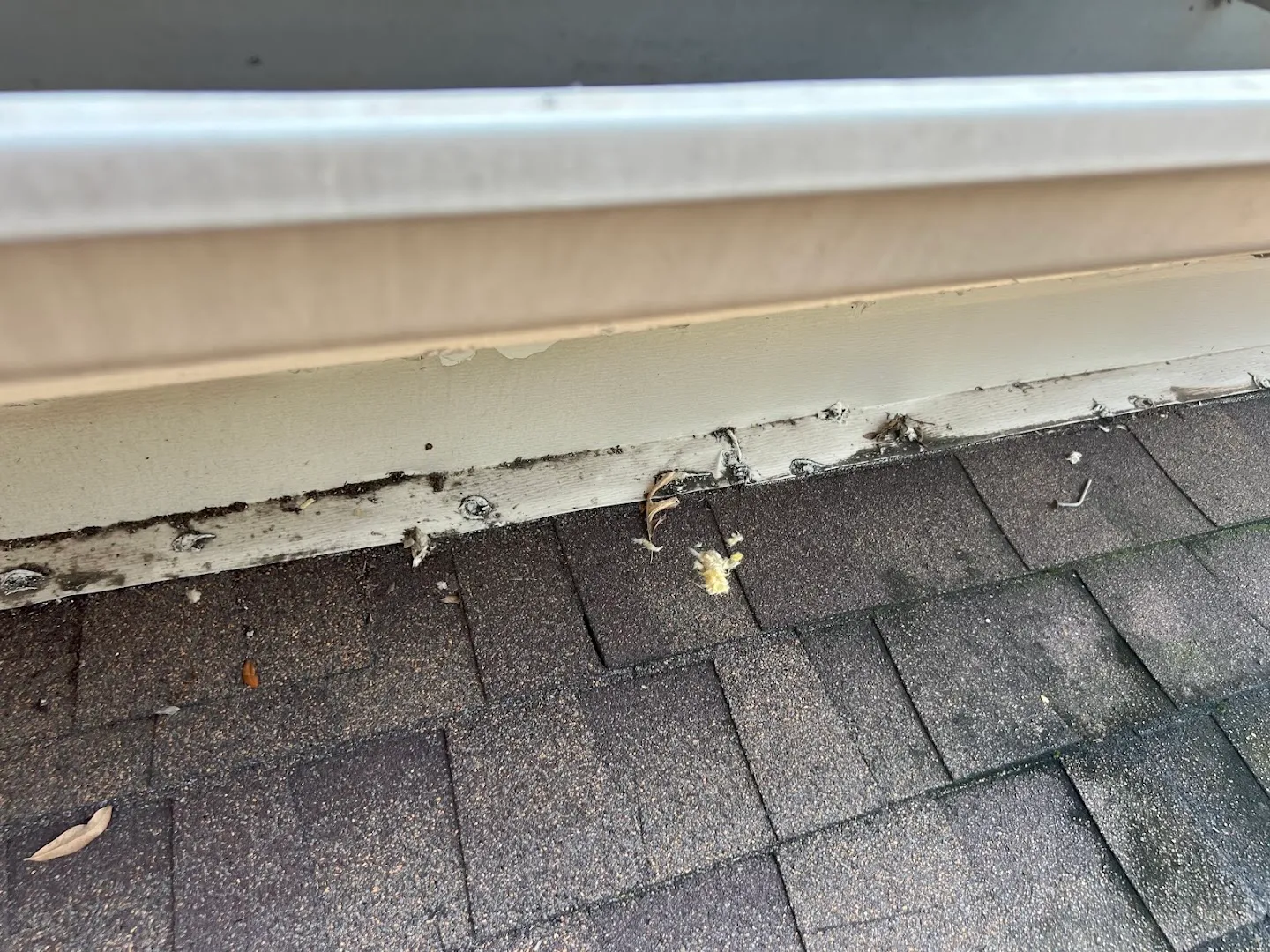
Critter Call Pest Control

Ross Pest and Lawn
Frequently Asked Questions
Best Professional Treatment
Humane removal of raccoons, opossums, bats, squirrels, skunks, and other wildlife
Find Local Exterminators for Rodents Near You
Find mouse and rat exterminators with wildlife removal licenses near you in Texas.
Find Licensed Companies by Texas City
Licensed rodents control companies in major Texas cities