
Pest Control in Fort Worth, TX
Fort Worth anchors the western half of the DFW metroplex, where the Blackland Prairie transitions into the Cross Timbers ecological region. This gives Fort Worth more rural edges than Dallas, with ranches, horse properties, and agricultural land abutting suburban developments in western Tarrant, Parker, and Wise counties. Summers are hot and dry with highs above 100 °F, while winters bring occasional ice storms and temperatures in the mid-20s. This climate and land-use mix creates pest challenges that blend urban and agricultural concerns.
Common Pests in Fort Worth
- Agricultural crossover pests — Properties on Fort Worth's western and northern fringes encounter grasshoppers, grain beetles, stable flies, and other pests associated with nearby hay fields, cattle operations, and grain storage. Barn swallows and their associated bird mites also become problems when nesting on residential structures.
- Scorpions — Like Dallas, the striped bark scorpion is common across Tarrant County, particularly in newer developments built on previously undisturbed rocky soil.
- Subterranean termites — Fort Worth's expansive clay soils undergo significant shrink-swell cycles, cracking foundations and creating termite entry points. Post-tension slab foundations, common in newer construction, offer fewer entry points but still require monitoring.
- Rodents — Norway rats favor Fort Worth's older warehouse districts near the Stockyards and Near Southside. Roof rats are increasing in established neighborhoods with mature canopy trees.
- Fleas and ticks — Rural-edge properties with livestock and white-tailed deer see heavy tick pressure, including the lone star tick and American dog tick. Fleas transfer from feral cats and wildlife to domestic pets.
Fort Worth Pest Control Industry
Licensed pest control companies in Fort Worth and greater Tarrant County serve both residential subdivisions and semi-rural acreage. Many firms offer combined urban pest control and agricultural pest management for hobby farms and equestrian properties. The Fort Worth market shares providers with Dallas but also supports locally focused companies familiar with Cross Timbers ecology and the specific pest pressures of western Tarrant County.
Seasonal Pest Calendar for Fort Worth
- Spring (March — May): Termite swarm season. Fire ants and harvester ants build mounds in pastures and lawns. Carpenter bees target weathered wood on barns and fences.
- Summer (June — August): Scorpions peak. Grasshoppers migrate from agricultural fields into residential landscapes. Mosquitoes breed in stock tanks and low-lying drainage areas. Flies intensify around livestock properties.
- Fall (September — November): Mice and rats enter structures. Cricket swarms gather around commercial lighting. Brown recluse spiders become more visible during mating season. Seed ticks from late-summer hatches infest grassy areas.
- Winter (December — February): Outdoor pests decline. Rodent pressure indoors peaks. Overwintering insects — boxelder bugs, stink bugs, and cluster flies — appear on south-facing walls on warm afternoons.
Serving ZIP codes: 75050, 75054, 75605, 76002, 76012, 76013, 76016, 76036…
Licensed Pest Control Companies in Fort Worth, TX
114 companies
Urbanex Pest Control
Webb Pest Service Control & Extermination

Buzz Kill Pest Control
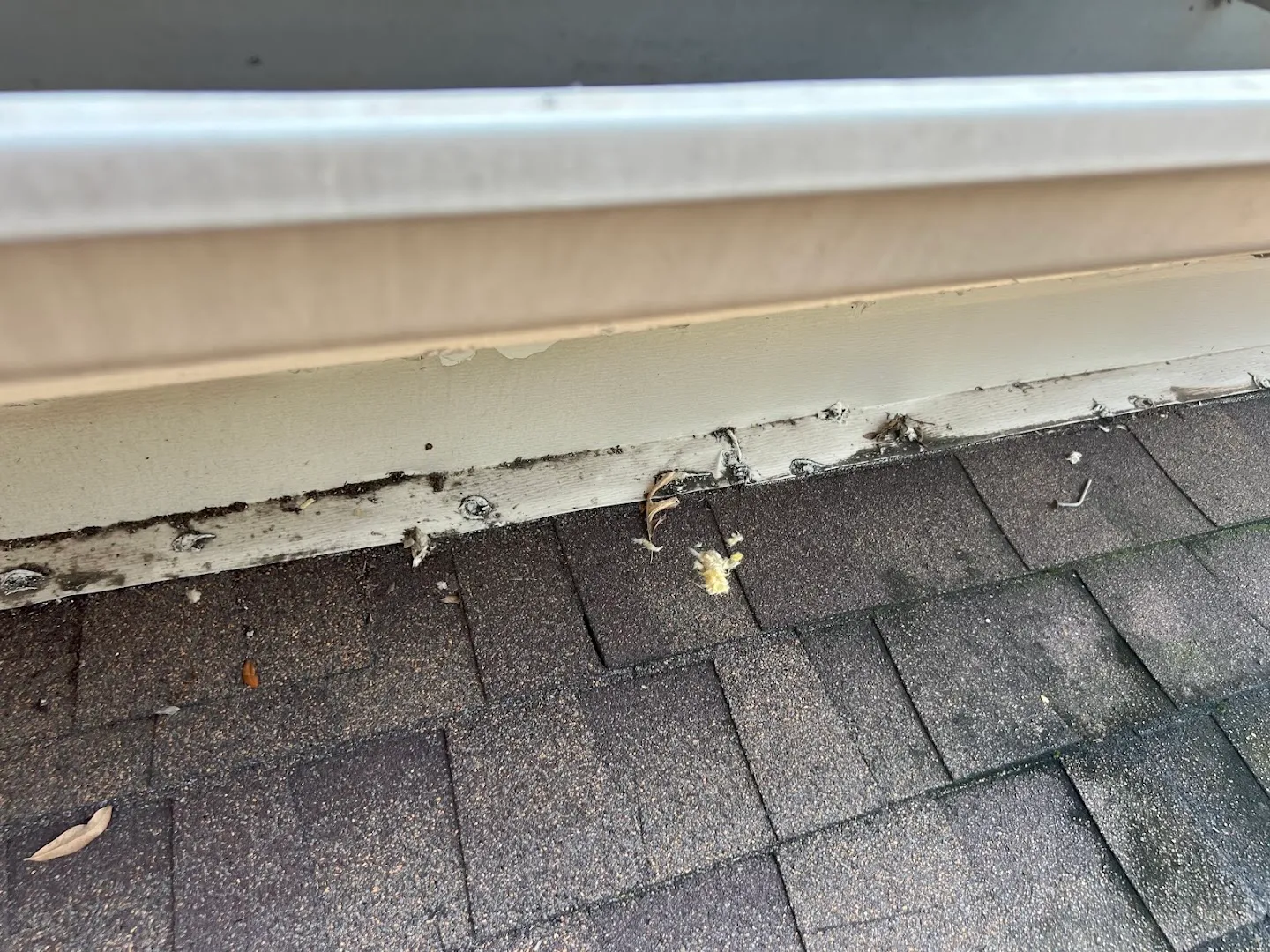
Critter Call Pest Control
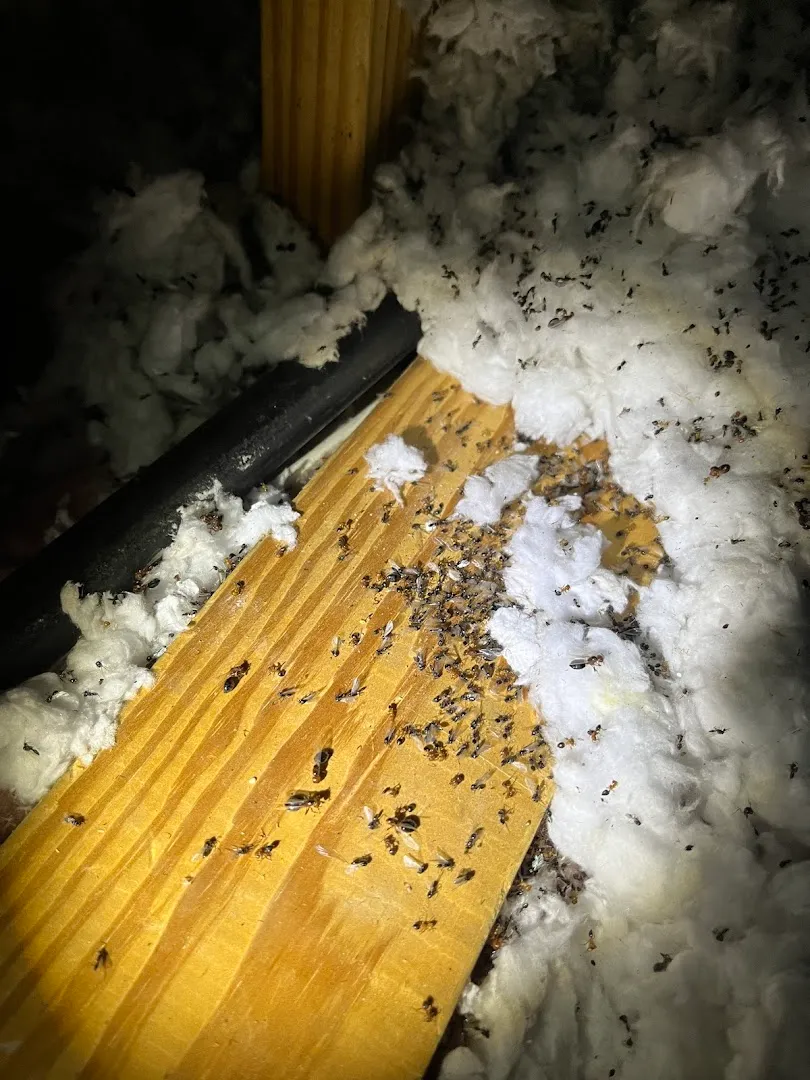
Alliance Pest Solutions
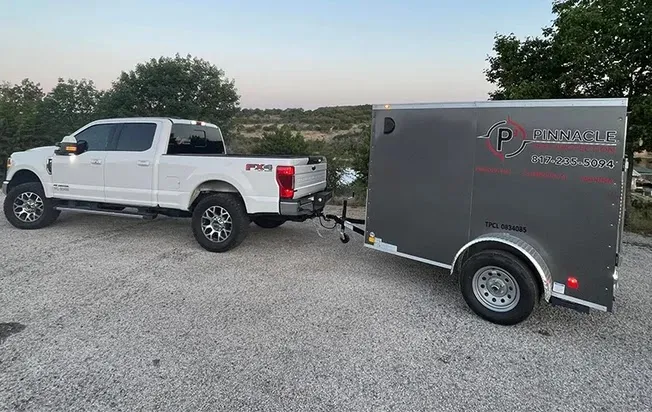
Pinnacle Pest Protection - Fort Worth
Affordable Pest Control
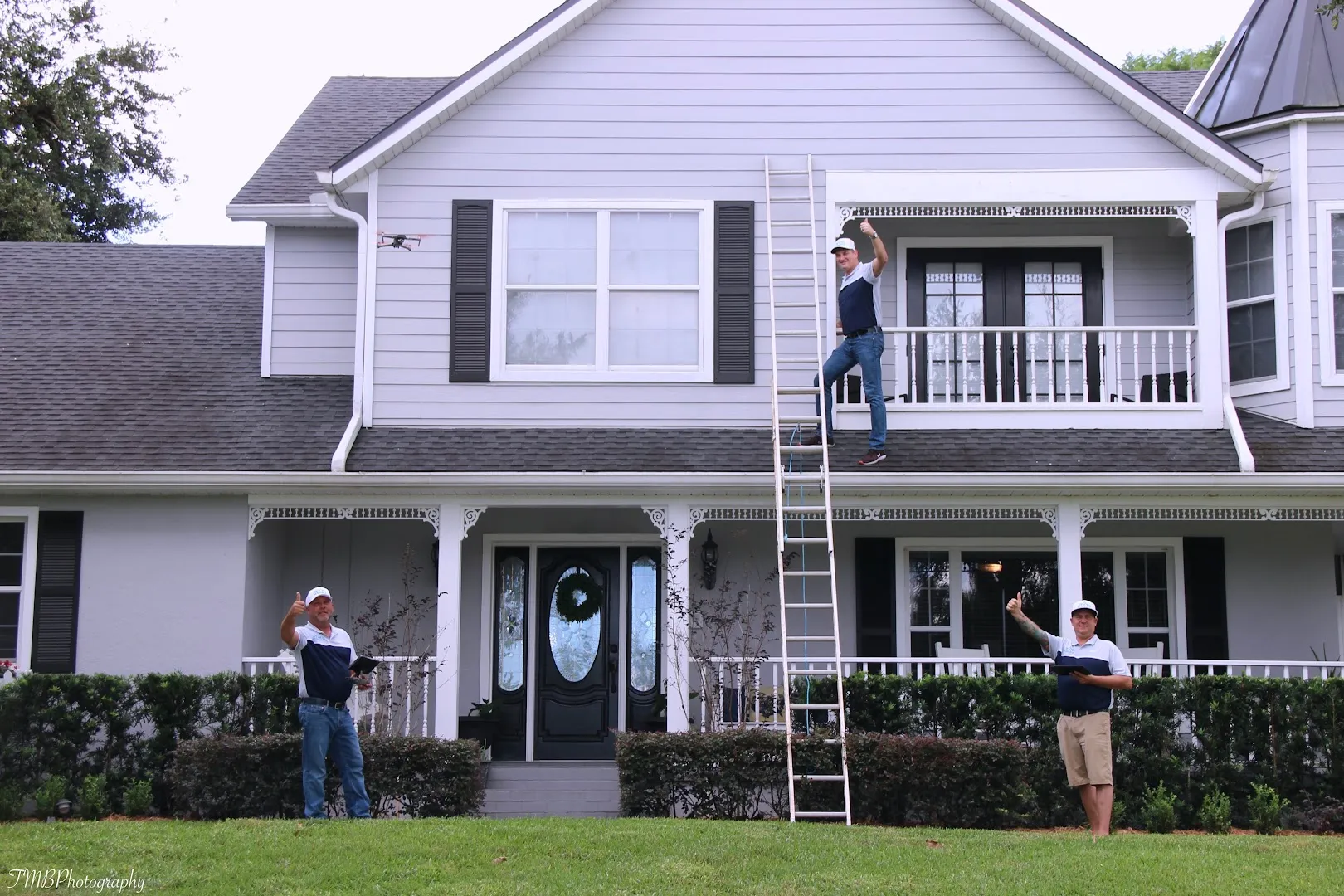
Platinum Home Inspections, LLC
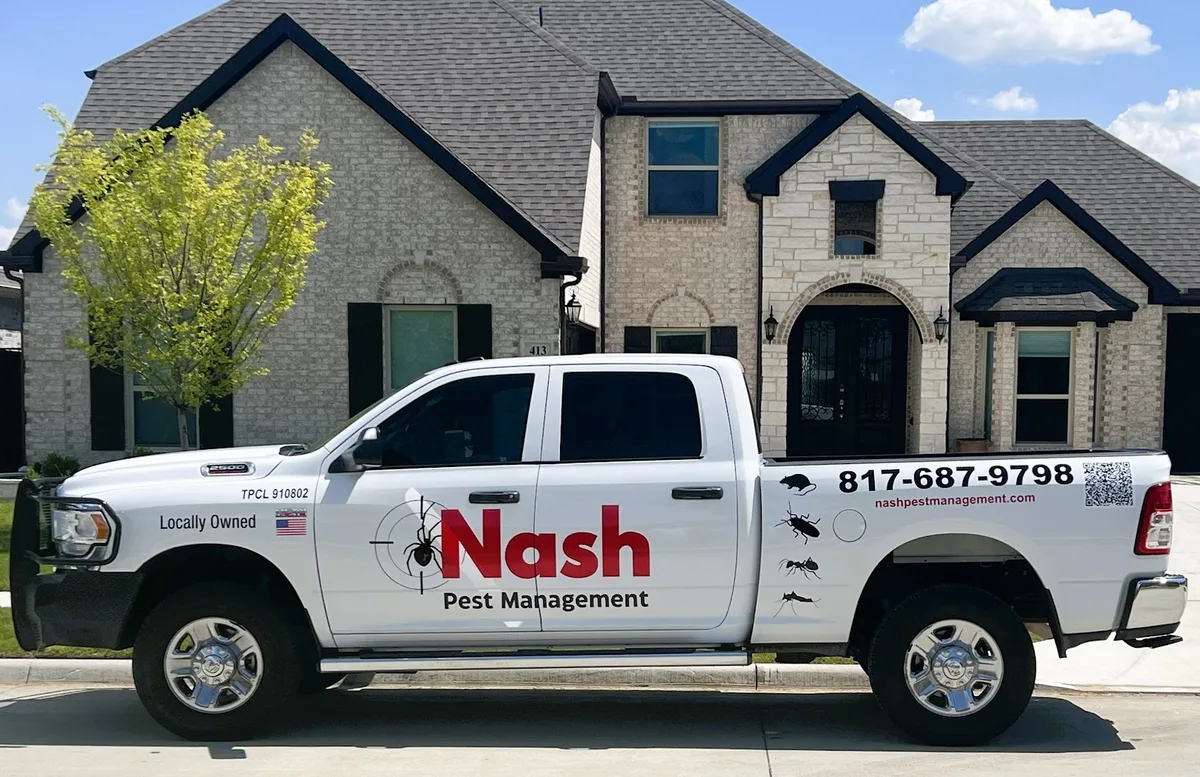
Nash Pest Management

Chem-Dry of Fort Worth
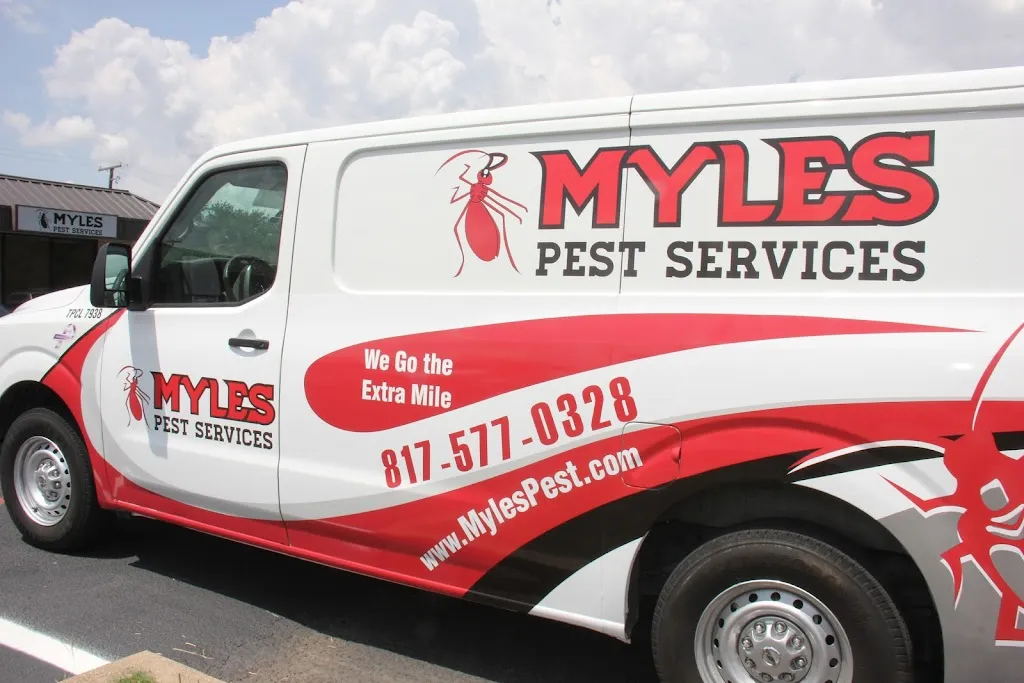
Myles Pest Services

Critter Stop
Pest Away LLC

A&R Pest Control
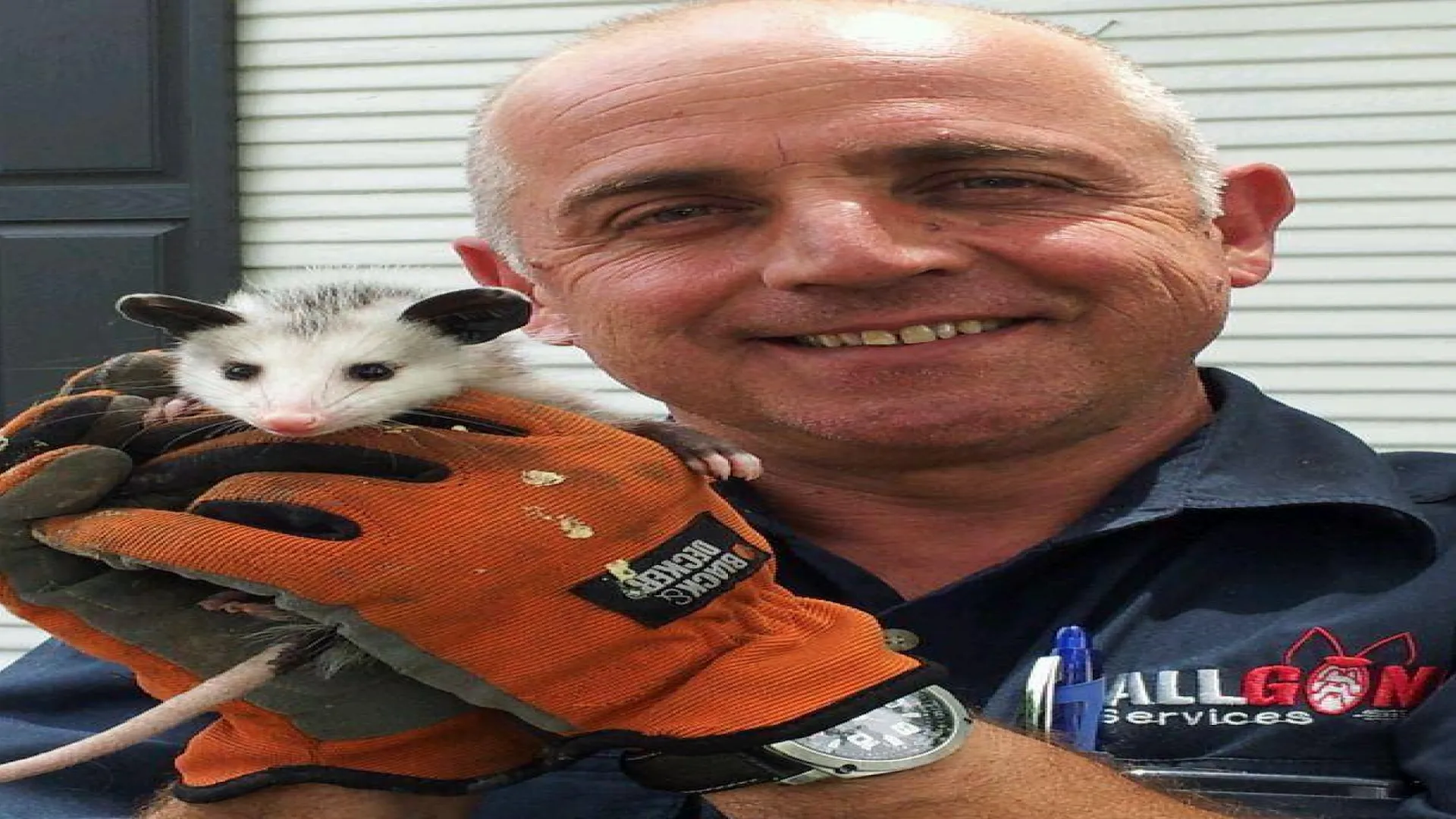
AllGone Services

Defense Pest Management
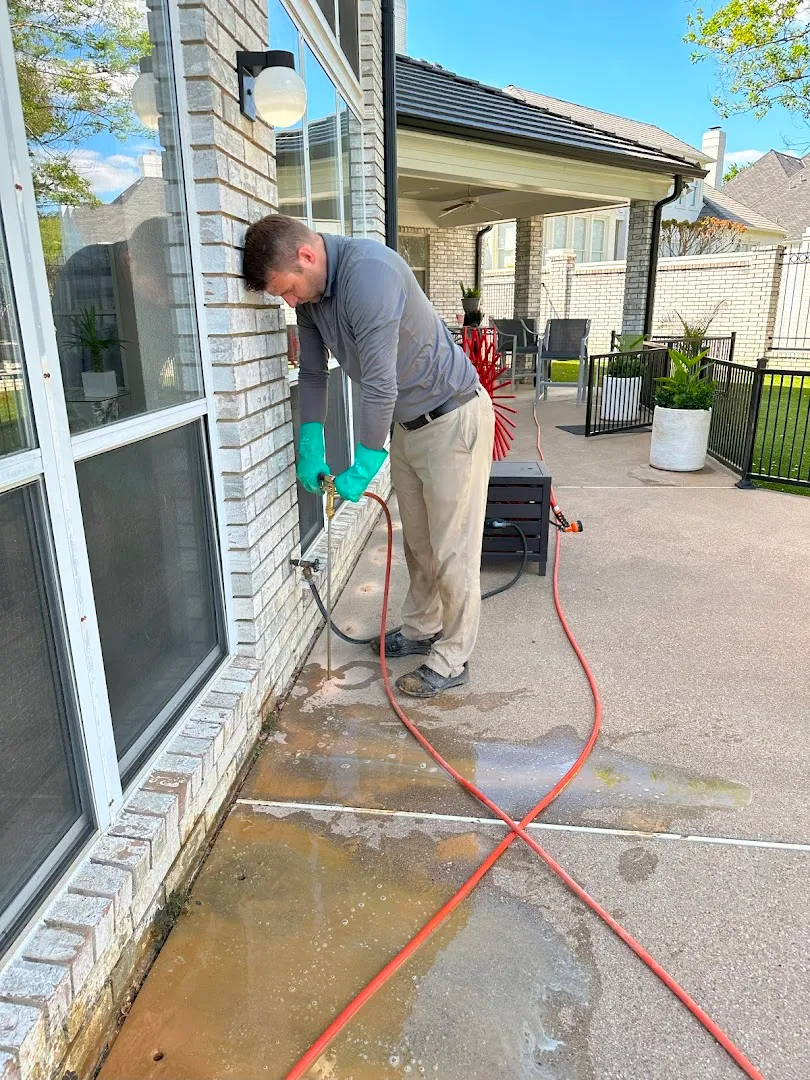
Ally Pest and Termite
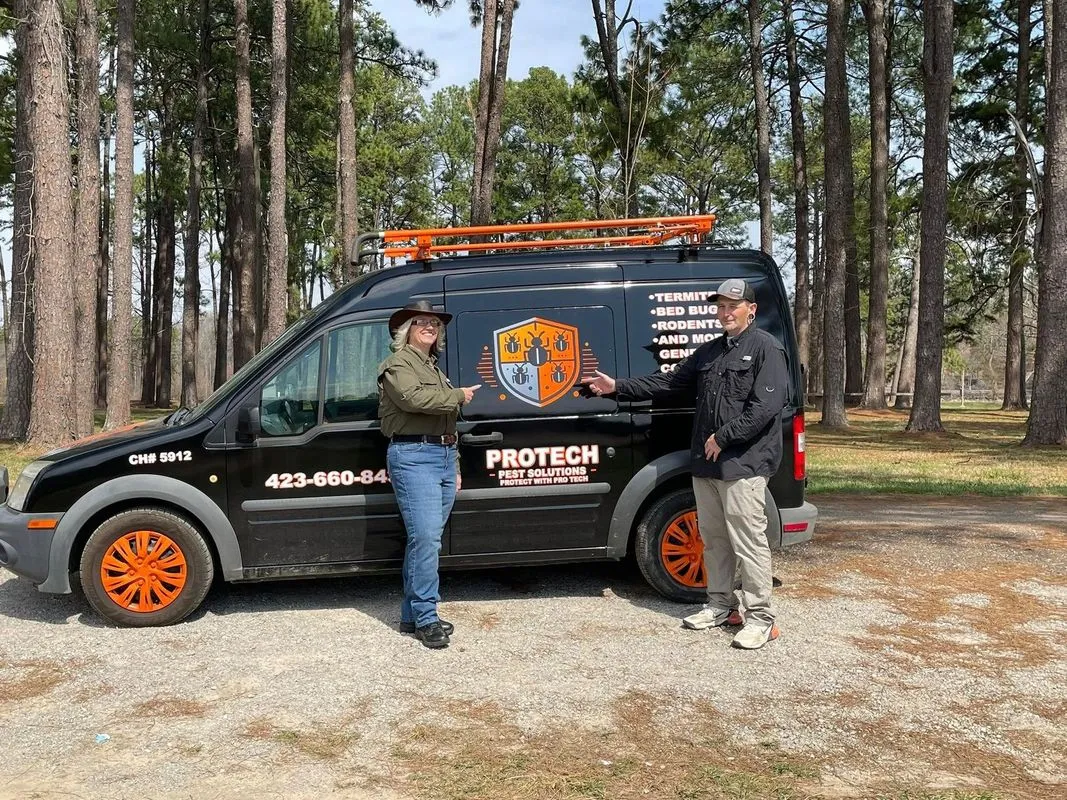
Pro-Tech Pest Solutions
Pest Control Services Available in Fort Worth
Browse pest control services available in your area
Find Pest Services Near You
Searching from Fort Worth or nearby? Jump to the service you need and find the closest licensed specialists on our map.