
Pest Control Waste Disposal in Texas
Safe disposal of pesticide containers, contaminated materials, and pest control waste
Pest Control Waste Disposal in Texas
Effective pest management generates waste streams that require proper handling — from empty pesticide containers and expired products to dead animals and contaminated materials. Texas regulations, enforced primarily by the Texas Commission on Environmental Quality (TCEQ) and the Texas Department of Agriculture, establish clear rules for the collection, transport, and disposal of pest-control-related waste. Licensed waste disposal services help homeowners, businesses, and pest control operators stay compliant and avoid environmental fines.
Pesticide Container Disposal
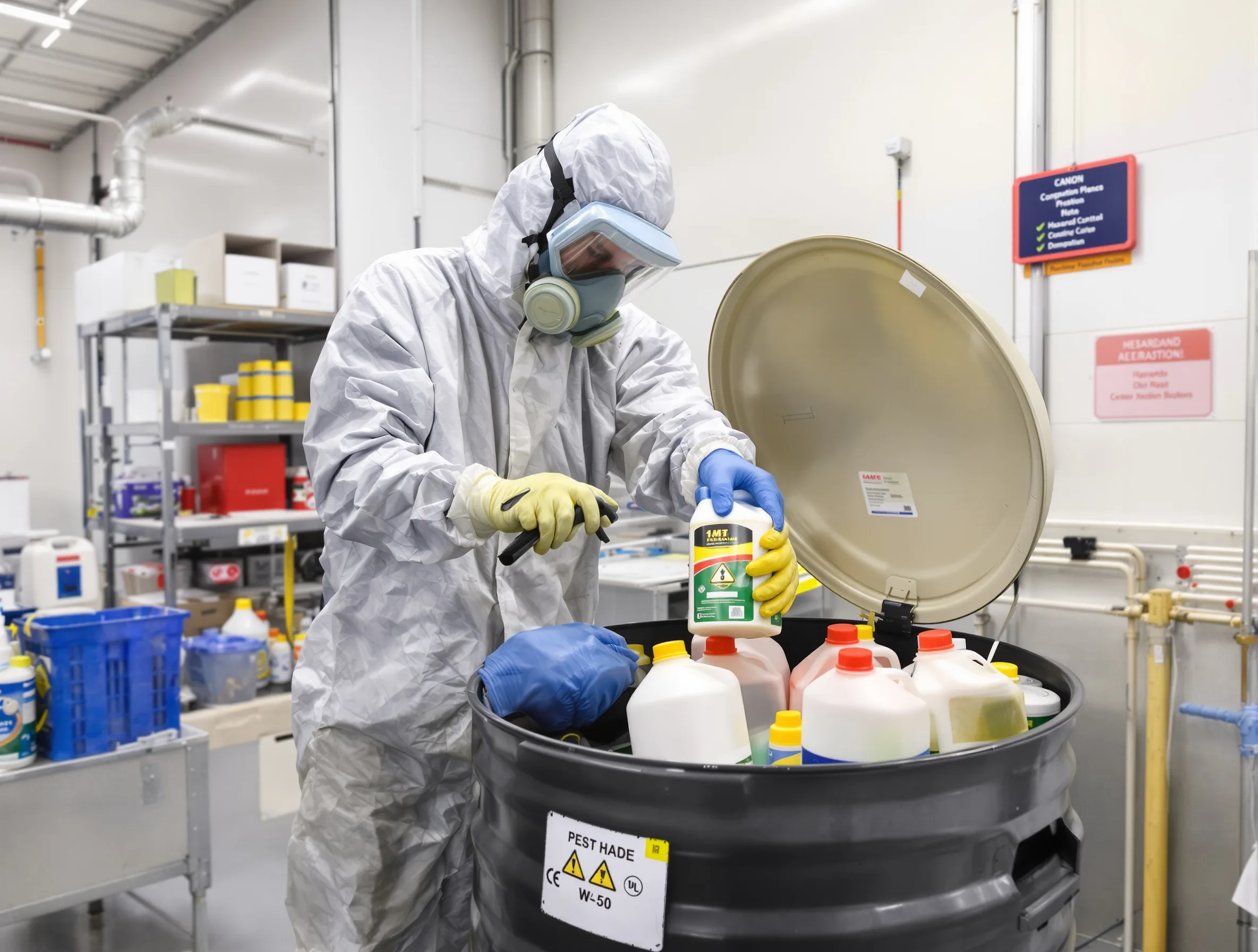
Under Texas law, empty pesticide containers must be triple-rinsed or pressure-rinsed before disposal. Rinse water is applied to the treatment site as directed by the product label — it is illegal to pour rinsewater down a drain or storm sewer. Once properly rinsed, plastic and metal containers may be placed in solid waste (landfill) or, in many counties, recycled through the Texas Ag Container Recycling Program. Containers that have not been rinsed are classified as hazardous waste and must be disposed of through a TCEQ-licensed hazardous waste handler.
Concentrated pesticide products that are no longer usable (expired, banned, or off-label) should be taken to a TCEQ-approved household hazardous waste collection event or facility. The Texas Department of Agriculture occasionally sponsors pesticide collection programs specifically for agricultural and structural pest control operators.
Dead Animal Removal and Disposal
Wildlife removal, rodent control, and general pest management frequently result in animal carcasses that require safe disposal. Small animals (mice, rats, squirrels) can typically be double-bagged and placed in regular municipal trash. Larger animals (raccoons, opossums, feral hogs) may require pickup by a licensed animal-removal service or delivery to an approved landfill.
Carcasses discovered in wall voids, attics, or crawl spaces often produce severe odor and attract secondary pests such as flies and dermestid beetles. Professional removal includes extraction of the carcass, treatment of the affected area with an enzyme-based deodorizer, and sanitization of contaminated insulation or building materials.
Contaminated Material Handling
After a major pest infestation or fumigation, contaminated materials may include soiled insulation, damaged drywall, bat guano accumulations, rodent-contaminated attic insulation, and pesticide- saturated soil. These materials require careful handling:
- Bat guano — Must be removed by workers wearing appropriate respiratory protection (N95 or P100 respirator) due to the risk of histoplasmosis. Guano is bagged in heavy-duty contractor bags and disposed of as solid waste.
- Rodent-contaminated insulation — Removed by vacuum with HEPA filtration to prevent aerosolization of hantavirus and other pathogens. Replacement insulation is then installed.
- Pesticide-contaminated soil — If a spill or misapplication contaminates soil, the affected material must be excavated and disposed of according to TCEQ guidelines. Reporting requirements apply for spills above certain thresholds.
Texas Regulations (TCEQ)
The Texas Commission on Environmental Quality oversees waste disposal rules that apply to pest control operations. Key requirements include:
- Pesticide containers must be triple-rinsed before landfill disposal.
- Unused or expired pesticides are classified as hazardous waste if they exhibit toxicity, flammability, or reactivity characteristics.
- Pest control companies that generate hazardous waste above small-quantity thresholds must register as a hazardous waste generator with TCEQ and use licensed transporters and disposal facilities.
- Dumping pesticide waste in ditches, creeks, storm drains, or on vacant land is a criminal offense under the Texas Water Code and the Texas Health and Safety Code.
Commercial Waste Services
Large pest control operations, food processing plants, and agricultural facilities may contract with specialized commercial waste services for routine pickup and disposal of pesticide containers, expired inventory, and contaminated PPE (personal protective equipment). These services provide manifested transport to TCEQ-licensed treatment, storage, and disposal facilities and supply documentation needed for regulatory compliance.
Pest Control Waste Disposal — FAQ
Can I throw empty pesticide containers in the regular trash?
Only if the container has been properly triple-rinsed or pressure-rinsed. Unrinsed containers are considered hazardous waste. Check the product label for specific disposal instructions.
Who removes dead animals from inside walls?
Most licensed pest control and wildlife removal companies offer dead animal extraction as a service. The process involves locating the carcass (often guided by odor or thermal imaging), opening a small access point, removing the animal, and treating the area to eliminate odor and secondary pests.
How do I dispose of old pesticide products from my garage?
Take them to your county's household hazardous waste collection event or permanent facility. Do not pour them down a drain, into a storm sewer, or onto the ground. Most Texas cities and counties hold free collection events several times per year.
Is bat guano dangerous?
Bat guano can harbor the fungus Histoplasma capsulatum, which causes histoplasmosis when spores are inhaled. Professional removal with proper respiratory protection is strongly recommended, especially for large accumulations in enclosed spaces like attics.
What are the penalties for illegal pesticide disposal in Texas?
TCEQ can impose administrative penalties up to $25,000 per day per violation. Criminal penalties under the Texas Water Code can include fines up to $50,000 per day and imprisonment. Proper disposal protects both the environment and your liability.
Licensed Texas Companies
19 licensed companies offering waste disposal
19 companies
Best4Pest Termite & Pest Control
Robledo's Pest Control
Signature Pest Control
Brothers Pest Control
Ecolab Pest Elimination Division
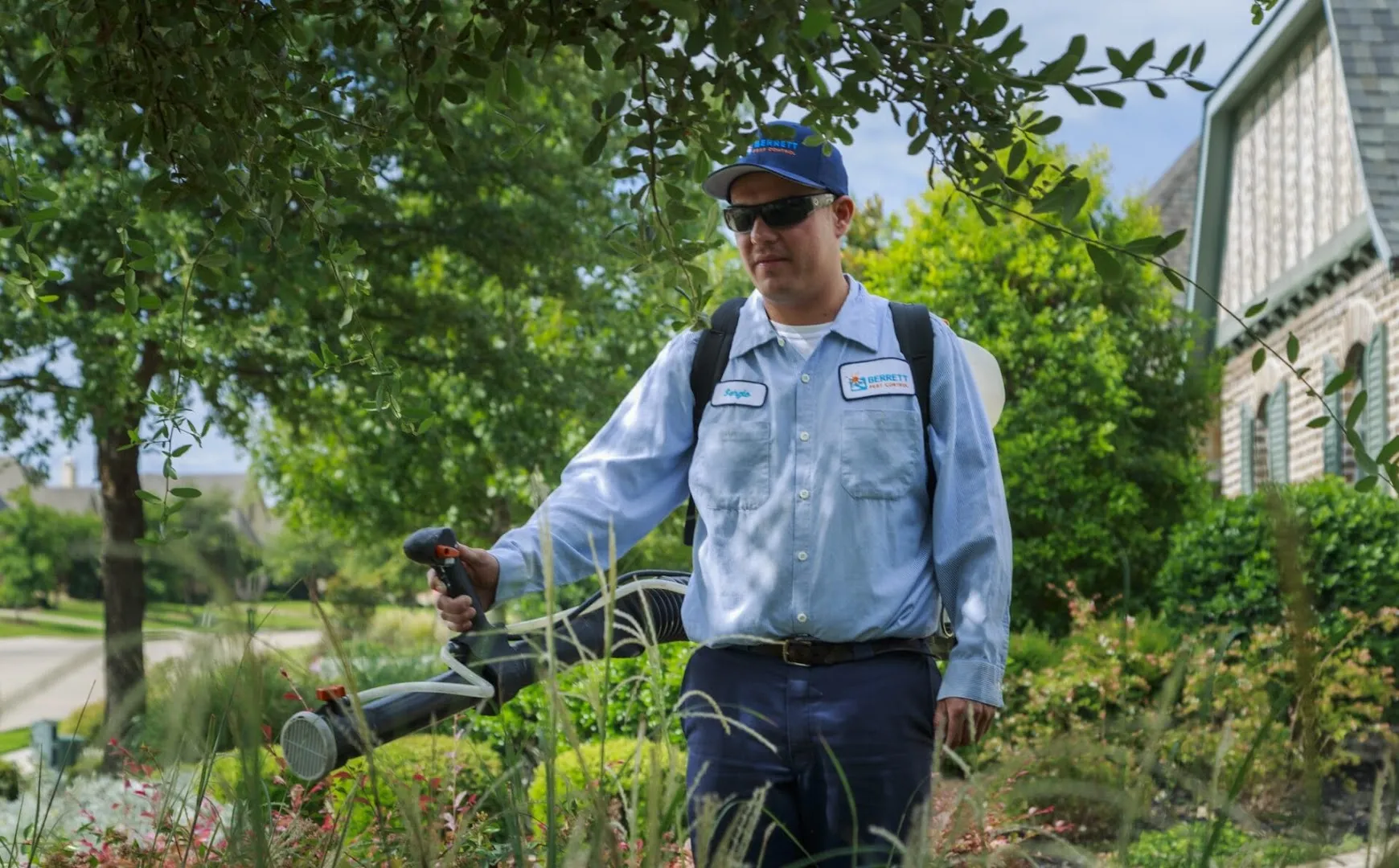
Berrett Home Services
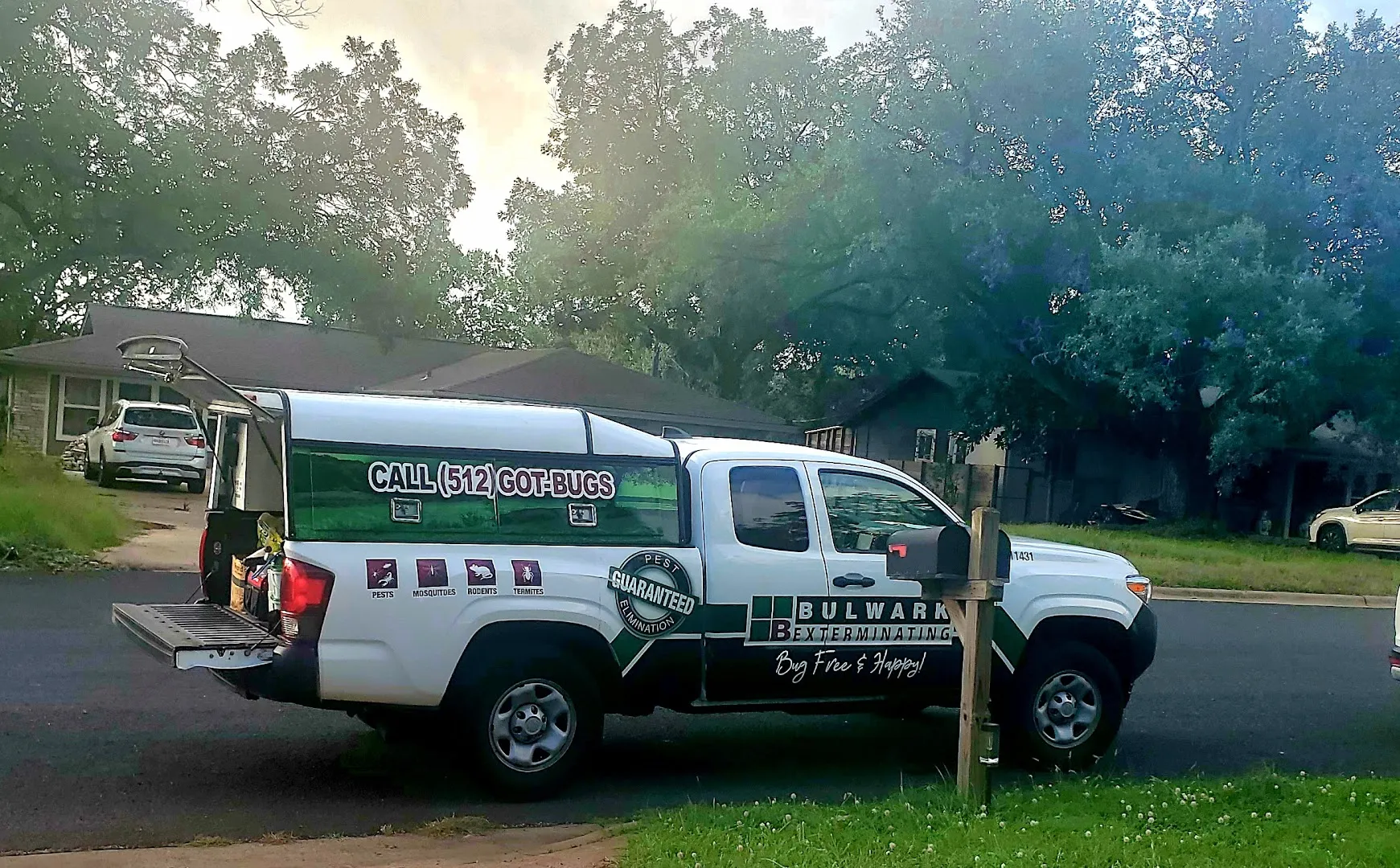
Bulwark Exterminating
EcoShield Pest Solutions

Top Turf Lawn Care and Pest Management
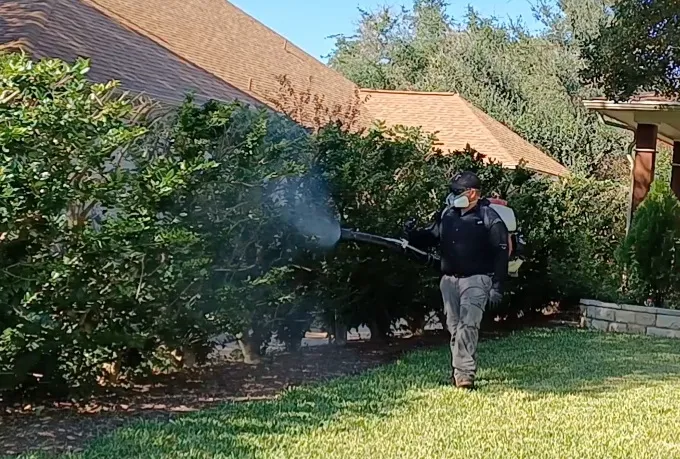
Titan Pest Management
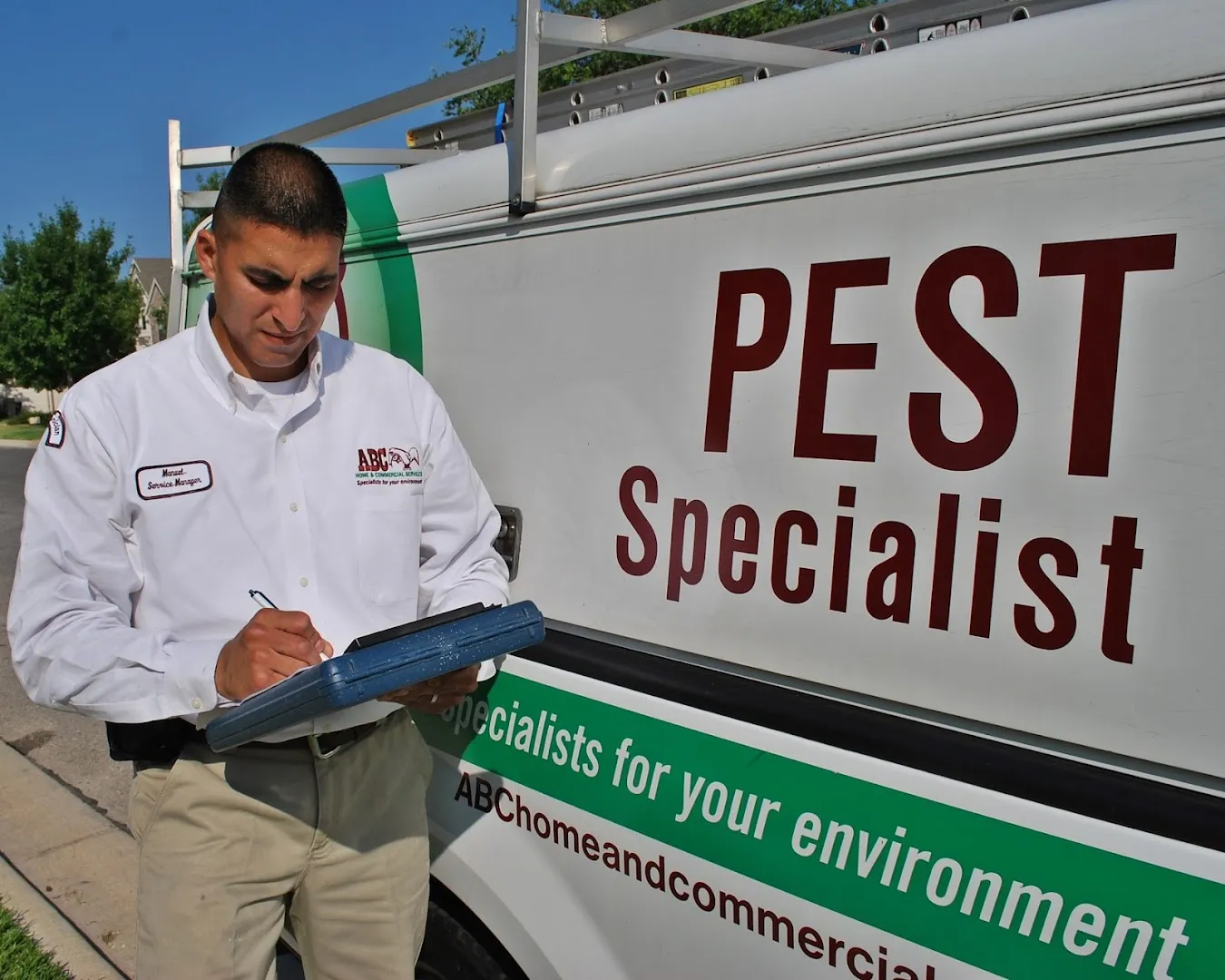
ABC Home & Commercial Services
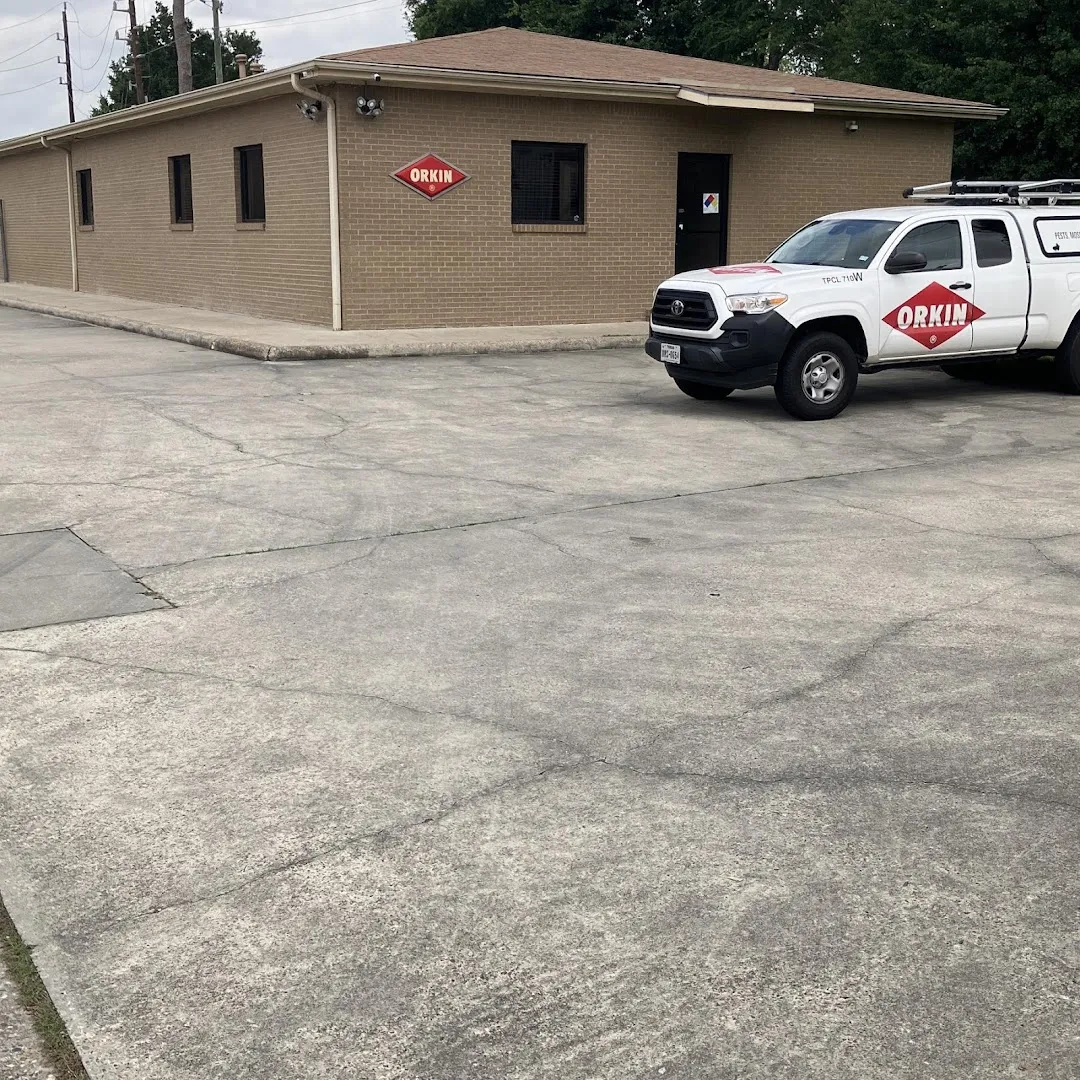
Orkin
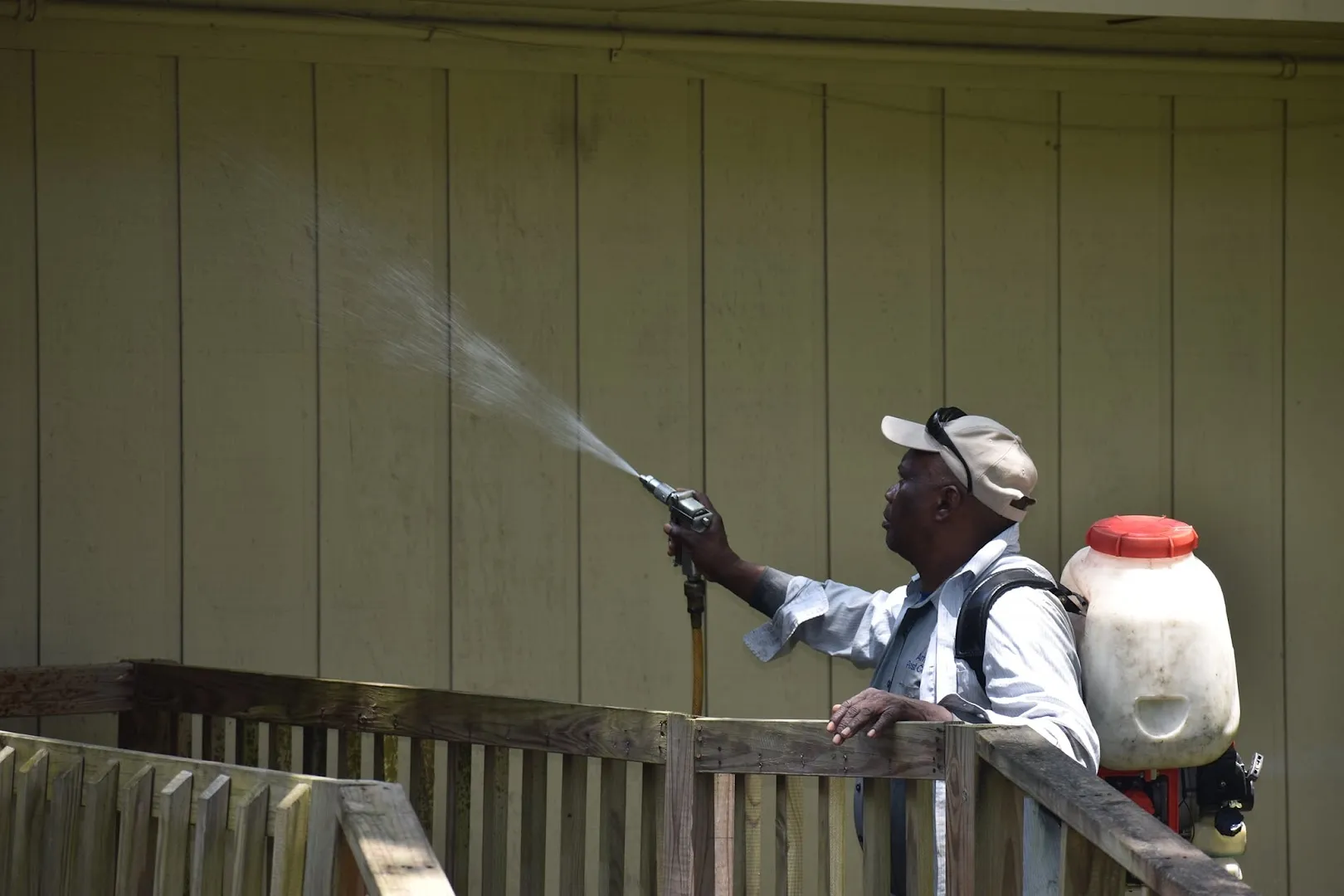
Armor Pest Control
Falco Pest Management

EcoShield Pest Solutions
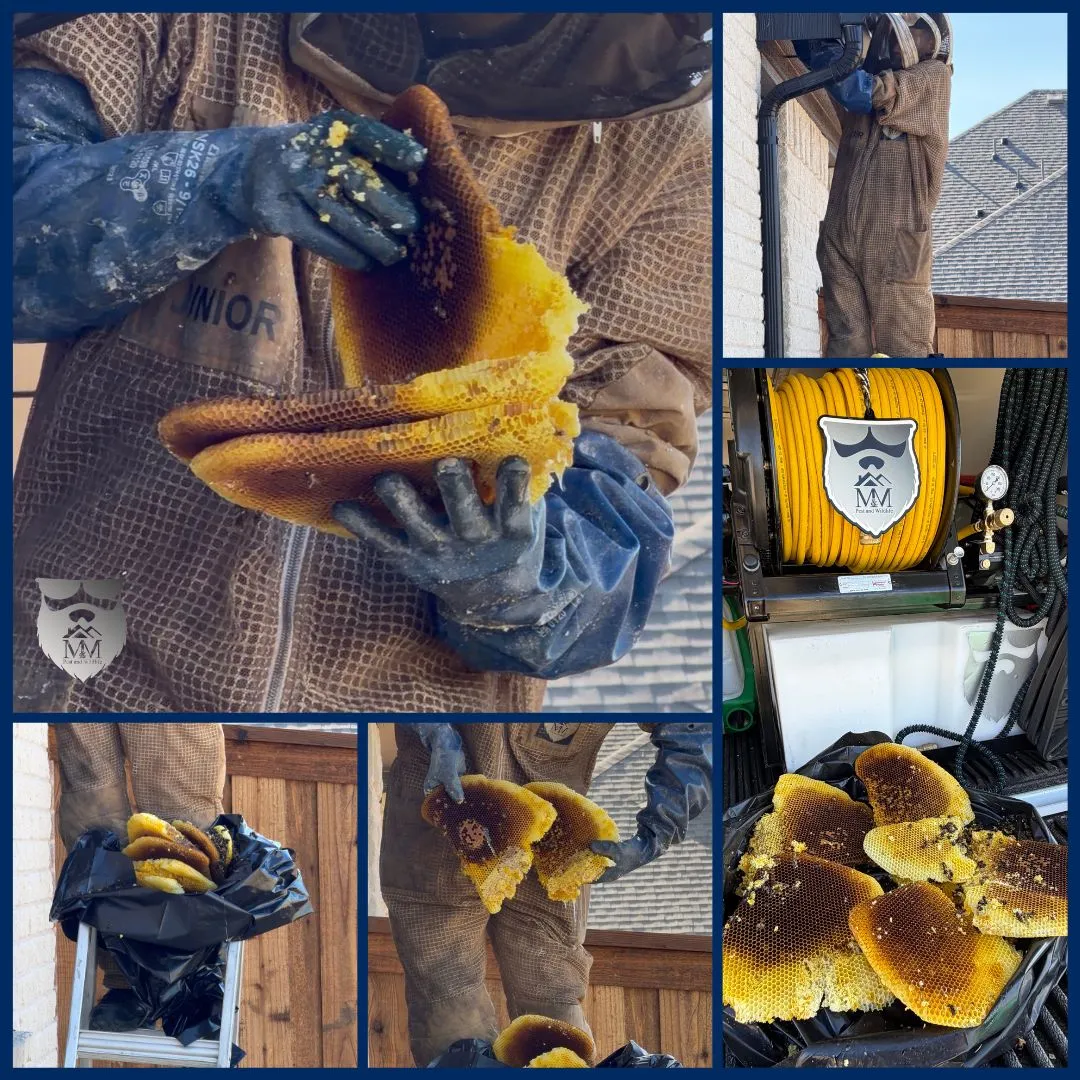
M&M Pest and Wildlife LLC
Ecolab Pest Elimination Division
EPEST
Find Providers by Texas City
Browse licensed waste disposal providers in major Texas cities