
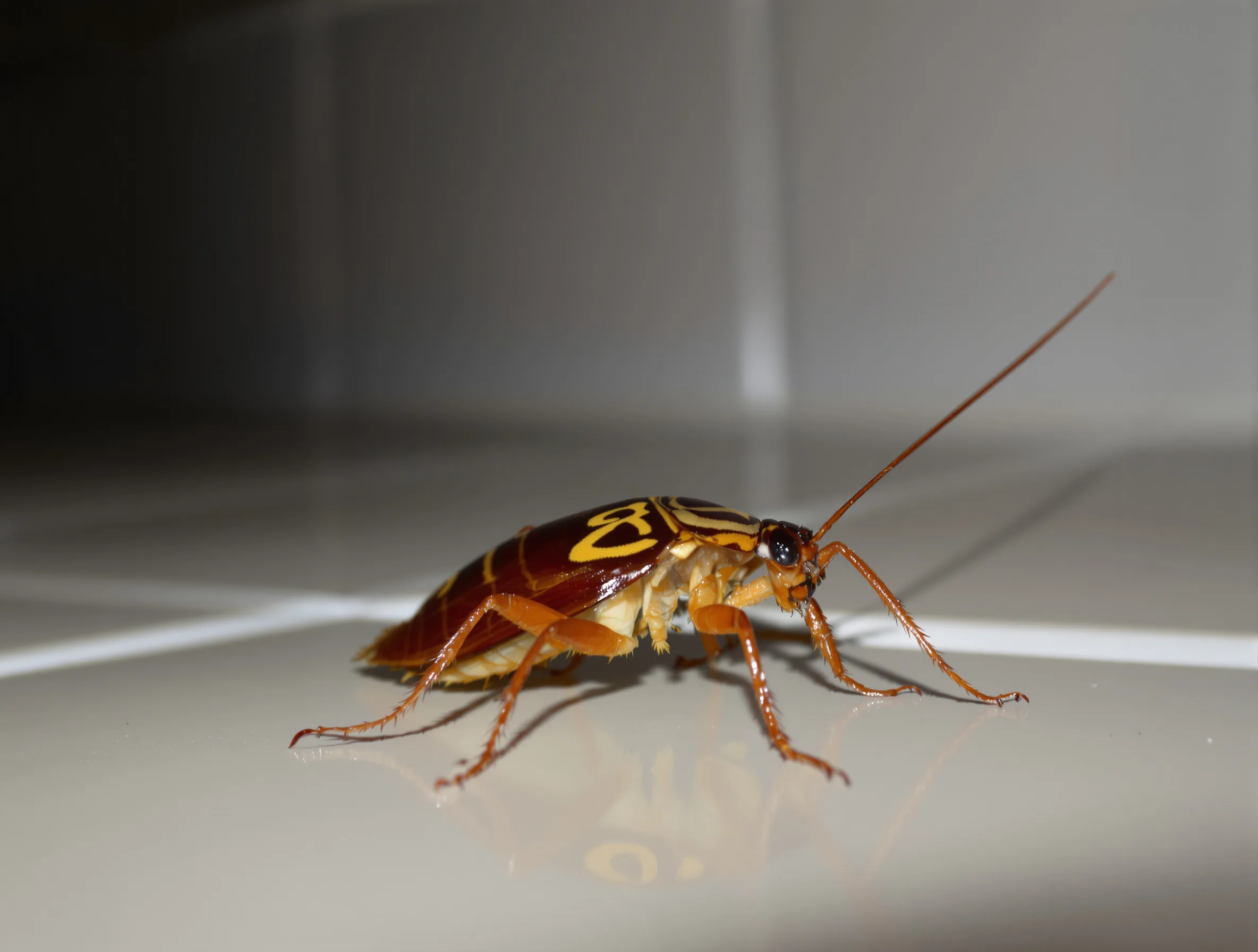
Palmetto Bugs, Water Bugs & American Cockroaches in Texas — Complete Guide
Texas slang for large cockroaches — palmetto bugs, water bugs, and roaches
Not sure it's a Palmetto Bugs?
Snap a photo — our free AI tool identifies Texas pests in seconds.
Quick facts — palmetto bugs in Texas
- What they are: "palmetto bug" and "water bug" are Texas slang for large cockroaches — usually the American cockroach (Periplaneta americana)
- Size: 1.5 to 2 inches — the largest common house-invading roach in Texas
- Can they fly? Yes — adults glide and fly short distances, often toward lights on warm nights
- Danger: no bite or sting; the real concerns are allergens (asthma triggers) and food contamination
- Where they come from: sewers, storm drains, mulch beds, and trees — they enter homes after heavy rain or during drought
- One vs many: a single palmetto bug usually wandered in from outside; repeated sightings indoors point to a nearby harborage
What Are Palmetto Bugs? (American Cockroaches)
"Palmetto bug" is not a species — it is a Gulf Coast and Texas nickname for the big cockroaches that fly at your face on warm summer nights. In Texas it almost always means the American cockroach (Periplaneta americana), though people also apply it to smokybrown and Oriental cockroaches. "Water bug" is the same idea: the name stuck because these roaches thrive in sewers, drains, and other wet environments. (True water bugs are aquatic insects that live in ponds and can deliver a painful bite — a completely different animal that Texans rarely encounter.)
Whatever you call them, the biology is the same: large, outdoor-adapted cockroaches that live around — and sometimes inside — Texas homes year-round. For control of roaches in general, see our Texas cockroach treatment guide.
Palmetto Bug Identification
The American cockroach is easy to recognize once you have seen one up close:
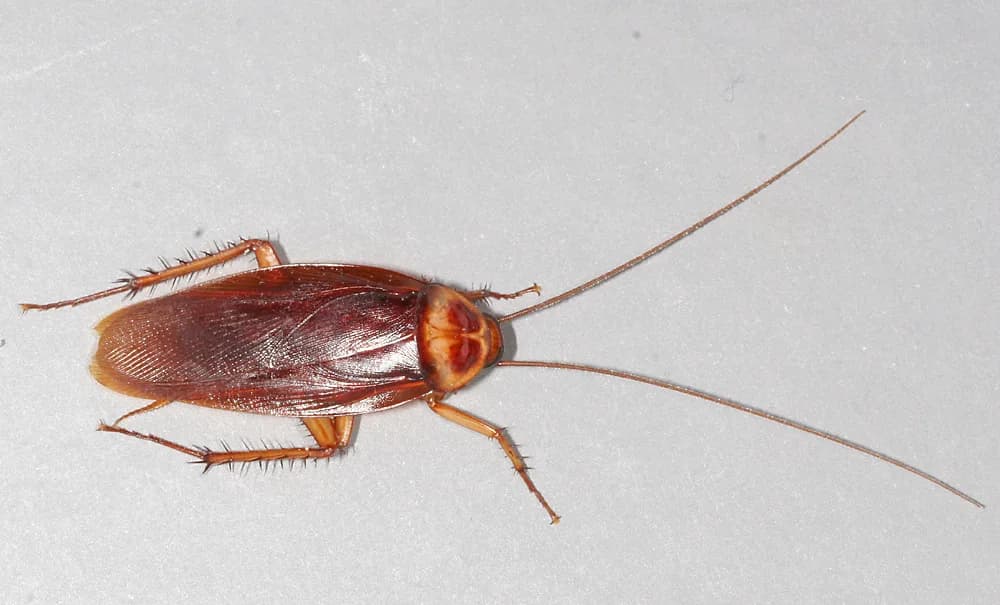
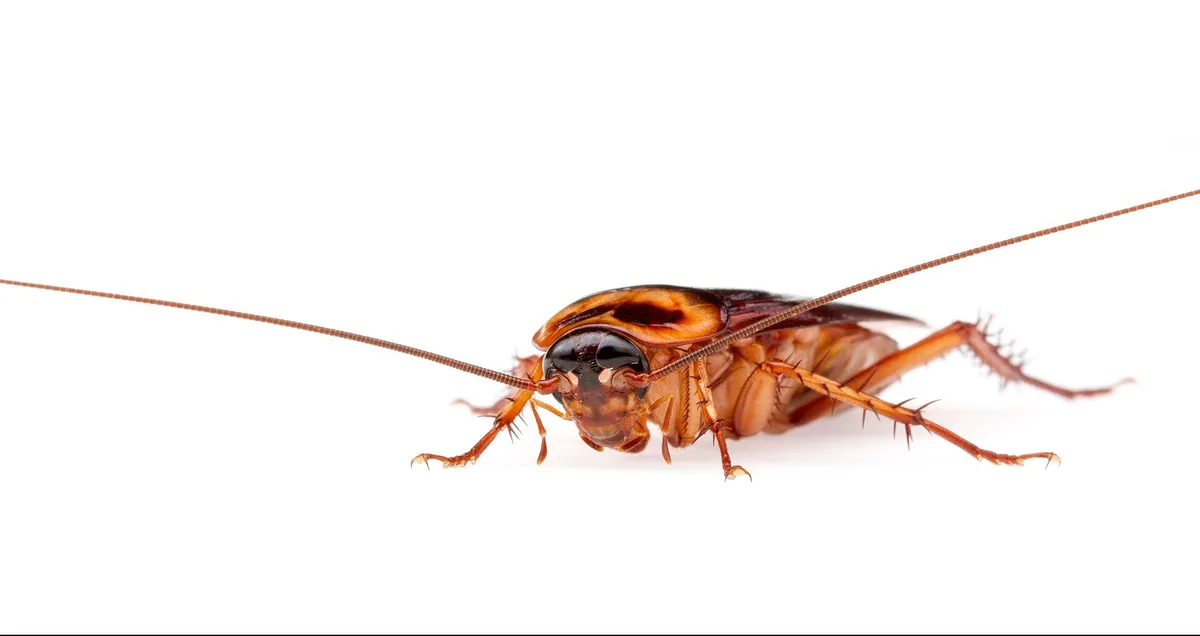
- Size: 1.5 to 2 inches long — the largest cockroach that commonly enters Texas homes.
- Color: reddish-brown, with a distinctive yellowish figure-eight or halo pattern on the shield (pronotum) just behind the head.
- Wings: fully developed wings covering the abdomen in both males and females — adults can glide and fly short distances, especially in hot, humid weather.
- Antennae: extremely long, often longer than the body, constantly in motion.
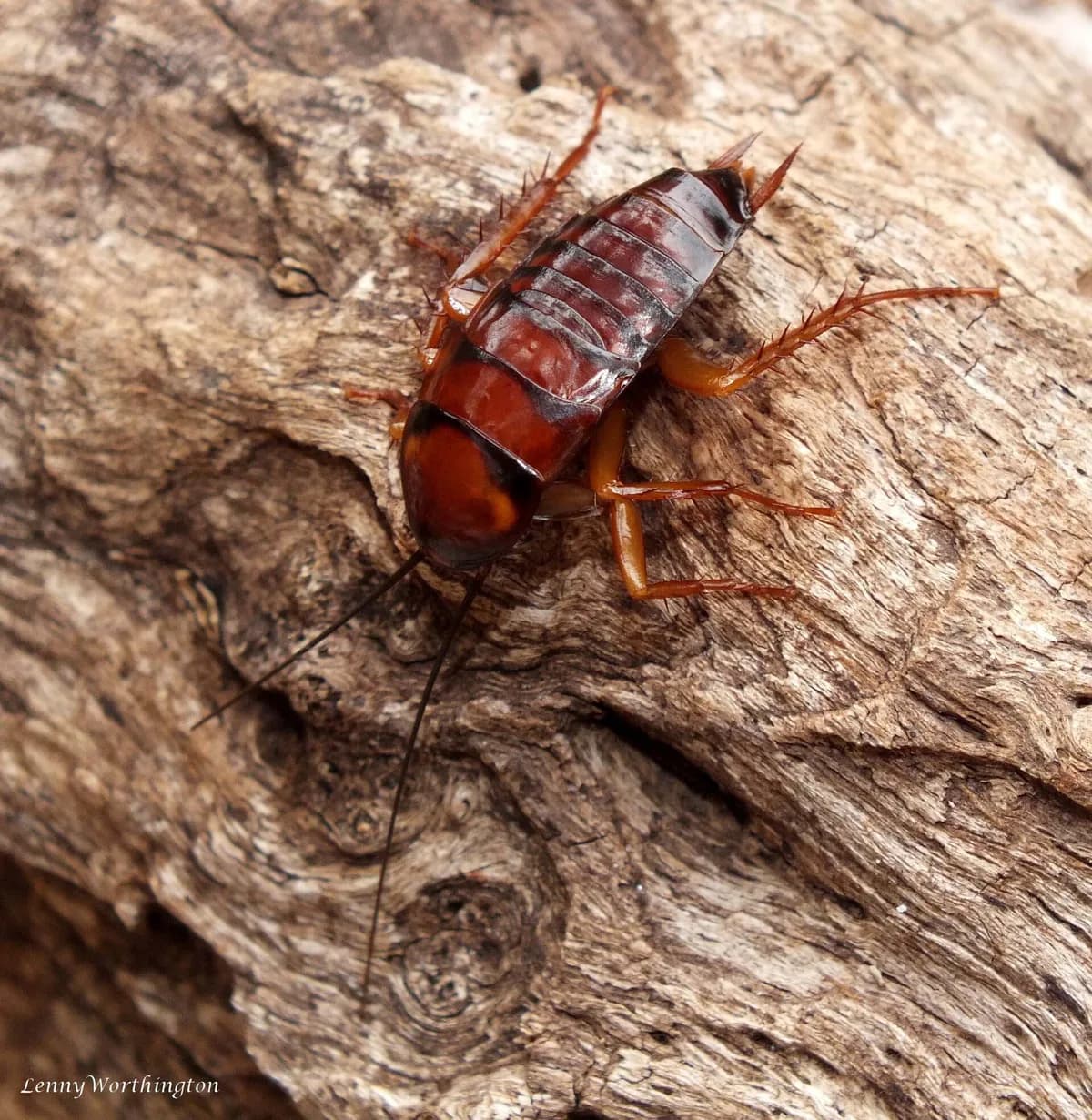
- Nymphs: wingless, smaller versions — reddish-brown, oval, and fast. Finding nymphs indoors matters more than finding one adult: it suggests nearby breeding.
- Egg cases: dark brown, purse-shaped capsules (oothecae) about 3/8 inch long, glued in hidden, humid spots. Each holds around 15 eggs.
Palmetto Bug vs Other Texas Roaches
Four large cockroach species account for nearly every "palmetto bug" or "water bug" sighting in Texas, plus one small indoor species that behaves very differently:
| Species | Size & color | Flies? | Where found |
|---|---|---|---|
| American cockroach Periplaneta americana | 1.5–2 in, reddish-brown, yellow figure-8 behind head | Yes — glides and short flights | Sewers, drains, mulch, basements, garages — the classic "palmetto bug" |
| Smokybrown cockroach Periplaneta fuliginosa | 1.25–1.5 in, uniform dark mahogany | Yes — strong flier, drawn to lights | Trees, gutters, attics, rooflines — common in Houston and East Texas |
| Oriental cockroach Blatta orientalis | 1–1.25 in, shiny dark brown to black | No — wings too short | Damp cool spots: floor drains, crawl spaces, water meter boxes |
| German cockroach Blattella germanica | 0.5–0.6 in, tan, two dark stripes behind head | Rarely | Kitchens and bathrooms — a true indoor infester; not a "palmetto bug" |
The distinction matters for control: palmetto bugs (American, smokybrown, Oriental) live mostly outdoors and wander in, so treatment focuses on the exterior perimeter and entry points. German roaches breed indoors and require a completely different, interior-focused baiting program.
Where Palmetto Bugs Live and Why They Enter Homes
American cockroaches are outdoor insects at heart. In Texas they live in sewers and storm drains, water meter and irrigation boxes, mulch and leaf litter, under tree bark (especially palms — hence the name), in compost piles, and around woodpiles. Populations peak in the warm months, and on hot humid nights adults take wing and are drawn to porch lights and lit windows.
They move indoors for two main reasons, both very Texan: heavy rain, which floods sewers and drains and flushes them up through floor drains and door gaps, and drought and extreme heat, which send them searching for water — Texas A&M AgriLife Extension notes American roaches come indoors seeking moisture when outdoor conditions dry out. Typical entry points are garage door gaps, worn door sweeps, plumbing penetrations, weep holes in brick veneer, and unused floor drains.
Are Palmetto Bugs Dangerous?
Palmetto bugs do not bite or sting, and they are not aggressive — their only defense is being fast and, occasionally, airborne. The genuine health concerns are indirect:
- Allergens and asthma: cockroach saliva, droppings, and shed skins contain proteins that are well-documented asthma and allergy triggers, especially for children. Large roaches produce the same allergens as small ones.
- Food contamination: roaches traveling from sewers to kitchens mechanically carry bacteria such as Salmonella and E. coli on their bodies, contaminating counters, dishes, and food.
- Odor: heavy populations produce a distinct musty, oily smell.
A single palmetto bug in the house is usually a lost outdoor wanderer, not an infestation. Repeated sightings — especially of nymphs, or roaches appearing during the day — point to a breeding harborage in or against the structure.
Palmetto Bug Prevention Tips
- Install door sweeps on exterior doors and repair gaps around garage doors — the two most common entry routes.
- Caulk gaps around plumbing penetrations under sinks and behind toilets; screen weep holes in brick veneer.
- Fix leaks and drips promptly; palmetto bugs need water more than food.
- Keep floor drains and rarely used drains covered or periodically flushed with water.
- Pull mulch beds and leaf litter back from the foundation; keep gutters clean.
- Store firewood and lumber off the ground and away from the house.
- Keep trash in sealed containers and clean up outdoor pet food at night.
- Switch porch lights to yellow bug bulbs to attract fewer flying roaches on humid nights.
Getting Rid of Palmetto Bugs in Texas
Because palmetto bugs come from outside, control centers on the exterior. Effective DIY measures include granular roach baits scattered in mulch beds and around the foundation, gel baits placed in garages and under sinks, and boric acid dust applied into wall voids and weep holes. Combined with sealing entry points and fixing moisture problems, these handle most light pressure.
For persistent problems — recurring roaches after every rain, roaches in multiple rooms, or nymphs turning up indoors — a licensed pest control company will treat the sewer-side harborage areas, apply professional perimeter barriers, dust voids where roaches shelter, and identify entry points a homeowner typically misses. Quarterly exterior service is the standard Texas program for keeping large roaches out. See our cockroach treatment guide for methods in detail, or browse licensed roach exterminators in your area below.
Licensed Texas Companies
2014 companies offering pest control
2,014 companies
Romex Pest & Termite Control
Urbanex Pest Control
A-Action Home Inspection Houston
Forterra Pest Control
EnviroCon Pest Control

X Out Pest Services

Adams Exterminating

Innovative Pest Control
Cerv Property Solutions San Antonio
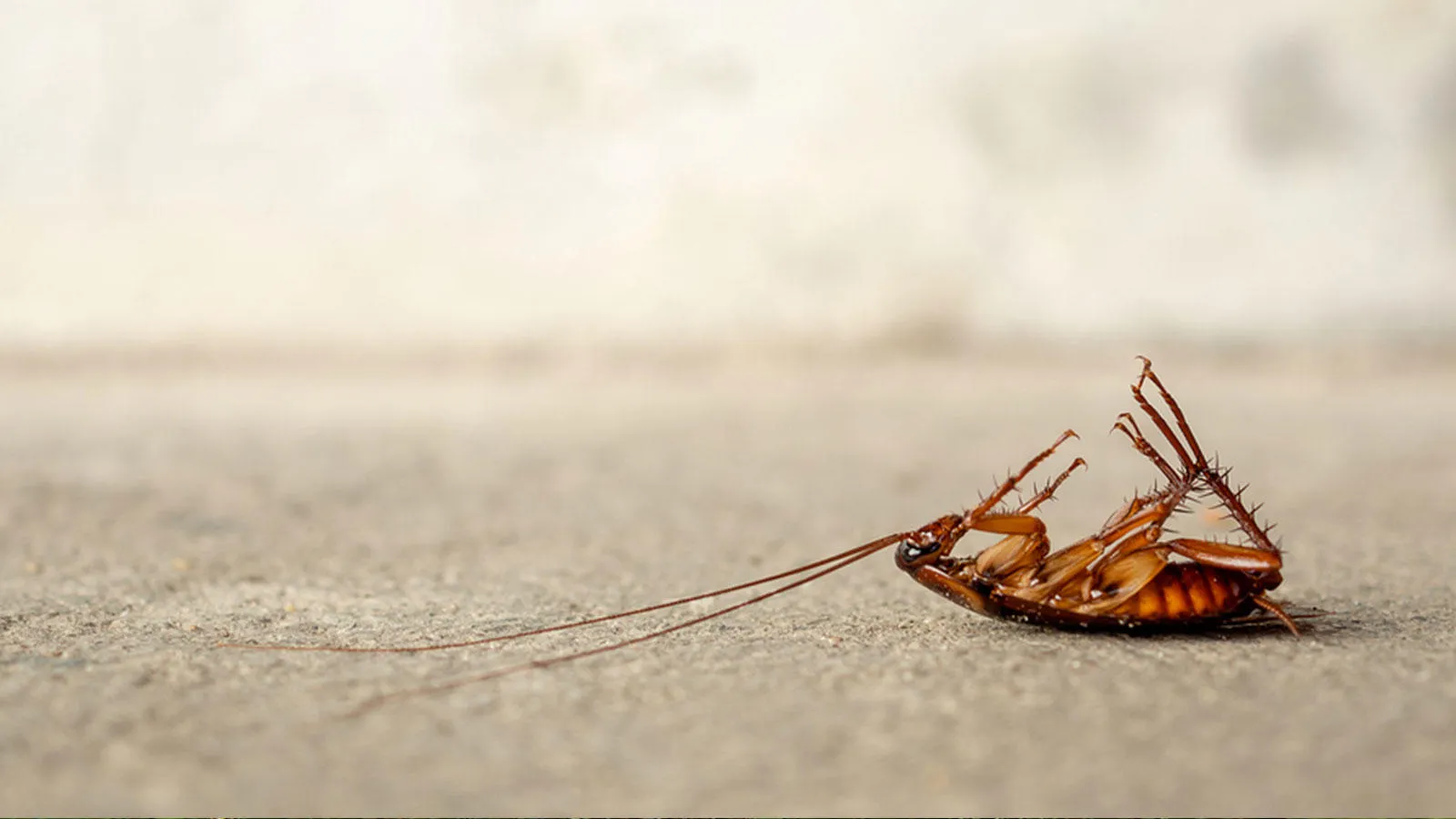
Ace Pest Control
Integrity Pest and Termite

The CanMan
Bill Clark Pest Control, Inc.

Bug Blasters Pest Control

Pest Solutions of North Texas

Pinnacle Pest Defense
BugMan Pest Control & Termite Control
Justice Pest Services
Frequently Asked Questions
Best Professional Treatment
General pest management for common household pests including roaches, ants, spiders, and more
Find Local Exterminators for Palmetto Bugs & Water Bugs Near You
Use our interactive map to find licensed palmetto bugs & water bugs control companies near your Texas location.
Find Licensed Companies by Texas City
Licensed palmetto bugs & water bugs control companies in major Texas cities