
Bee Removal in Texas — Complete Guide
Honey bees and Africanized bees swarm and build hives in walls, soffits, and trees across Texas
Not sure it's a Bees?
Snap a photo — our free AI tool identifies Texas pests in seconds.
About Honey Bees in Texas
Honey bees are the most important pollinators in Texas agriculture, and for most of the year they want nothing to do with you. Problems start when a colony decides your house is a better home than a hollow tree: swarms move into wall voids, soffits, chimneys, attics, water meter boxes, and sheds, then build comb that can hold 40,000 or more bees and dozens of pounds of honey within a single season.
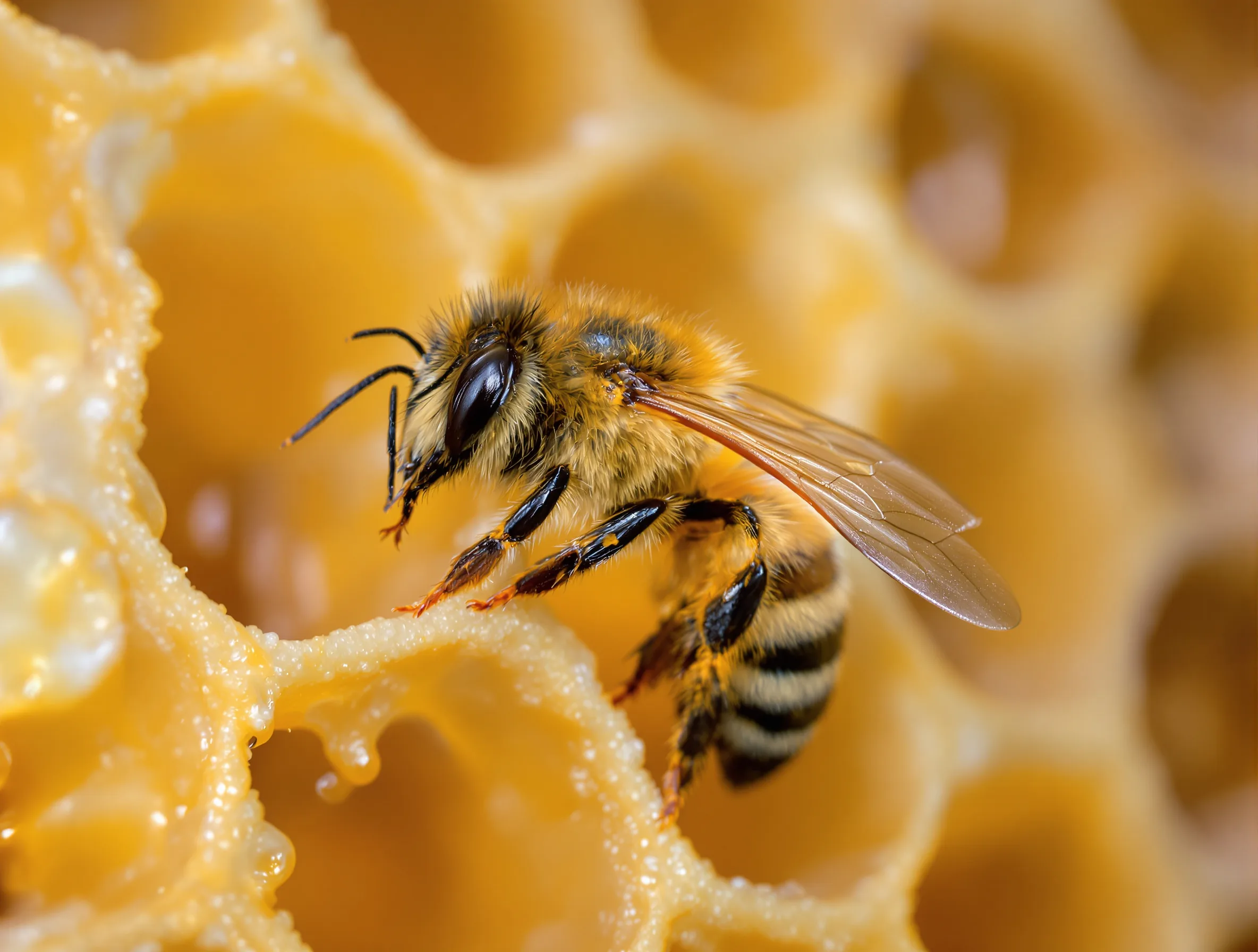
Texas adds a complication most states do not have — Africanized honey bees are established across most of the state. They are visually identical to European honey bees, so there is no way to tell by looking whether a colony will tolerate your presence or defend itself in numbers. That uncertainty is why bee removal in Texas is professional work, not a DIY project.
Africanized Bees in Texas
Africanized ("killer") bees arrived in Texas in 1990 and have since hybridized through most of the state's feral bee population. They build smaller colonies in more unusual places — meter boxes, grills, compost bins, eaves — and they defend those colonies faster, in larger numbers, and pursue threats much farther than European bees, sometimes for a quarter mile or more.
The practical takeaway: never assume a wild colony in Texas is docile. Vibrations from mowers and trimmers, a dog investigating the entrance, or a homeowner poking at the hive can trigger a mass defensive response. People have been seriously stung doing exactly that. If a colony is anywhere near doors, play areas, or pets, keep everyone away and call a licensed professional.
Relocation vs. Extermination
Honey bees are under real population pressure, and Texas beekeepers will happily take a healthy colony. The gold-standard removal is a live cut-out: the technician opens the structure, removes the comb and bees — queen included — and transfers the colony to a beekeeper's hive. Many pest control and wildlife companies partner directly with local beekeepers for exactly this.
Extermination is the fallback, not the default. It is used when a colony is aggressive, when the comb is unreachable, or when a live cut-out is not feasible. Even then, the comb must come out — a sprayed colony left in a wall leaves melting honey, fermenting wax, and a scent beacon that attracts ants, roaches, and the next swarm. Any quote that does not include comb removal is an incomplete job.
Structural Hives: Walls, Soffits & Chimneys
An established colony inside a structure is a construction job as much as a pest job. The technician locates the colony (often with a thermal camera or by listening), opens the wall or soffit at the right spot, removes comb and bees, treats the cavity, and seals the entry point. Repair of the opened section — drywall, siding, soffit panel — is sometimes included in the quote and sometimes priced separately, so ask before work begins.
Never seal a hive entrance or spray it with wasp killer. Trapped bees chew through drywall and emerge inside the house, and a partially killed colony still leaves all the comb behind. Water meter boxes, irrigation valve boxes, and grill covers are favorite Texas nesting spots — check them before reaching in.
Bees vs. Wasps: Know the Difference
Homeowners routinely confuse the two, and the right response differs. Honey bees are fuzzy, golden-brown, and interested in flowers — a swarm resting on a branch is usually calm and cheap to relocate. Paper wasps, yellow jackets, and hornets are smooth-bodied, nest under eaves or in the ground, and are far more likely to sting unprovoked. If you are seeing open gray comb nests under your eaves, that is a wasp problem — see our wasp, hornet & yellow jacket guide for identification and removal options.
What Bee Removal Costs in Texas
Pricing follows the comb. A resting swarm with no comb built is $100 to $250 to box up — and local beekeepers sometimes collect accessible swarms for free. An accessible established hive runs $150 to $500. A structural cut-out in a wall, soffit, or attic runs $300 to $1,000 or more, plus repair. Our bee removal cost guide breaks down the price ranges and the factors that move a quote up or down.
Finding a Licensed Bee Removal Company
The companies on this page hold active Texas Department of Agriculture structural pest control licenses, typically in the wildlife (W) category that covers live relocation work. Ask two questions before booking: whether the bees will be relocated alive, and whether comb removal and entry sealing are included in the quote. You can also browse licensed operators on the bee removal near me map to find the closest provider.
Licensed Texas Companies
537 companies offering wildlife removal
537 companies

Adams Exterminating
Integrity Pest and Termite
Justice Pest Services

Pest Control Conroe - Full Scope
Georgetown Pest Control
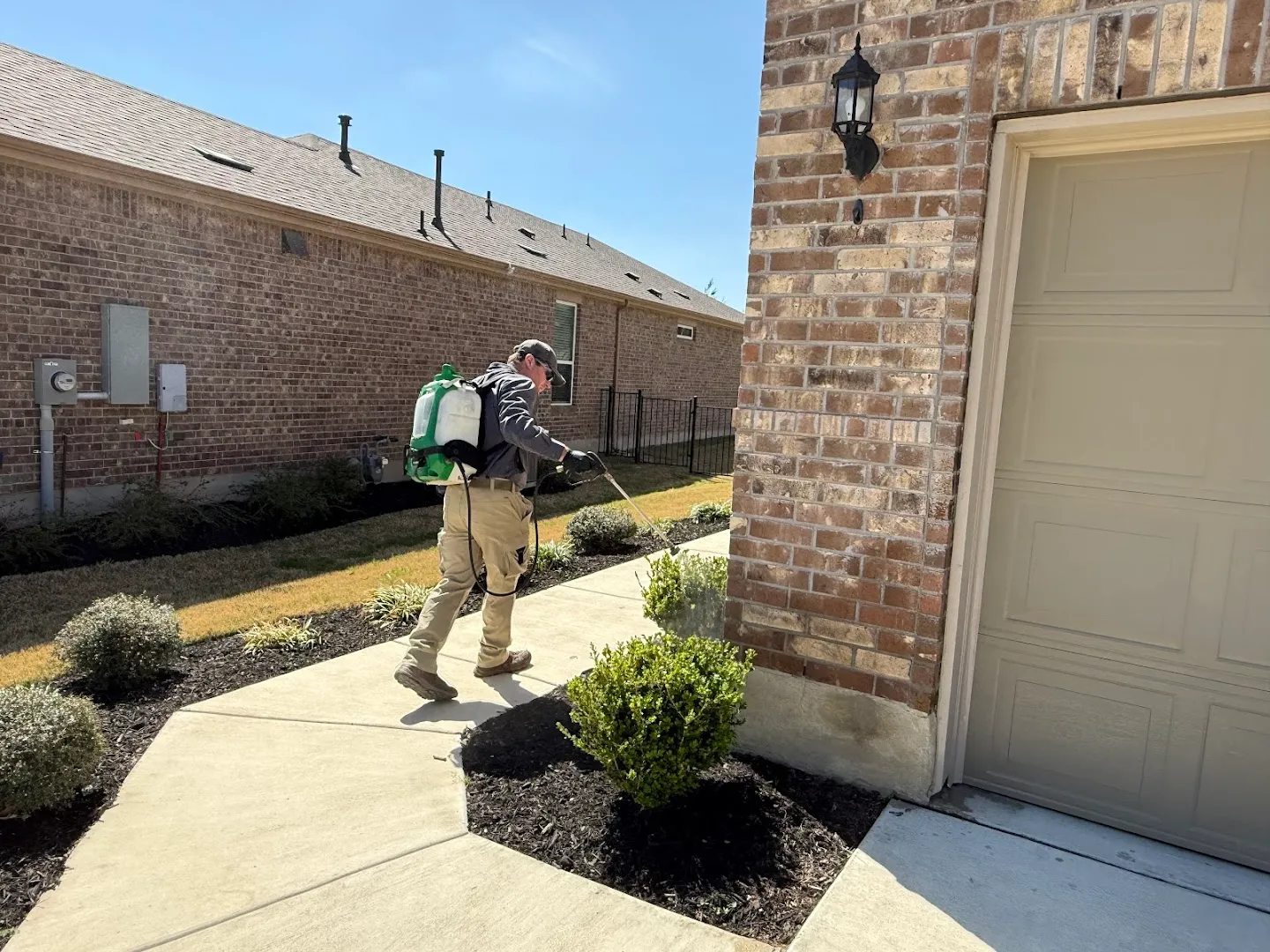
EvoFoam Pest Control
The Bug Master

Urban Texas Pest Control
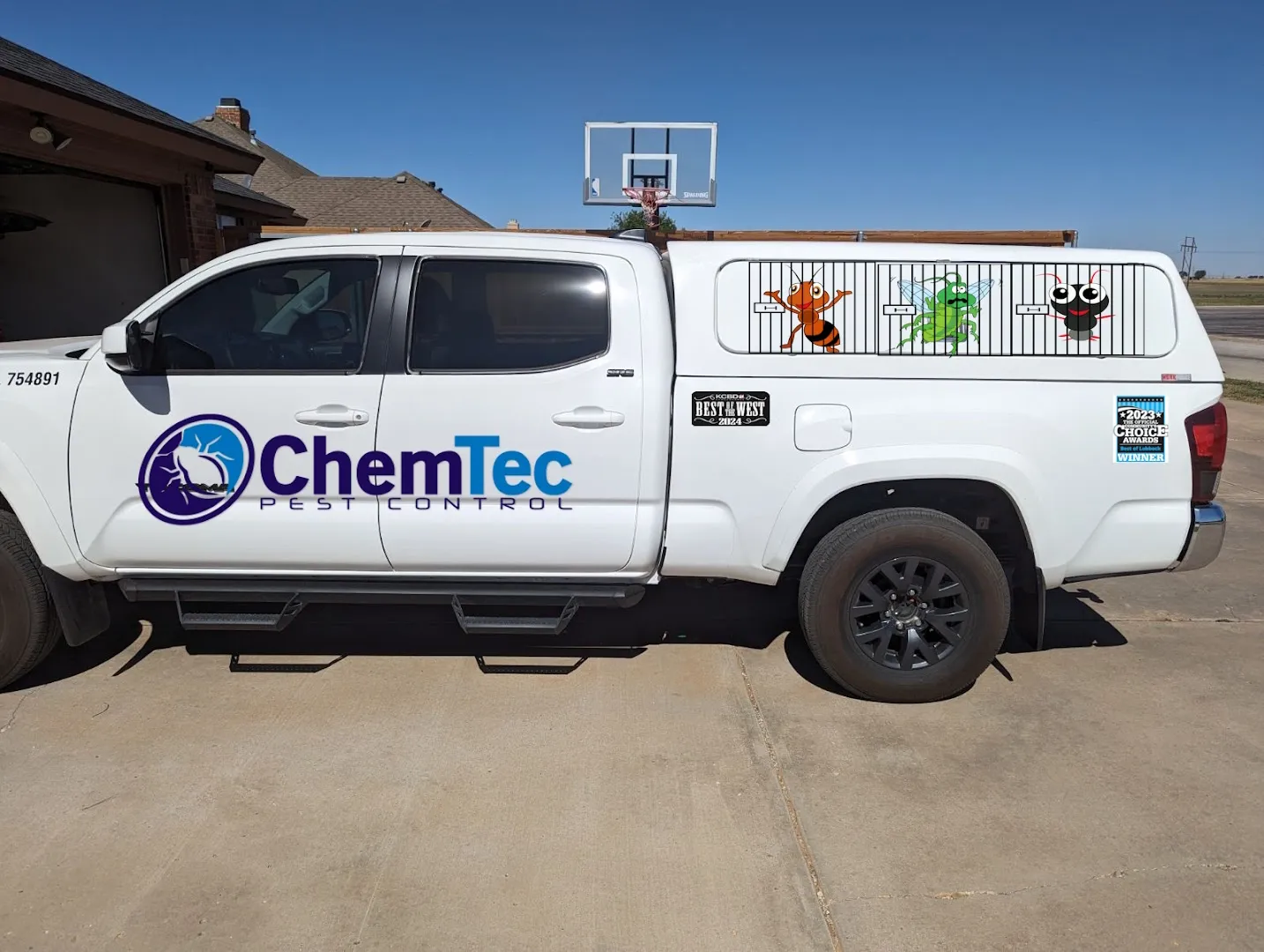
ChemTec Pest Control
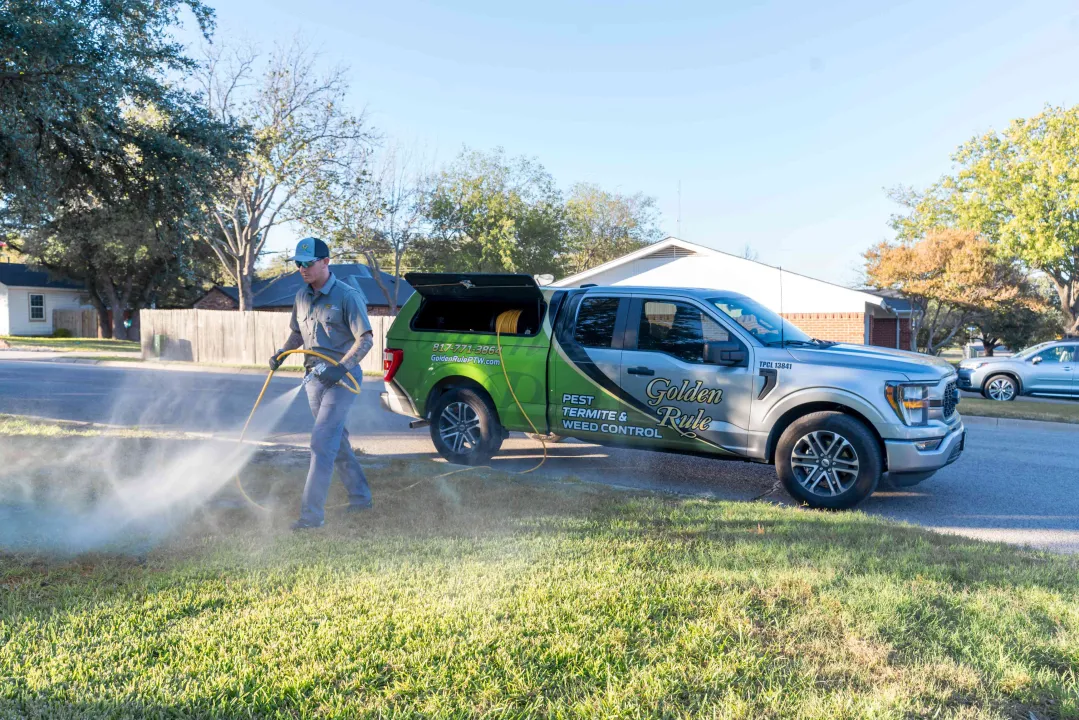
Golden Rule Pest Termite & Weed Control

Covenant Pest Control
Big M Pest Control
Hunter Pest Control
Yellow City Pest Control
Phillips Pest Solutions
Zappit Weed and Pest Control llc
Critter Call Pest Control
Ross Pest and Lawn
Frequently Asked Questions
Best Professional Treatment
Humane removal of raccoons, opossums, bats, squirrels, skunks, and other wildlife
Find Local Exterminators for Bees Near You
Find licensed bee removal and live bee relocation services near your Texas location.
Find Licensed Companies by Texas City
Licensed bees control companies in major Texas cities