
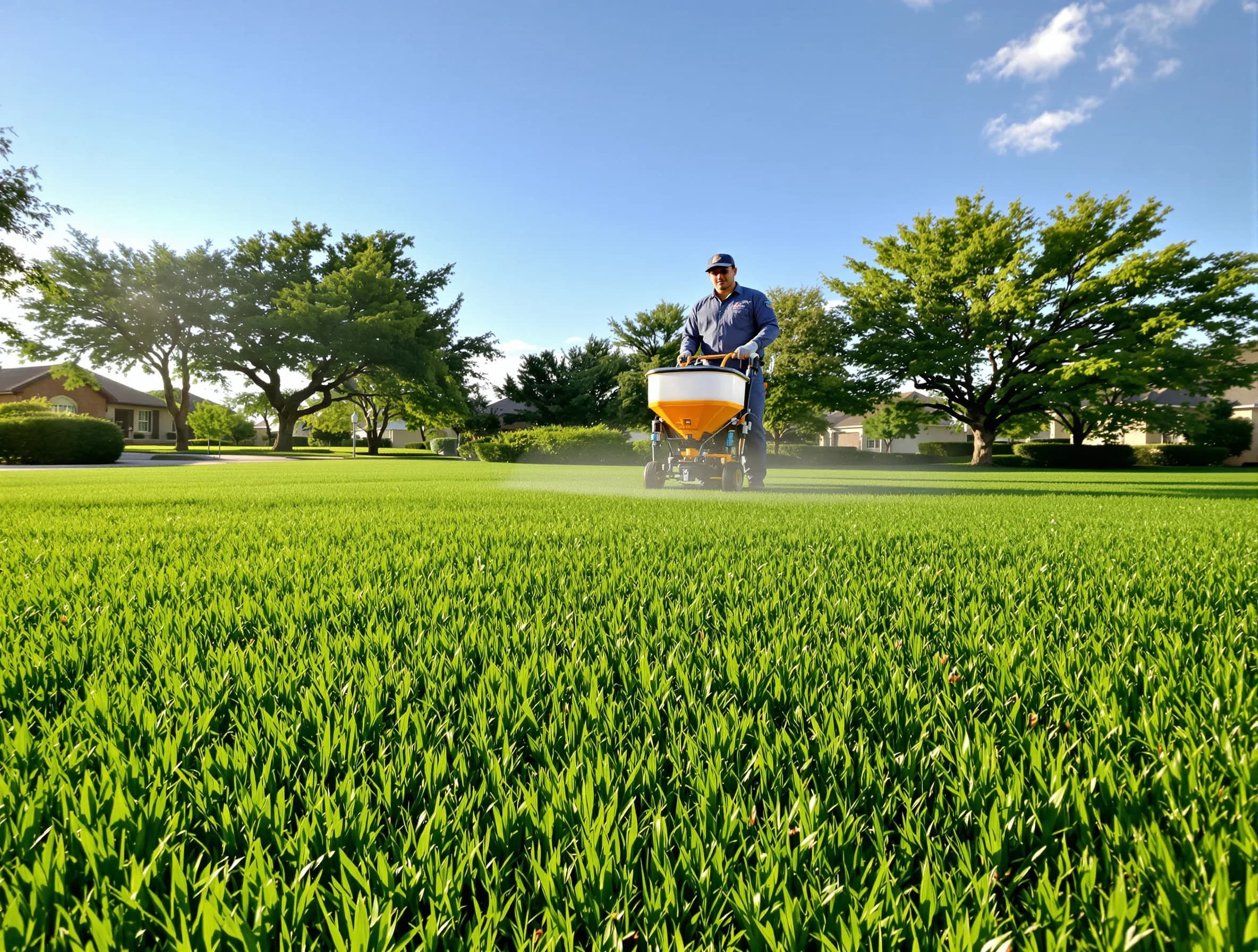
Lawn & Landscape Care in Texas
Lawn pest control, grub treatment, fire ant yard management, and landscape protection
Lawn & Landscape Pest Control in Texas
A healthy lawn is more than curb appeal — it is the first line of defense against pests that eventually move indoors. Texas lawns face a unique set of challenges driven by the state's long growing season, intense summer heat, and diverse insect populations. Licensed lawn pest control companies in Texas carry the appropriate TPCL category codes, and those providing weed management hold an "L" (Lawn & Ornamental) license through the Texas Department of Agriculture.
Common Lawn Pests in Texas
- White grubs — The larval stage of June bugs and masked chafers. Grubs feed on grass roots just below the soil surface, causing irregular brown patches that peel away like carpet. Peak damage occurs from late summer through fall.
- Chinch bugs — Tiny insects that suck sap from St. Augustine grass, the most popular lawn grass in Texas. Damage appears as expanding yellow patches, often starting near driveways and sidewalks where heat stress is highest.
- Fall armyworms — Caterpillars that can devastate an entire lawn in 24 to 48 hours. They feed on Bermuda grass and other warm-season turf from late August through October. Early morning or evening scouting is key to catching an infestation before major damage occurs.
- Fire ants — Red imported fire ants build mounds in open, sunny areas of lawns. Their painful stings are a hazard for families, pets, and outdoor workers. A single acre of Texas land can harbor dozens of active colonies.
Fire Ant Yard Treatment
The Texas A&M AgriLife Extension Service recommends the "Two-Step Method" for fire ant management: first, broadcast a bait product such as Amdro or Extinguish Plus across the entire yard; then, two to three days later, treat individual mounds that remain active with a contact drench or dust. This approach reduces colony counts by 80 to 90 percent and provides control for several months.
Weed Management
Companies holding the Texas "L" license can apply pre-emergent and post-emergent herbicides as part of a lawn care program. Pre-emergent applications in late February and early September target crabgrass, annual bluegrass, and other seasonal weeds before germination. Post-emergent spot treatments address broadleaf weeds such as dandelions, clover, and dollarweed during the growing season.
Seasonal Treatment Calendar for Texas
- Late February – March: Pre-emergent herbicide for spring weeds. Begin fire ant broadcast baiting once soil temperatures reach 65°F.
- April – May: First application of grub preventive (chlorantraniliprole). Monitor for chinch bug activity in St. Augustine lawns.
- June – August: Peak chinch bug season. Treat as needed. Maintain fire ant bait program. Water deeply but infrequently to encourage strong root growth.
- September – October: Scout for fall armyworms weekly. Apply pre-emergent for winter weeds. Second round of fire ant baiting.
- November – January: Reduced pest pressure. Spot treat any remaining weed issues. Good time for soil testing and lime or sulfur amendments.
Cost of Lawn Pest Treatment in Texas
- Per-treatment visit: $50–$150 (depending on lawn size and products used)
- Annual program (6–8 visits): $350–$900
- Fire ant treatment (full yard): $80–$200
- Armyworm emergency treatment: $75–$150
Lawn & Ornamental Pest Control — FAQ
How often should I treat my lawn for pests?
A well-managed Texas lawn typically requires six to eight treatments per year — roughly every six to eight weeks during the active season (March through October) with reduced visits in winter.
Will lawn pesticides harm my pets?
Professional applicators use products registered for residential turf and follow label guidelines for re-entry intervals. Most granular and liquid lawn treatments are safe for pets once the product has dried or been watered in, usually within one to two hours.
Can I apply lawn pest products myself?
Homeowners can purchase and apply many consumer-grade lawn care products. However, professional applicators have access to commercial-grade products and application equipment that deliver more consistent results, especially for grub control and fire ant management across large properties.
What grass type is most pest-resistant in Texas?
Bermuda grass and Zoysia grass are generally more resistant to chinch bugs and fungal diseases than St. Augustine. However, every grass type in Texas is susceptible to grubs, armyworms, and fire ants.
When is the best time to start a lawn care program?
Late February is ideal. Applying pre-emergent herbicide before soil temperatures reach 55°F prevents spring weed germination and gives your lawn a head start heading into the growing season.
Licensed Texas Companies
777 licensed companies offering lawn & landscape care
777 companies
Urbanex Pest Control
EnviroCon Pest Control
X Out Pest Services
Adams Exterminating
Ace Pest Control
Integrity Pest and Termite

Bug Blasters Pest Control

Justice Pest Services

Pest Control Conroe - Full Scope
Georgetown Pest Control
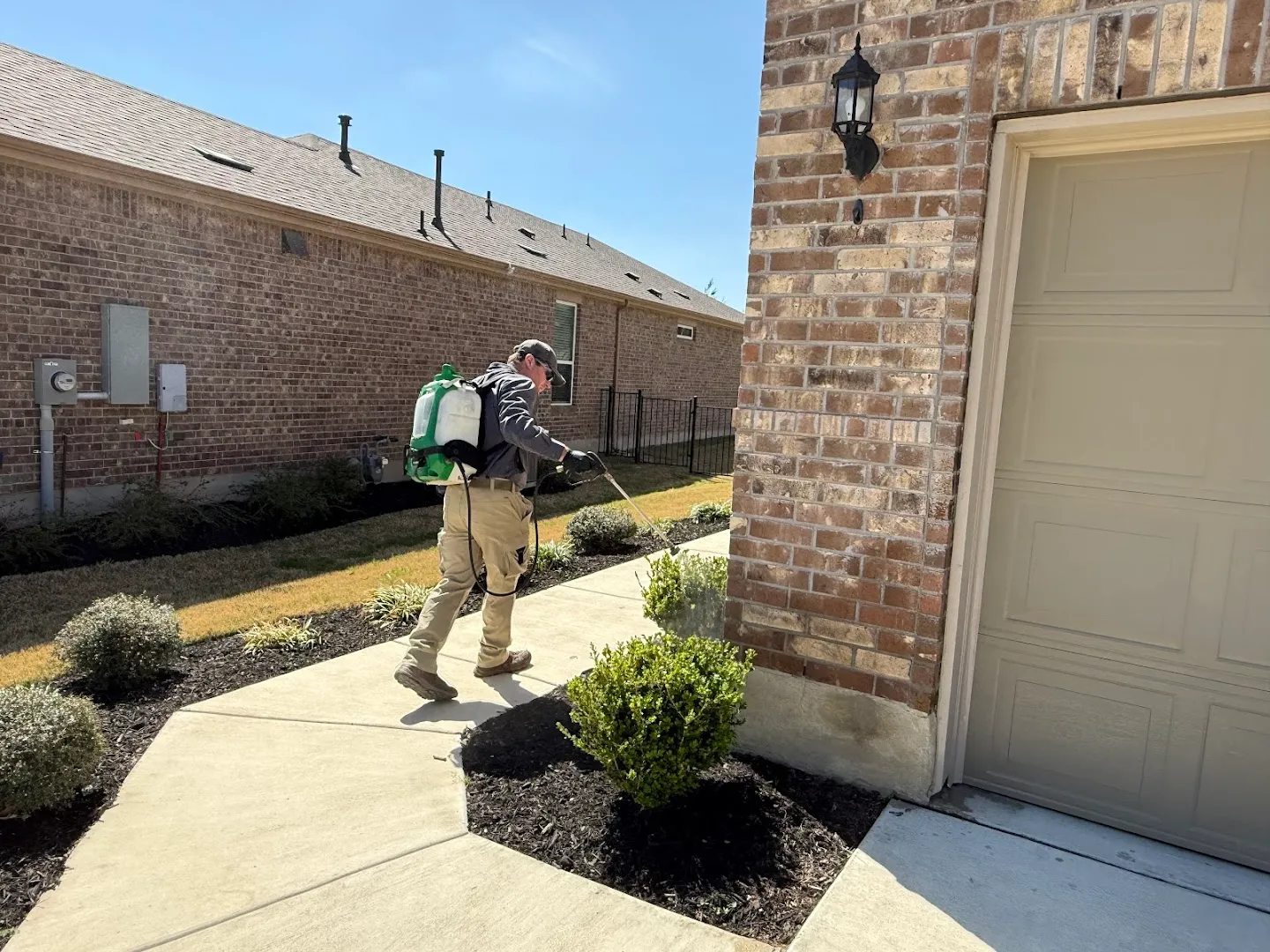
EvoFoam Pest Control
Moore Pest Control
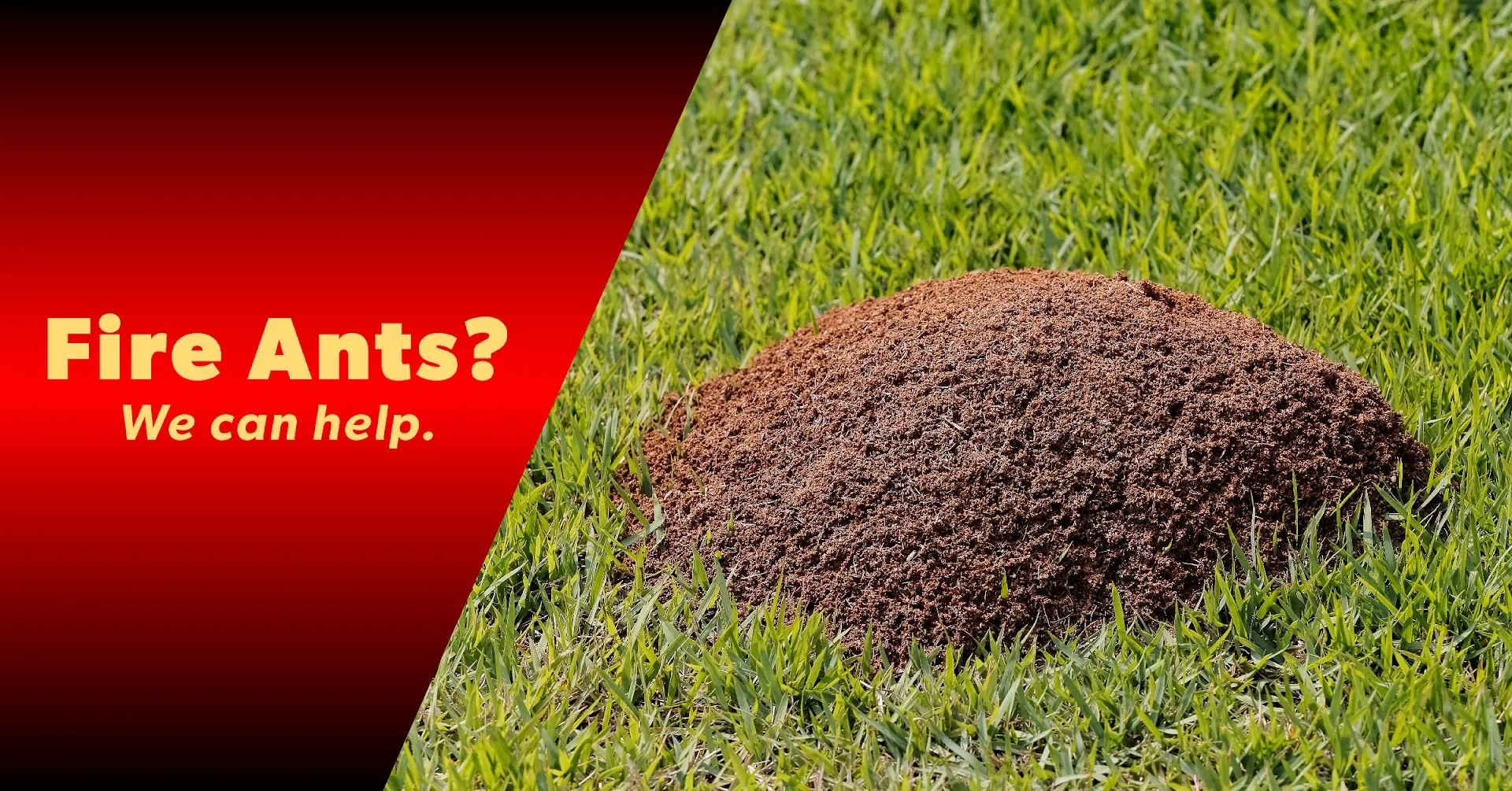
The Bug Master

Urban Texas Pest Control
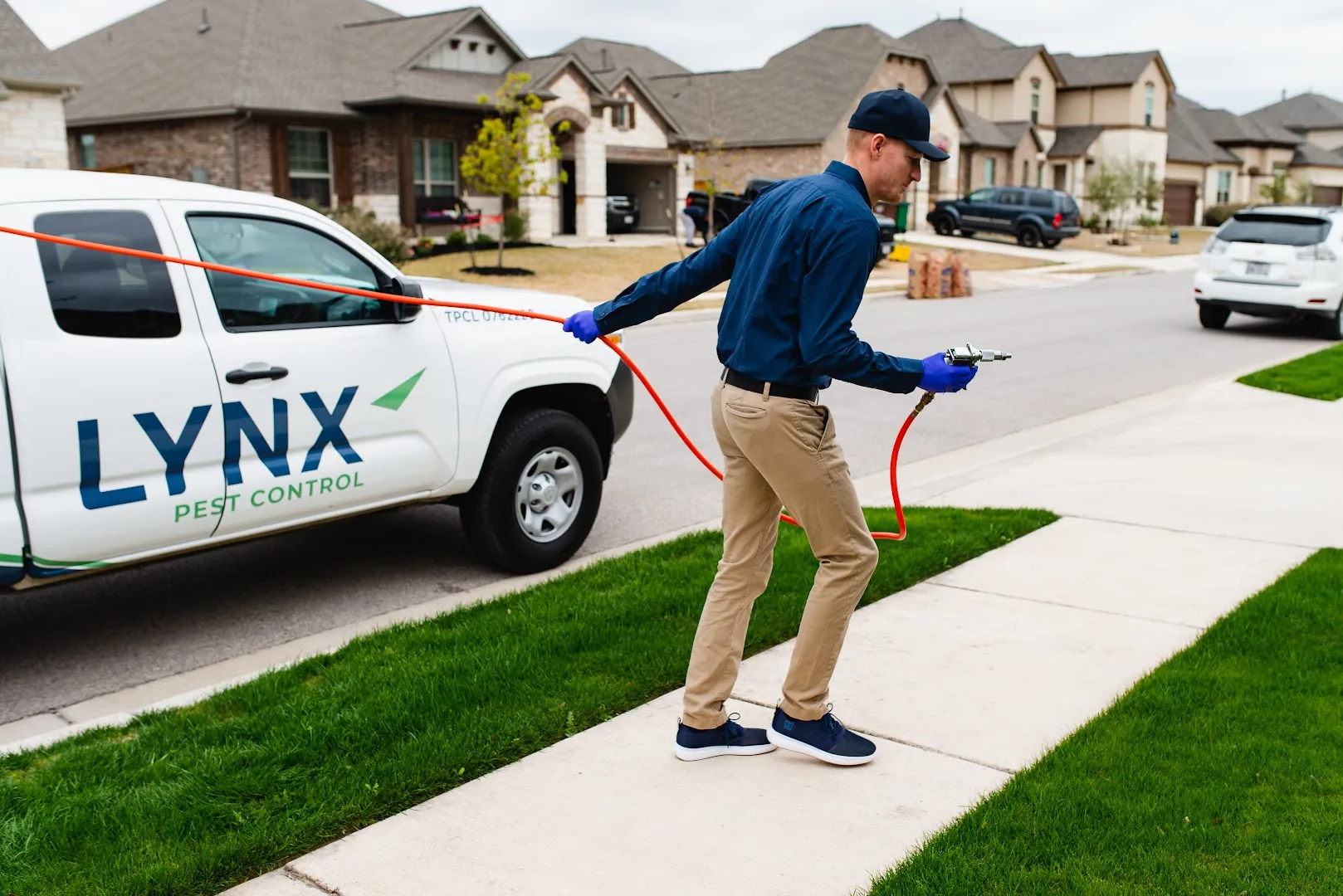
LYNX Pest Control
ChemTec Pest Control
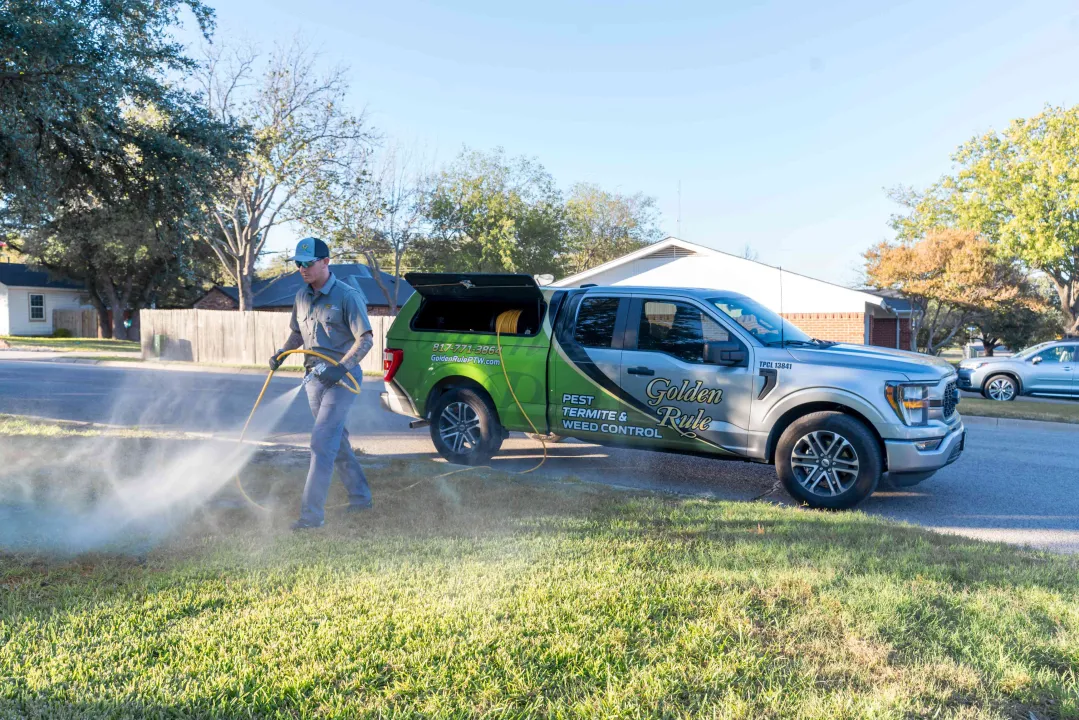
Golden Rule Pest Termite & Weed Control
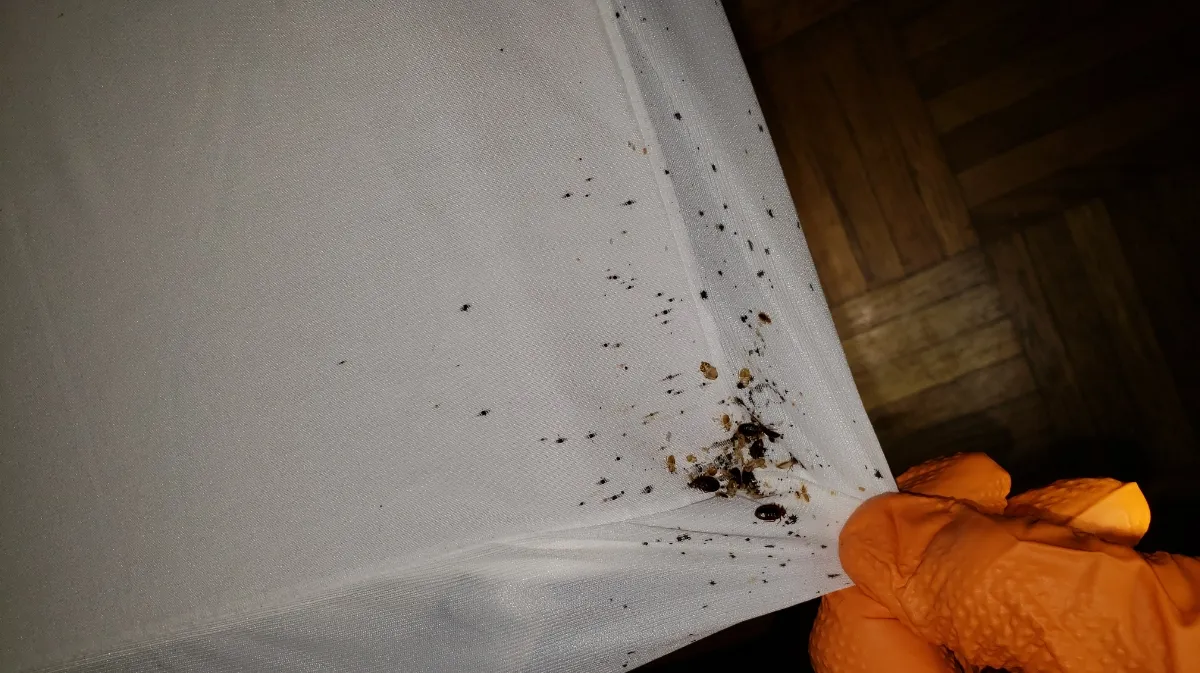
Richmond Pest Control
Related Pest Guides
Detailed guides for pests addressed by lawn & landscape care
Find Providers by Texas City
Browse licensed lawn & landscape care providers in major Texas cities