

Drywood Termites in Texas — Complete Guide
No soil contact needed — infests furniture, attics, and framing in South and coastal Texas
Not sure it's a Drywood Termites?
Snap a photo — our free AI tool identifies Texas pests in seconds.
Quick facts — drywood termites in Texas
- Species: several drywood termites (family Kalotermitidae), including Incisitermes minor and Cryptotermes brevis
- Lifestyle: live entirely inside wood — no soil contact, no mud tubes
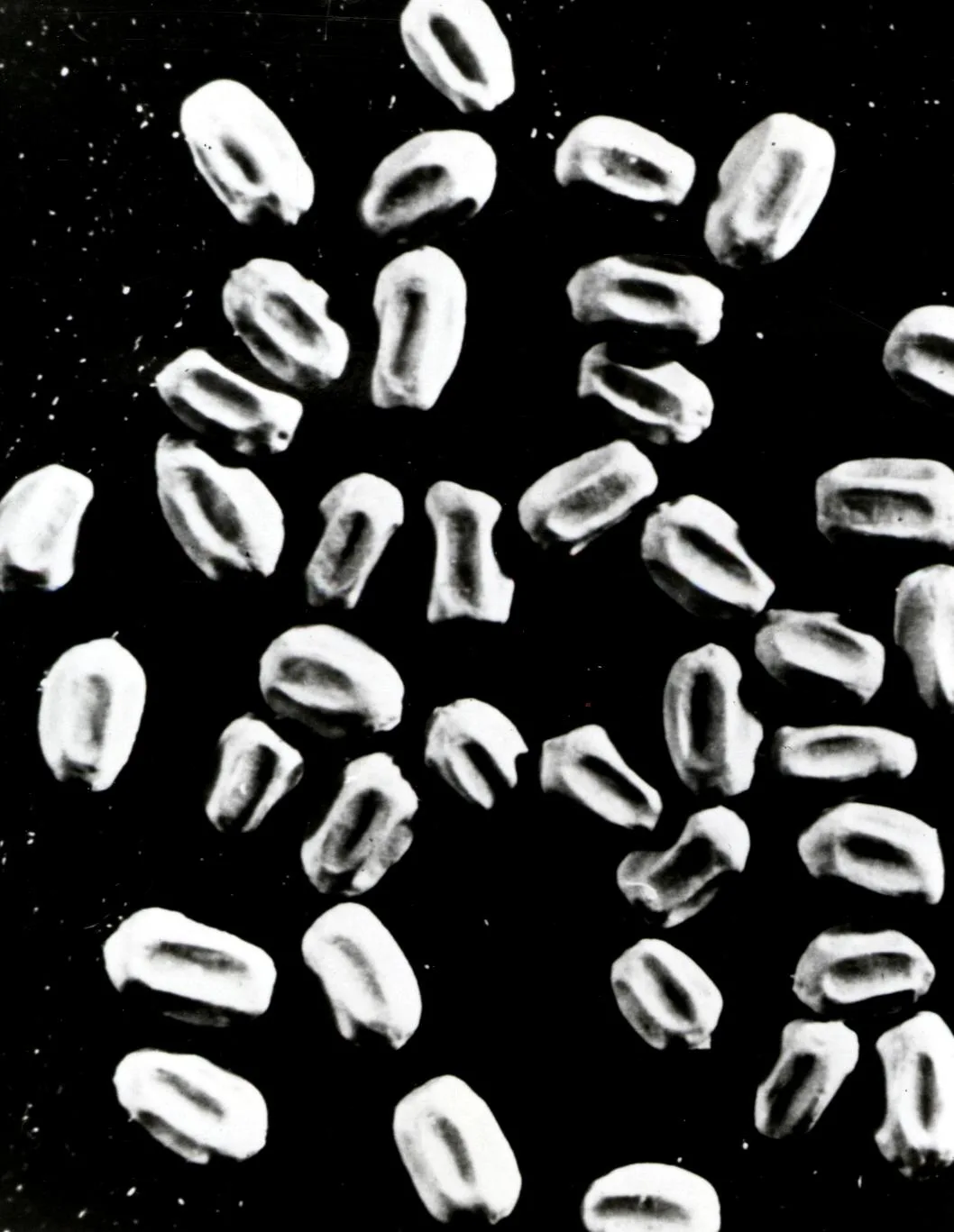
- #1 sign: piles of hard, six-sided fecal pellets (frass) below tiny kick-out holes
- Texas range: South Texas and the Gulf Coast — Corpus Christi, Brownsville, Rio Grande Valley, Houston-Galveston
- Colony size: small — a few thousand; damage is slow but spreads to furniture and upper stories
- Treatment: spot treatment ($200–$600/area) for localized infestations; fumigation ($2,000–$8,000) for widespread ones
About Drywood Termites in Texas
Drywood termites are the termites that don't need the ground. Unlike subterranean termites, a drywood colony lives its entire life inside the piece of wood it is eating — a rafter, a window frame, a rocking chair — extracting all the moisture it needs from the wood itself. No mud tubes, no soil contact, no foundation treatment. In Texas they are concentrated in the humid south and along the coast, but they travel anywhere people move infested furniture.
For an overview of all three termite types and inspection guidance, see our Texas termite guide. This page goes deeper on the drywood species.
Identifying Drywood Termites
Frass — The Signature Sign
Drywood termites keep their galleries clean by pushing their feces out through pinhole-sized "kick-out holes." The result is frass: tiny, hard pellets about 1/16 inch long with six concave sides, the color of the wood being eaten, accumulating in small conical piles on windowsills, floors, furniture, and spider webs below the infestation. Frass looks like coarse sawdust or coffee grounds at first glance — feel it: pellets are hard and gritty, not soft like wood dust. A frass pile is the single most reliable drywood sign, and it reappears after cleaning as long as the colony is active.
Swarmers
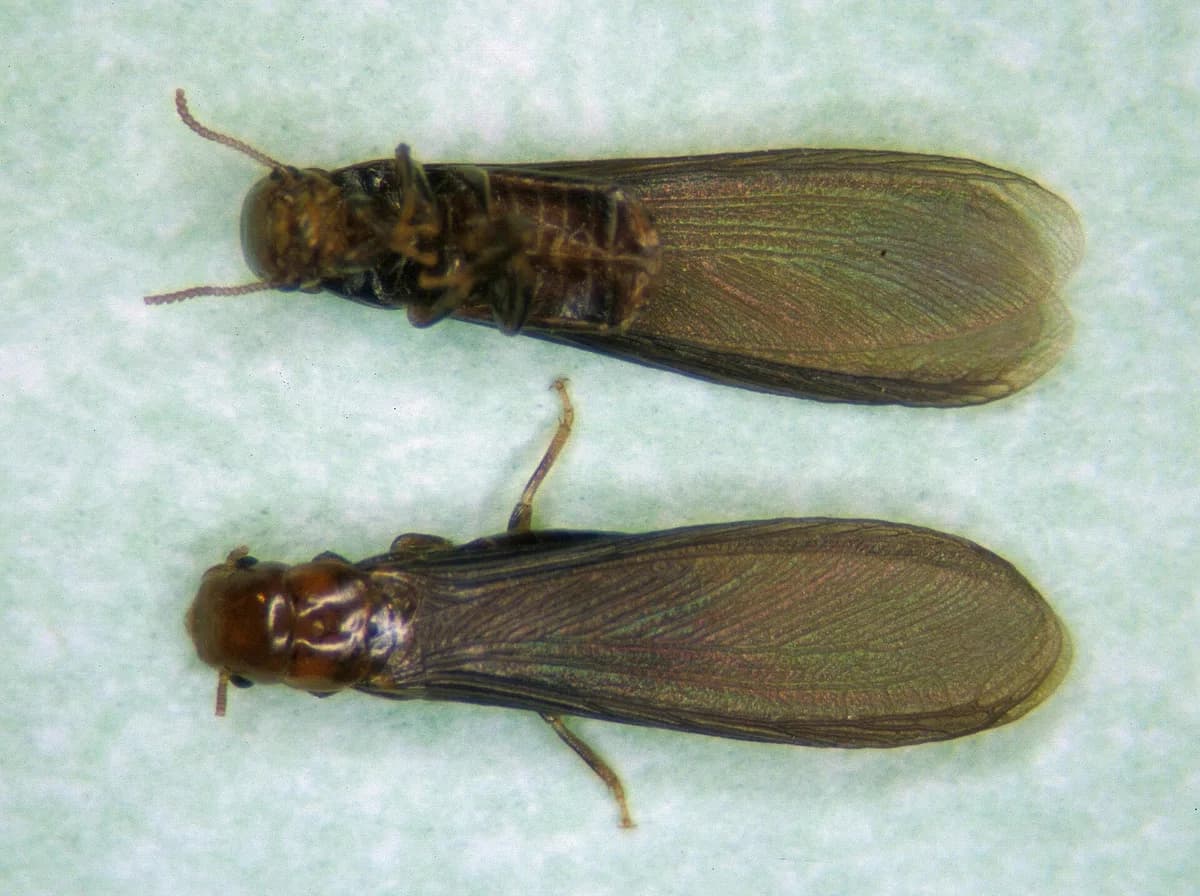
Drywood swarmers are larger than subterranean swarmers — about 1/2 inch including wings — with light to reddish-brown bodies and dark, smoky wings. In Texas they swarm from late summer into fall (September through November along the coast), typically in late afternoon and evening, and are drawn to lights. Because colonies live inside the wood, swarmers often emerge indoors — a swarm or wing pile inside the house is a strong drywood indicator.
Workers and Galleries
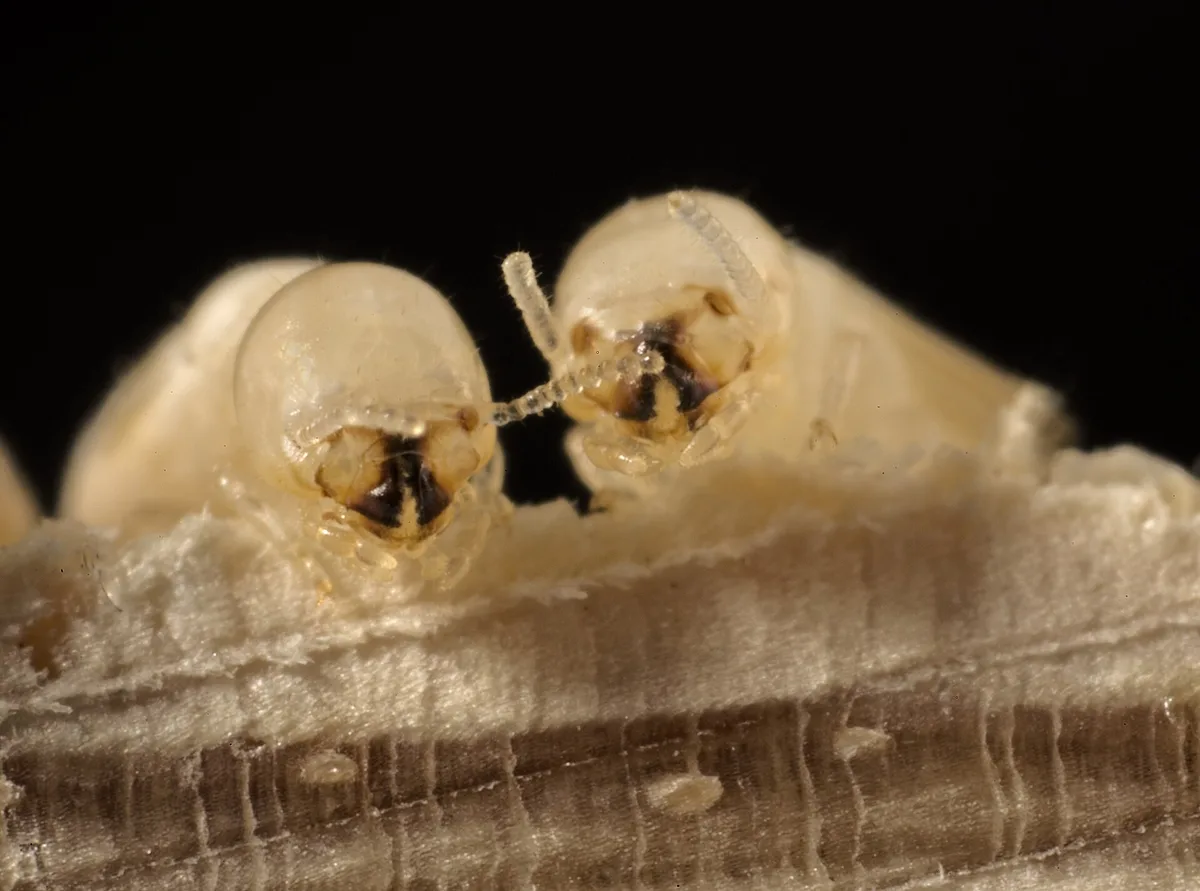
Drywood workers (technically "pseudergates") are cream-colored and slightly larger than subterranean workers. If you cut into infested wood, the galleries themselves are diagnostic: drywood galleries are smooth-walled and clean, cutting across the wood grain in all directions, with loose pellets scattered inside — very different from the dirt-lined, grain-following galleries of subterranean termites.
Where Drywood Termites Live in Texas
Drywood termites need humidity but not soil, which fixes their Texas range: South Texas (Corpus Christi, Brownsville, the Rio Grande Valley), the Gulf Coast from Galveston through Houston, and coastal bend communities. Infestations in North and West Texas are usually traced to infested furniture, picture frames, or wooden décor moved from coastal areas — a classic way drywood termites reach inland homes. Inside structures they attack attic framing, roof sheathing, window and door frames, fascia and eaves, hardwood flooring, furniture, and trim — including second stories and attics that subterranean termites rarely reach.
The Damage They Cause
Drywood colonies are small — a few thousand members at most — and they eat slowly. The problem is persistence and placement: a colony can feed inside the same rafter or window frame for a decade, hollowing it from within, while new colonies from annual swarms spread the infestation to other parts of the house. Furniture infestations destroy antiques and wooden heirlooms. Left alone for years, accumulated colonies can require fumigation of the entire structure — which is why early frass sightings are worth investigating immediately.
Treatment: Fumigation vs Spot Treatment
Localized Spot Treatment
When the infestation is confirmed to one accessible area — a window frame, a furniture piece, a section of trim — technicians drill into the galleries and inject termiticide foam, dust, or liquid directly, or treat the area with heat (120–140°F for several hours). Infested furniture can sometimes be removed, treated in a vault, or replaced. Spot treatment typically costs $200 to $600 per area and avoids tenting entirely.
Whole-Structure Fumigation
When infestations are widespread or in inaccessible framing, fumigation (tenting) is the definitive option: the entire structure is sealed and filled with sulfuryl fluoride gas that penetrates every piece of wood, killing all colonies at once. It costs $2,000 to $8,000 depending on size, requires vacating for 2 to 3 days, and leaves no residual protection — prevention afterward matters. Fumigation is the standard for established coastal Texas infestations.
A WDI inspection determines which route fits your situation. Browse licensed termite treatment companies below, and see our termite guide for inspection details.
Drywood Termite Prevention Tips
- Inspect second-hand wooden furniture, frames, and décor for kick-out holes and frass before bringing them home — especially items from coastal Texas.
- Paint, varnish, or seal exposed wood — drywood termites prefer to enter through bare wood and tiny cracks.
- Screen attic and crawl-space vents to keep swarmers out during the September–November swarm season.
- Keep exterior trim, fascia, and eaves caulked and painted; seal cracks around window and door frames.
- Watch windowsills and furniture for frass piles during late summer and fall, and act on the first pile you find — spot treatment is only an option while the infestation is localized.
- Schedule annual WDI inspections if you live in South or coastal Texas.
Licensed Texas Companies
1860 companies offering termite control
1,860 companies

Romex Pest & Termite Control

Inspect It Austin
Urbanex Pest Control
A-Action Home Inspection Houston
Forterra Pest Control
EnviroCon Pest Control

X Out Pest Services

Adams Exterminating

Innovative Pest Control

Cerv Property Solutions San Antonio
Ace Pest Control
Integrity Pest and Termite
A Plus Inspections of Texas

The CanMan
Bill Clark Pest Control, Inc.

Bug Blasters Pest Control

Pest Solutions of North Texas

Pinnacle Pest Defense
Frequently Asked Questions
Best Professional Treatment
Inspection, treatment, and prevention of subterranean, drywood, and Formosan termites
Find Local Exterminators for Drywood Termites Near You
Use our interactive map to find licensed drywood termites control companies near your Texas location.
Find Licensed Companies by Texas City
Licensed drywood termites control companies in major Texas cities