
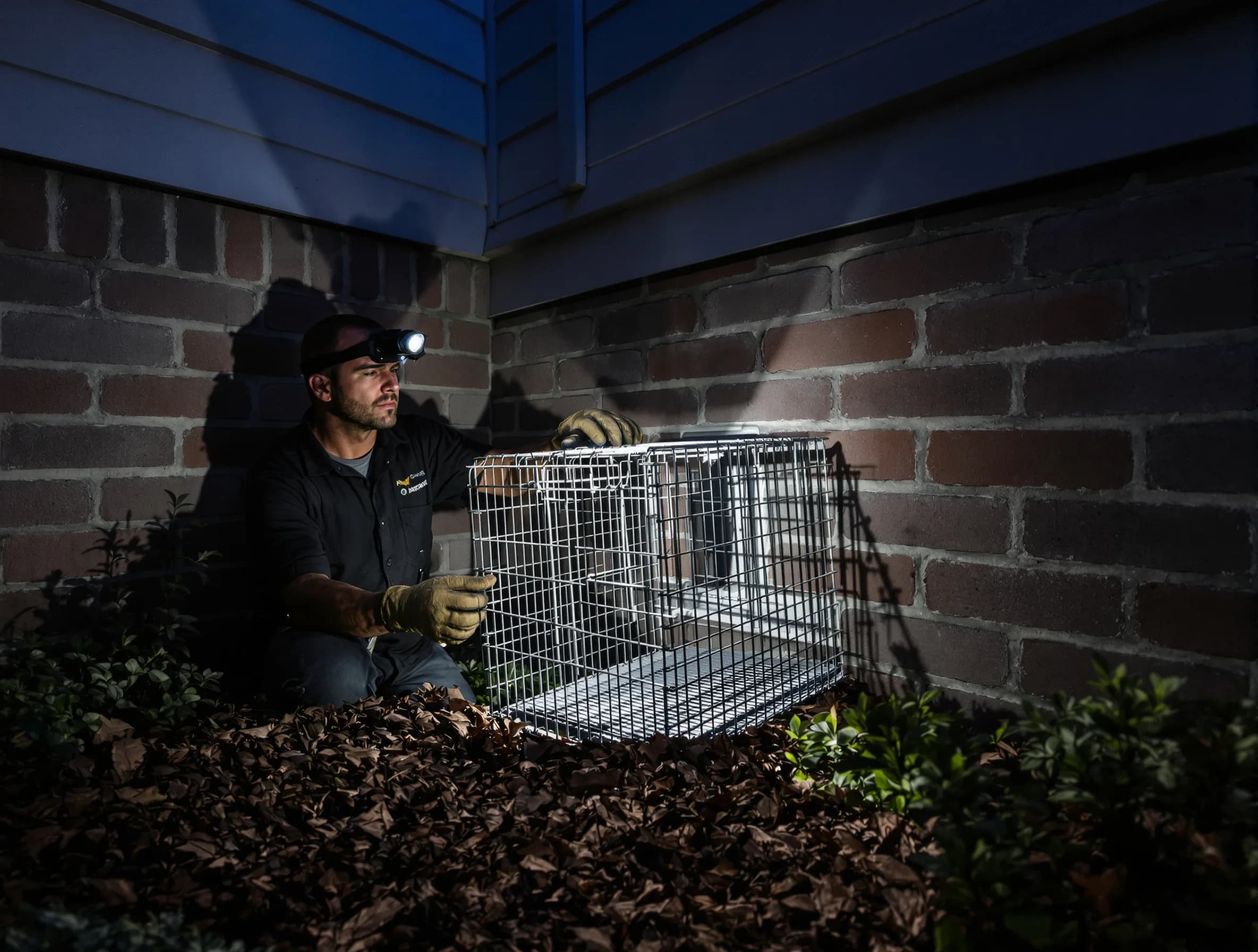
Wildlife Removal in Texas
Humane removal of raccoons, opossums, bats, squirrels, skunks, and other wildlife
Wildlife Removal Services in Texas
As Texas cities expand into previously undeveloped land, encounters between people and wildlife are increasingly common. Professional wildlife removal companies are licensed to safely capture, exclude, and relocate nuisance animals while complying with state and federal regulations. In Texas, wildlife control operators typically hold a TPCL license with the appropriate category code and may also need permits from the Texas Parks & Wildlife Department (TPWD).
Common Nuisance Wildlife in Texas
- Raccoons — Highly adaptable and frequently found in attics, chimneys, and crawl spaces. Raccoons can cause significant damage to insulation, wiring, and ductwork. They are also a primary carrier of rabies in Texas.
- Opossums — North America's only marsupial. Opossums den under decks, sheds, and porches. While generally non-aggressive, they can damage gardens and leave droppings that attract insects.
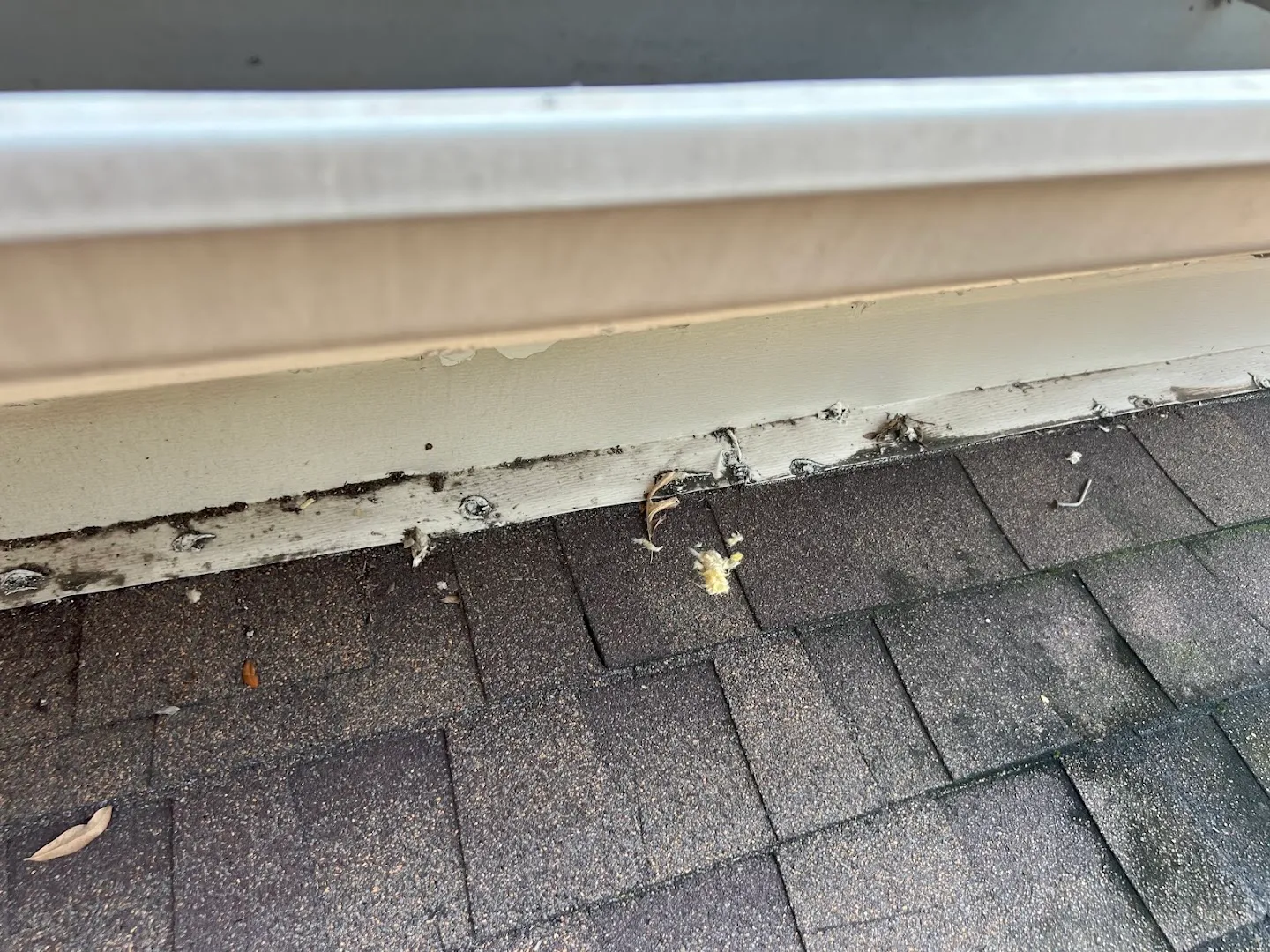
- Squirrels — Fox squirrels and Eastern gray squirrels chew through soffit vents and fascia boards to access attics. They gnaw on electrical wiring, creating a fire hazard.
- Bats — Mexican free-tailed bats and evening bats roost in attics, barns, and wall voids. Bat guano accumulates quickly and poses respiratory health risks (histoplasmosis). Bats are protected under Texas law, and exclusion must be timed outside the maternity season (May through August).
- Skunks — Striped skunks dig under foundations, decks, and stoops. Beyond the obvious odor risk, skunks are a secondary rabies vector in the state.
Texas Laws and Regulations
Wildlife management in Texas is governed primarily by the Texas Parks & Wildlife Department. Key regulations include:
- Fur-bearing animals (raccoons, opossums, skunks, foxes) may be trapped by licensed wildlife control operators using approved methods. A TPWD trapping license or wildlife control permit may be required depending on the situation.
- Protected species — All bats in Texas are protected. Exclusion is the only legal method, and it cannot be performed between May 1 and August 15 when flightless young may be present. Most migratory birds are protected under federal law (the Migratory Bird Treaty Act).
- Relocation restrictions — Texas law generally prohibits relocating trapped animals to public land. Operators must release animals on private property with the landowner's permission, or humanely euthanize them in accordance with TPWD guidelines.
Humane Removal vs. Lethal Methods
Reputable wildlife removal companies prioritize humane live-capture traps and one-way exclusion devices whenever possible. One-way doors allow animals to leave a structure but prevent re-entry, encouraging them to relocate on their own. Lethal methods are used only when required by law (e.g., a rabies-suspect animal) or when other methods have proven ineffective.
Exclusion and Prevention
Removal without exclusion is a temporary fix. A thorough wildlife control job includes sealing all entry points — gaps in roofline intersections, uncapped chimneys, damaged soffit vents, foundation cracks, and open plumbing or utility penetrations. Heavy-gauge galvanized hardware cloth and steel flashing are standard materials for permanent exclusion work. Trimming tree branches that overhang the roof eliminates a major access route for squirrels and raccoons.
Cost of Wildlife Removal in Texas
- Inspection and assessment: $75–$150 (often credited toward service)
- Single-animal removal (trap and relocate): $200–$500
- Bat exclusion (whole house): $500–$1,500
- Attic restoration (insulation, sanitization): $1,000–$5,000+
- Full exclusion and sealing: $400–$1,500
Wildlife Removal — FAQ
Can I trap and relocate wildlife myself in Texas?
Homeowners may trap nuisance fur-bearing animals on their own property using legal methods, but relocation to public land is prohibited. For protected species like bats, professional exclusion is required. Hiring a licensed operator ensures legal compliance and reduces risk of injury.
How do I know if an animal is in my attic?
Common signs include scratching or thumping noises (especially at dawn, dusk, or night), droppings in the attic, stains on ceilings from urine, chewed wiring or insulation, and a strong musty or ammonia-like odor.
Are raccoons dangerous?
Raccoons can carry rabies, canine distemper, and raccoon roundworm. They will bite if cornered. Never attempt to handle a raccoon yourself. Contact a licensed wildlife removal professional.
When can bats be excluded from my home?
Bat exclusion in Texas can only be performed from mid-August through April. During the maternity season (May 1 through August 15), flightless pups may be trapped inside and die, which is both illegal and creates secondary pest and odor problems.
Will my homeowner's insurance pay for wildlife damage?
Coverage varies by policy. Some policies cover sudden damage (e.g., a raccoon tearing through a roof), but most exclude gradual damage from nesting animals. Check your policy or speak with your agent before filing a claim.
Licensed Texas Companies
537 licensed companies offering wildlife removal
537 companies
Adams Exterminating
Integrity Pest and Termite
Justice Pest Services

Pest Control Conroe - Full Scope
Georgetown Pest Control
EvoFoam Pest Control
The Bug Master
Urban Texas Pest Control
ChemTec Pest Control
Golden Rule Pest Termite & Weed Control
Covenant Pest Control
Big M Pest Control
Hunter Pest Control
Yellow City Pest Control
Phillips Pest Solutions
Zappit Weed and Pest Control llc
Critter Call Pest Control
Ross Pest and Lawn
Related Pest Guides
Detailed guides for pests addressed by wildlife removal
Mice and rats seeking shelter, contaminate food and gnaw wiring
Nocturnal trash pandas that invade attics, spread rabies and cause property damage
Four venomous species in Texas including rattlesnakes and copperheads
Common Texas wildlife — opossums invade attics, garages, and yards
Attic invaders that chew wiring and insulation across Texas homes
Find Providers by Texas City
Browse licensed wildlife removal providers in major Texas cities