
Bed Bug Treatment in Texas — Complete Guide
Spread through travel, hard to eliminate without professionals
Not sure it's a Bed Bugs?
Snap a photo — our free AI tool identifies Texas pests in seconds.
About Bed Bugs
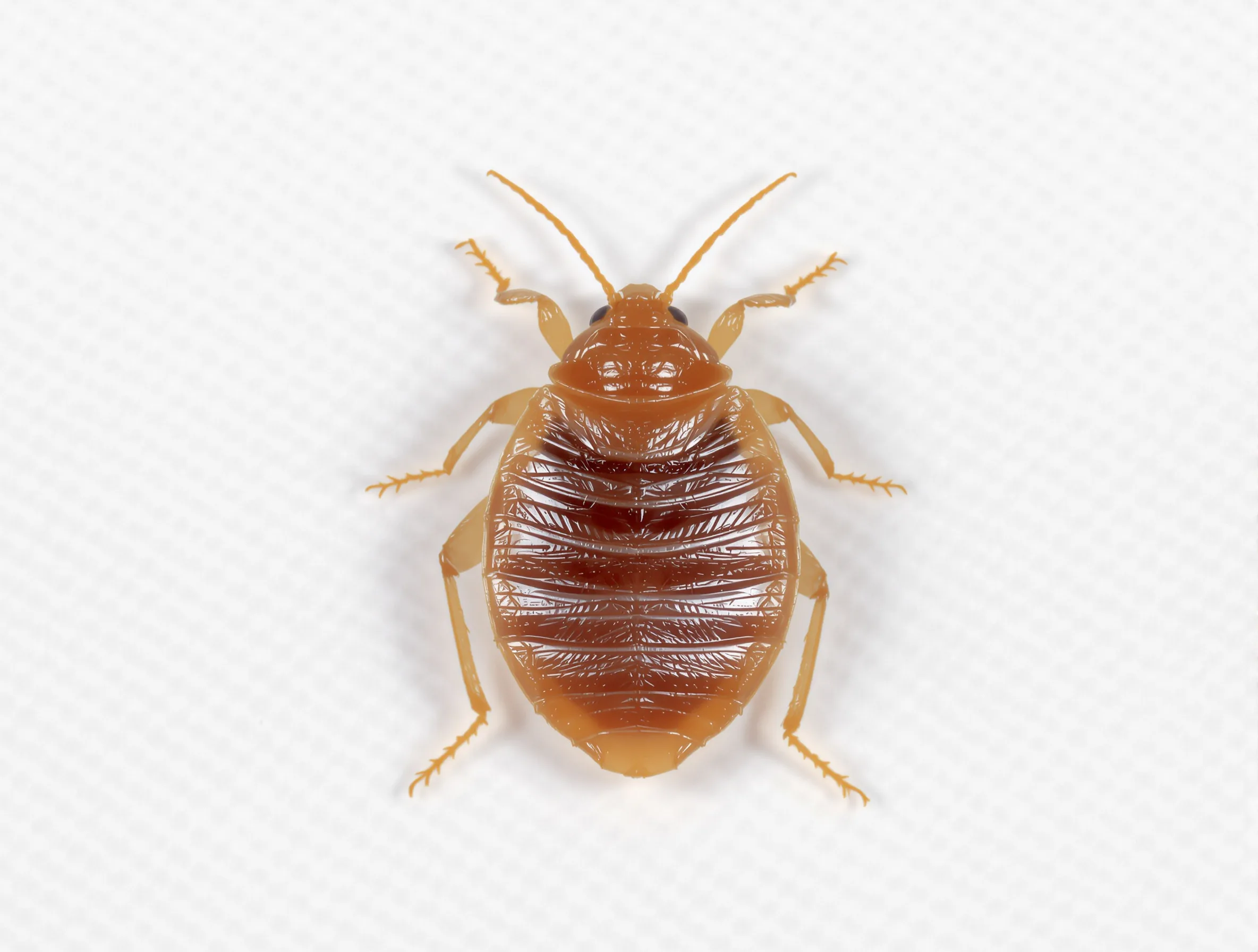
Bed bugs (Cimex lectularius) are small, flat, oval-shaped insects that feed exclusively on blood. Adults are approximately 3/16 inch long — roughly the size of an apple seed — with a reddish-brown color that darkens to deep mahogany after feeding. Nymphs (immature bed bugs) are smaller and nearly translucent until they feed.
Bed bugs have experienced a dramatic resurgence across the United States since the early 2000s, and Texas cities including Houston, Dallas, San Antonio, and Austin consistently rank among the most bed-bug-affected metros in the country. Increased travel, resistance to common pesticides, and reduced use of broad-spectrum insecticides have all contributed to their comeback.
Bed Bug Life Cycle
Bed bugs progress through five nymphal stages before reaching adulthood. Each stage requires at least one blood meal to molt to the next stage. Under favorable conditions (room temperature, regular access to a host), the complete life cycle from egg to reproducing adult takes 5 to 8 weeks. Adult females lay 1 to 5 eggs per day, depositing up to 500 eggs over their lifetime. Eggs are white, about 1 millimeter long, and are cemented to surfaces in cracks and crevices near sleeping areas. Adults can survive 6 to 12 months without feeding, making them extremely resilient.
How Bed Bugs Spread
Bed bugs are hitchhikers, not fliers — they do not fly or jump. They spread by crawling into luggage, clothing, purses, and personal belongings during travel. Common pathways include:
- Hotel and travel exposure: Bed bugs crawl into luggage placed on infested beds, luggage racks, or hotel furniture. Even luxury hotels experience infestations.
- Used furniture: Secondhand mattresses, couches, bed frames, and nightstands are a major source of new infestations.
- Neighboring units: In apartments, condos, and duplexes, bed bugs travel through shared walls via electrical outlets, plumbing penetrations, and baseboards.
- Visitors: Guests may unknowingly carry bed bugs in their belongings, introducing them to your home.
- Public transportation and workplaces: Bed bugs can transfer from infested individuals to seats and shared spaces, though this is less common.
Bed Bugs Are Not a Sign of Poor Hygiene
This is one of the most persistent and harmful misconceptions about bed bugs. Bed bugs are not attracted to filth, dirt, or clutter. They are attracted to warmth, carbon dioxide, and the blood of their human host — resources available in every home regardless of cleanliness. Five-star hotels, spotless suburban homes, and well-maintained apartments are all equally vulnerable. Clutter does provide more hiding places, which can make treatment more difficult, but it does not cause infestations. The stigma associated with bed bugs often causes people to delay seeking professional treatment, allowing the infestation to grow worse.
Signs of Bed Bug Infestation
- Bite marks: Small, red, itchy welts often appearing in lines or clusters on exposed skin — arms, shoulders, neck, and face. Not everyone reacts to bed bug bites; some people show no visible marks.
- Blood spots: Small rusty-red stains on sheets and pillowcases from engorged bed bugs that were crushed during sleep.
- Fecal stains: Dark brown or black spots (digested blood) on mattress seams, box springs, headboards, and wall areas adjacent to the bed. These spots bleed into fabric when dampened.
- Cast skins: Translucent, light brown exoskeletons shed by nymphs at each life stage, found near hiding spots.
- Sweet, musty odor: In moderate to severe infestations, bed bugs emit pheromones that produce a distinctive sweet, slightly musty smell, similar to overripe raspberries.
- Live bugs: Check mattress seams and tufts, box spring edges and staple points, behind headboards, in nightstand drawers, along baseboards, and inside electrical outlet covers near the bed.
Bed Bug Treatment Methods
Heat Treatment
Considered the gold standard for bed bug elimination. Specialized heaters raise the temperature of the infested space to 120 to 140 degrees Fahrenheit and maintain that temperature for several hours. Heat penetrates mattresses, furniture, wall voids, and every hiding spot, killing bed bugs and eggs in all life stages during a single treatment. A whole-home heat treatment takes 6 to 8 hours and costs $1,000 to $3,000 depending on the size of the home.
Chemical Treatment
Professional chemical treatment involves targeted application of residual insecticides, desiccant dusts (like diatomaceous earth or CimeXa), and contact sprays to identified harborage areas. Chemical treatments typically require 2 to 3 visits spaced 2 weeks apart to address nymphs that hatch after the initial treatment. Cost is typically $200 to $500 per room per treatment cycle.
Combination Treatment
Many pest control professionals use a combination of heat and chemical methods for maximum effectiveness. Heat provides immediate knockdown of the current population, while residual chemicals applied afterward prevent reinfestation. This combined approach offers the highest success rate and is recommended for multi-unit buildings where bed bugs may migrate from untreated adjacent units.
Cost of Bed Bug Treatment in Texas
Single-room heat treatment costs $300 to $600. Whole-home heat treatment ranges from $1,000 to $3,000. Chemical treatment runs $200 to $500 per room and typically requires multiple visits. The average total cost for a Texas home bed bug treatment is $1,500 to $3,000. Many companies offer 30 to 90-day warranties with follow-up inspections included. Some companies also offer financing for larger treatments.
Licensed Texas Companies
2014 companies offering pest control
2,014 companies

Romex Pest & Termite Control

Urbanex Pest Control
A-Action Home Inspection Houston

Forterra Pest Control
EnviroCon Pest Control

X Out Pest Services

Adams Exterminating

Innovative Pest Control

Cerv Property Solutions San Antonio
Ace Pest Control

Integrity Pest and Termite

The CanMan

Bill Clark Pest Control, Inc.

Bug Blasters Pest Control

Pest Solutions of North Texas

Pinnacle Pest Defense
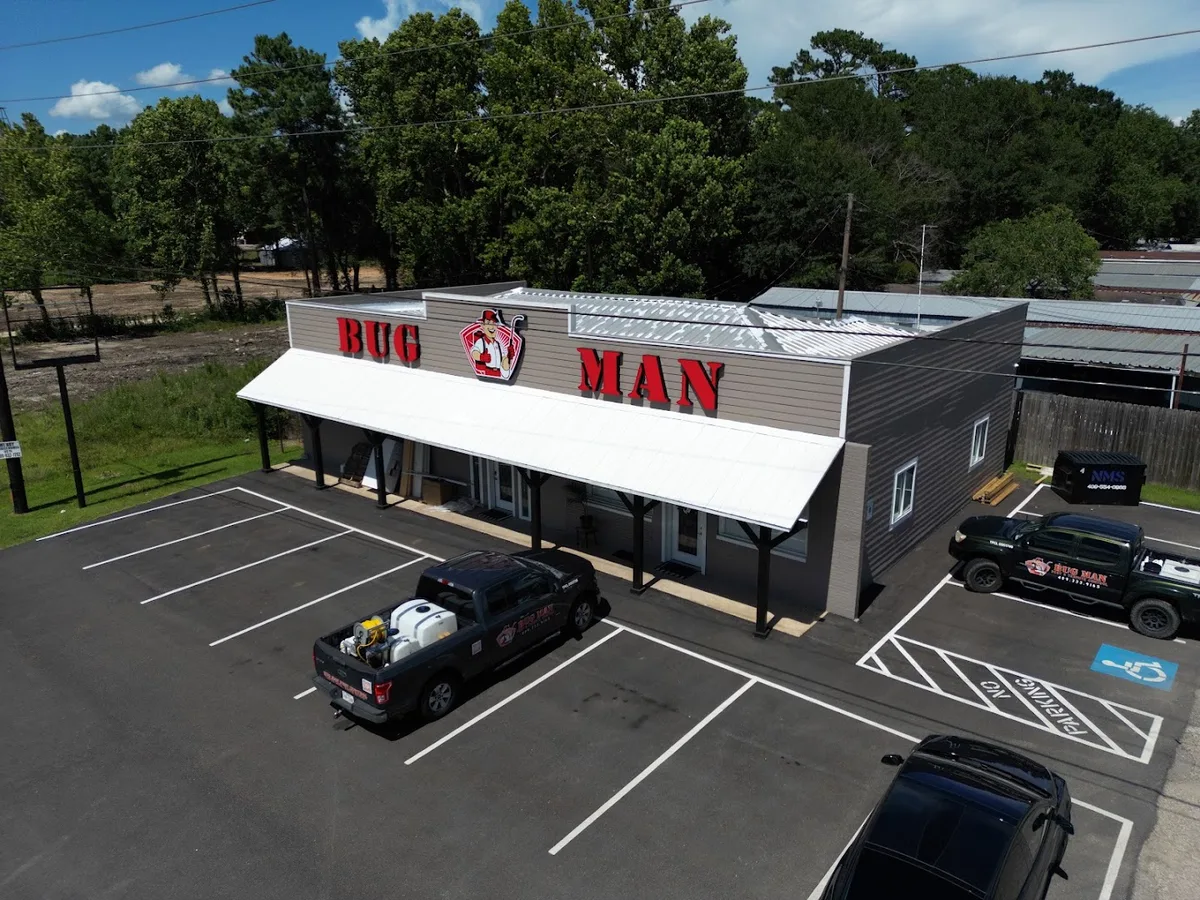
BugMan Pest Control & Termite Control

Justice Pest Services
Frequently Asked Questions
Best Professional Treatment
General pest management for common household pests including roaches, ants, spiders, and more
Find Local Exterminators for Bed Bugs Near You
Find pest control companies equipped for bed bug treatment — fumigation and crack & crevice specialists.
Find Licensed Companies by Texas City
Licensed bed bugs control companies in major Texas cities