
Pest Control in Austin, TX
Austin's position at the eastern edge of the Texas Hill Country places it on the Balcones Escarpment — a geological fault line where limestone bluffs, spring-fed creeks, and cedar-juniper woodlands shape a unique pest environment. Rapid population growth, which has more than doubled the metro since 2000, pushes residential development into formerly undeveloped land, increasing human-wildlife conflicts. Summers average 97 °F with stretches above 105 °F, while winters are mild with occasional freezing events like the historic February 2021 storm.
Common Pests in Austin
- Mexican free-tailed bats — Austin is home to the largest urban bat colony in North America. The Congress Avenue Bridge colony houses roughly 1.5 million bats from March through November. While bats consume enormous quantities of insects, they also create guano accumulation and exclusion challenges when they roost in attics and commercial buildings.
- Scorpions — Hill Country limestone terrain is prime scorpion habitat. New construction in western Travis and Williamson counties frequently disturbs established scorpion populations, driving them into homes.
- Cedar-related pests — Ashe juniper (mountain cedar) dominates the Hill Country landscape and supports populations of cedar bark beetles, juniper budworms, and other pests tied to this ecosystem.
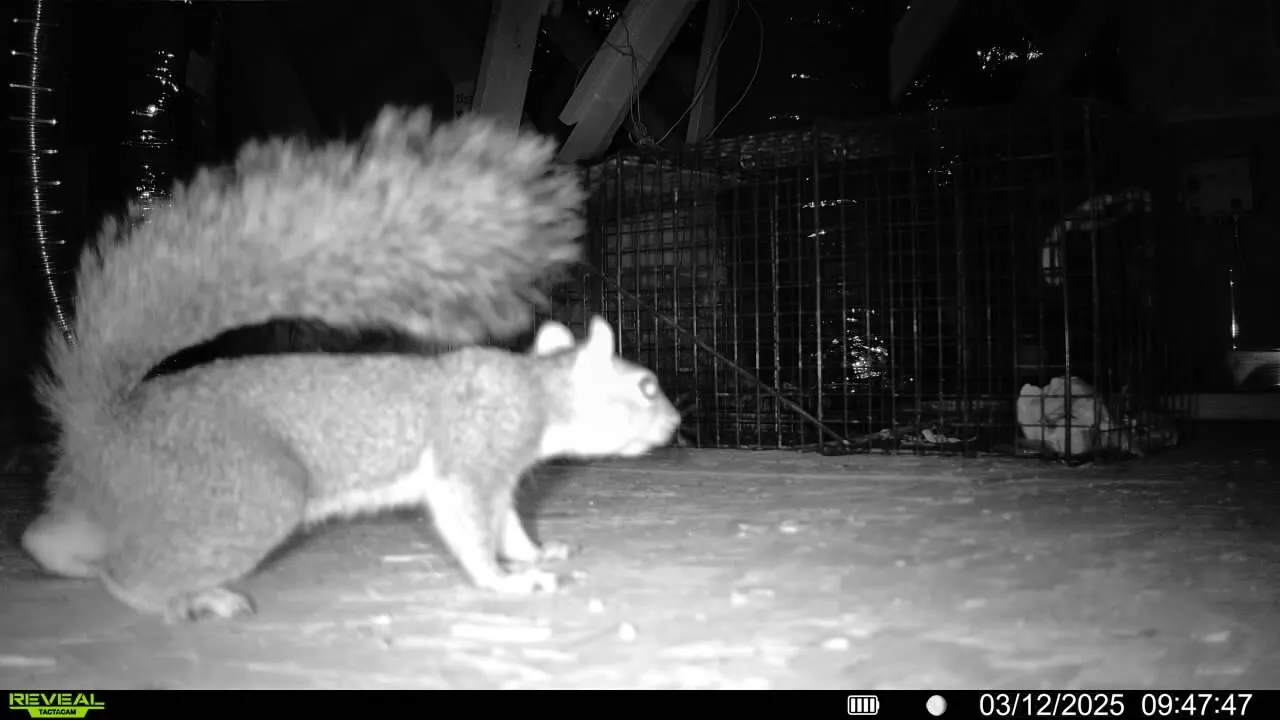
- Wildlife intrusions — Raccoons, opossums, ringtails, and armadillos increasingly enter residential areas as development encroaches on their habitat. Fox squirrels cause significant attic damage across established neighborhoods like Tarrytown and Hyde Park.
- Fire ants and crazy ants — Red imported fire ants are ubiquitous. Rasberry (tawny) crazy ants have also been documented in Travis County, where they infest electrical equipment and displace fire ants in some areas.
Austin Pest Control Industry
Austin's pest control market reflects the city's environmental consciousness. Many licensed providers offer integrated pest management (IPM) programs, reduced-toxicity treatments, and wildlife-friendly exclusion methods. The Travis County market also supports specialists in bat exclusion — a niche service driven by the region's large bat populations and Texas Parks and Wildlife regulations that protect bats as a non-game species.
Seasonal Pest Calendar for Austin
- Spring (March — May): Bat colonies return to urban roosts. Termite swarmers emerge. Fire ant mating flights fill the air on warm, calm evenings. Carpenter bees bore into cedar fascia boards.
- Summer (June — August): Scorpion activity peaks in the Hill Country. Extreme heat drives wildlife into shaded structures. Mosquitoes breed in creek beds and rainwater collection systems. Paper wasps and yellow jackets become aggressive around outdoor dining.
- Fall (September — November): Rat and mouse intrusions increase. Bats migrate south by late October, creating a window for exclusion work. Spiders — including black widows — reach peak numbers around exterior lighting.
- Winter (December — February): Cedar pollen season (December — February) coincides with reduced outdoor pest pressure. Rodents remain active indoors. Overwintering insects cluster in wall voids and attics.
Serving ZIP codes: 78620, 78634, 78641, 78645, 78660, 78665, 78669, 78701…
Licensed Pest Control Companies in Austin, TX
82 companies

Inspect It Austin
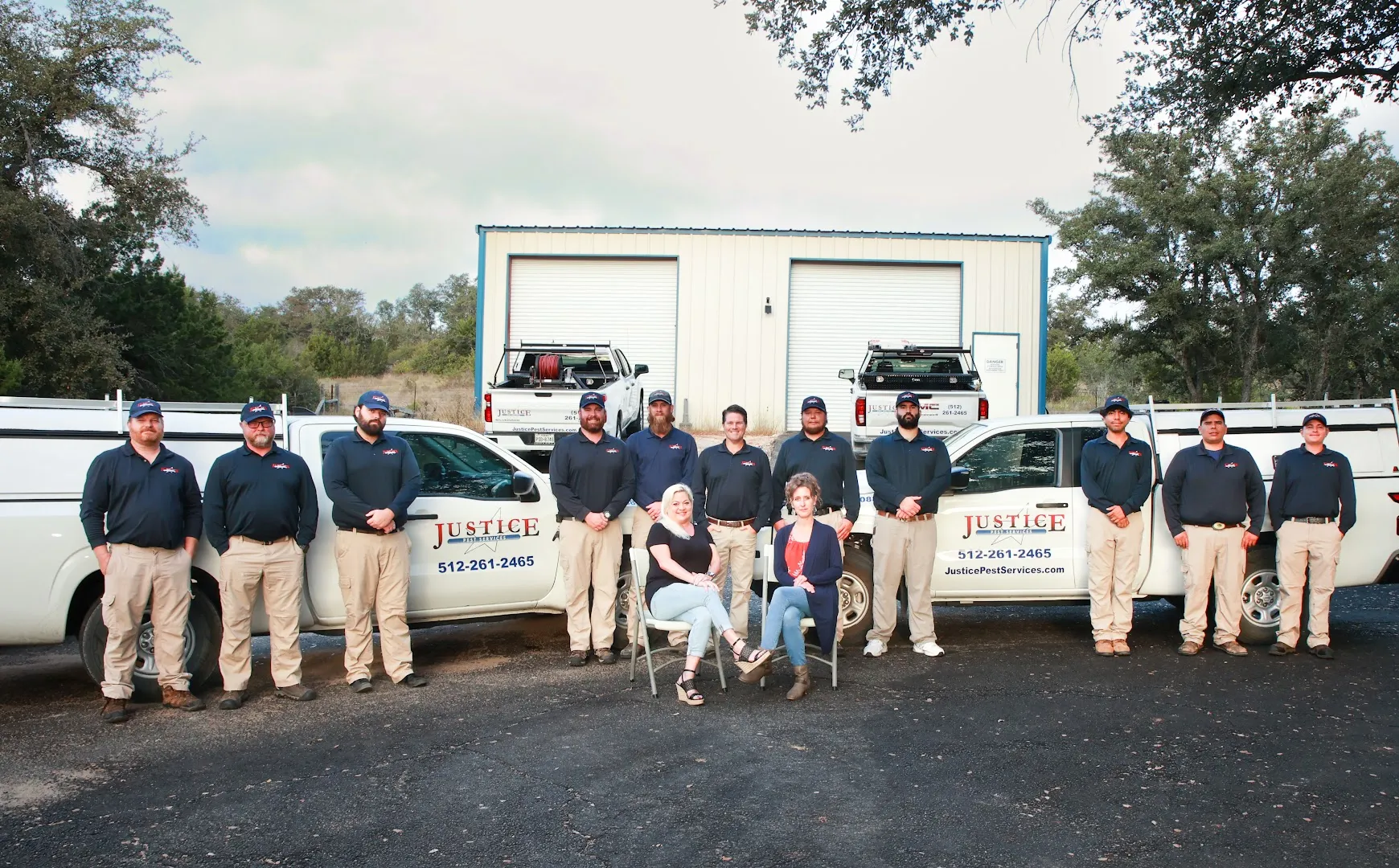
Justice Pest Services
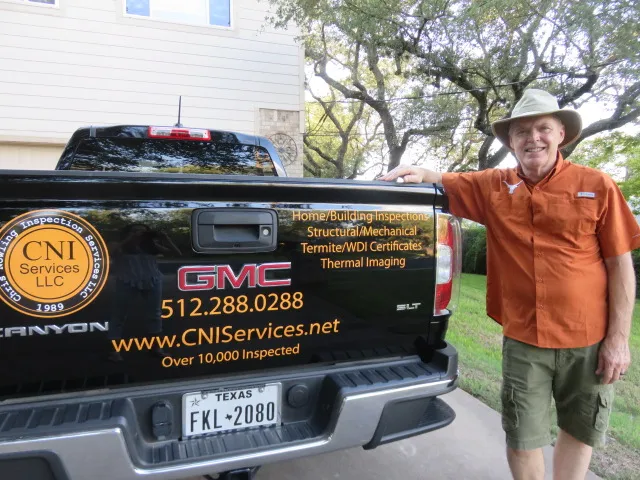
Chris Nowling Inspection Services, LLC
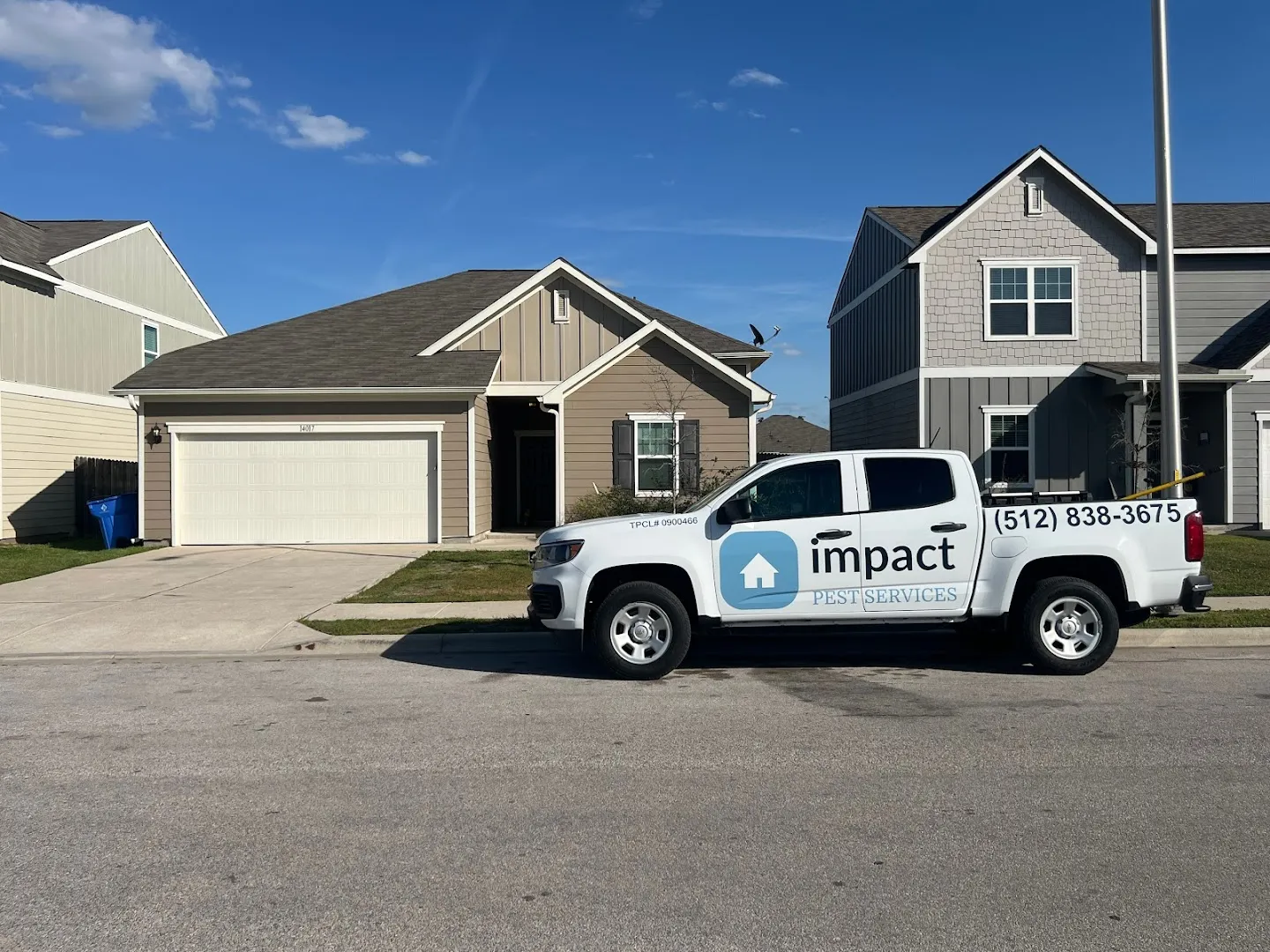
Impact Pest Services - Pest Control in Pflugerville, TX
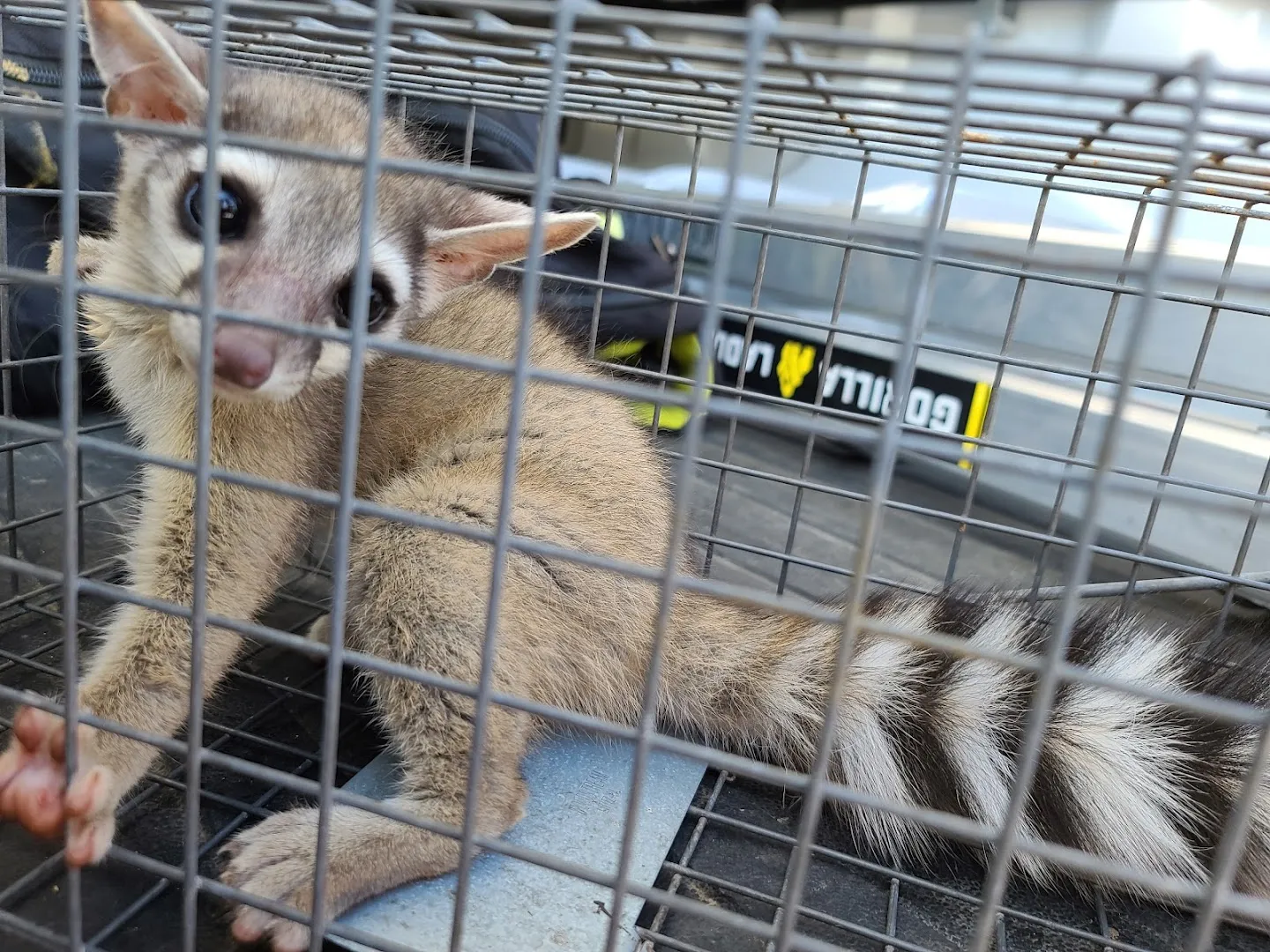
Care Pest Pros

Osborne Pest Control
EcoPro Services, LLC
R&R Pest Control Austin
Clear Pest Pros of Greater Austin

Mosquito Authority
Capitol Home Inspection
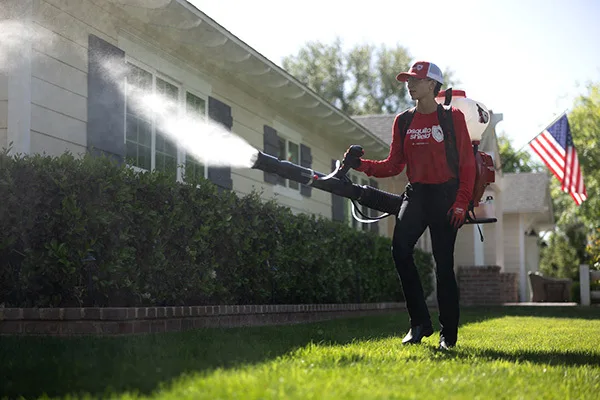
Mosquito Shield of Greater Austin
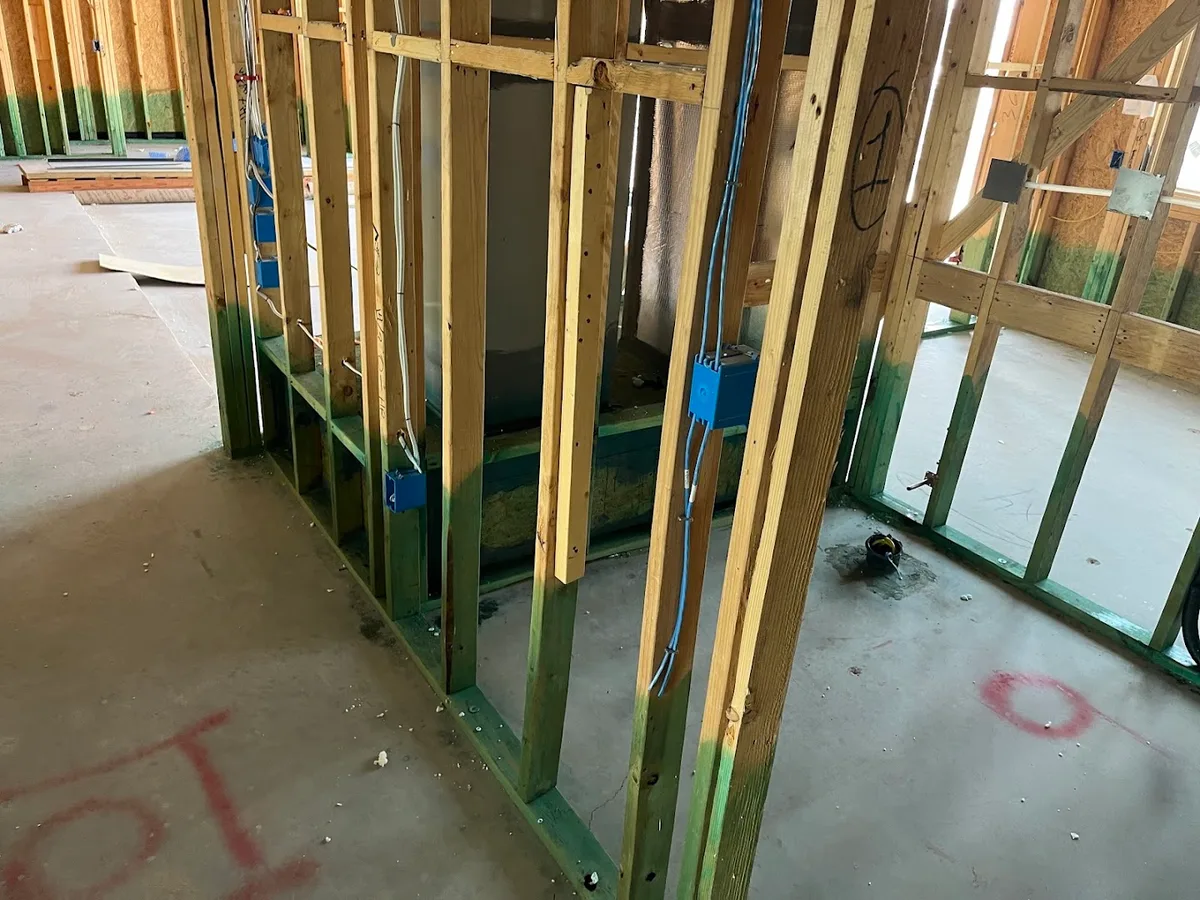
American Termite and Pest Control
A Pest or Us Pest Control

TOPS Pest Control
All American Termite-Pest Control
Sprague Pest Control
Villarreal Mowing & Lawn Services
Pest Control Services Available in Austin
Browse pest control services available in your area
Find Pest Services Near You
Searching from Austin or nearby? Jump to the service you need and find the closest licensed specialists on our map.