
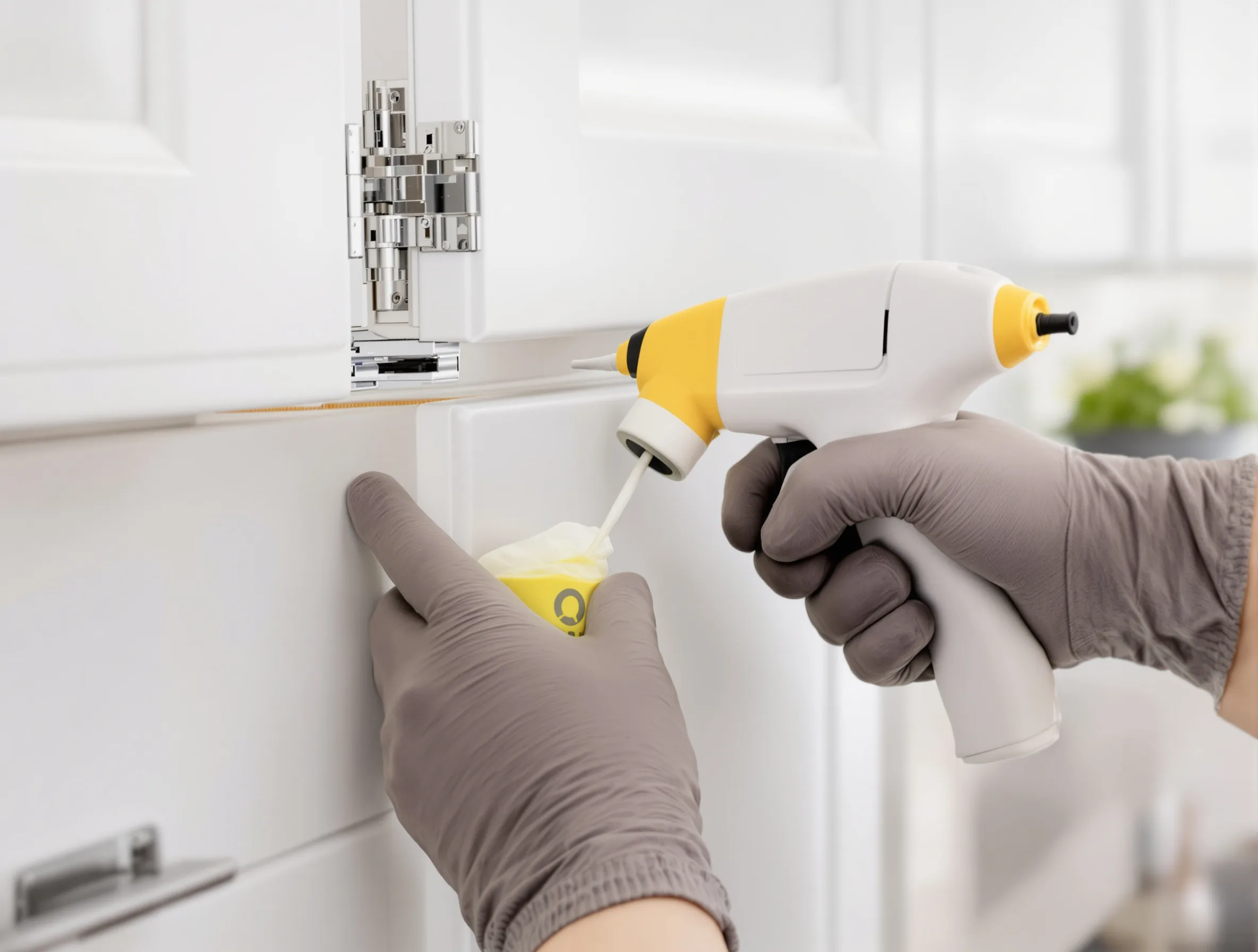
Crack & Crevice Treatment in Texas
Targeted pesticide application in cracks, crevices, and voids for sensitive areas
What Is Crack & Crevice Treatment?
Crack and crevice treatment is a targeted pesticide application method in which products are placed directly into the small gaps, joints, and voids where pests harbor and travel. Unlike broadcast spraying, crack and crevice application deposits material precisely where it is needed — inside wall voids, behind baseboards, under equipment, along pipe penetrations, and within expansion joints. This minimizes pesticide exposure to people, pets, and non-target areas while maximizing contact with the target pest.
The technique is defined and regulated by the U.S. Environmental Protection Agency (EPA). When a pesticide label includes "crack and crevice" application directions, the product may be used in sensitive environments — including food-handling establishments — because the material is confined to concealed spaces.
When Is Crack & Crevice Treatment Used?
- Food service and food processing facilities — Restaurants, commercial kitchens, grocery stores, and food warehouses require pest control methods that do not contaminate food contact surfaces. Crack and crevice treatment meets FDA and Texas Department of State Health Services guidelines for pest management in these settings.
- Healthcare and sensitive environments — Hospitals, daycare centers, nursing homes, and schools benefit from the reduced exposure profile of targeted application.
- Office buildings and retail spaces — Where broadcast spraying is impractical due to furnishings, equipment, or occupant sensitivity.
- Residential kitchens and bathrooms — Targeted treatment of gaps around plumbing, cabinet joints, and appliance voids is standard practice for controlling German cockroaches indoors.
Products and Methods
Technicians use specialized equipment designed for precise delivery:
- Gel baits — Applied with a syringe-style applicator in small dots inside cracks. Products like Advion and Vendetta are highly attractive to cockroaches and ants.
- Dust formulations — Boric acid, diatomaceous earth, and synthetic dusts are puffed into wall voids and electrical outlet boxes using a hand bellows or bulb duster.
- Aerosol crack-and-crevice sprays — Fitted with a straw-tip actuator that directs the spray stream into narrow openings. Residual aerosols leave a thin film inside the treated space.
- Foam formulations — Expanding foam carries active ingredient deep into voids and behind walls, useful for large cavities where dusts may settle out.
Commercial vs. Residential Use
In commercial food-handling environments, crack and crevice treatment is often the only method permitted under the facility's pest management plan. Texas health inspectors expect to see documentation showing that all applications were made according to label directions. Commercial pest management programs typically involve monthly or bi-weekly service visits, detailed inspection reports, and bait-station monitoring logs.
In residential settings, crack and crevice treatment is one component of a broader Integrated Pest Management approach. It is particularly effective for cockroach and ant infestations in kitchens and bathrooms, where precision matters and broadcast applications are undesirable.
EPA Label Requirements
The EPA requires that any product labeled for crack and crevice use include specific directions on the label, including allowable application sites, maximum application rates, and restrictions. Technicians must follow these directions exactly. Applying a product labeled only for crack and crevice use as a broadcast spray is a federal violation of FIFRA (Federal Insecticide, Fungicide, and Rodenticide Act). Texas Department of Agriculture inspectors can issue citations and fines for label violations.
Crack & Crevice Treatment — FAQ
Is crack and crevice treatment safe around food?
Yes, when performed according to label directions. The EPA specifically allows crack and crevice application in food-handling areas because the product is confined to concealed spaces and does not contact food preparation surfaces.
How long does the treatment last?
Gel baits remain attractive for several weeks and are replenished on a regular service schedule. Dust formulations in undisturbed voids can remain effective for months. The longevity depends on the product, environmental conditions, and pest pressure.
Do I need to leave my home during treatment?
No. Because products are placed inside concealed spaces, there is minimal airborne exposure. Crack and crevice treatment can be performed while the home or business is occupied.
What pests are controlled with this method?
Crack and crevice treatment is most commonly used for cockroaches (especially German cockroaches), ants, silverfish, and occasional invaders like earwigs and crickets. It is also used in bed bug management programs for treating seams, joints, and furniture voids.
How is crack and crevice different from baseboard spraying?
Baseboard spraying applies product to exposed surfaces, while crack and crevice treatment delivers product inside concealed openings. The crack and crevice method uses less material, reduces human exposure, and places product directly where pests live and travel.
Licensed Texas Companies
119 licensed companies offering crack & crevice treatment
119 companies
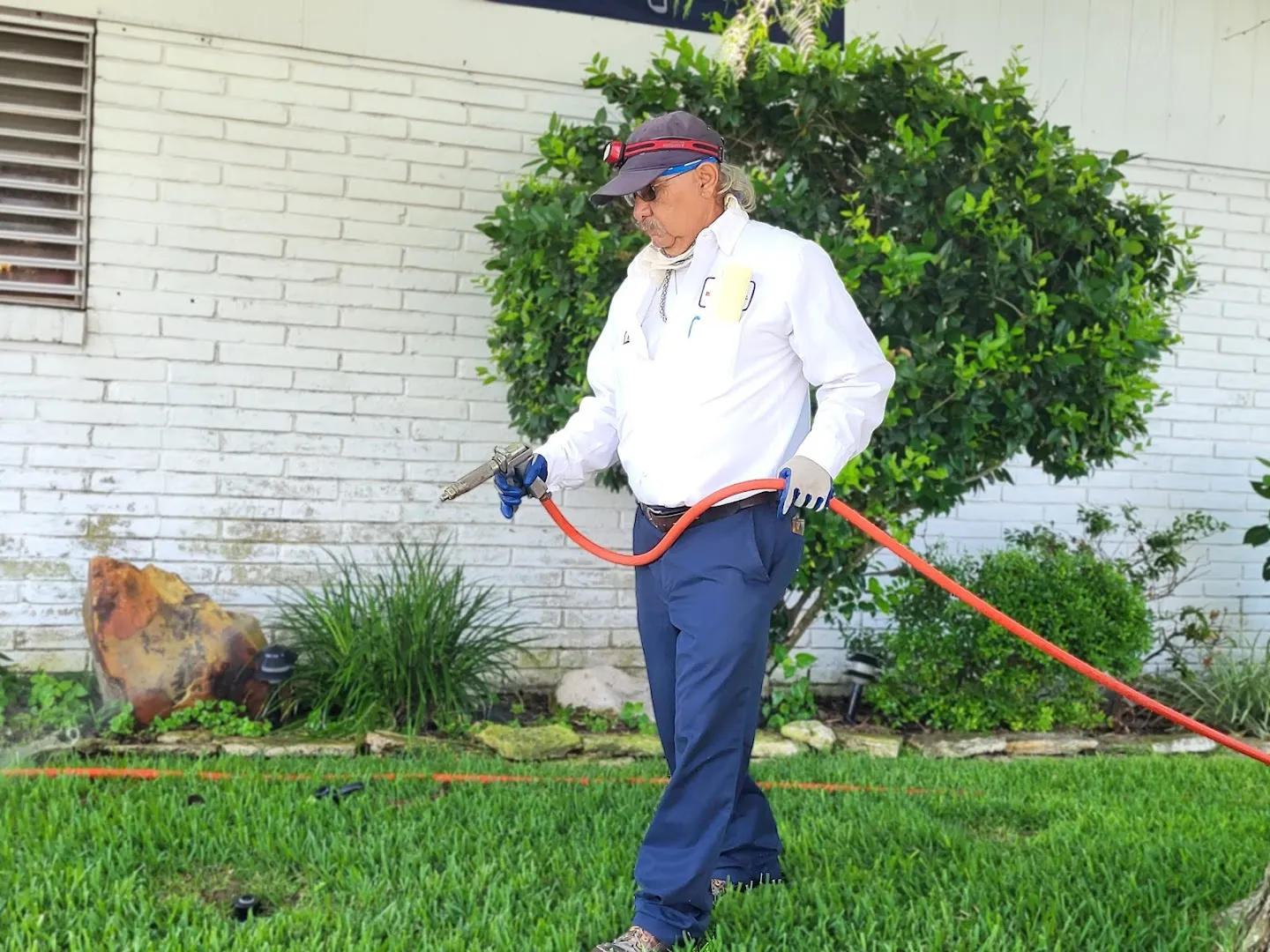
Big M Pest Control

Backyard Comfort & Pest Control
Elite Pro Pest Control LLC
Go Away Pest Control
Bug Meister Pest Control Co., The
Vermatex Pest Solutions
Daniel's Pest Control

Triple S Services and More LLC--ADT Authorized Dealer
Walthall Pest Services
Alpha Pest Control , LLC
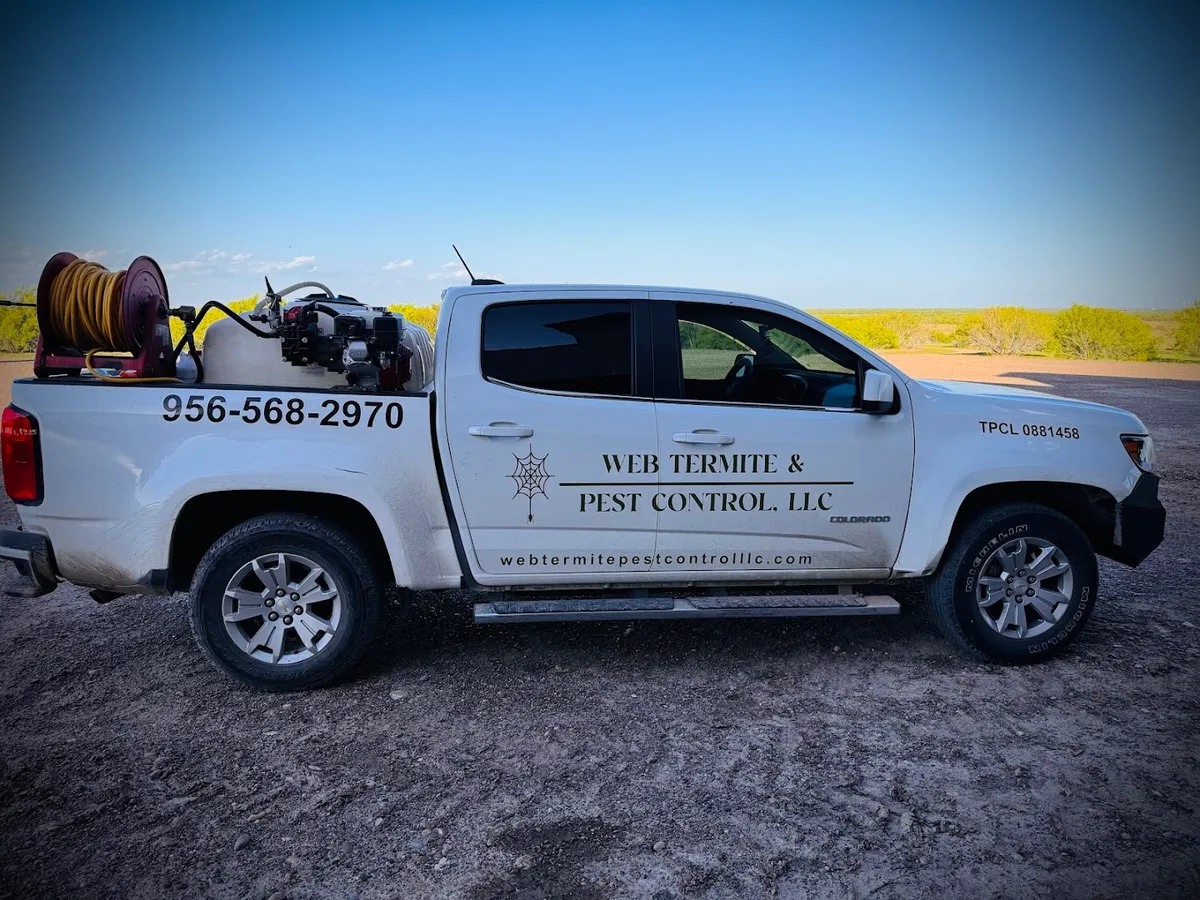
Web Termite & Pest Control, LLC
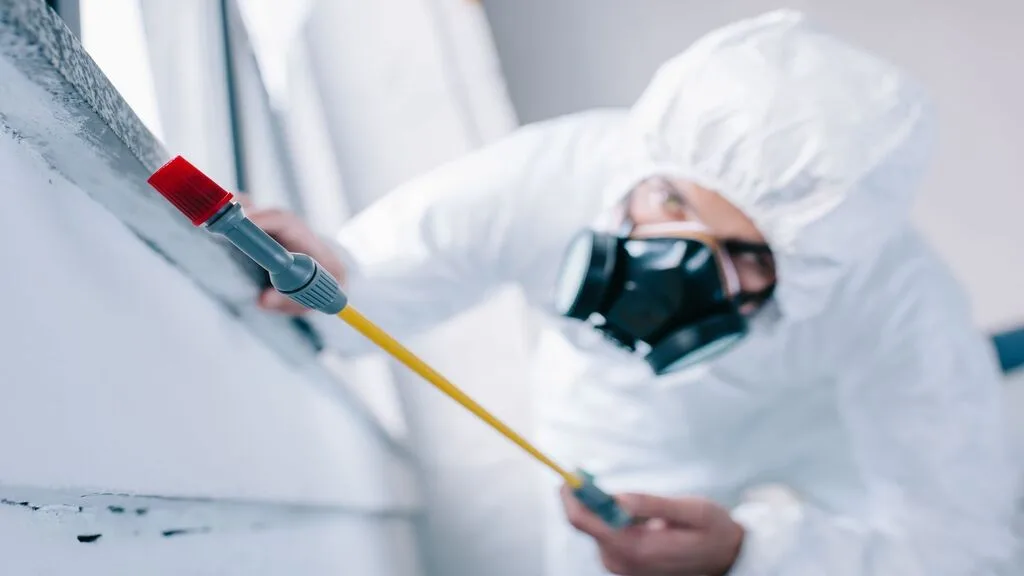
IntelliPEST
Ape-X Can Cleaners
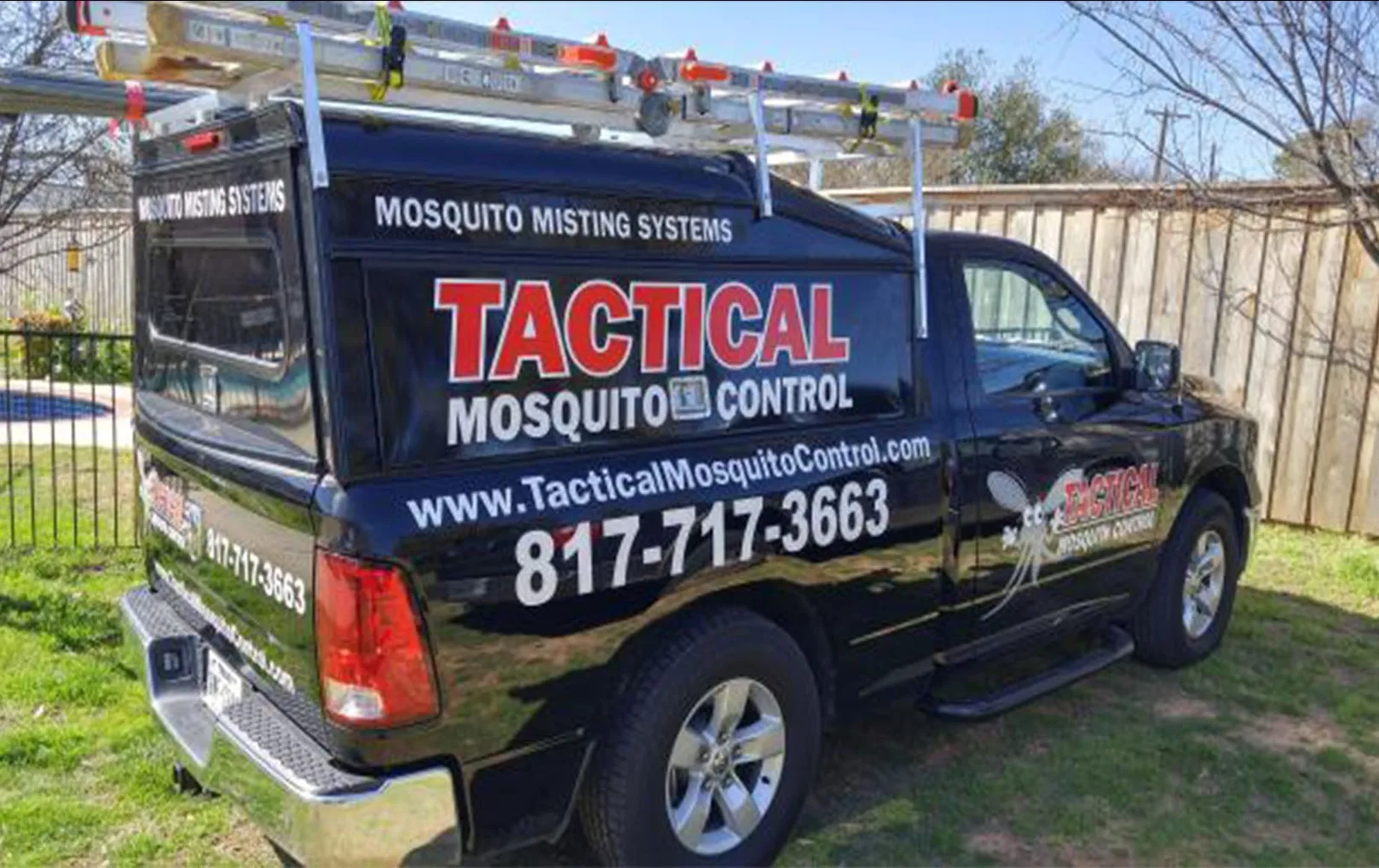
Tactical Mosquito Control

Safeguard Ecology & Co. LLC
Signature Pest Control
AM Pest Management & Lawn Services
Brothers Pest Control
Find Providers by Texas City
Browse licensed crack & crevice treatment providers in major Texas cities