
Structural Fumigation in Texas
Whole-structure tenting and fumigation for severe drywood termite and pest infestations
When Is Structural Fumigation Needed?
Structural fumigation — commonly called "tenting" — is reserved for situations where localized treatments cannot reach the full extent of an infestation. It is the definitive treatment for drywood termites that have colonized multiple areas of a structure, because the fumigant gas penetrates every piece of wood in the building simultaneously. Fumigation may also be used for severe infestations of wood-boring beetles, bed bugs in multi-unit buildings, or stored-product pests in commercial warehouses.
In Texas, drywood termites are most prevalent in coastal counties from Brownsville to Beaumont, and fumigation is a routine service in those regions. Inland areas rely on fumigation less frequently, but it remains an option when drywood termites are confirmed through inspection.
The Fumigation Process
1. Preparation and Sealing (Day 1)
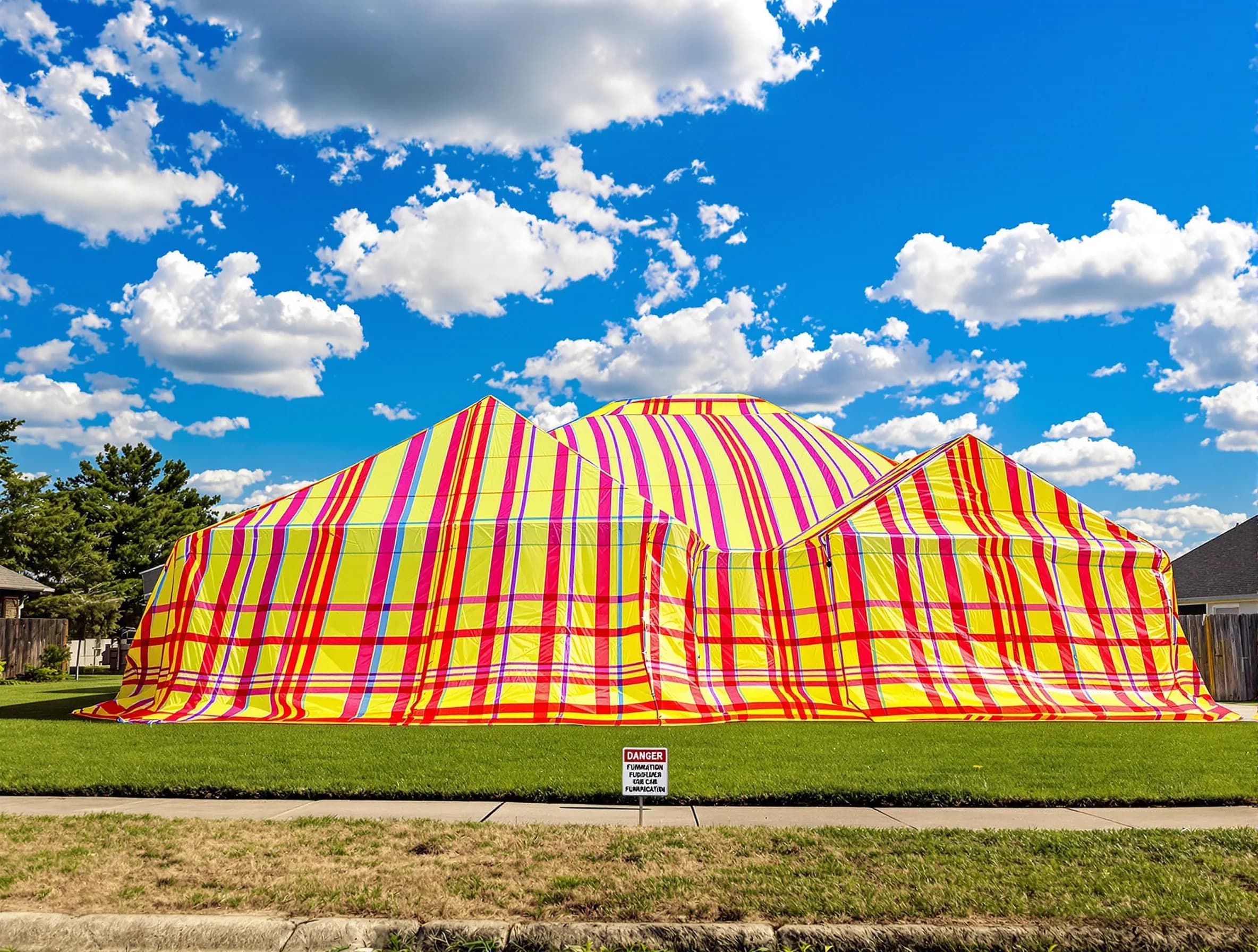
The licensed fumigation crew covers the entire structure with gas-tight tarps (typically nylon or polyethylene). The tarps are secured at ground level with sand snakes or water-filled hoses to create an airtight seal. All external openings — vents, chimneys, and conduit penetrations — are sealed. Warning signs and secondary locks are placed on all entry points as required by Texas Department of Agriculture regulations.
2. Gas Introduction (Day 1–2)
Sulfuryl fluoride, marketed under the brand name Vikane, is the primary fumigant used in Texas residential fumigation. The gas is introduced through hoses connected to pressurized cylinders. Fans inside the structure circulate the gas to ensure uniform distribution. Concentration is monitored with electronic sensors placed at multiple points. The target exposure period is typically 16 to 24 hours at the required concentration, depending on temperature and pest species.
3. Aeration (Day 2–3)
The tarps are removed and the structure is ventilated with high-volume fans. The certified applicator monitors indoor air concentrations with a Fumiscope or equivalent device. The building is not cleared for re-entry until gas levels fall below 1 part per million (ppm), the standard set by the EPA and Texas Department of Agriculture.
Preparation for Homeowners
- Vacate the structure — all people, pets, and plants must be removed for the full duration (typically two to three days).
- Remove or double-bag all food, medicine, and consumables not in factory-sealed glass or metal containers.
- Open all interior doors, cabinets, drawers, and closets to allow gas circulation.
- Turn off gas appliances and pilot lights.
- Water landscaping within 18 inches of the foundation to protect plants from tarp heat buildup.
- Arrange for accommodations — the fumigation company will provide a specific timeline for when you can return.
Safety Considerations
Sulfuryl fluoride is an odorless, colorless gas that is lethal at fumigation concentrations. Texas law requires that only a certified applicator with the appropriate TPCL fumigation category supervise each job. Chloropicrin (tear gas) is introduced in small amounts as a warning agent before the main fumigant to ensure the structure is fully vacated. After aeration, sulfuryl fluoride breaks down rapidly and does not leave a residual on surfaces. There is no residue on furniture, clothing, or food-contact surfaces once clearance readings are achieved.
Cost of Structural Fumigation in Texas
- Small home (under 1,500 sq ft): $2,000–$3,500
- Average home (1,500–2,500 sq ft): $3,000–$5,000
- Large home (2,500+ sq ft): $5,000–$8,000+
Pricing is influenced by the size of the structure, roof pitch (affects tarping difficulty), accessibility, and regional labor rates. Coastal areas where fumigation is more common may have more competitive pricing than inland areas.
Timeline
A typical residential fumigation takes two to three days from tarping to clearance. Day one is preparation and sealing. The gas exposure period runs overnight into day two. Aeration and clearance testing occur on day two or three. The fumigation company will provide a clearance certificate before you re-enter.
Structural Fumigation — FAQ
Is fumigation safe for my belongings?
Sulfuryl fluoride does not leave a residue on surfaces, fabrics, or electronics. Once the structure is aerated and cleared, all furnishings are safe to use. Food and medicine that were not properly sealed must be discarded as a precaution.
Will fumigation kill all termites?
Fumigation achieves near-100% mortality of drywood termites at all life stages, including eggs. However, it does not prevent reinfestation. A follow-up preventive treatment or monitoring plan is recommended.
Can I stay in my house during fumigation?
Absolutely not. The structure must be completely vacated by all people, pets, and plants. Re-entry before official clearance is dangerous and illegal under Texas law.
Does fumigation damage my roof or structure?
No. Modern tarps and clamping methods are designed to avoid damage. Experienced crews take care to protect roof tiles, gutters, and landscaping. Any incidental cosmetic issues should be addressed in your service agreement.
How do I know when it is safe to return?
The certified applicator conducts clearance testing with gas-detection equipment. You will receive a signed clearance notice confirming that indoor concentrations are below the 1 ppm safety threshold. Do not re-enter until you have this document.
Licensed Texas Companies
76 licensed companies offering structural fumigation
76 companies
Big M Pest Control
Pro-Tech Services
Bug State Pest Control Inc
TRI-COUNTY PEST CONTROL.INC.
Texas A-1 Pest Control and Termite Co
Walthall Pest Services
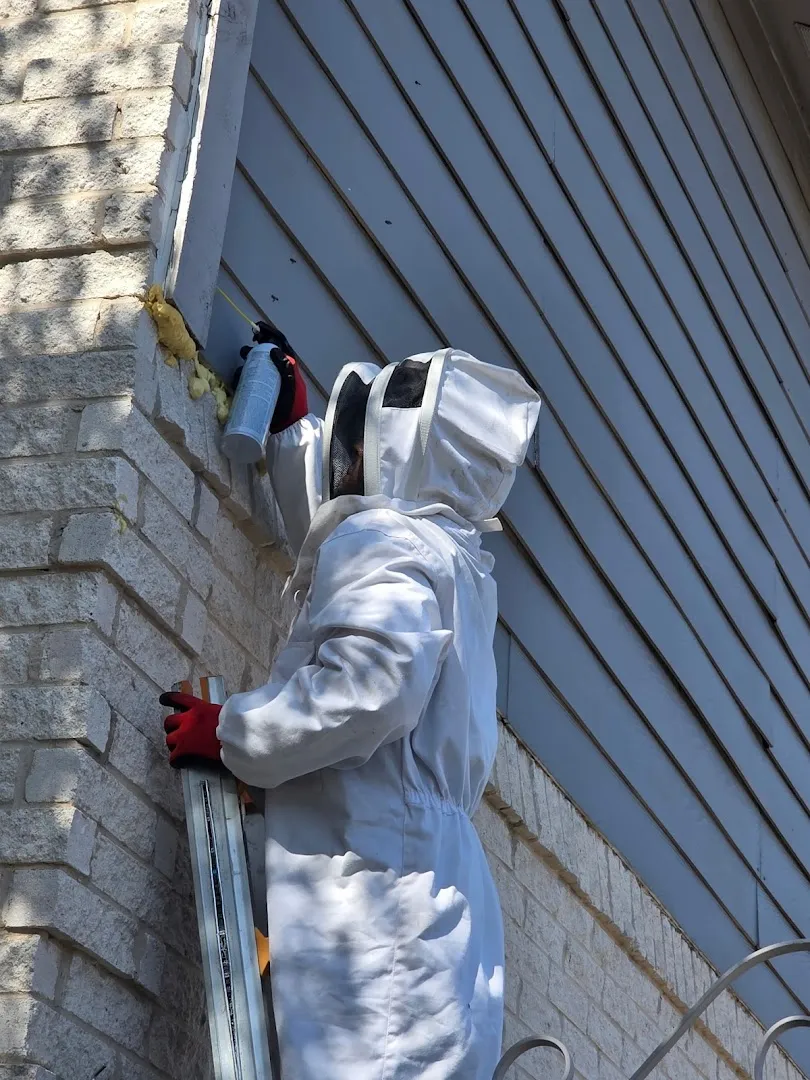
Superior Pest Control, LLC
Web Termite & Pest Control, LLC
Pest Control Cypress Pros
Tactical Mosquito Control

Safeguard Ecology & Co. LLC
Pest Marshals of South Texas
Signature Pest Control
Brothers Pest Control
Killum Pest Control

Bugmobiles Pest & Termite
A-Tex Pest Management, Inc.
Entec Pest Management
Find Providers by Texas City
Browse licensed structural fumigation providers in major Texas cities