
Flea Treatment in Texas — Complete Guide
Affect pets and humans, carry Rocky Mountain spotted fever
Not sure it's a Fleas?
Snap a photo — our free AI tool identifies Texas pests in seconds.
About Fleas and Ticks in Texas
Fleas and ticks are blood-feeding parasites that affect pets, livestock, and humans throughout Texas. The state's warm climate allows these pests to remain active for most or all of the year, particularly in Central, South, and East Texas. Beyond the itching and discomfort they cause, fleas and ticks are vectors for serious diseases that affect both animals and humans. Effective control requires a coordinated approach targeting the pet, the home interior, and the outdoor environment simultaneously.
Common Flea Species in Texas
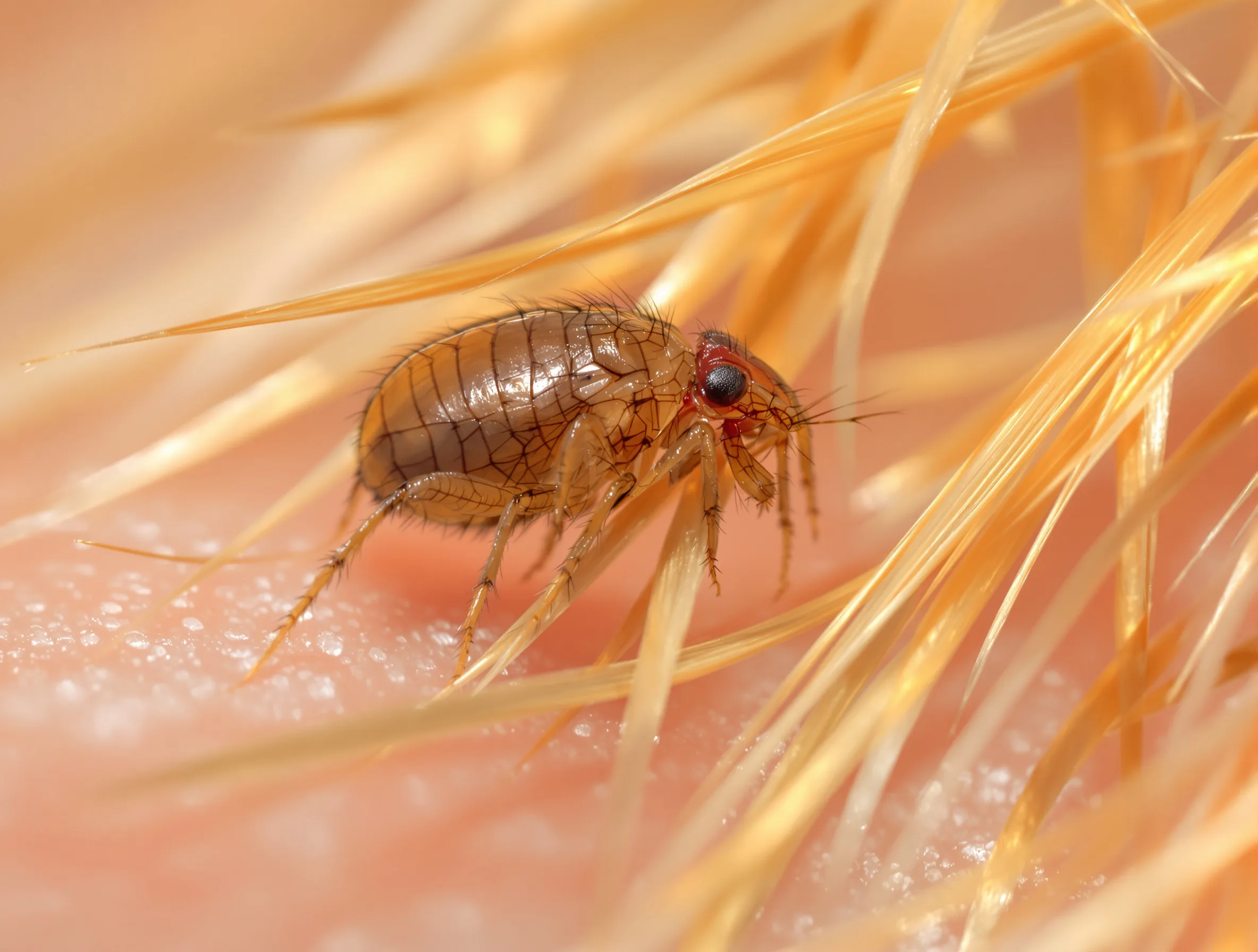
- Cat fleas (Ctenocephalides felis) are the most common flea species in Texas, infesting both cats and dogs despite the name. Adults are small (1/16 to 1/8 inch), dark reddish-brown, and laterally flattened, allowing them to move easily through pet fur. Cat fleas are powerful jumpers, capable of leaping up to 8 inches vertically — about 150 times their body length.
- Dog fleas (Ctenocephalides canis) are nearly identical in appearance to cat fleas and can only be reliably distinguished under magnification. They are less common than cat fleas in Texas but behave similarly and require the same treatment approach.
Common Tick Species in Texas
- Lone Star ticks (Amblyomma americanum) are the most common tick in Texas, found in wooded and brushy areas statewide. Females have a distinctive single white dot on their back. Lone Star ticks are aggressive biters and will actively pursue hosts. They transmit ehrlichiosis, tularemia, and Southern Tick-Associated Rash Illness (STARI). Lone Star tick bites have also been linked to alpha-gal syndrome, an allergy to red meat.
- Black-legged ticks (Ixodes scapularis), also called deer ticks, are found primarily in East Texas woodlands. They are the vector for Lyme disease, anaplasmosis, and babesiosis. While Lyme disease is far less common in Texas than in the northeastern United States, cases are reported each year.
- Brown dog ticks (Rhipicephalus sanguineus) are unique among ticks because they can complete their entire life cycle indoors. They infest homes, kennels, and dog runs, feeding primarily on dogs. Brown dog ticks are the primary vector for Rocky Mountain spotted fever (RMSF) in Texas, which can be fatal if not treated promptly with antibiotics.
The Flea Life Cycle — Why Multiple Treatments Are Needed
Understanding the flea life cycle is essential to understanding why a single treatment rarely eliminates an infestation. Adult fleas make up only about 5 percent of a flea population. The remaining 95 percent exists as eggs, larvae, and pupae in carpets, pet bedding, furniture, and cracks in flooring.
- Eggs: A single female flea lays 40 to 50 eggs per day, which fall off the pet and accumulate in bedding, carpet fibers, and furniture. Eggs hatch in 2 to 14 days.
- Larvae: Tiny, worm-like larvae feed on organic debris and adult flea feces (dried blood) in carpet fibers and cracks. The larval stage lasts 5 to 15 days.
- Pupae: Larvae spin sticky silk cocoons that bind to carpet fibers and are nearly impervious to insecticides and vacuuming. Pupae can remain dormant for up to 5 months, hatching only when they detect vibration, warmth, or carbon dioxide from a potential host.
- Adults: Newly emerged adults seek a blood meal immediately and begin reproducing within 24 to 48 hours of their first feeding.
Because pupal cocoons resist insecticides, a single treatment kills existing adults and larvae but cannot penetrate the pupal casing. New adults continue to emerge for weeks after treatment. This is why professional flea control requires 2 to 3 treatments spaced 2 to 3 weeks apart — each visit eliminates newly emerged adults before they can reproduce.
Diseases Transmitted by Fleas and Ticks
- Rocky Mountain spotted fever (RMSF): Transmitted by brown dog ticks and American dog ticks. Symptoms include sudden fever, headache, and a distinctive spotted rash. RMSF can be fatal within days if not treated with doxycycline. Texas reports dozens of cases annually.
- Ehrlichiosis: Transmitted by Lone Star ticks. Causes fever, headache, fatigue, and muscle aches. Ehrlichiosis is the most commonly reported tick-borne disease in Texas.
- Tularemia: Transmitted by Lone Star ticks and dog ticks. Can cause skin ulcers, swollen lymph nodes, and pneumonia depending on the route of infection.
- Murine typhus: Transmitted by cat fleas, particularly in areas where opossums and rats live near human habitations. Common in the Houston, Austin, and San Antonio metro areas. Symptoms include fever, headache, and rash.
- Tapeworms: Fleas are intermediate hosts for the most common tapeworm (Dipylidium caninum) affecting dogs and cats. Pets become infected by swallowing fleas during grooming.
Flea & Tick Treatment Methods
Pet Treatment
All pets in the home must be treated with a veterinarian-recommended flea and tick preventive — oral medications (NexGard, Bravecto, Simparica), topical treatments (Frontline, Advantage), or flea collars (Seresto). Pet treatment must occur simultaneously with home and yard treatment for effective control. Treat all pets, not just the ones showing symptoms.
Indoor Treatment
Professional indoor flea treatment involves applying a residual insecticide combined with an Insect Growth Regulator (IGR) to all carpeted areas, upholstered furniture, pet bedding areas, and cracks in hardwood and tile floors. The IGR prevents flea eggs and larvae from developing into biting adults, breaking the reproduction cycle. Homeowners should vacuum thoroughly before treatment to stimulate pupal emergence and remove eggs and larvae. Dispose of the vacuum bag or empty the canister outdoors after vacuuming.
Yard Treatment
Outdoor flea and tick treatment targets shaded, moist areas where these pests harbor — under decks, along fence lines, in mulched beds, beneath shrubs, and in tall grass along property borders. Professional-grade residual granules or liquid sprays provide 4 to 8 weeks of control. Yard treatment is essential because pets continually reinfest themselves from outdoor flea and tick populations.
Cost of Flea and Tick Treatment in Texas
Professional indoor flea treatment costs $150 to $300 per visit, with most infestations requiring 2 to 3 treatments spaced 2 to 3 weeks apart for a total of $300 to $600. Combined indoor and yard treatment packages range from $250 to $400 per visit. Yard-only tick treatment costs $100 to $200 per application. Many pest control companies offer seasonal flea and tick programs with monthly yard treatments running $75 to $150 per visit.
Flea & Tick Prevention Tips
- Keep all pets on year-round veterinarian-recommended flea and tick prevention — this is the single most effective measure.
- Mow grass regularly and keep it short (3 inches or less) to reduce tick habitat.
- Remove leaf litter, brush piles, and tall vegetation along fence lines and property borders.
- Create a 3-foot barrier of wood chips or gravel between lawns and wooded areas to restrict tick migration.
- Wash pet bedding weekly in hot water and dry on high heat.
- Vacuum carpets, rugs, and upholstered furniture at least twice per week during active flea season.
- Check yourself, children, and pets for ticks after spending time outdoors in wooded or brushy areas.
- Discourage wildlife (opossums, raccoons, feral cats) that carry fleas and ticks from entering your yard by securing trash and removing food sources.
Licensed Texas Companies
2014 companies offering pest control
2,014 companies

Romex Pest & Termite Control

Urbanex Pest Control
A-Action Home Inspection Houston

Forterra Pest Control

EnviroCon Pest Control

X Out Pest Services

Adams Exterminating

Innovative Pest Control

Cerv Property Solutions San Antonio
Ace Pest Control

Integrity Pest and Termite

The CanMan

Bill Clark Pest Control, Inc.

Bug Blasters Pest Control

Pest Solutions of North Texas

Pinnacle Pest Defense

BugMan Pest Control & Termite Control

Justice Pest Services
Frequently Asked Questions
Best Professional Treatment
General pest management for common household pests including roaches, ants, spiders, and more
Find Local Exterminators for Fleas & Ticks Near You
Find pest control companies with lawn and yard treatment services for mosquitoes in Texas.
Find Licensed Companies by Texas City
Licensed fleas & ticks control companies in major Texas cities