

Subterranean Termites in Texas — Complete Guide
The most common termite in Texas — soil colonies, mud tubes, and hidden wood damage
Not sure it's a Subterranean Termites?
Snap a photo — our free AI tool identifies Texas pests in seconds.
Quick facts — subterranean termites in Texas
- Species: Eastern subterranean termite (Reticulitermes flavipes) and close relatives — the most common termites in Texas
- Colony: lives in the soil, up to several hundred thousand workers; needs constant moisture
- #1 sign: pencil-width mud tubes on foundations, piers, and walls
- Swarm season: February – May in Texas, on warm days after rain
- Damage: hidden feeding inside structural wood; average repair $3,000–$8,000, not covered by homeowner insurance
- Treatment: liquid soil barrier ($500–$2,000) or bait systems ($1,200–$3,500)
About Subterranean Termites in Texas
Subterranean termites are the termites behind the overwhelming majority of termite damage in Texas. The Eastern subterranean termite (Reticulitermes flavipes) and its close relatives live in every region of the state, from the Piney Woods to the Panhandle. Unlike drywood termites, they cannot survive away from soil moisture — the colony nests underground and sends workers up into your home through protected mud tubes to harvest wood and carry it back down. For an overview of all three termite types in the state, see our Texas termite guide; this page goes deeper on the subterranean species specifically.
Identifying Subterranean Termites
Workers
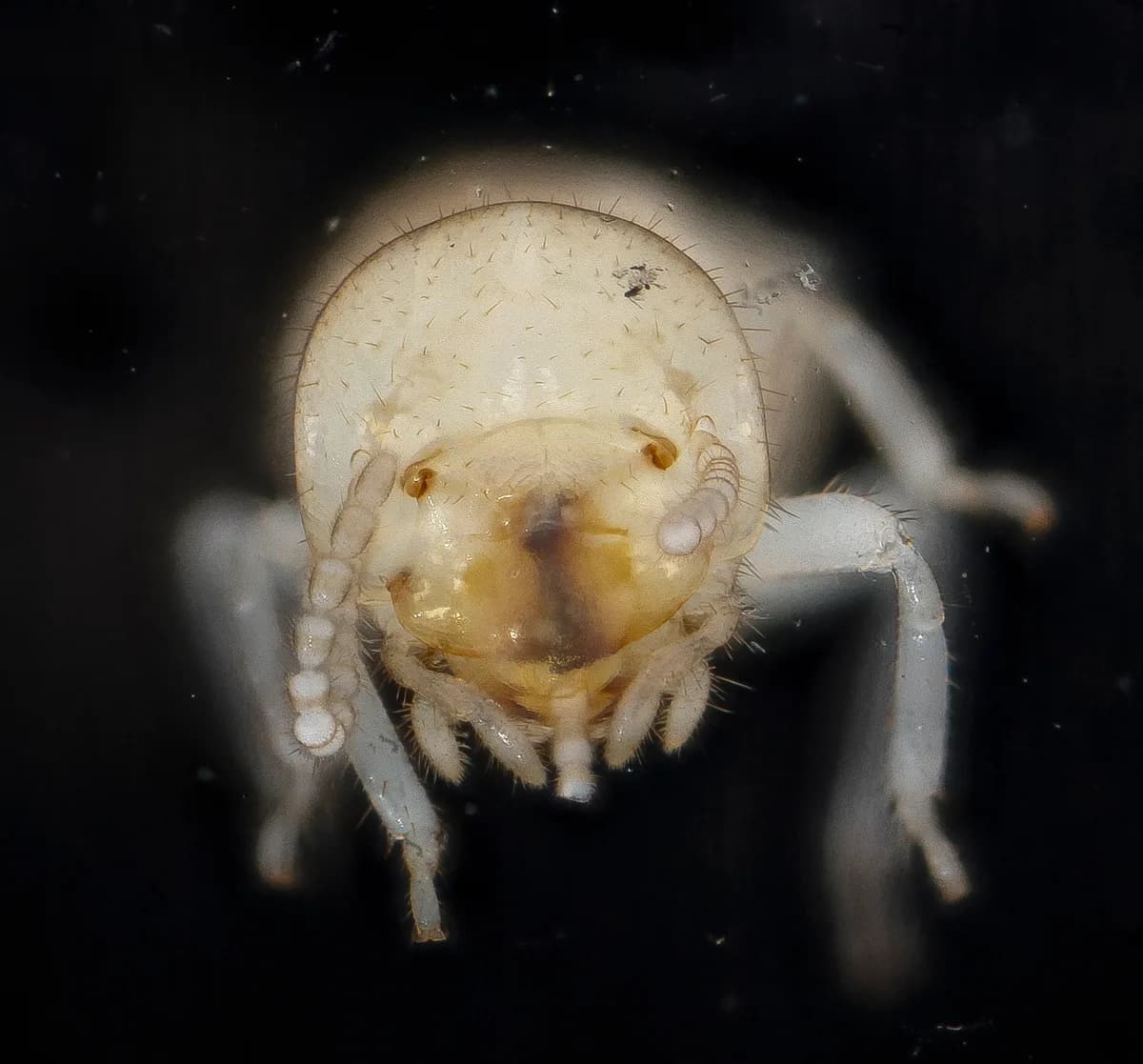
Workers are the caste that does the damage — and the one you will find if you break open a mud tube or infested wood. They are about 1/8 inch long, soft-bodied, blind, and cream-white with a slightly translucent look. Workers avoid light and dry air at all costs, which is why infestations stay invisible until damage is advanced.
Swarmers (Alates)
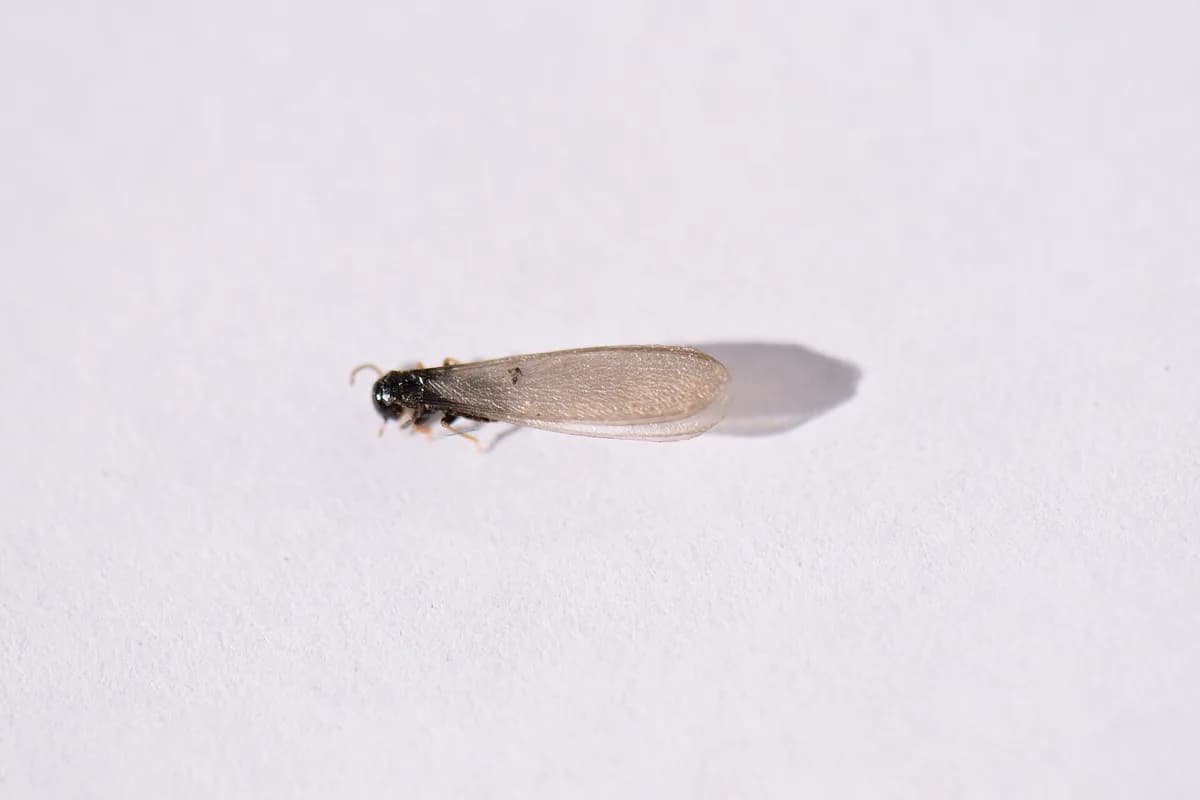
Swarmers are the winged reproductives most homeowners actually see. They are dark brown to black, about 1/4 to 1/2 inch long including wings, with two pairs of equal-length, translucent wings that extend well past the body. Swarmers are frequently confused with flying ants — the differences: termites have straight (not elbowed) antennae, a broad waist (ants have a pinched waist), and four wings of equal size (ant forewings are larger than hindwings).
Soldiers
Soldiers defend the colony and look like workers with an oversized, rectangular yellowish-brown head armed with dark mandibles. Finding soldiers in an opened tube or gallery confirms an established colony rather than incidental foragers.
Mud Tubes — The #1 Warning Sign
Because workers die quickly in dry air, subterranean termites build shelter tubes out of soil, wood particles, and saliva to travel between the ground and their food source. These pencil-width brown tubes running up foundation walls, piers, plumbing pipes, and sometimes interior walls are the single most reliable sign of subterranean termites. Tubes can also be completely hidden — inside crawl spaces, behind insulation, or inside wall voids — which is why annual professional inspections matter.
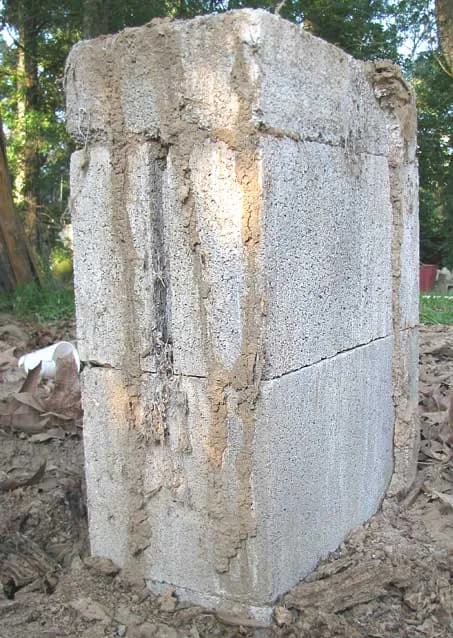
If you find a tube: break open a one-inch section. Live cream-colored workers inside mean active termites — call a professional. If the tube is dry and empty, monitor the spot for a week; termites often rebuild a broken tube within days, which also confirms activity.
Colonies and Swarming Season in Texas
A mature subterranean colony numbers in the hundreds of thousands and forages outward through the soil in all directions — up to 300 feet from the nest. Colonies feed around the clock, year-round, slowing only in cold snaps. In Texas, Eastern subterranean termites swarm from February through May, typically on a warm, calm day following rain. Thousands of swarmers leave the colony, shed their wings, pair off, and attempt to start new colonies in moist soil near wood.
Swarmers emerging indoors — or piles of discarded wings on windowsills, near doors, and in spider webs — mean the colony is in or under the structure. Swarmers outside near the foundation are a warning shot: a colony is foraging nearby.
The Damage They Cause
Subterranean termites eat the soft springwood of lumber from the inside out, leaving a thin shell of wood or paint that looks intact until it is probed. Favorite targets in Texas homes: sill plates, floor joists, subflooring, baseboards, door and window frames, and any wood with a moisture problem. Because feeding is hidden, infestations commonly run for years before discovery. The average termite damage repair in Texas costs $3,000 to $8,000, and standard homeowner's insurance does not cover any of it.
Treatment: Liquid Barrier vs Bait Systems
Liquid Soil Treatment
A continuous treated zone is created in the soil around and under the foundation using non-repellent termiticides such as fipronil (Termidor, Taurus SC). Termites cannot detect the chemical; they pass through it, carry it back to the colony, and transfer it to nestmates — collapsing the colony over weeks to a few months. A proper liquid treatment protects for 5 to 10 years and typically costs $500 to $2,000 for an average Texas home.
Bait Systems
Stations containing wood or monitoring cartridges are installed in the ground around the home. When termites hit a station, the technician swaps in a bait with a slow-acting insect growth regulator that workers spread through the colony, eliminating it over several months. Systems like Sentricon cost $1,200 to $3,500 installed plus annual monitoring. Baits are the better choice for wells, French drains, or foundations where soil treatment is impractical.
Both approaches work when properly installed — the critical variable is the technician. Texas requires a valid Structural Pest Control (TPCL) license for termite work; verify it before hiring. Browse licensed termite treatment companies in your area below, and see our termite guide for what to expect from a WDI inspection.
Subterranean Termite Prevention Tips
- Eliminate wood-to-soil contact: form boards, grade stakes, fence posts, deck posts, and landscaping timbers touching both soil and the structure.
- Fix moisture problems near the foundation — leaking spigots, AC condensate lines, poor grading, and clogged gutters. Subterranean termites follow water.
- Maintain an 18-inch inspection gap between soil and any wood siding or framing.
- Store firewood at least 20 feet from the house, elevated off the ground.
- Keep mulch beds shallow and pulled back from the foundation; consider gravel borders against the slab.
- Seal foundation cracks and utility penetrations — termites need only 1/32 inch.
- Schedule an annual WDI inspection ($75–$150, often free with a service plan), ideally in January or February before swarm season.
Licensed Texas Companies
1860 companies offering termite control
1,860 companies
Romex Pest & Termite Control

Inspect It Austin
Urbanex Pest Control
A-Action Home Inspection Houston
Forterra Pest Control
EnviroCon Pest Control
X Out Pest Services
Adams Exterminating

Innovative Pest Control
Cerv Property Solutions San Antonio
Ace Pest Control
Integrity Pest and Termite
A Plus Inspections of Texas

The CanMan
Bill Clark Pest Control, Inc.

Bug Blasters Pest Control

Pest Solutions of North Texas

Pinnacle Pest Defense
Frequently Asked Questions
Best Professional Treatment
Inspection, treatment, and prevention of subterranean, drywood, and Formosan termites
Find Local Exterminators for Subterranean Termites Near You
Use our interactive map to find licensed subterranean termites control companies near your Texas location.
Find Licensed Companies by Texas City
Licensed subterranean termites control companies in major Texas cities