
Raccoon Removal in Texas — Complete Guide
Nocturnal trash pandas that invade attics, spread rabies and cause property damage
Not sure it's a Raccoons?
Snap a photo — our free AI tool identifies Texas pests in seconds.
About Raccoons in Texas
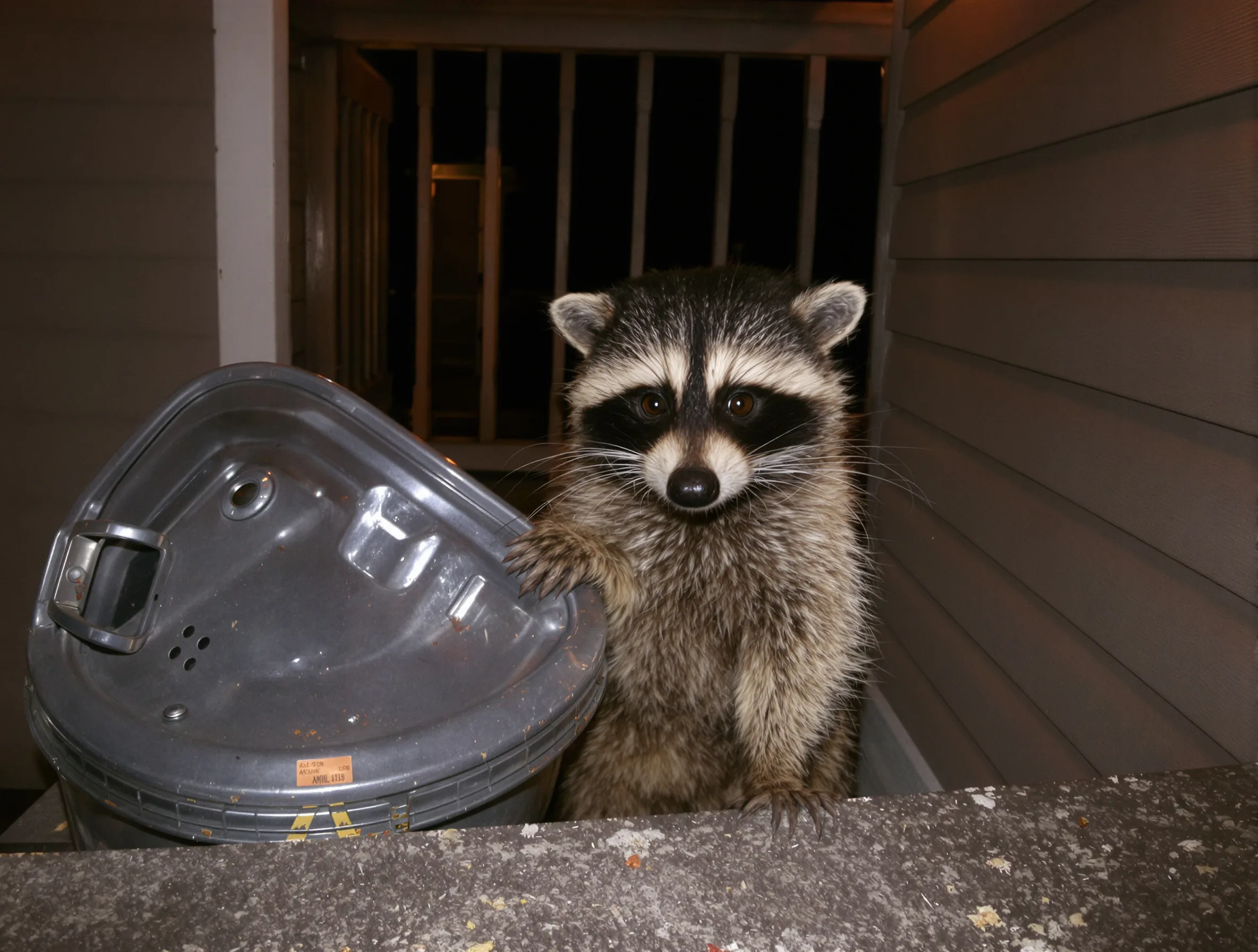
Raccoons (Procyon lotor) — often affectionately called "trash pandas" — are intelligent, adaptable nocturnal mammals found throughout Texas. They thrive in urban and suburban environments where trash cans, pet food, and accessible shelter provide easy living. While raccoons may appear cute and harmless, they are a primary carrier of rabies in Texas, their droppings harbor dangerous parasites, and they can cause thousands of dollars in property damage when they nest in attics. Professional wildlife removal is strongly recommended for any raccoon problem.
Raccoon Identification
Raccoons are easily recognized by their distinctive black "mask" across the eyes, bushy ringed tail with 4 to 7 alternating light and dark bands, and stocky, bear-like build. Adults weigh 10 to 30 pounds (Texas raccoons tend to be on the smaller end) and measure 24 to 40 inches including the tail. Their front paws are remarkably dexterous — raccoons can turn doorknobs, open latches, unscrew jars, and manipulate complex objects, making them formidable home invaders.
Why Are Raccoons Called Trash Pandas?
The internet-popularized nickname "trash panda" perfectly describes raccoon behavior: they look like small pandas with their black eye masks, and they are notorious for raiding trash cans. Raccoons are omnivores that will eat virtually anything — pet food, birdseed, fruit, insects, fish, eggs, and of course, garbage. Their dexterous paws allow them to open standard trash can lids, unclip bungee cords, and even manipulate lever-style latches. Raccoon-proof trash cans with locking mechanisms are the best defense against nightly raids.
Raccoon Health Risks
Rabies
Raccoons are a primary vector for rabies in Texas. The Texas Department of State Health Services reports raccoon rabies cases annually, particularly in Central and East Texas. A raccoon seen active during daylight hours, acting disoriented, walking in circles, or showing no fear of humans should be avoided and reported to local animal control immediately — these are potential signs of rabies.
Raccoon Roundworm (Baylisascaris)
Raccoon feces may contain eggs of the raccoon roundworm (Baylisascaris procyonis), a parasitic infection that can cause severe neurological damage in humans if accidentally ingested. Raccoon "latrines" — communal defecation sites found on rooftops, in attics, and on large flat surfaces — are particularly dangerous. Professional cleanup of raccoon latrines requires specialized equipment and decontamination procedures because roundworm eggs are extremely resistant to environmental conditions and common disinfectants.
Leptospirosis
Raccoon urine can transmit leptospirosis, a bacterial infection that causes kidney and liver damage in humans and is particularly dangerous for dogs. Contamination of water sources and soil near raccoon activity areas is the primary transmission pathway.
Raccoon Damage to Property
- Attic damage: Raccoons tear through soffit panels, rip off vent covers, and enlarge existing gaps to access attics. Once inside, they flatten insulation, contaminate large areas with urine and droppings, and tear apart ductwork.
- Roof damage: Heavy raccoons (up to 30 pounds) damage shingles, fascia boards, and roof decking when climbing and prying open entry points.
- Chimney nesting: Uncapped chimneys are a favorite raccoon nesting site, especially for mothers with kits in spring.
- Lawn damage: Raccoons dig up lawns searching for grubs, leaving patches of rolled-back sod.
- Garden destruction: Raccoons raid vegetable gardens, particularly sweet corn and watermelon, often causing extensive overnight damage.
Raccoon Removal Methods
Professional Live Trapping
Licensed wildlife control operators use large, humane live cage traps baited with marshmallows, cat food, or sweet fruit to capture raccoons. Traps are checked daily and captured animals are relocated according to Texas Parks & Wildlife regulations. Spring removal is complicated by the presence of baby raccoons (kits) — a mother raccoon removed without her babies will cause the kits to die in the attic, creating severe odor and secondary pest problems.
Exclusion
After removal, all entry points must be sealed with heavy-gauge steel mesh, metal sheeting, or concrete. Standard hardware cloth is insufficient — raccoons are strong enough to rip through lightweight materials. All soffit gaps, gable vents, plumbing penetrations, and roof intersections must be secured. Cap chimneys with commercial-grade chimney caps rated for wildlife exclusion.
Attic Cleanup and Decontamination
Professional cleanup of raccoon-damaged attics involves removal and replacement of contaminated insulation, enzyme treatment to neutralize urine odor, and careful decontamination of raccoon latrines (droppings) due to the risk of raccoon roundworm. This is not a DIY task — the health risks of improper raccoon waste handling are significant.
Raccoon Prevention Tips
- Secure all trash cans with locking lids or raccoon-proof containers.
- Bring pet food and water bowls inside before dark.
- Cap chimneys with commercial-grade wildlife exclusion chimney caps.
- Seal soffit gaps, gable vents, and all roof-level openings with heavy-gauge steel mesh.
- Trim tree branches at least 6 feet from the roofline to prevent roof access.
- Remove bird feeders or use raccoon-proof designs (raccoons easily defeat most "squirrel-proof" feeders).
- Install motion-activated lights or sprinklers near trash storage areas.
- Never intentionally feed raccoons — habituated raccoons lose their fear of humans and become more aggressive.
Licensed Texas Companies
537 companies offering wildlife removal
537 companies
Adams Exterminating
Integrity Pest and Termite
Justice Pest Services

Pest Control Conroe - Full Scope
Georgetown Pest Control
EvoFoam Pest Control
The Bug Master

Urban Texas Pest Control
ChemTec Pest Control
Golden Rule Pest Termite & Weed Control
Covenant Pest Control
Big M Pest Control
Hunter Pest Control
Yellow City Pest Control
Phillips Pest Solutions

Zappit Weed and Pest Control llc
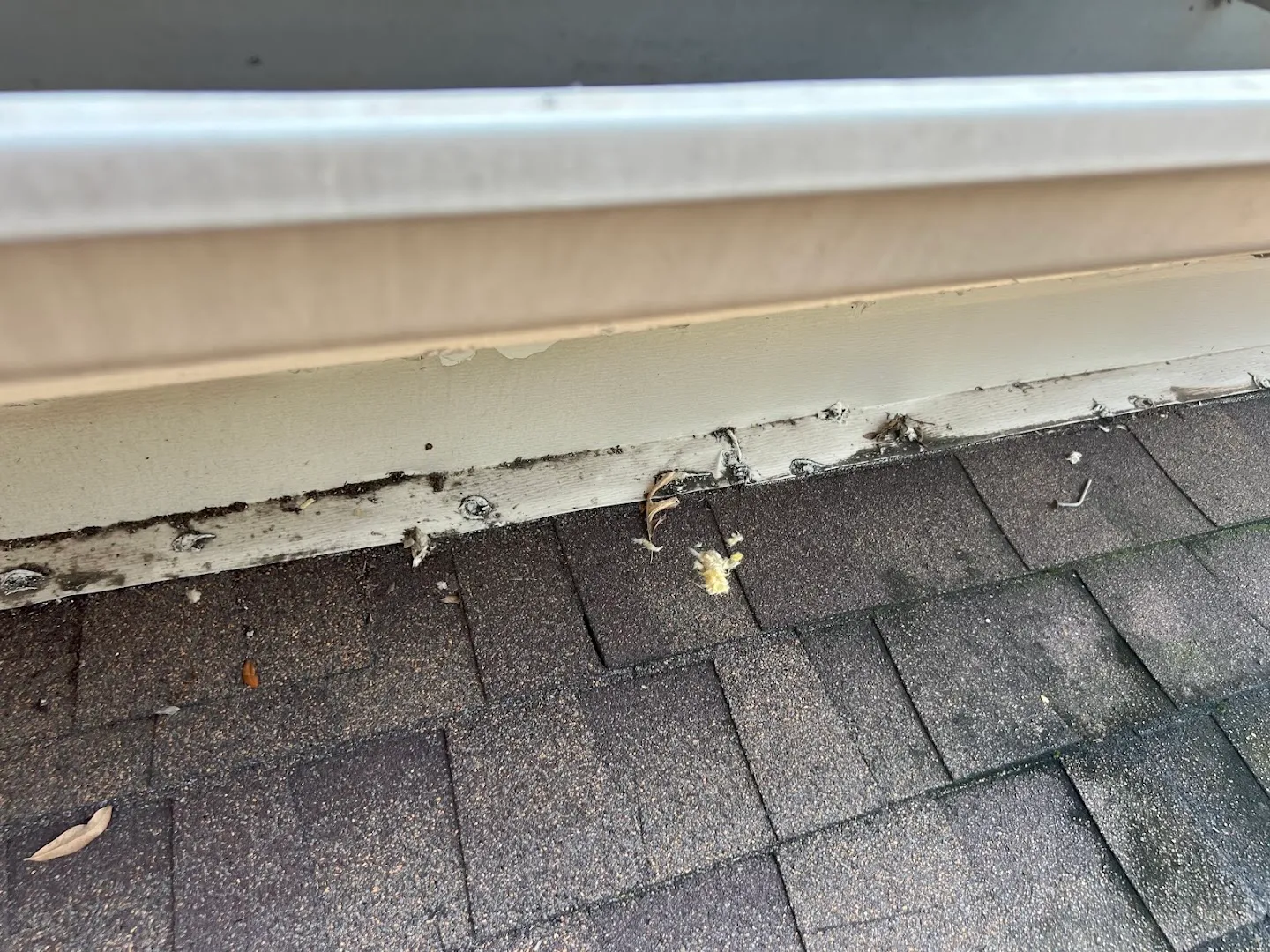
Critter Call Pest Control
Ross Pest and Lawn
Frequently Asked Questions
Best Professional Treatment
Humane removal of raccoons, opossums, bats, squirrels, skunks, and other wildlife
Raccoons Removal Cost Guides
Find Local Exterminators for Raccoons Near You
Find licensed animal control and wildlife removal companies near your location in Texas.
Find Licensed Companies by Texas City
Licensed raccoons control companies in major Texas cities
Raccoons by city: San Antonio · Austin