
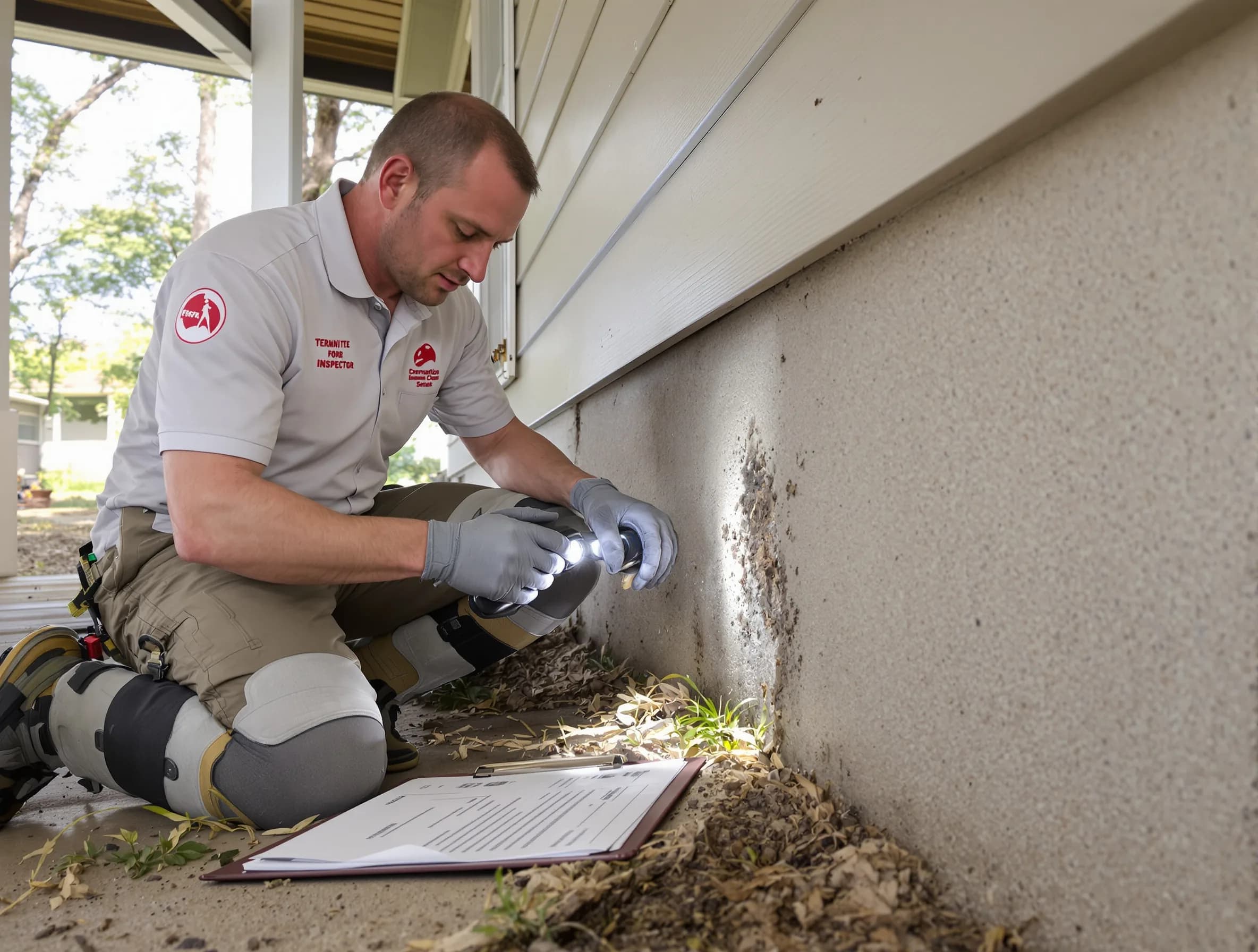
Termite Treatment in Texas
Inspection, treatment, and prevention of subterranean, drywood, and Formosan termites
Understanding Termites in Texas
Texas ranks among the most termite-prone states in the country. Three major species threaten structures here: Eastern subterranean termites, found statewide and responsible for the majority of damage claims; Formosan subterranean termites, an especially aggressive species established in the Houston, Dallas, and Gulf Coast regions; and drywood termites, concentrated along the southern coast and in the Rio Grande Valley.
Nationally, termites cause an estimated $5 billion in property damage every year, and Texas accounts for a disproportionate share. The state's warm temperatures and high soil moisture create ideal conditions for colony growth. A mature Formosan colony can contain several million workers and consume more than 13 ounces of wood per day. Standard homeowner's insurance policies in Texas do not cover termite damage, making prevention and early detection critical.
Treatment Methods
Liquid Barrier Treatment
The most widely used method in Texas. A liquid termiticide such as Termidor (fipronil) or Taurus SC is applied in a continuous trench around the foundation. The chemical binds to soil particles and creates a barrier that termites cannot detect. Workers that contact the treated zone carry the active ingredient back to the colony, producing a transfer effect that can eliminate the entire colony within weeks. Liquid barriers typically last five to ten years before retreatment is needed.
Bait Station Systems
Monitoring stations such as Sentricon, Advance, and Trelona ATBS are installed at regular intervals around the perimeter of the structure. The stations contain a cellulose bait laced with a slow-acting insect growth regulator. Foraging termites feed on the bait and share it with nestmates, gradually suppressing and eliminating the colony. Bait systems require ongoing monitoring, typically on a quarterly schedule.
Structural Fumigation
Fumigation is reserved primarily for drywood termite infestations that have spread throughout a structure. The building is sealed under a tarp, and sulfuryl fluoride gas (marketed as Vikane) is introduced. The gas penetrates all wood members and kills termites at every life stage. Fumigation requires occupants to vacate for two to three days.
Heat Treatment
A non-chemical alternative for localized drywood termite infestations. Specialized equipment raises the temperature of affected areas to 120–140°F and holds it for several hours, lethal to termites in all life stages. Heat treatment does not leave a residual barrier, so it is often combined with other preventive measures.
Signs You Need Termite Treatment
- Mud tubes — Pencil-width tunnels running up foundation walls, pipes, or piers. Subterranean termites build these for moisture protection.
- Hollow-sounding wood — Tap door frames, baseboards, and window sills. Damaged wood sounds papery or hollow.
- Discarded wings — After a swarm event, reproductive termites shed their wings near windows, doors, and light fixtures.
- Frass — Tiny hexagonal pellets pushed out of kick-holes by drywood termites. Often found in small piles on windowsills or floors.
- Bubbling or peeling paint — Moisture from termite activity behind walls can cause paint to blister.
- Doors and windows that stick — Termite damage warps wood framing, making doors and windows difficult to open.
Cost of Termite Treatment in Texas
- Liquid barrier treatment: $500–$2,000
- Bait station system: $1,200–$3,500 (installation plus first year of monitoring)
- Structural fumigation: $2,000–$8,000 (varies by square footage)
- Annual termite inspection: $75–$150
Many companies offer termite warranties or renewable service agreements that include annual inspections and retreatment at no additional cost if termites return.
Termite Treatment — FAQ
How much does termite treatment cost in Texas?
For an average-sized home (1,500–2,500 sq ft), a liquid barrier treatment typically runs $800–$1,500. Bait systems cost more upfront but include ongoing monitoring. Fumigation is the most expensive option and is generally only necessary for widespread drywood termite infestations.
Does homeowner's insurance cover termite damage?
No. Standard homeowner's insurance policies in Texas exclude termite damage. This is classified as a maintenance issue rather than a sudden loss. Annual inspections and proactive treatment are the best way to protect your investment.
How often should I get a termite inspection?
At minimum, once per year. Properties in high-risk areas such as the Gulf Coast, East Texas, and river bottoms should consider inspections twice per year. Real estate transactions in Texas commonly require a Wood-Destroying Insect Report (WDIR) before closing.
Can I treat termites myself?
Over-the-counter products are generally ineffective against active termite colonies. Texas law requires a valid TPCL license to apply structural termiticides. Professional treatment ensures correct product selection, proper application volume, and warranty protection.
How long does termite treatment last?
Liquid barriers remain effective for five to ten years depending on soil conditions. Bait systems provide continuous protection as long as monitoring is maintained. Fumigation eliminates the existing colony but does not prevent future infestations, so follow-up prevention is essential.
Licensed Texas Companies
1849 licensed companies offering termite treatment
1,849 companies
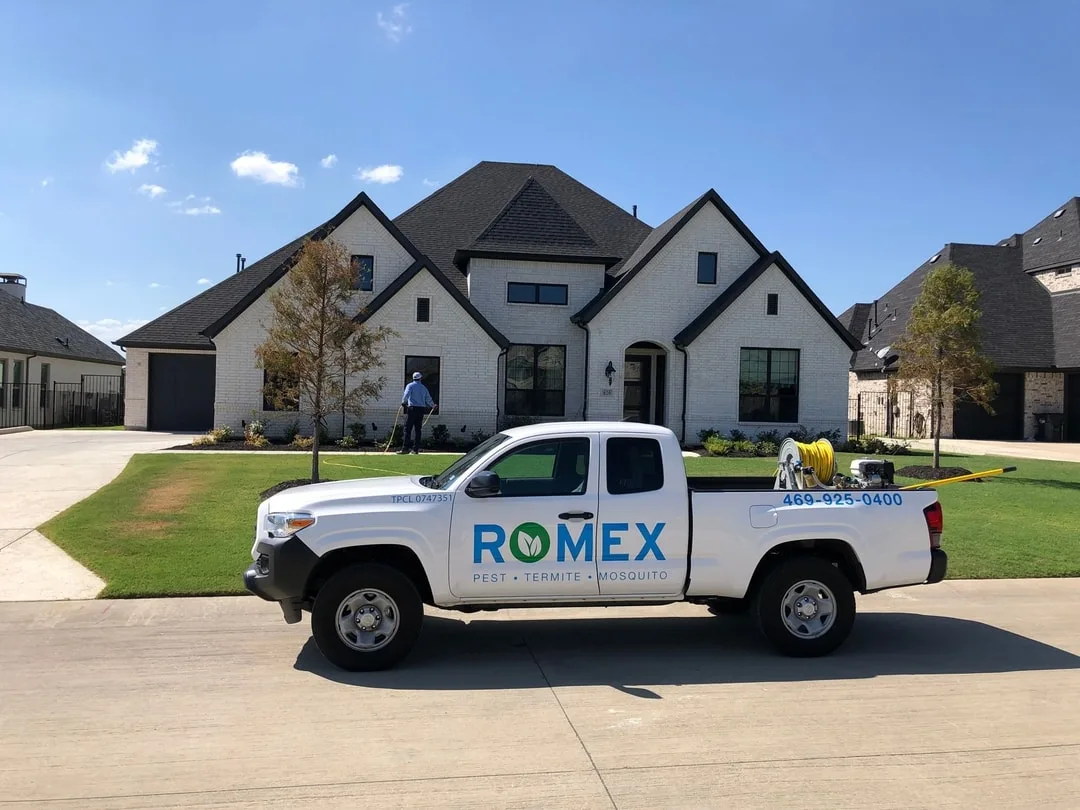
Romex Pest & Termite Control

Inspect It Austin
Urbanex Pest Control
A-Action Home Inspection Houston
Forterra Pest Control
EnviroCon Pest Control
X Out Pest Services
Adams Exterminating

Innovative Pest Control
Cerv Property Solutions San Antonio
Ace Pest Control
Integrity Pest and Termite
A Plus Inspections of Texas
The CanMan
Bill Clark Pest Control, Inc.

Bug Blasters Pest Control

Pest Solutions of North Texas

Pinnacle Pest Defense
Related Pest Guides
Detailed guides for pests addressed by termite treatment
Find Providers by Texas City
Browse licensed termite treatment providers in major Texas cities