

USDA Marks Billionth Sterile Fly Release in Texas Screwworm Fight
The U.S. government has now released its billionth sterile fly over Texas, a milestone in the New World screwworm response that Agriculture Secretary Brooke Rollins paired with the outbreak's most encouraging numbers yet: 48 total U.S. cases, only three still active, and not a single case in cattle in more than a month.
The billion flies, reared at the newly reopened plant in Chiapas, Mexico, and its sister operation in Panama, are the backbone of the only eradication method that has ever worked against the flesh-eating parasite. Wild female screwworms mate only once; when they mate with a radiation-sterilized male, they produce no offspring, and the local population collapses.
Track every confirmed case on our live Texas screwworm tracker and county map.
Rollins: 30 cases in June, 14 in July, four in August
Rollins said in a statement that the administration "has moved at warp speed to ramp up sterile fly production across Texas, Mexico, and Panama," crediting the combined federal, state and rancher effort with keeping U.S. cases low. By her count, the outbreak produced 30 cases in June, 14 in July and just four in August — "a far cry from the common narrative in early June that the herds would be decimated."
The 48th case, a dog in Crockett County, was confirmed on August 31. Forty-seven of the 48 cases are in Texas; the three still listed as active under mitigation are the two August detections in Val Verde County and the Crockett dog.
Scientists warn the lull may not last
Entomologists caution that low case counts are not the same as safety. An adult screwworm lives only about three weeks, but a female can lay up to 3,000 eggs in that span, and the larvae mature into adult flies in less than a week, according to the CDC. The last time the parasite established itself in the United States, the country recorded 473 cases in 1971 — and nearly 100,000 the following year.
Dr. Dave Taylor, who spent years with USDA's Agricultural Research Service developing screwworm control methods, warned before his death in August that underreporting by ranchers and undetected cases in Texas wildlife — a $31 billion industry — could let the numbers climb sharply within a year.
The race to 500 million flies a week
The benchmark comes from history: when the U.S. first eradicated screwworm in the 1960s and '70s, it was releasing 500 million sterile flies a week. That capacity was dismantled after the threat passed — the Chiapas plant closed in 2012, leaving only the Panama facility, which produces about 100 million flies a week.
Rebuilding takes time. The Chiapas plant can also reach 100 million per week but needs roughly six months from opening to hit capacity. The Texas facility at Moore Air Base, which broke ground in April, is set to open late next year and produce 100 million flies weekly by the end of 2027 — and up to 300 million more by late 2028. USDA is also investing $25 million in a dispersal facility in Arizona. Because the Panama and Mexico plants share their output with their host countries, and because roughly half of every batch is female — useless for mating disruption — even full production may fall short of the 500-million benchmark.
One fix is moving through field trials in Panama: NovoFly, a genetically altered male-only strain that would effectively double output by eliminating sterile females from releases. A senior USDA official described the trial results as "great."
For now, the sterile drops continue alongside wound checks, livestock inspections and movement restrictions across 19 Texas counties — and the milestone of one billion flies is less a victory lap than a down payment on the billions more the eradication math still demands.
Sources
Texas Bug Slayers Editorial Team
Editorial Board
The Texas Bug Slayers editorial team brings together licensed pest control professionals, entomologists, and writers dedicated to helping Texans protect their homes and families from pests.
Related Articles
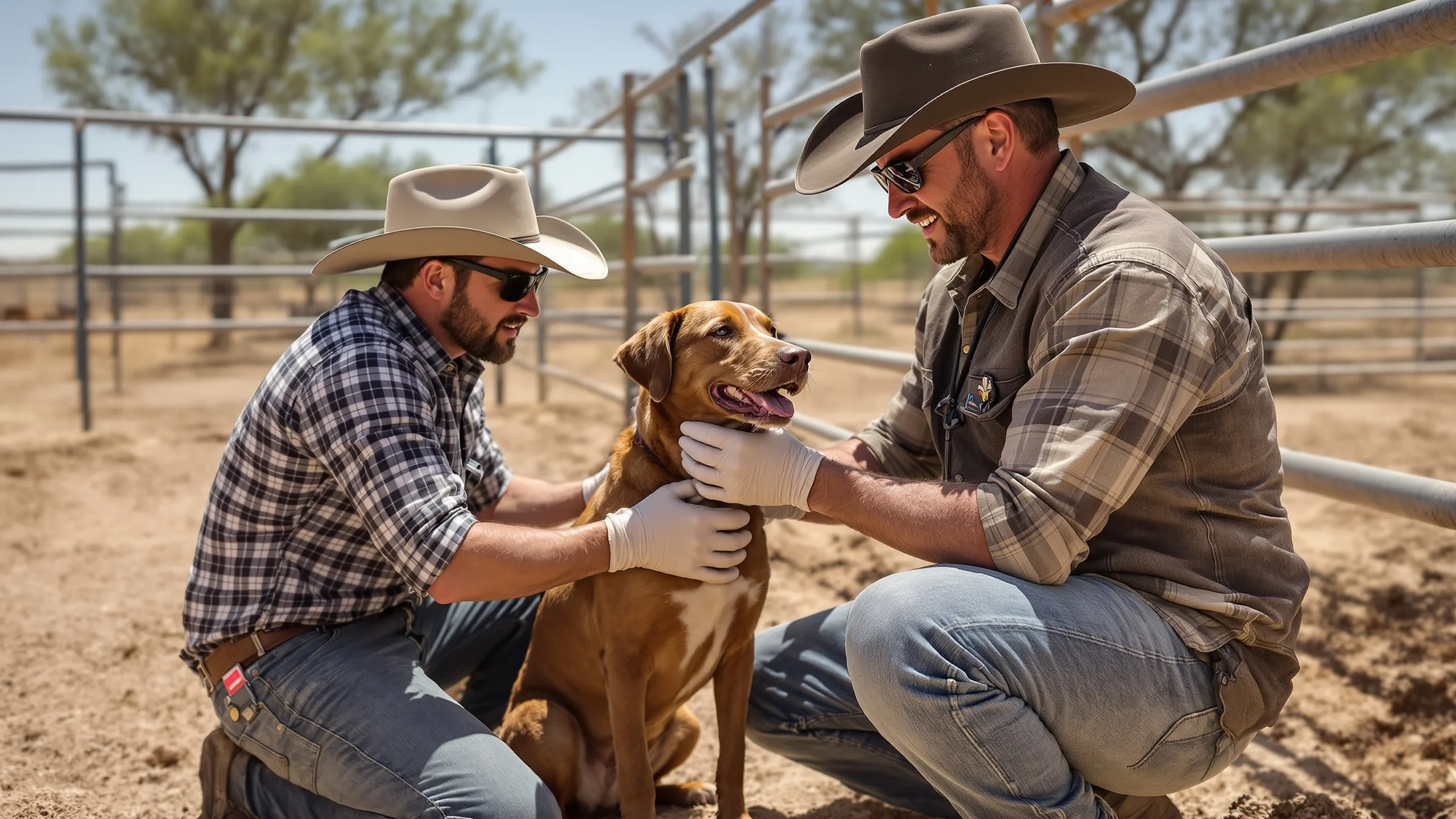
Screwworm Count Reaches 48 as Dog Case in Crockett County Opens Infested Zone 20
USDA confirms the 48th U.S. New World screwworm case — a dog in Crockett County, Texas, the county's first detection in seven weeks — and TAHC designates parts of the county as Infested Zone 20.
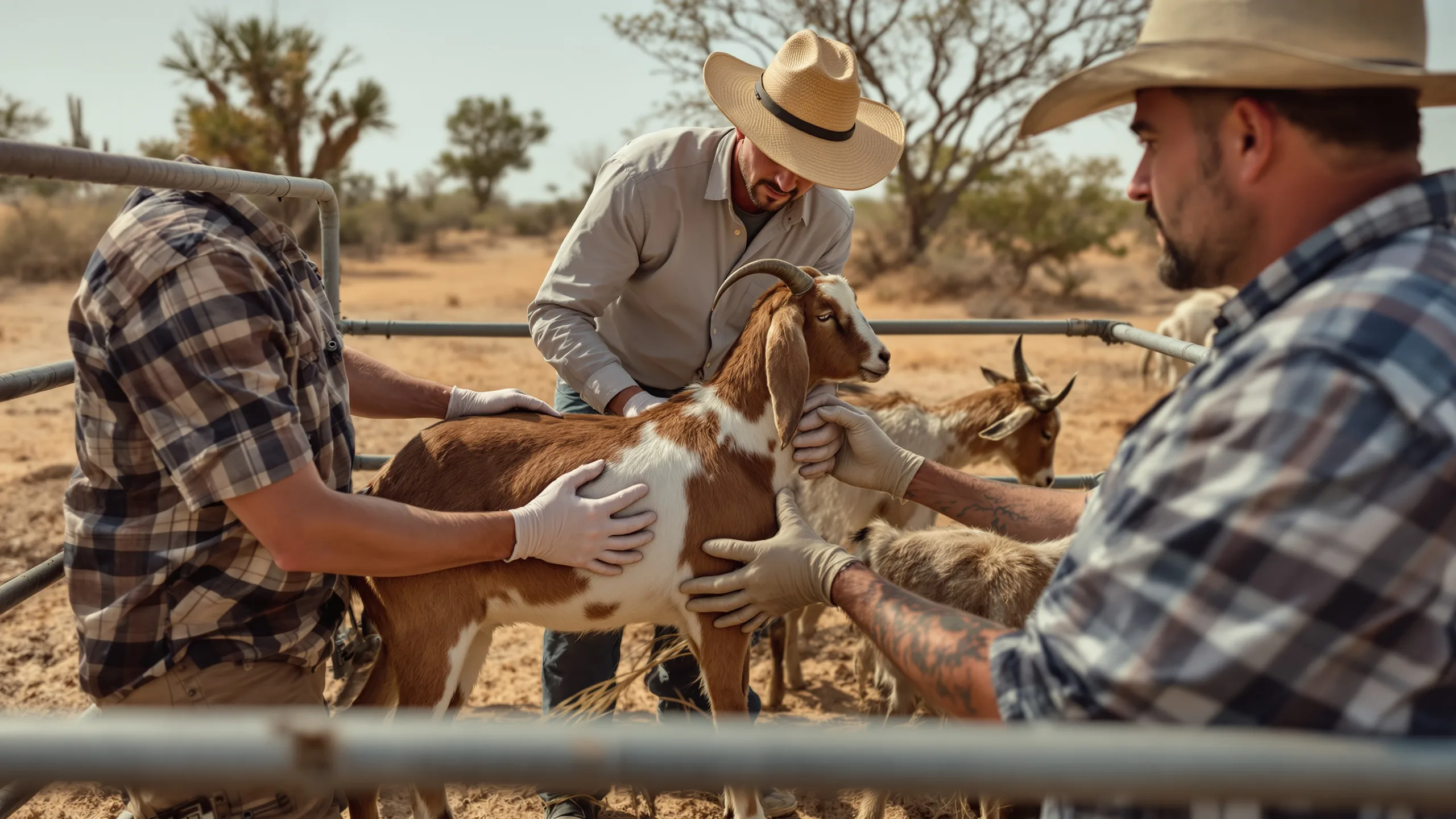
Screwworm Count Reaches 47 as Val Verde County Confirms Second Case
USDA confirms the 47th U.S. New World screwworm case — a goat in Val Verde County, Texas, the county's second detection in ten days — as TAHC expands the local quarantine to Infested Zone 19.A.
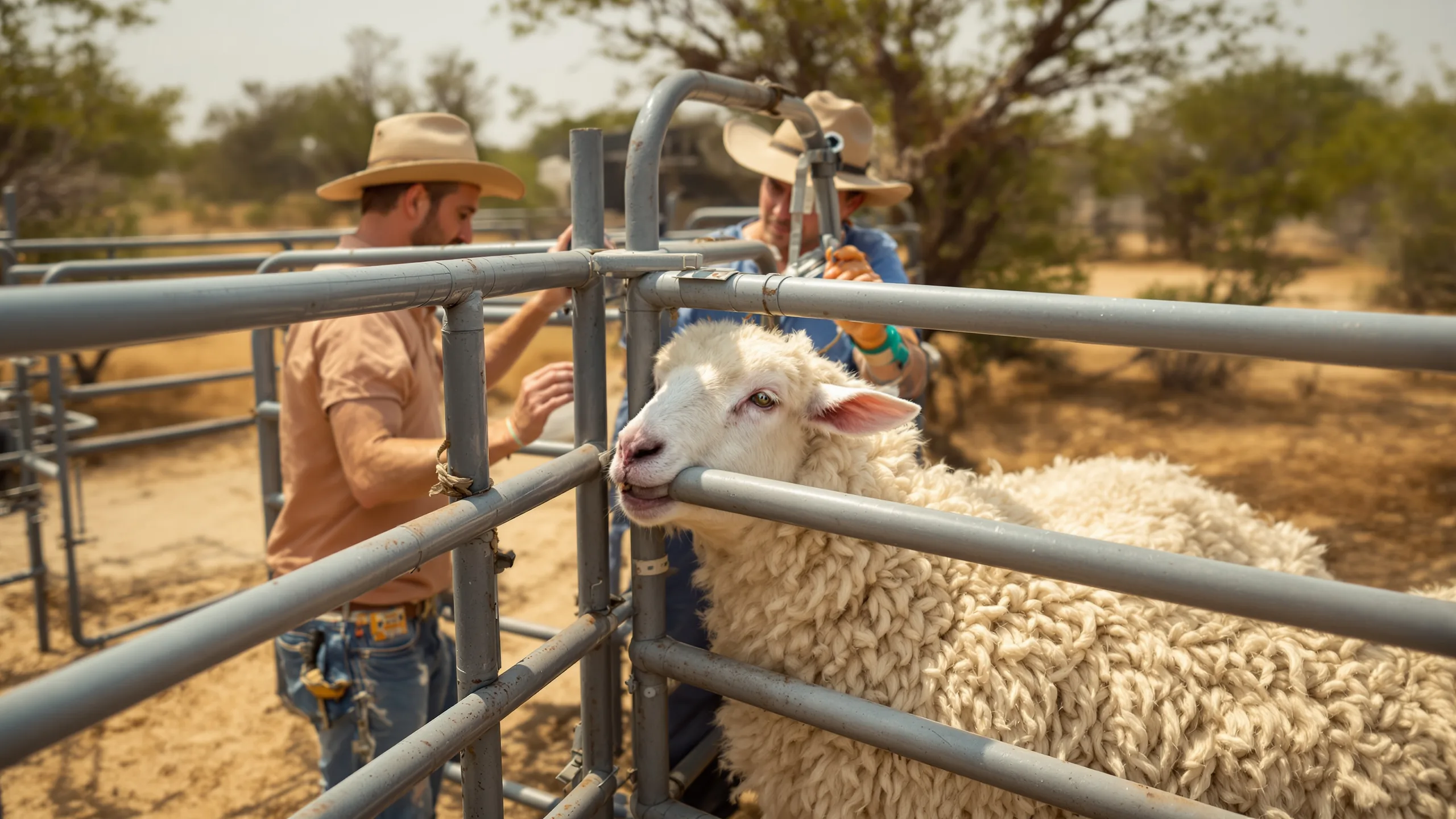
Screwworm Count Reaches 46 as Val Verde County Confirms First Case
USDA confirms the 46th U.S. New World screwworm case — a sheep in Val Verde County, Texas — as TAHC opens a new infested zone and August's slower pace hints containment may be working.