
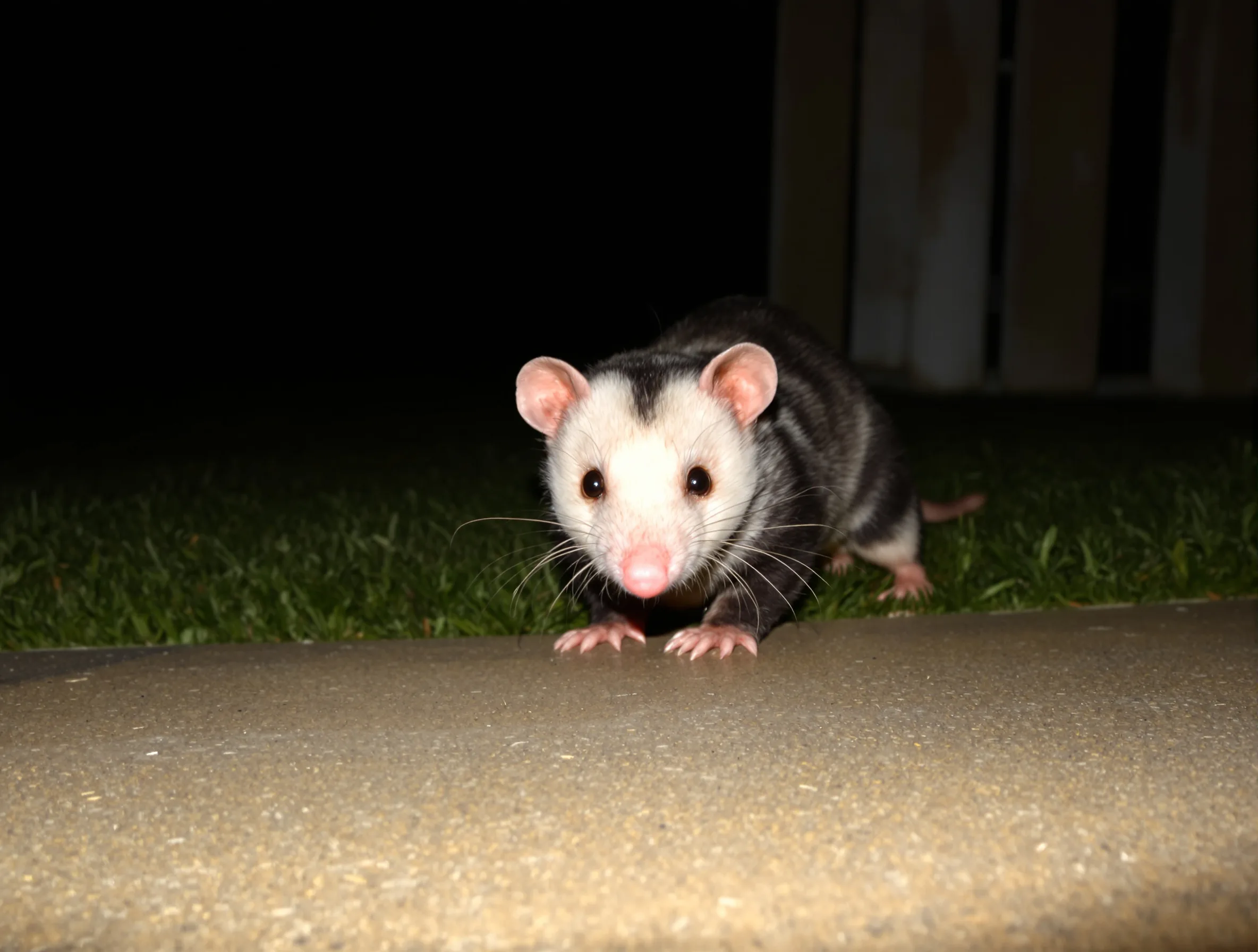
Possums in Texas — Opossum Identification & Removal — Complete Guide
Common Texas wildlife — opossums invade attics, garages, and yards
Not sure it's a Possums (Opossums)?
Snap a photo — our free AI tool identifies Texas pests in seconds.
About Possums (Opossums) in Texas
The Virginia opossum (Didelphis virginiana) — commonly called "possum" in Texas — is the only marsupial native to North America. Found throughout all of Texas except the most arid western regions, opossums are highly adaptable animals that thrive in urban, suburban, and rural environments. While they play a beneficial ecological role (eating thousands of ticks, roaches, and rodents), opossums become a nuisance when they move into attics, garages, crawl spaces, and under porches. Professional wildlife removal is the safest and most effective way to deal with opossum problems.
Opossum vs Possum — The Same Animal
In American English, "possum" and "opossum" refer to the same animal. "Opossum" is the formal name derived from the Algonquian language, while "possum" is the informal, colloquial form used throughout Texas and the southern United States. Technically, "possums" (Phalangeriformes) are a separate group of marsupials native to Australia and New Guinea — but in everyday Texas usage, both words mean the Virginia opossum. Both spellings are commonly searched online, which is why this guide uses both terms.
How to Identify an Opossum
Virginia opossums are about the size of a large house cat, weighing 4 to 14 pounds. They have a pointed face with a pink nose, round dark eyes, thin hairless ears, and a long, hairless prehensile tail that they use for balance and grasping. Their fur is grayish-white with a coarse outer coat and a softer undercoat. Opossums have 50 teeth — more than any other North American mammal — which they display in a wide, hissing gape when threatened (despite this aggressive display, they are generally harmless).
Are Possums Dangerous?
Opossums are generally not dangerous to humans or pets. They are docile, slow-moving animals that strongly prefer to avoid confrontation. Key facts about opossum safety:
- Rabies: Opossums rarely carry rabies. Their body temperature (94 to 97°F) is too low for the rabies virus to thrive, making them one of the least likely mammals to be rabid.
- Playing dead: When severely threatened, opossums enter an involuntary catatonic state called thanatosis — they fall over, become limp, close their eyes, and emit a foul-smelling discharge. This "playing possum" can last minutes to hours.
- Diseases: While not a major rabies risk, opossums can carry leptospirosis, tuberculosis, and toxoplasmosis. Their droppings may harbor EPM (Equine Protozoal Myeloencephalitis) — a concern for horse owners.
- Parasites: Opossums often carry fleas, ticks, and mites, which can transfer to pets and infest homes.
Benefits of Opossums
Despite their reputation as nuisance wildlife, opossums provide significant ecological benefits. A single opossum can eat up to 5,000 ticks per season, helping reduce tick-borne disease transmission. They also eat cockroaches, beetles, snails, slugs, mice, rats, and carrion. Opossums are resistant to many snake venoms and will eat venomous snakes. Many wildlife biologists consider them a valuable natural pest control species.
Signs of Opossum Activity
- Nocturnal sounds: Scratching, hissing, clicking, and movement sounds in attics, walls, or under the house at night.
- Droppings: Opossum droppings are similar to cat droppings — about 1 to 2 inches long, curved, and may contain visible insect parts or seeds.
- Torn garbage: Trash cans raided overnight with contents scattered.
- Pet food disappearing: Outdoor pet food bowls emptied overnight.
- Entry damage: Torn soffit panels, ripped vent screens, or enlarged gaps in the roofline or foundation.
- Odor: A strong, musky odor from urine and droppings in nesting areas, particularly attics.
Opossum Removal Methods
Professional Live Trapping
Licensed wildlife control operators use humane live cage traps baited with cat food, fruit, or marshmallows to capture opossums. Trapped animals are relocated according to Texas Parks & Wildlife regulations. Live trapping is the most common and effective removal method.
One-Way Exclusion Devices
For opossums living in attics or crawl spaces, one-way doors installed at the entry point allow the animal to exit normally but prevent re-entry. Once the opossum has left, the exclusion device is removed and the entry point is permanently sealed.
Entry Point Exclusion
After removal, all entry points must be sealed with heavy-gauge hardware cloth, steel mesh, or metal flashing. Opossums can fit through openings as small as 3 to 4 inches. Common entry points include soffit gaps, damaged foundation vents, uncapped chimneys, and openings where plumbing or utility lines penetrate the structure.
Possum Prevention Tips
- Secure trash cans with locking or bungee-corded lids.
- Bring pet food and water bowls inside at night.
- Pick up fallen fruit from trees and clean around bird feeders.
- Seal entry points to attics, crawl spaces, and beneath decks with hardware cloth or steel mesh.
- Cap chimneys with mesh chimney caps.
- Trim tree branches that overhang the roof, providing opossum access.
- Install motion-activated lights or sprinklers to deter nighttime visitors.
Licensed Texas Companies
537 companies offering wildlife removal
537 companies
Adams Exterminating
Integrity Pest and Termite
Justice Pest Services
Pest Control Conroe - Full Scope
Georgetown Pest Control
EvoFoam Pest Control
The Bug Master

Urban Texas Pest Control
ChemTec Pest Control
Golden Rule Pest Termite & Weed Control
Covenant Pest Control
Big M Pest Control
Hunter Pest Control
Yellow City Pest Control
Phillips Pest Solutions

Zappit Weed and Pest Control llc
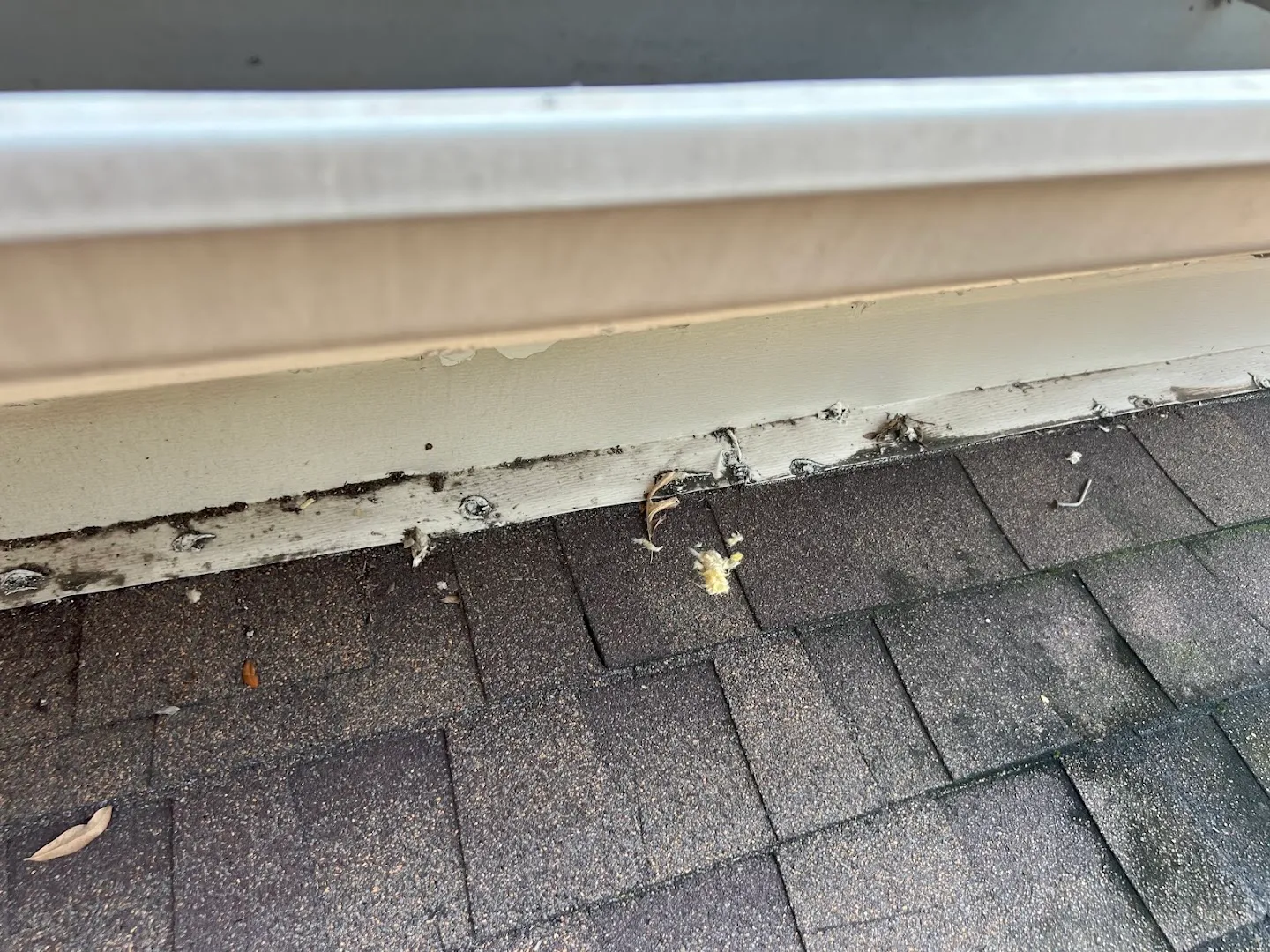
Critter Call Pest Control
Ross Pest and Lawn
Frequently Asked Questions
Best Professional Treatment
Humane removal of raccoons, opossums, bats, squirrels, skunks, and other wildlife
Find Local Exterminators for Possums (Opossums) Near You
Locate humane wildlife removal and animal control specialists licensed in Texas.
Find Licensed Companies by Texas City
Licensed possums (opossums) control companies in major Texas cities