
Common Pests in Texas
39 common pests found across the Lone Star State
Texas pest guide — quick facts
- 39 pests covered with identification, health risk, treatment options, cost ranges, and prevention.
- Most destructive: subterranean termites (especially Formosan on the Gulf Coast) — hundreds of millions in annual Texas damage.
- Most medically significant: fire ants (sting anaphylaxis risk), mosquitoes (West Nile, Zika), black widow and brown recluse spiders.
- Regional hot-spots: scorpions in Hill Country and West TX, Formosan termites on the Gulf Coast, kissing bugs (Chagas) in South TX, roof rats in coastal metros.
- Peak pest pressure: March–October. Gulf Coast and Rio Grande Valley see activity year-round.
Texas's warm climate, high humidity along the Gulf Coast, and vast geographic diversity create ideal conditions for a wide range of pests. From subterranean termites causing billions in structural damage to fire ants colonizing every county in the state, pest pressure in Texas is year-round and region-specific.
Understanding which pests are active in your area — and when they peak — is the first step toward effective control. Below you will find detailed guides on the most common pests in Texas, including identification tips, health risks, treatment options, cost estimates, and prevention strategies. Whether you need general pest control, termite treatment, or wildlife removal, our guides link directly to licensed providers verified through the Texas Department of Agriculture (TDA) TPCL licensing database.
Texas pest activity follows a seasonal pattern. Spring (March–May) brings termite swarms, fire ant mound activity, and mosquito hatches as temperatures climb. Summer (June–August) is peak season for scorpions in the Hill Country around Austin, wasps nesting under eaves, and flea-and-tick season for pet owners. Fall sees rodents moving indoors as nights cool, while Gulf Coast cities like Houston and Corpus Christi deal with mosquitoes and cockroaches well into November. Even winter brings challenges — South Texas remains active year-round, and Dallas–Fort Worth homeowners often discover rodent infestations during the coldest months.
What bug is this? Identify a pest by photo
Free AI tool — snap a photo, get an instant Texas pest ID with a link to the species guide. Free • Instant • No sign-up.
Pest Threat, Season & Regional Pressure
| Pest | Primary threat | Season | Texas regional pressure |
|---|---|---|---|
| Rodents | Disease + electrical/structural damage | Peak fall/winter | Statewide; Norway rat on coast, roof rat inland |
| Wasps & Hornets | Sting (medical for allergics), aggressive yellow jackets | Apr–Oct, peak Aug–Sep | Statewide |
| Raccoons | Attic damage, rabies vector | Year-round | Statewide, more common urban/suburban |
| Termites | Structural — #1 cause of home damage in TX | Swarms Mar–May, active year-round | Statewide; Formosan heaviest on Gulf Coast |
| Cockroaches | Health — allergens, asthma triggers | Year-round, peak summer | Statewide; American roaches heavy in Houston/SA |
| Ants & Fire Ants | Nuisance + some property damage (carpenter) | Year-round, peak Apr–Sep | Statewide |
| Mosquitoes | Disease — WNV, Zika, dog heartworm | Mar–Nov | Heaviest Gulf Coast + Rio Grande Valley |
| Bed Bugs | Bites + major treatment cost | Year-round | Urban metros + hotels/apartments |
| Spiders | Mostly nuisance; black widow/brown recluse dangerous | Year-round, peak fall | Statewide |
| Scorpions | Painful sting, rare medical emergency | Apr–Oct | Hill Country, SA metro, W Texas, DFW outskirts |
| Fleas & Ticks | Disease — tick-borne illnesses, pet health | Year-round, peak summer | Statewide |
| Snakes | Some venomous (rattlesnake, copperhead, cottonmouth, coral) | Mar–Nov | Rural/suburban, Hill Country, Piney Woods |
| Brown Recluse Spider | Medical — necrotic tissue damage from bites | Year-round indoors | Central and N Texas primarily |
| Palmetto Bugs & Water Bugs | Large American cockroach; health/allergen | Year-round, peak summer | Gulf Coast heavy |
| Black Widow Spider | Medical — neurotoxic venom, severe bites | Year-round outdoors | Statewide |
| Possums (Opossums) | Property damage, tick carriers | Year-round | Statewide |
| Squirrels | Attic/electrical damage, chewing | Year-round, peak spring nesting | Statewide |
| Fire Ants | Aggressive sting, agricultural + medical | Mar–Nov | Statewide — red imported fire ant |
Detailed Pest Guides
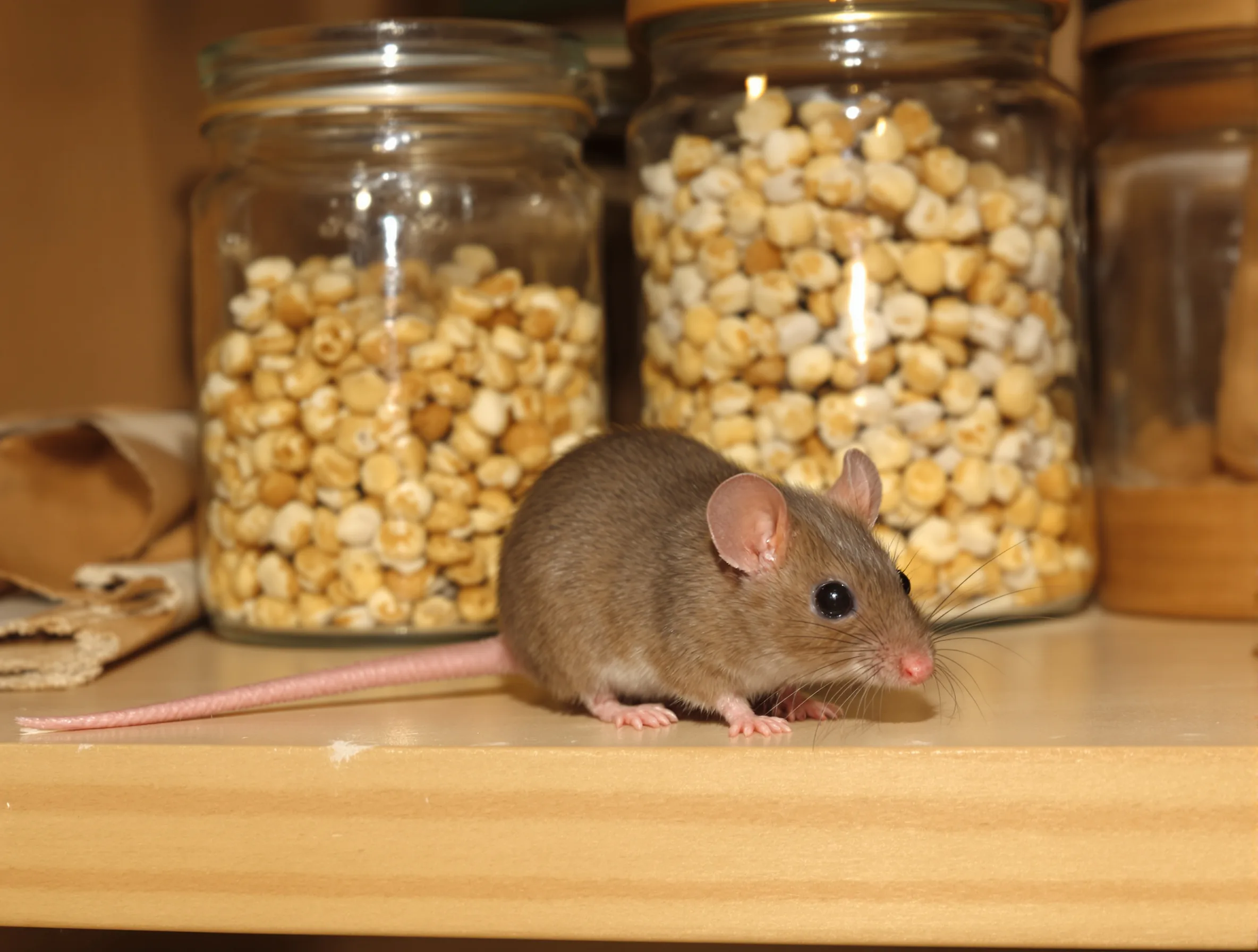
Rodents
Mice and rats seeking shelter, contaminate food and gnaw wiring
Wildlife Removal →
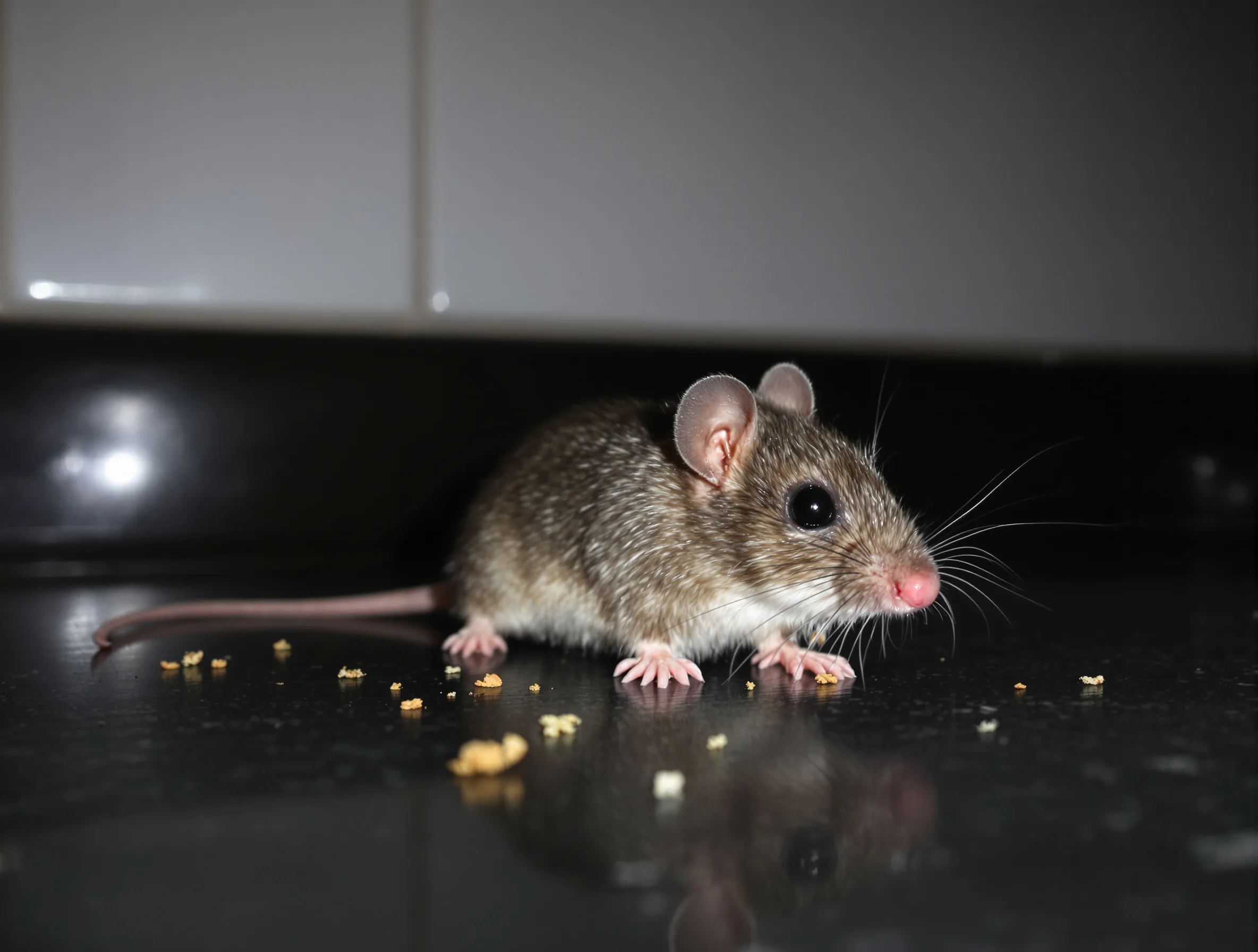
Mice
House mice invade Texas homes, contaminate food, gnaw wiring, and breed fast
Wildlife Removal →
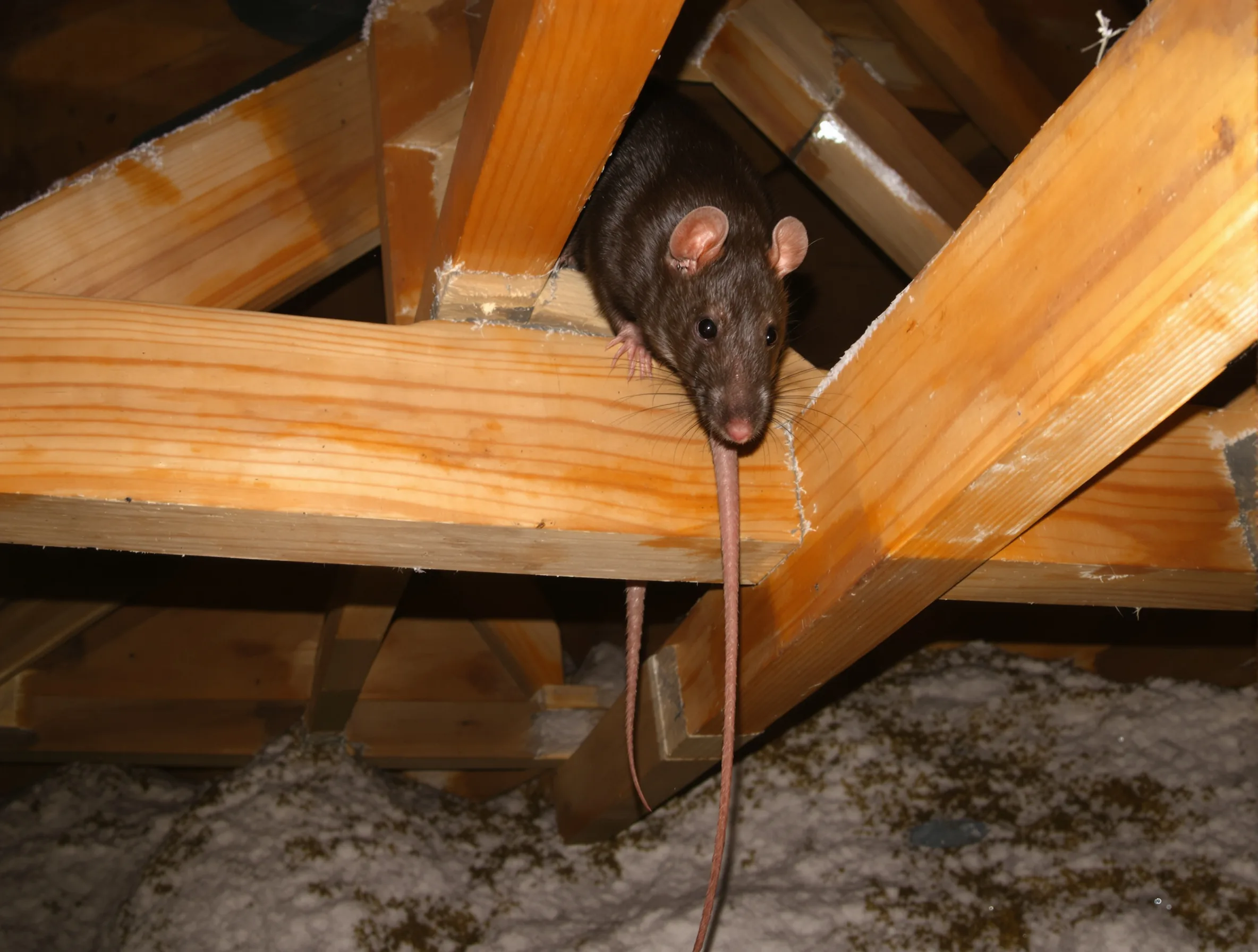
Rats
Roof rats and Norway rats infest Texas attics, garages, and foundations
Wildlife Removal →
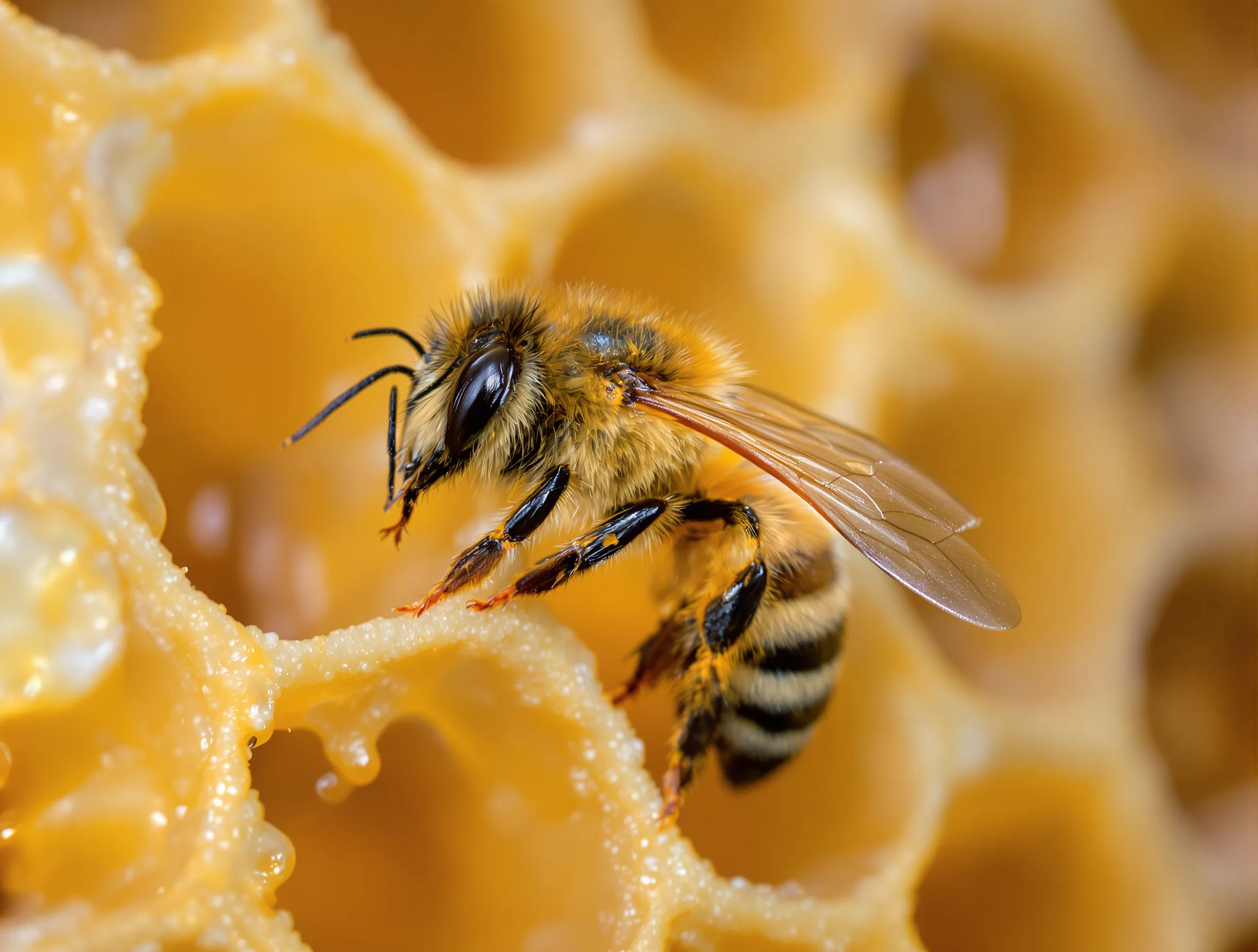
Bees
Honey bees and Africanized bees swarm and build hives in walls, soffits, and trees across Texas
Wildlife Removal →
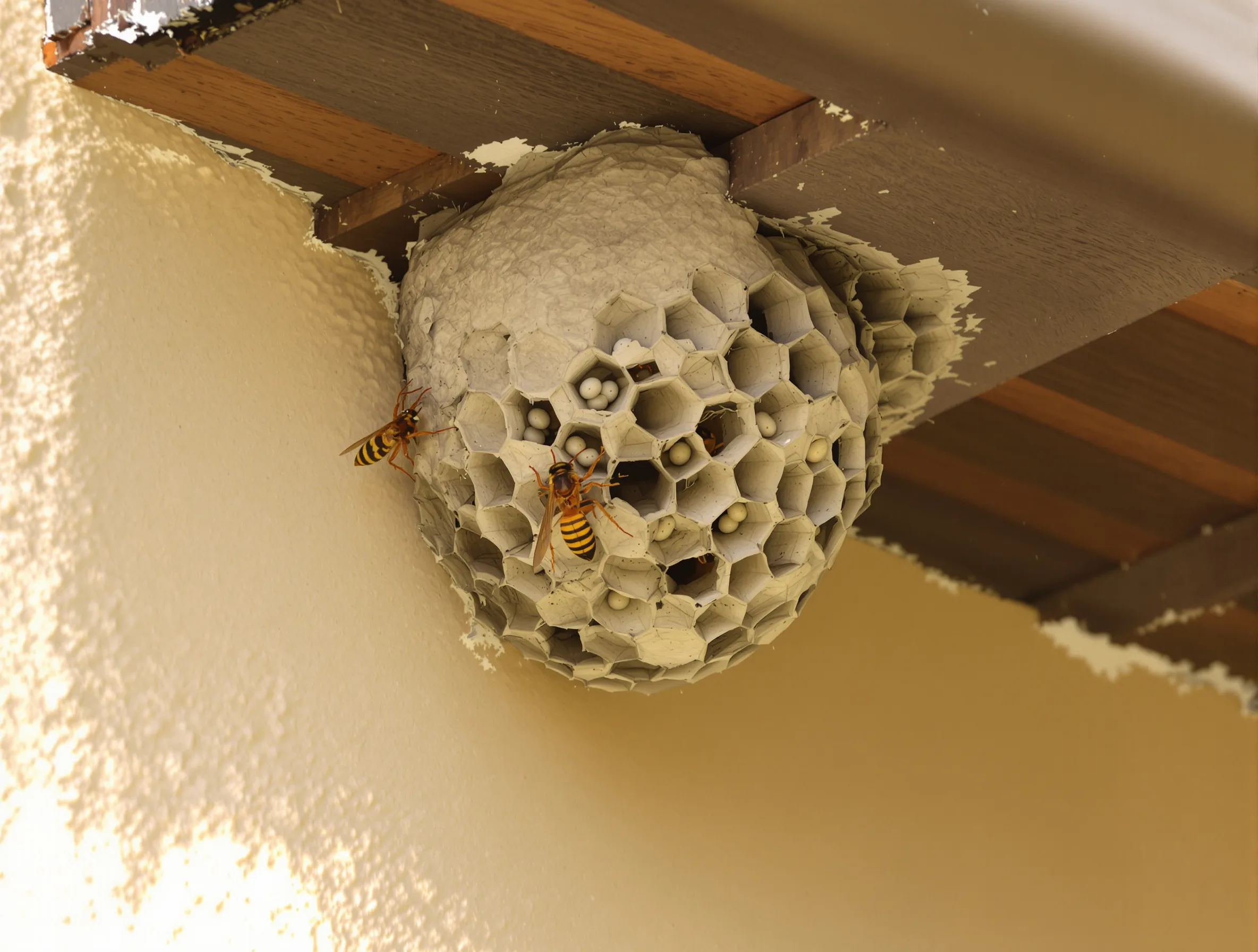
Wasps & Hornets
Aggressive when nests are disturbed, build near homes
Pest Control →
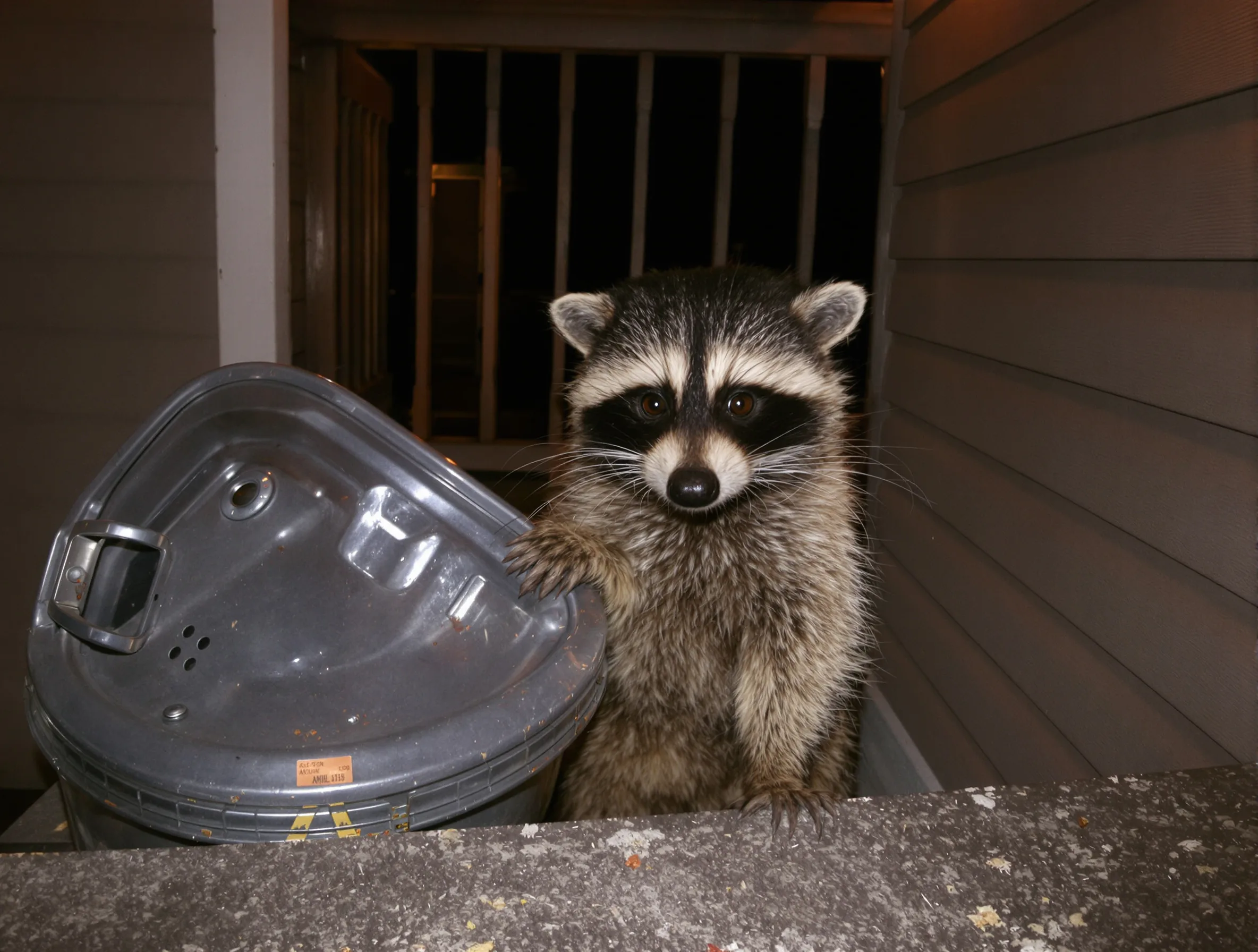
Raccoons
Nocturnal trash pandas that invade attics, spread rabies and cause property damage
Wildlife Removal →
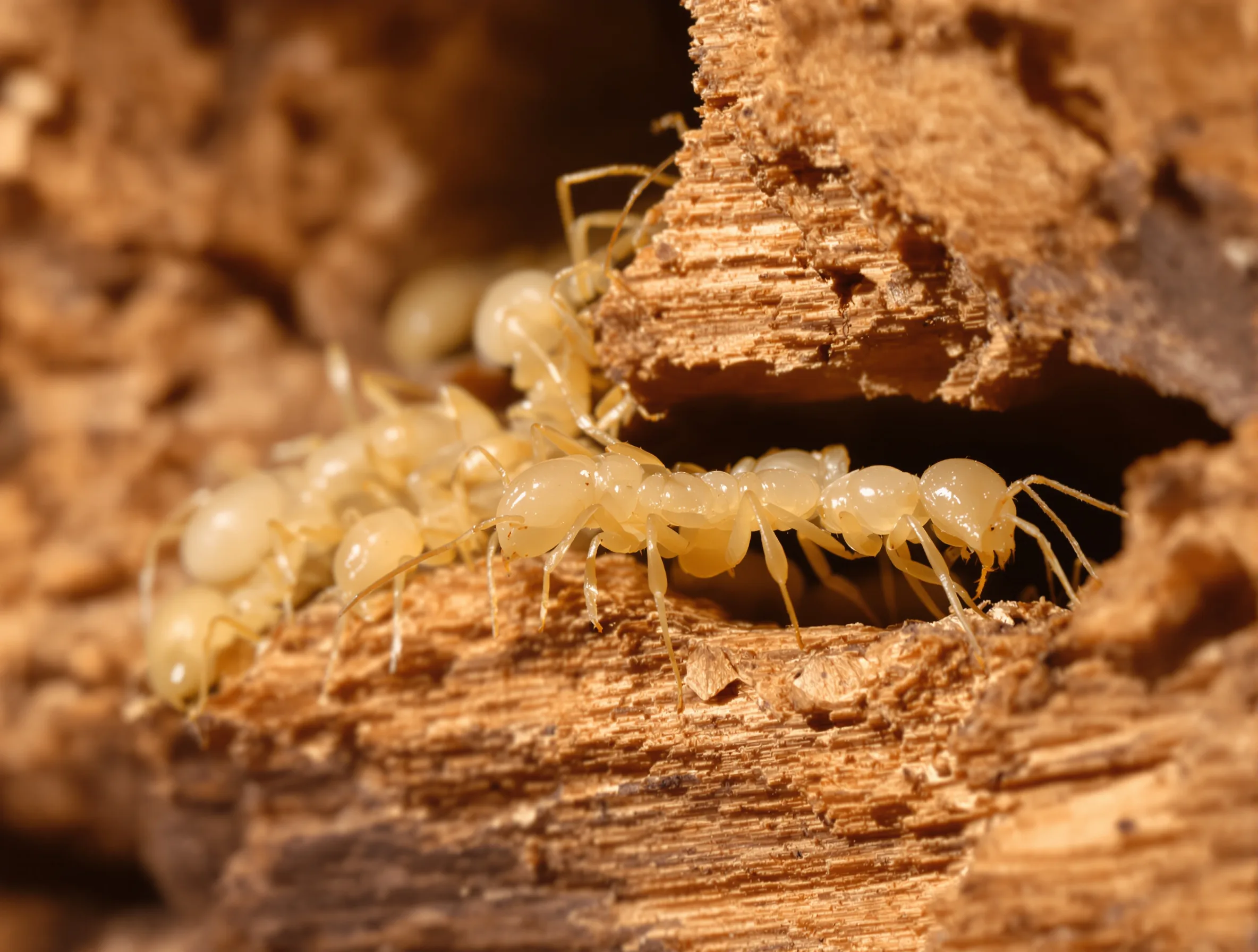
Termites
Cause billions in property damage annually across Texas
Termite Treatment →
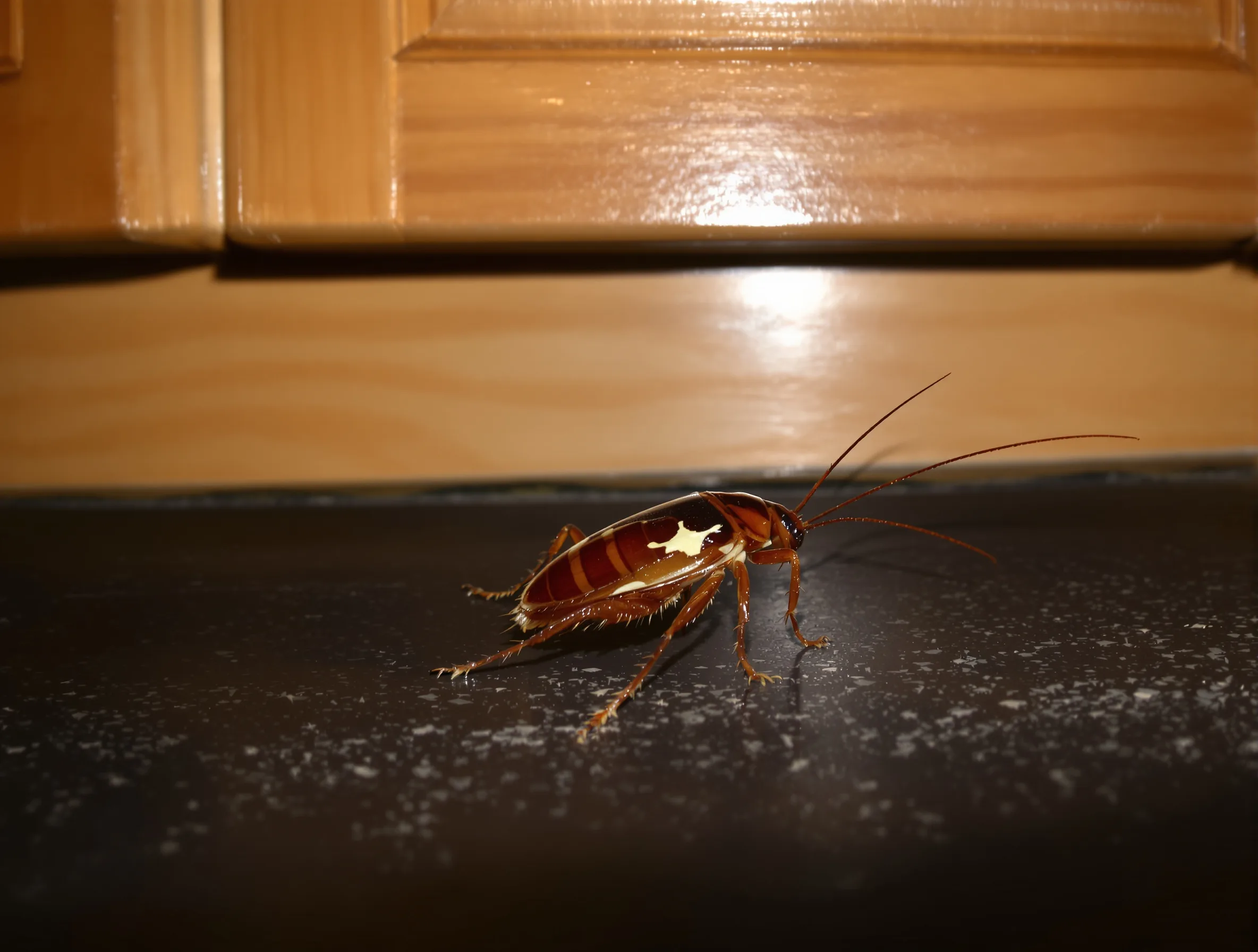
Cockroaches
Thrive in Texas heat, trigger asthma, and spread disease
Pest Control →
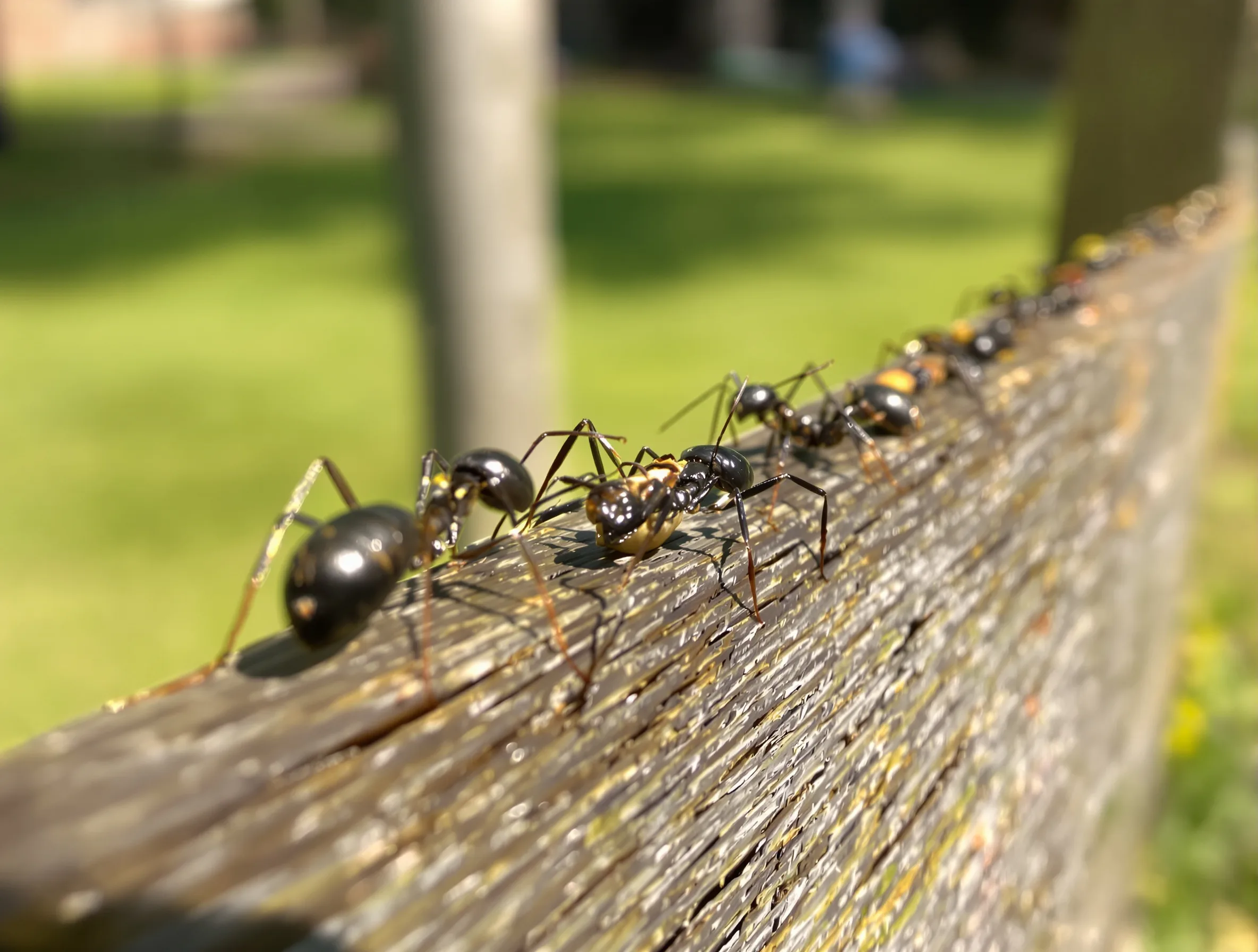
Ants & Fire Ants
Found in every Texas county, aggressive stingers
Pest Control →
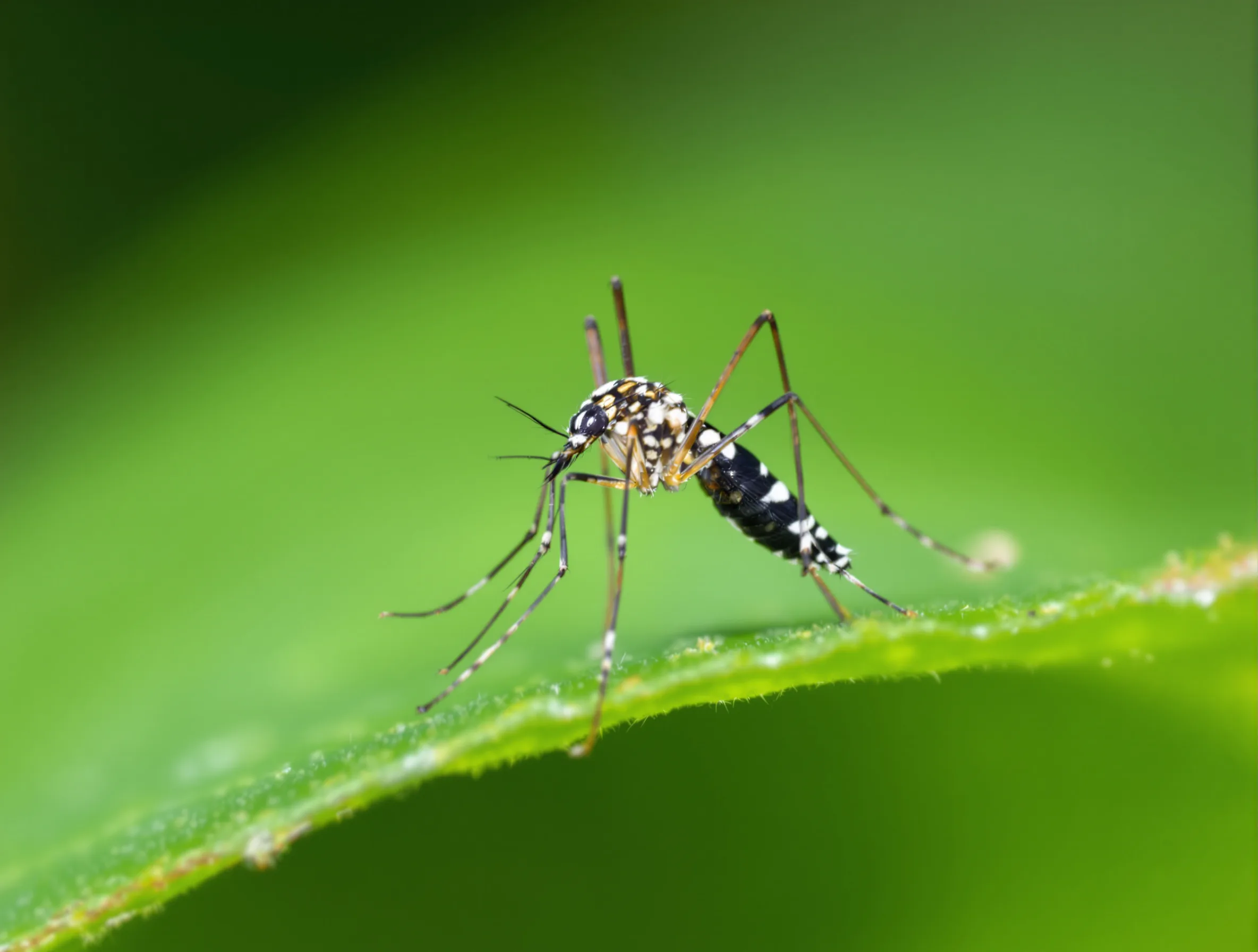
Mosquitoes
Carry West Nile and Zika, active year-round in South Texas
Pest Control →
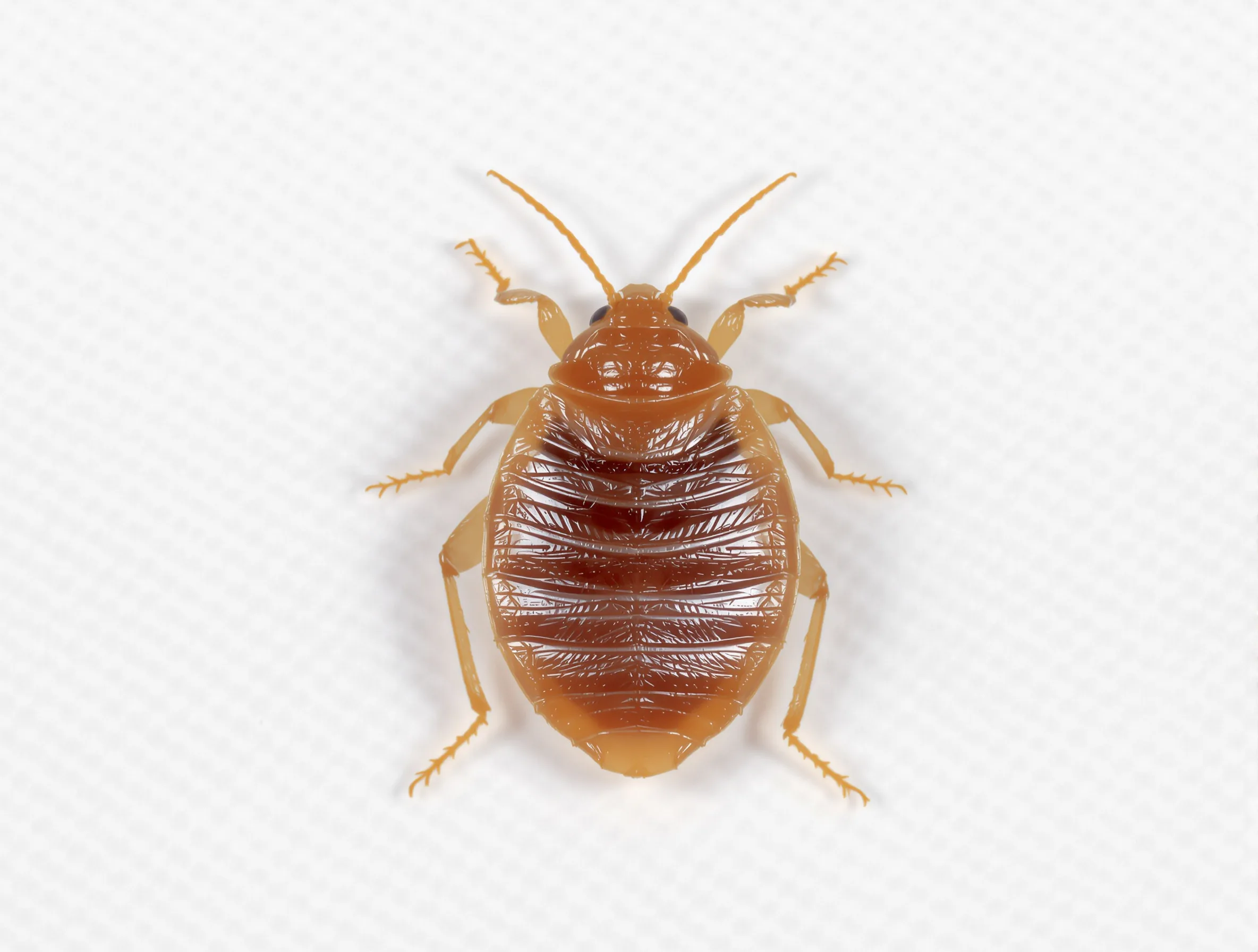
Bed Bugs
Spread through travel, hard to eliminate without professionals
Pest Control →
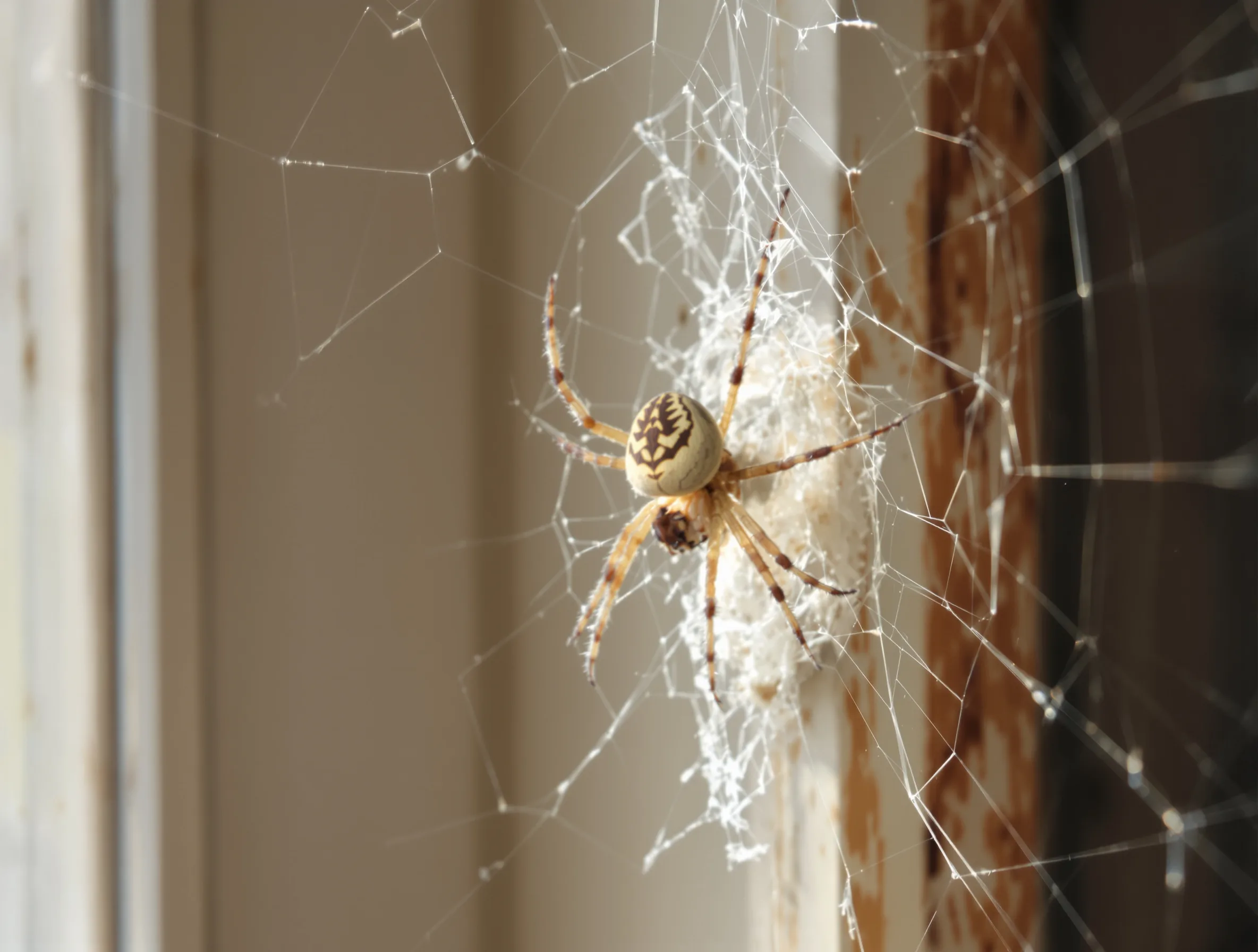
Spiders
Brown recluse and black widow found across Texas
Pest Control →
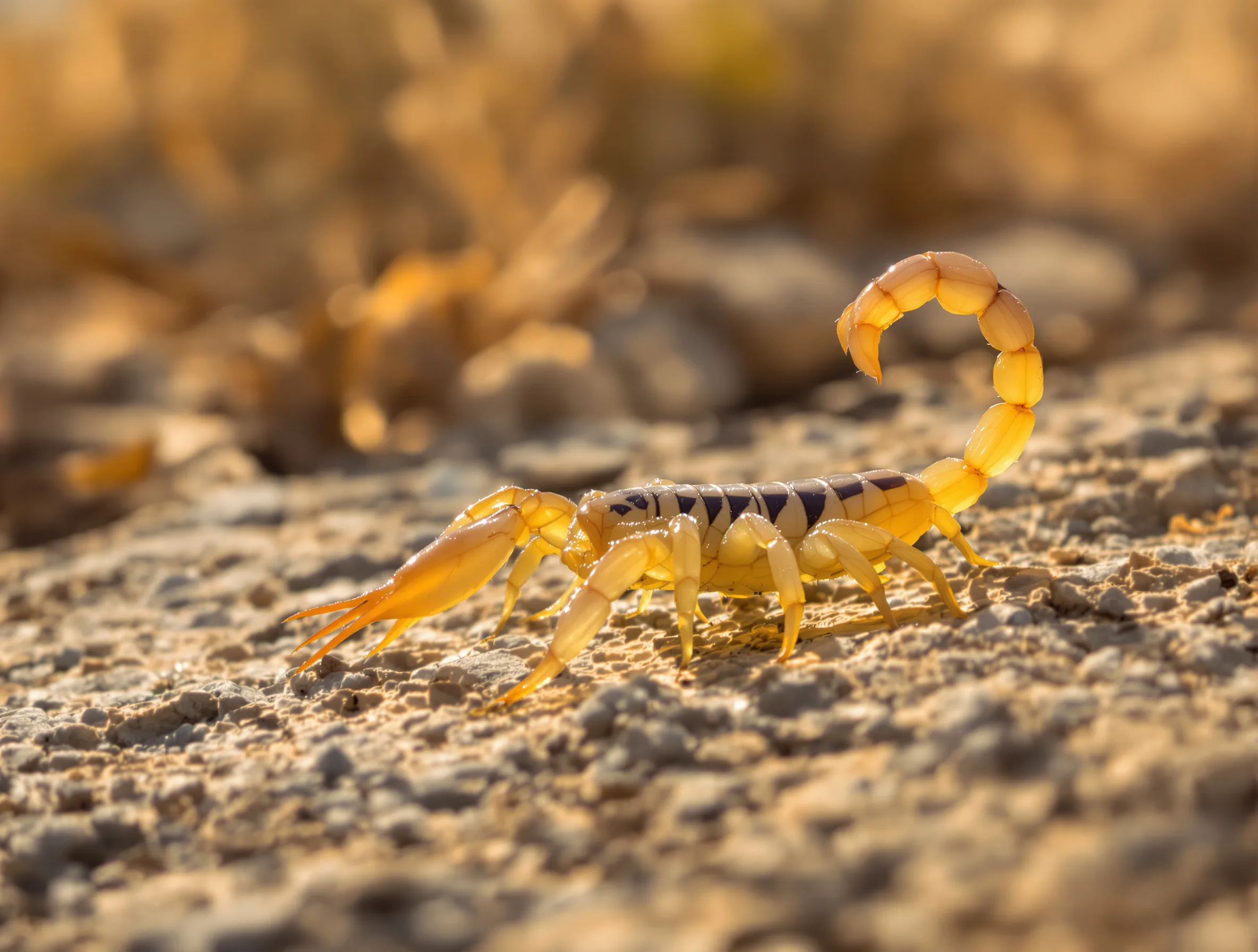
Scorpions
Common in Hill Country and West Texas, painful stings
Pest Control →
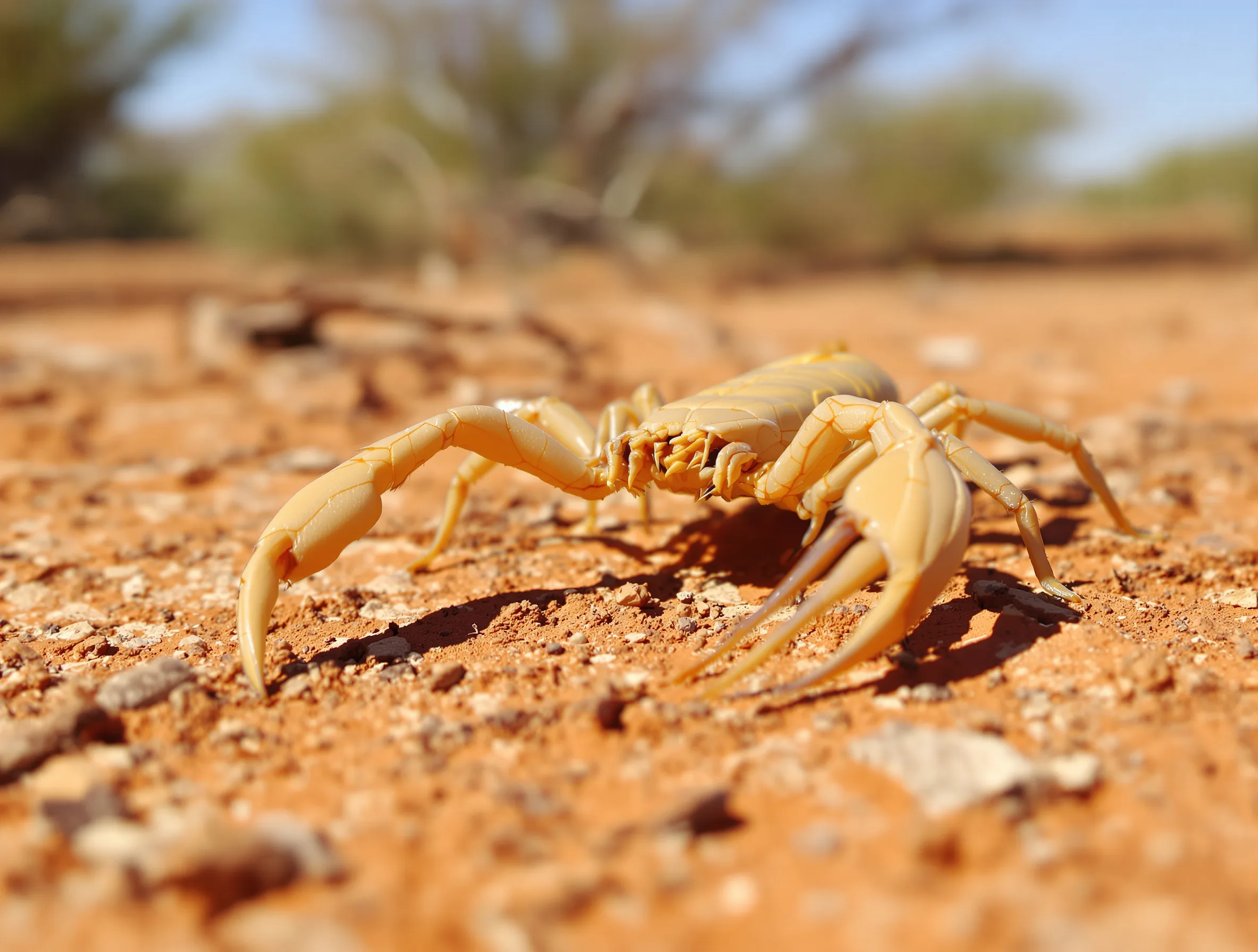
Wind Scorpion (Camel Spider)
Solifuges common in Texas — terrifying looking but completely non-venomous
Pest Control →
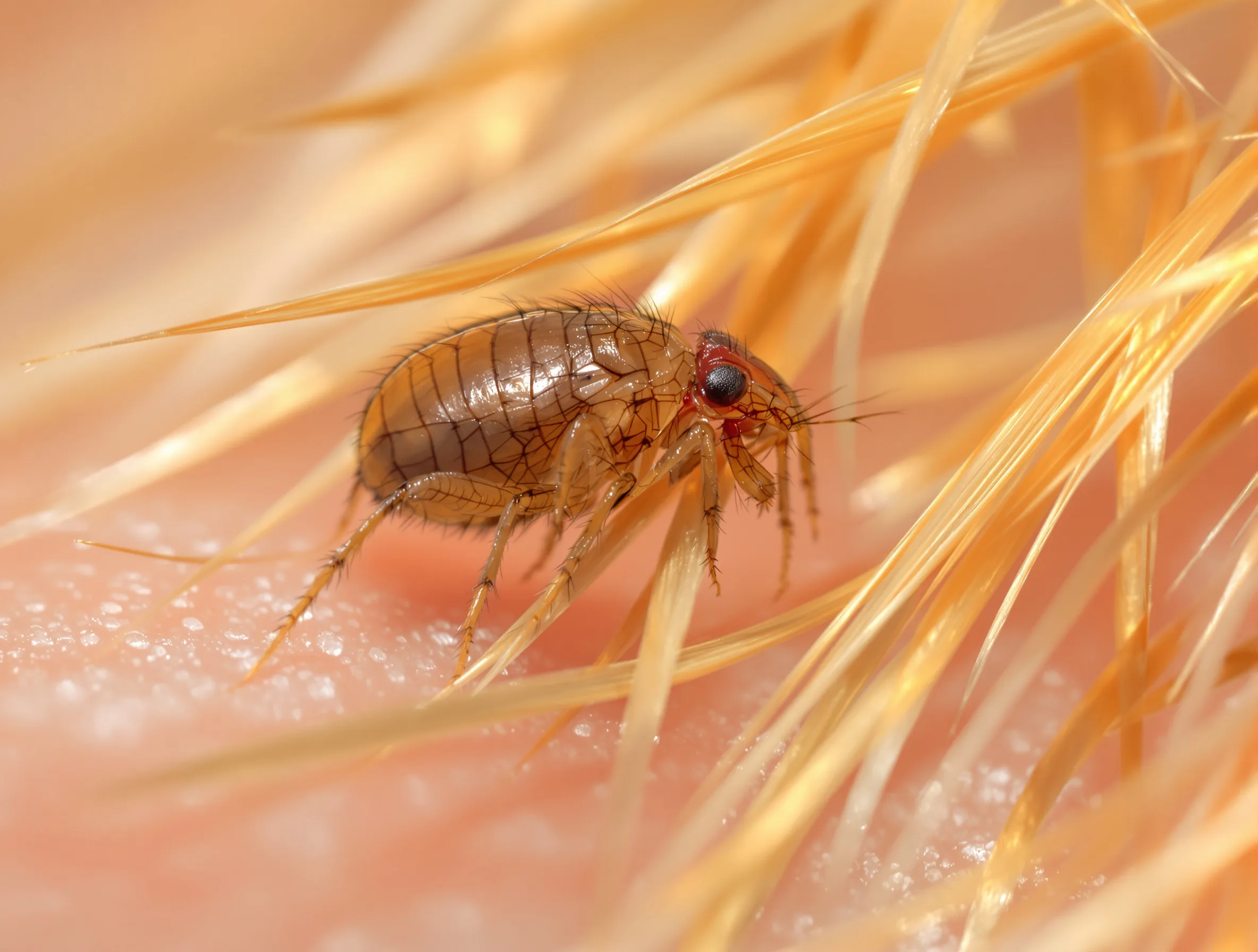
Fleas & Ticks
Affect pets and humans, carry Rocky Mountain spotted fever
Pest Control →
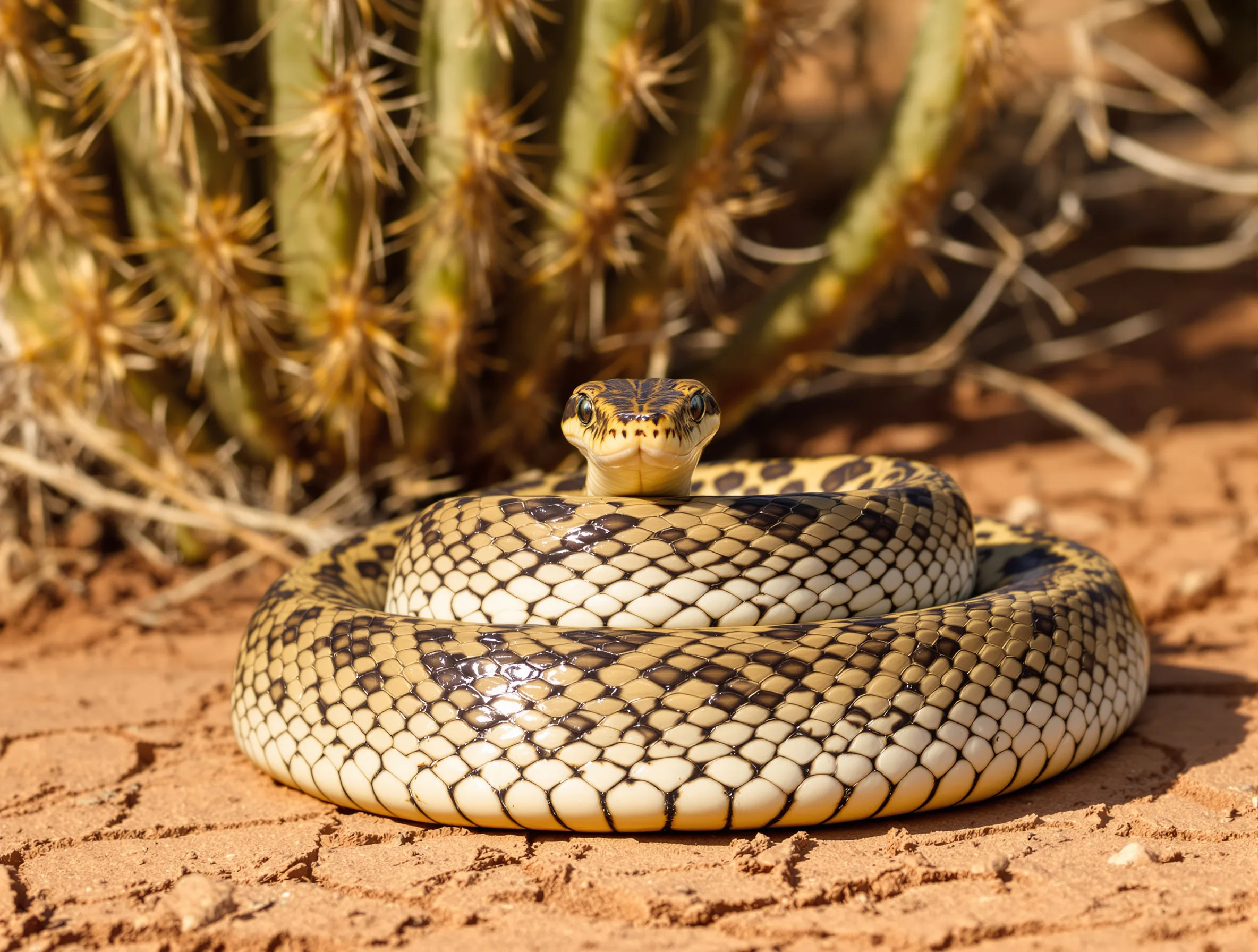
Snakes
Four venomous species in Texas including rattlesnakes and copperheads
Wildlife Removal →
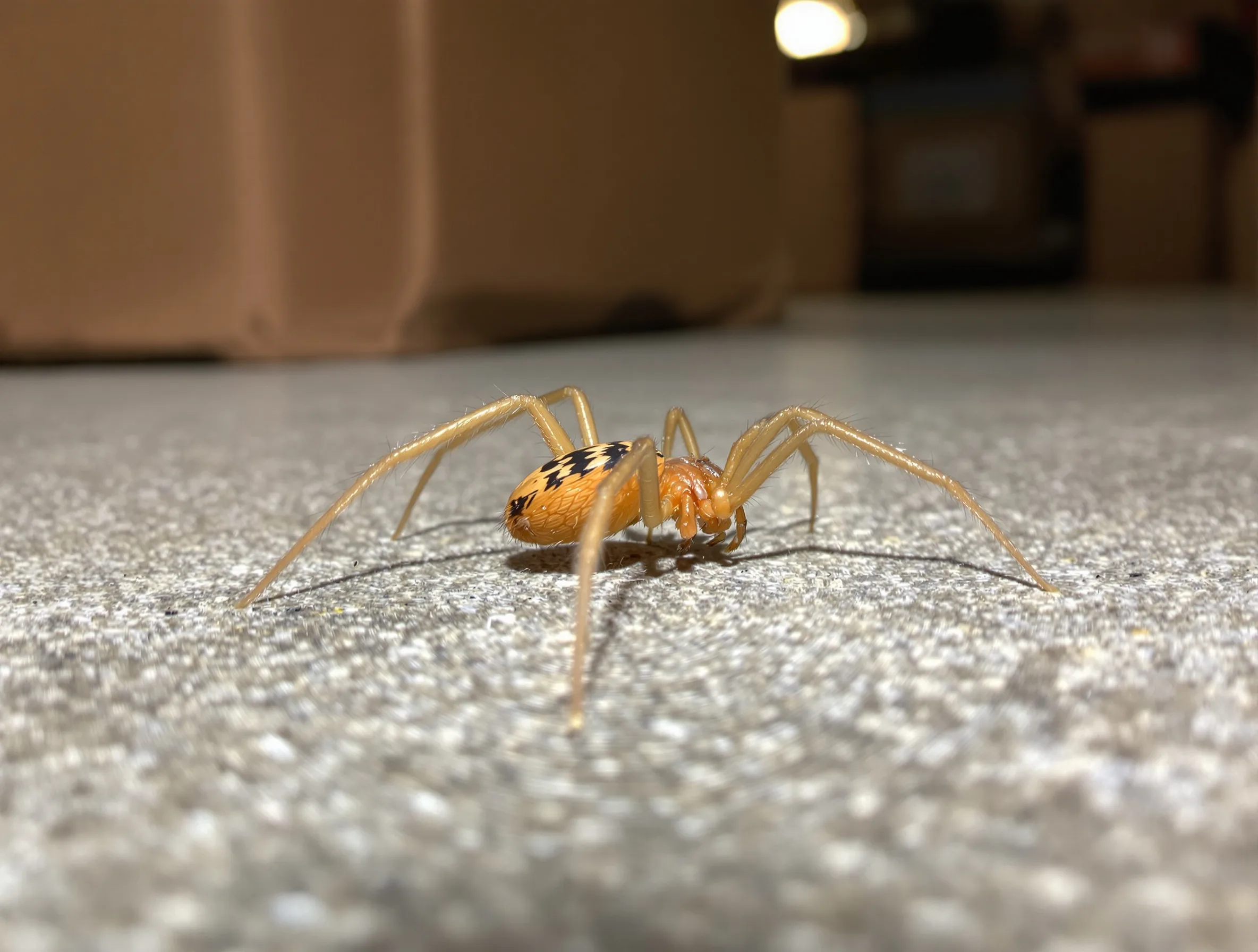
Brown Recluse Spider
Venomous spider found across Texas, bites cause necrotic wounds
Pest Control →
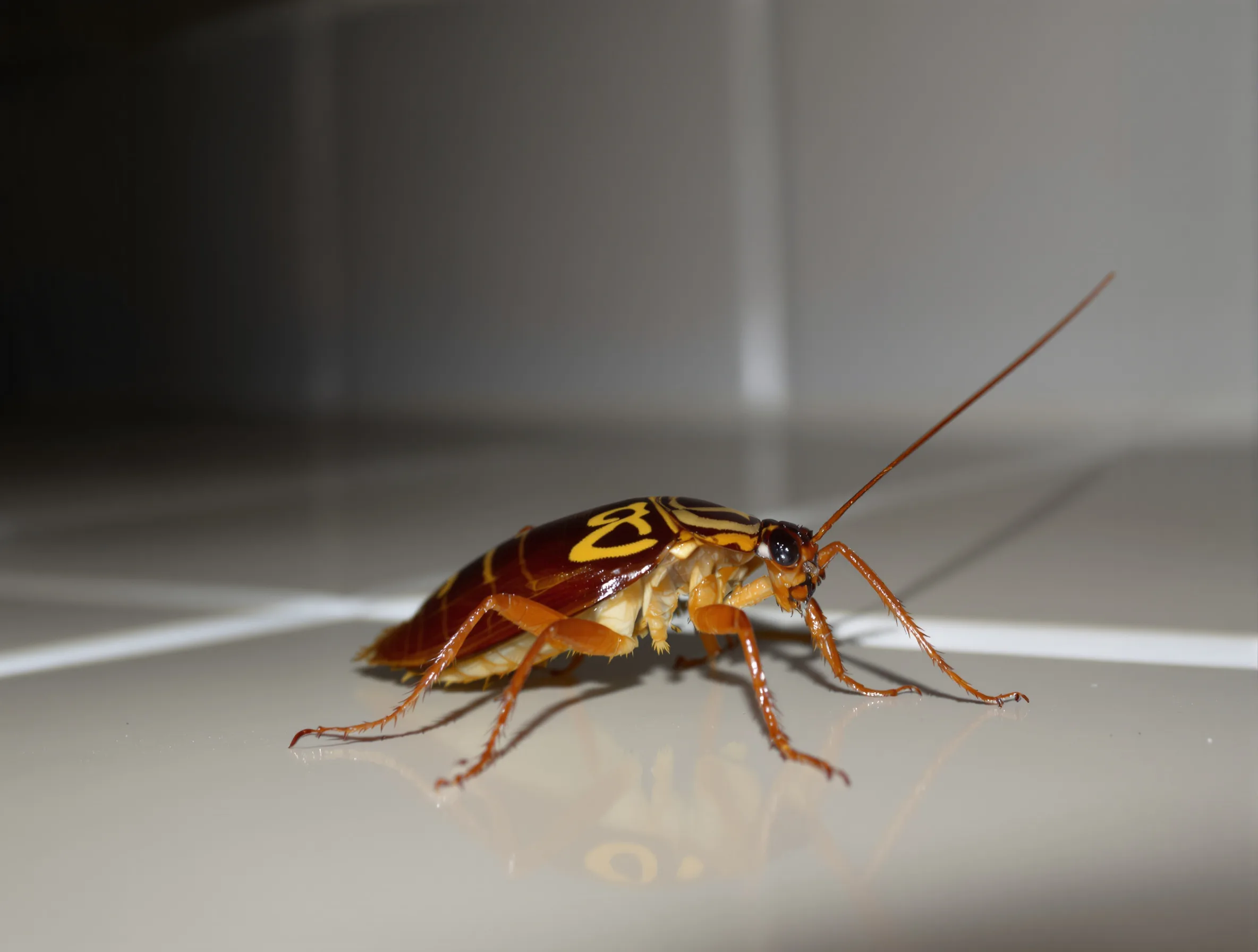
Palmetto Bugs & Water Bugs
Texas slang for large cockroaches — palmetto bugs, water bugs, and roaches
Pest Control →
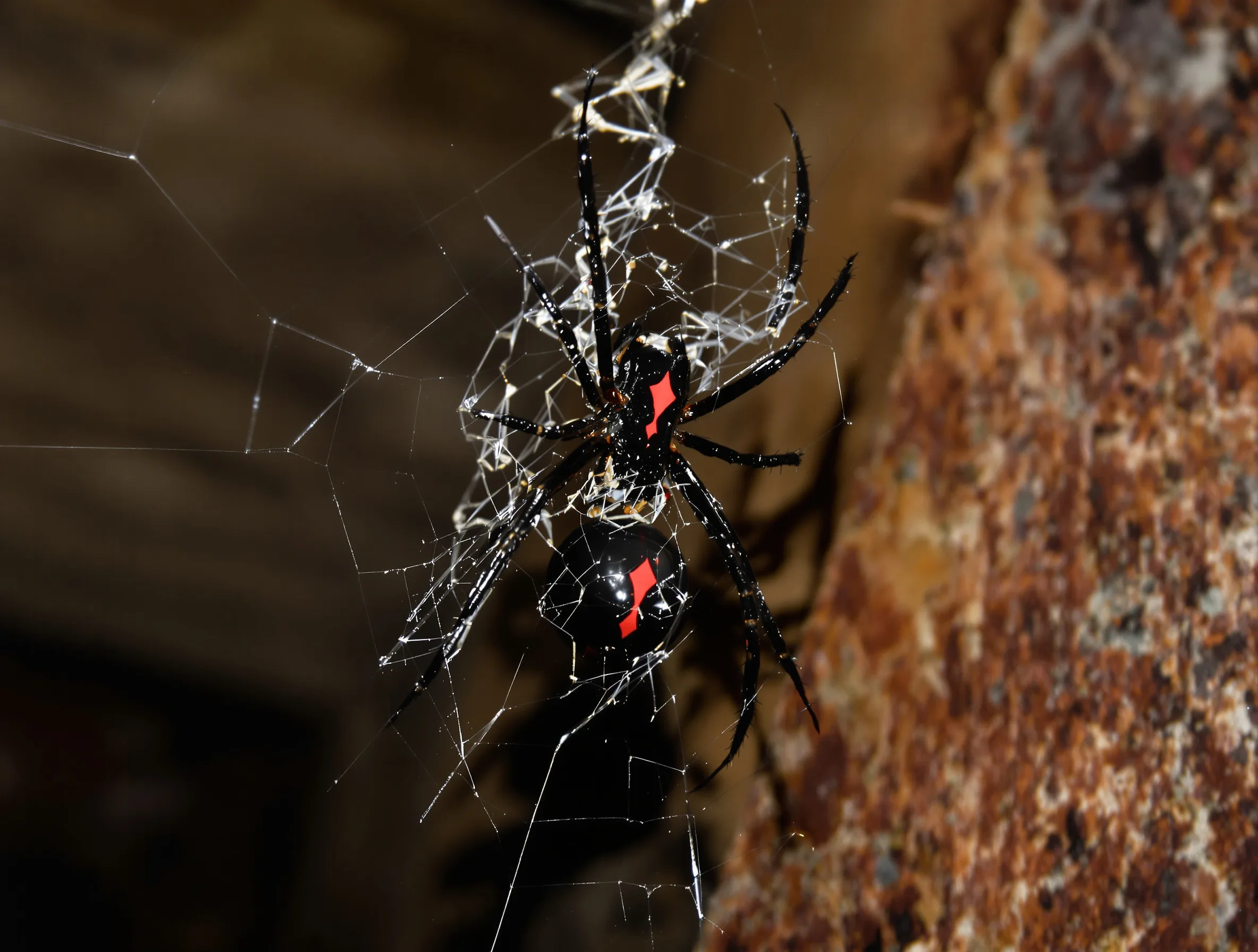
Black Widow Spider
Venomous spider with neurotoxic venom, common across Texas
Pest Control →
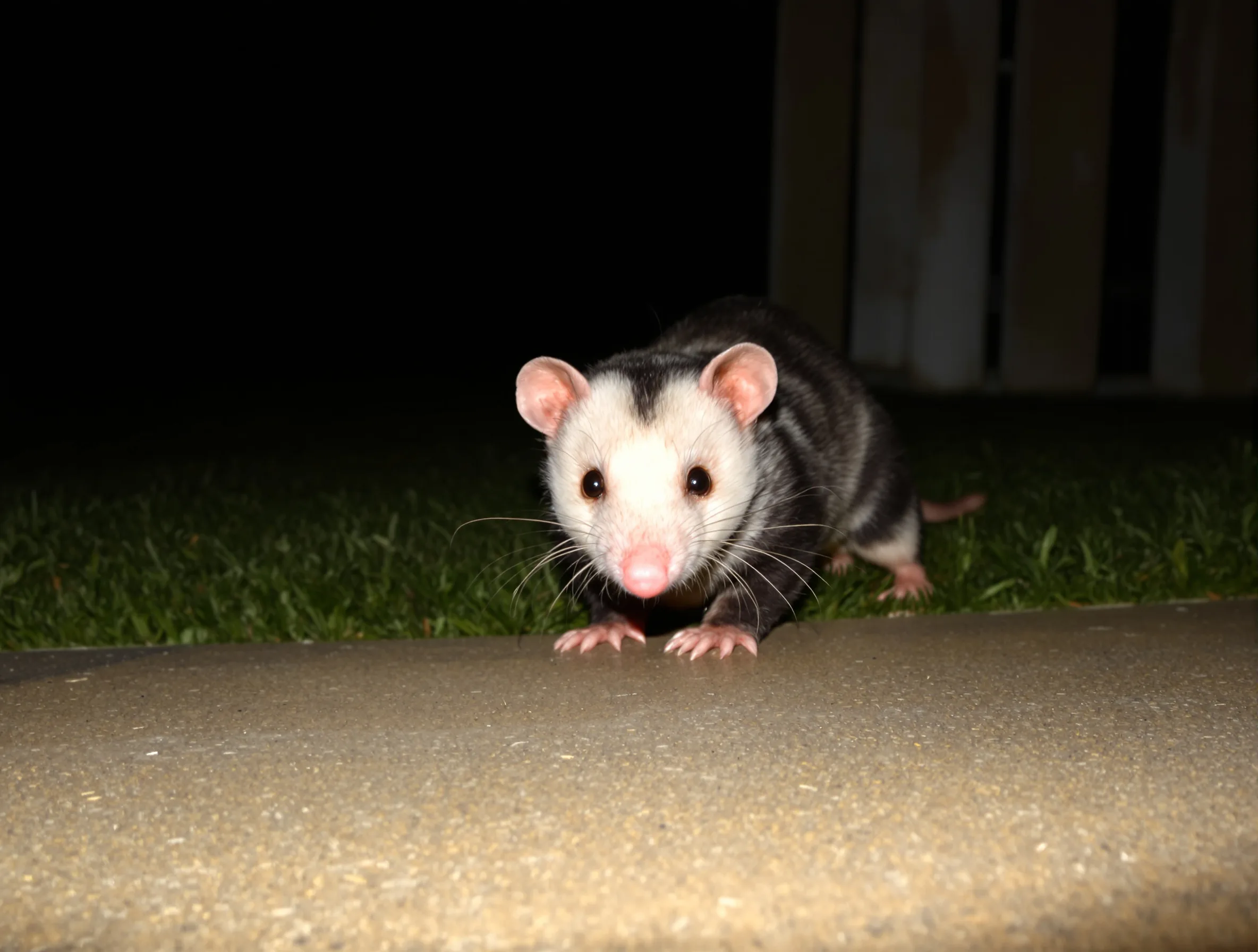
Possums (Opossums)
Common Texas wildlife — opossums invade attics, garages, and yards
Wildlife Removal →
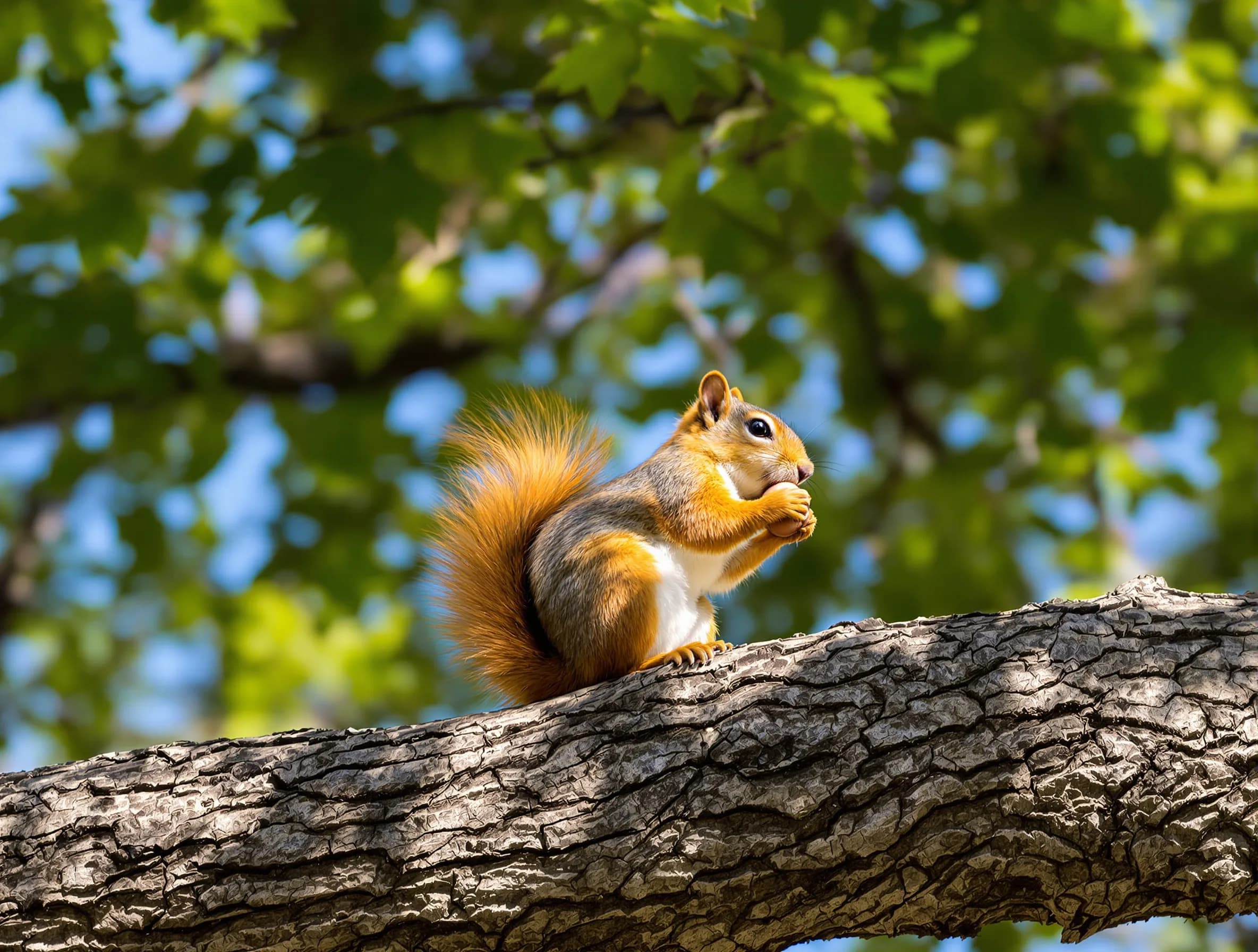
Squirrels
Attic invaders that chew wiring and insulation across Texas homes
Wildlife Removal →
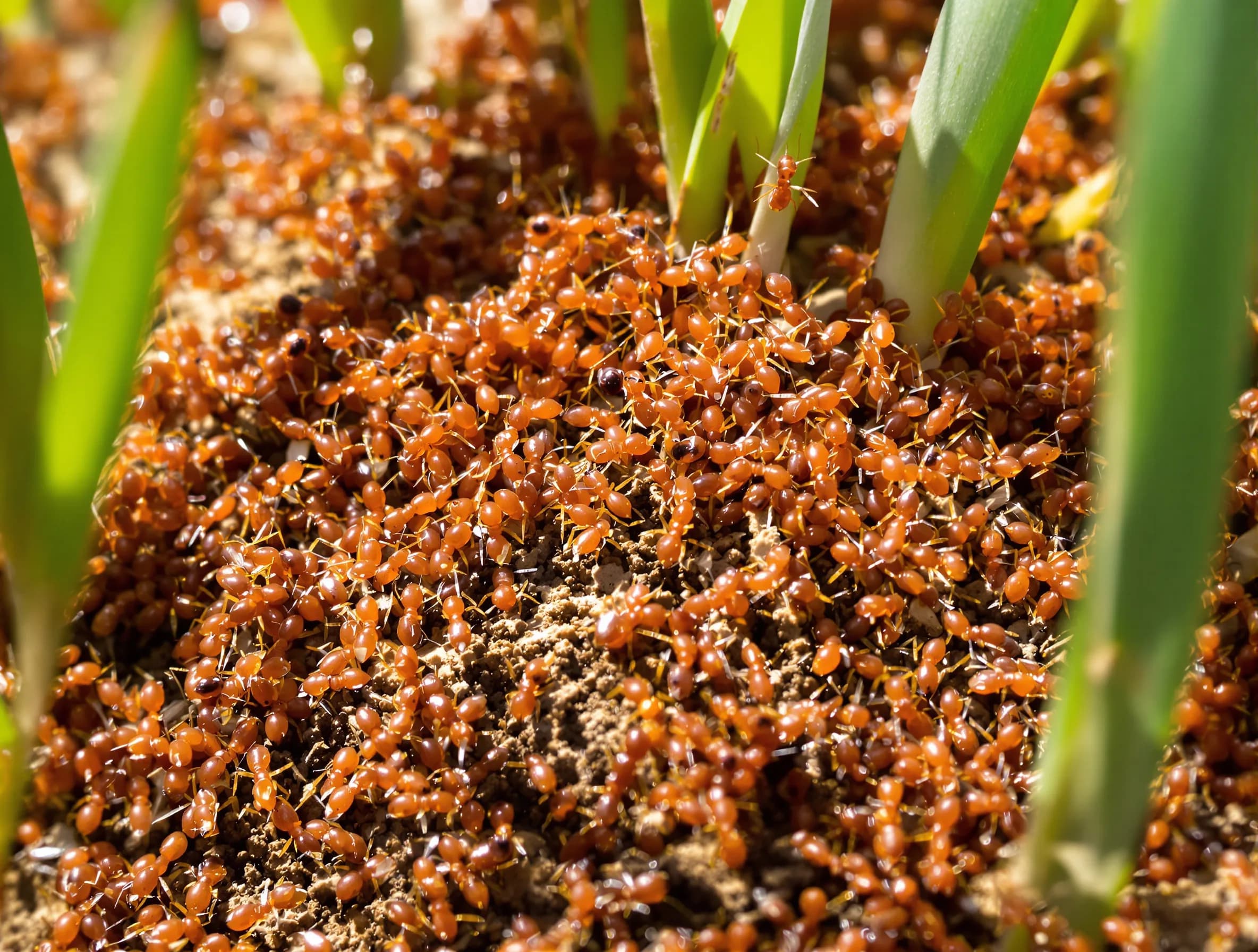
Fire Ants
Invasive red imported fire ants — aggressive stingers found in every Texas county
Lawn & Landscape Care →
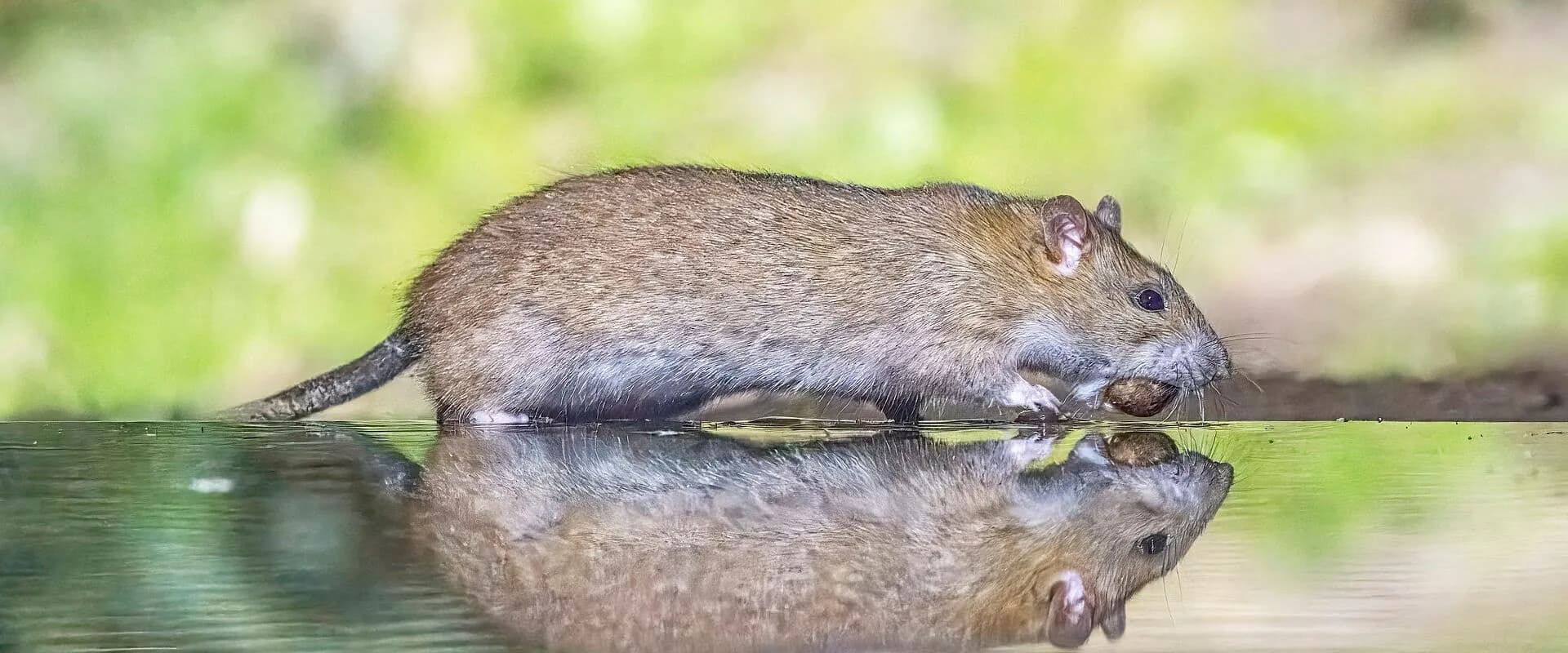
Norway Rat
Stocky burrowing rat of basements, sewers, and foundations — larger than the roof rat
Wildlife Removal →
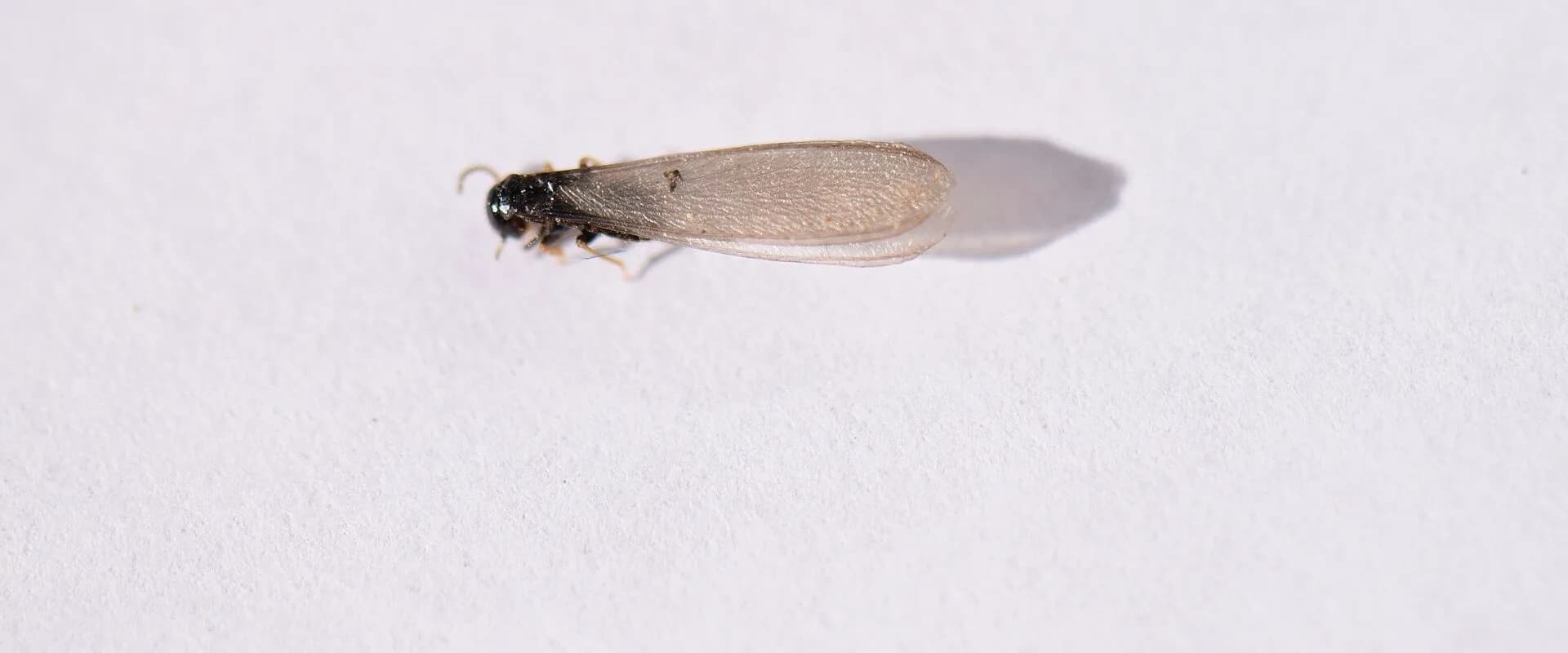
Subterranean Termites
The most common termite in Texas — soil colonies, mud tubes, and hidden wood damage
Termite Treatment →
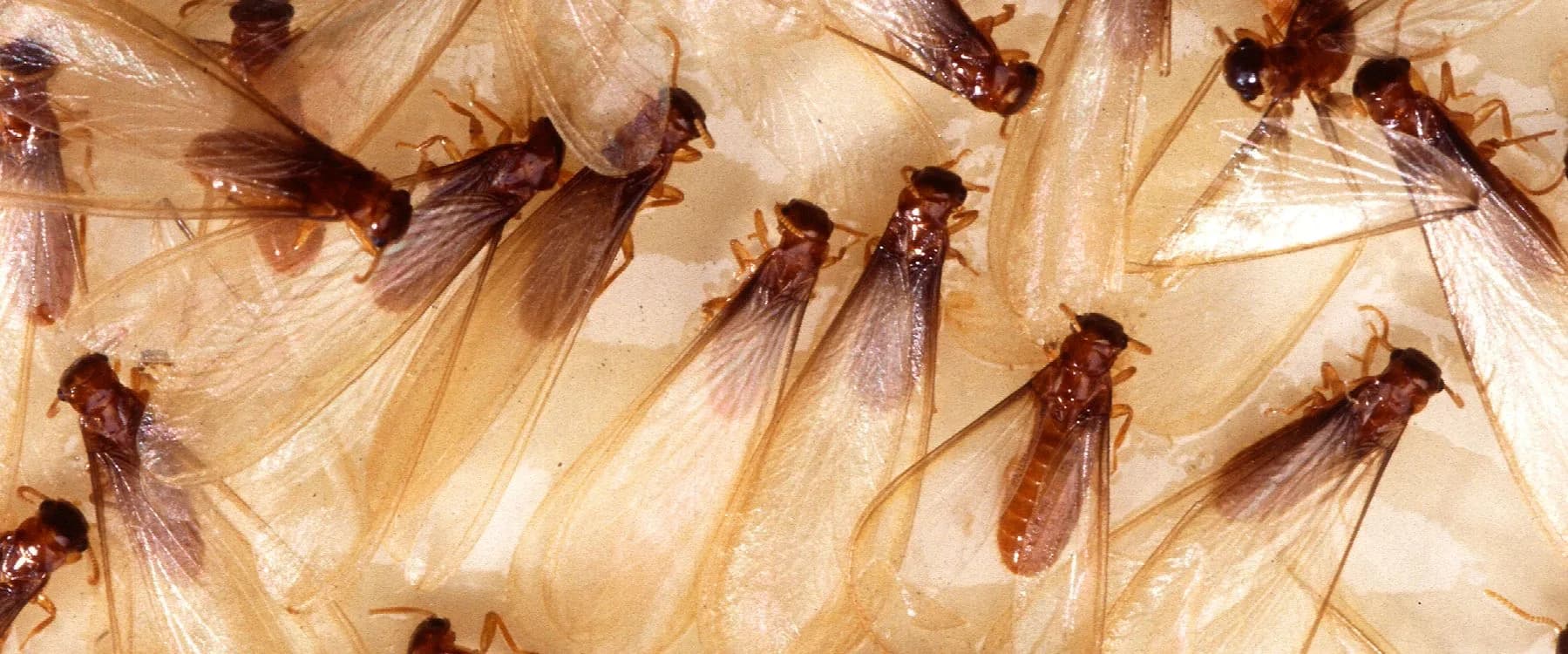
Formosan Termites
The "super termite" — huge colonies and carton nests along the Gulf Coast and Houston
Termite Treatment →
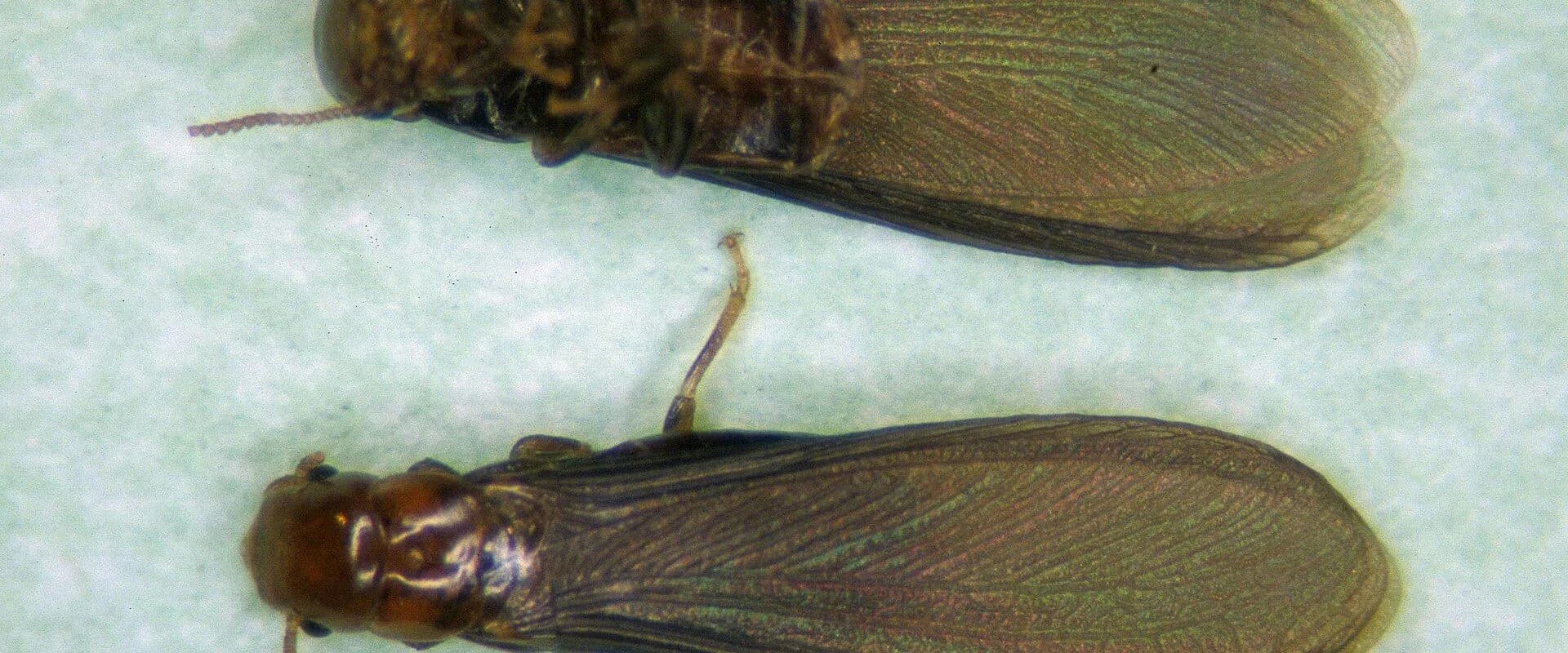
Drywood Termites
No soil contact needed — infests furniture, attics, and framing in South and coastal Texas
Termite Treatment →
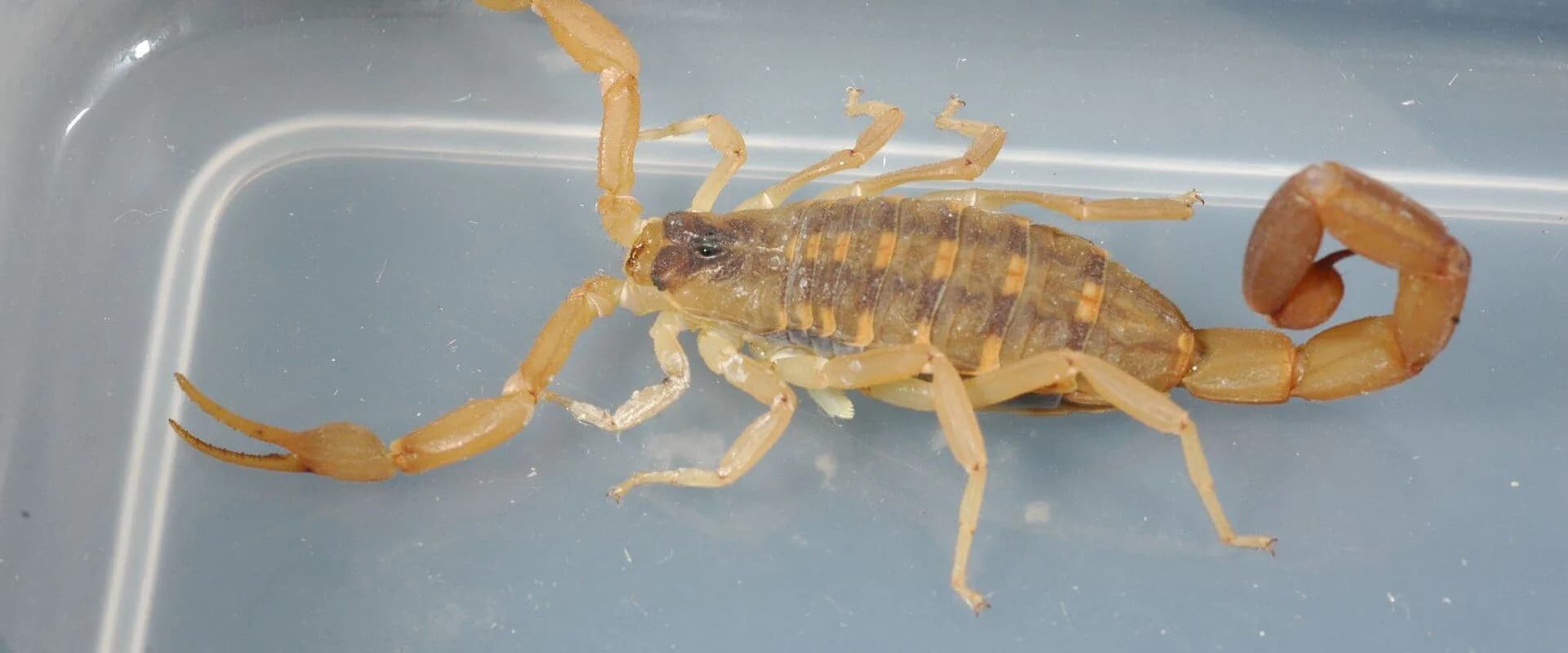
Striped Bark Scorpion
The most common scorpion in Texas — climber, home invader, painful sting
Pest Control →
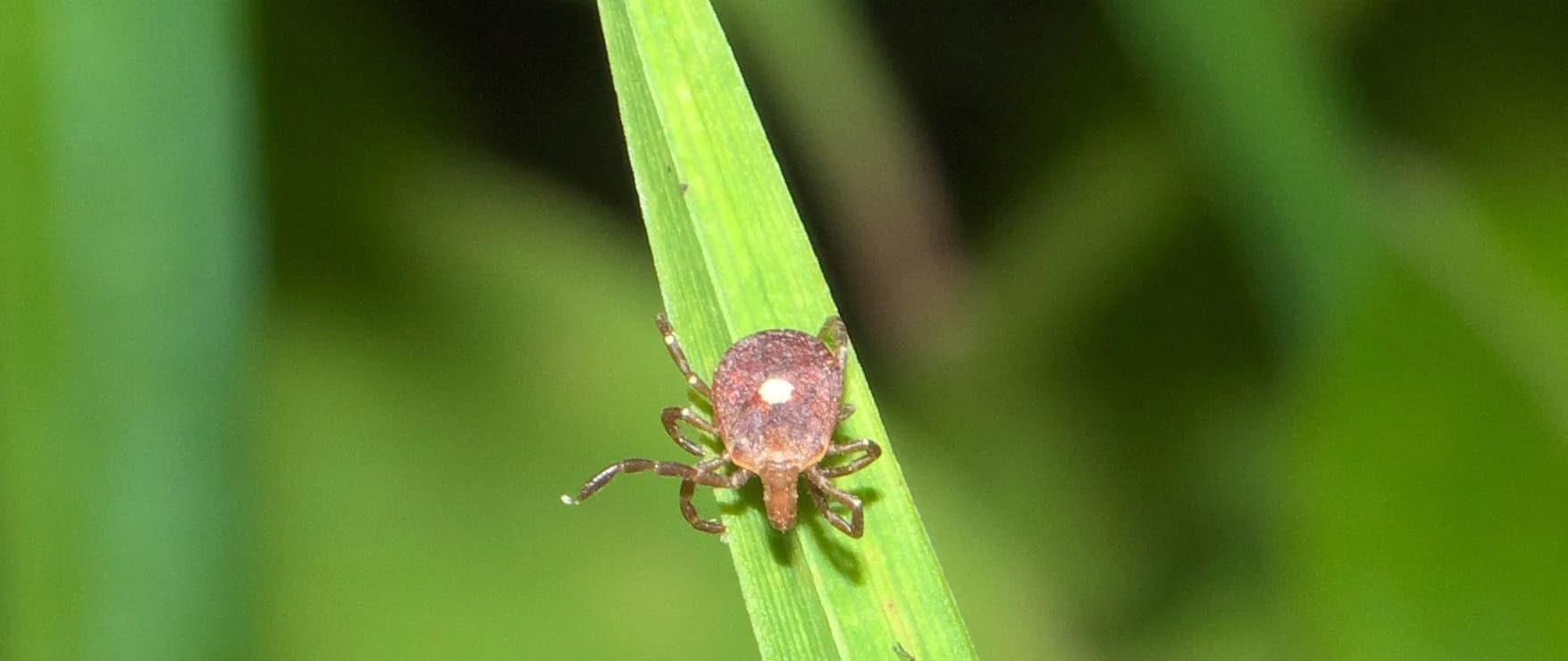
Lone Star Tick
The most common biting tick in Texas — linked to alpha-gal red meat allergy and ehrlichiosis
Pest Control →
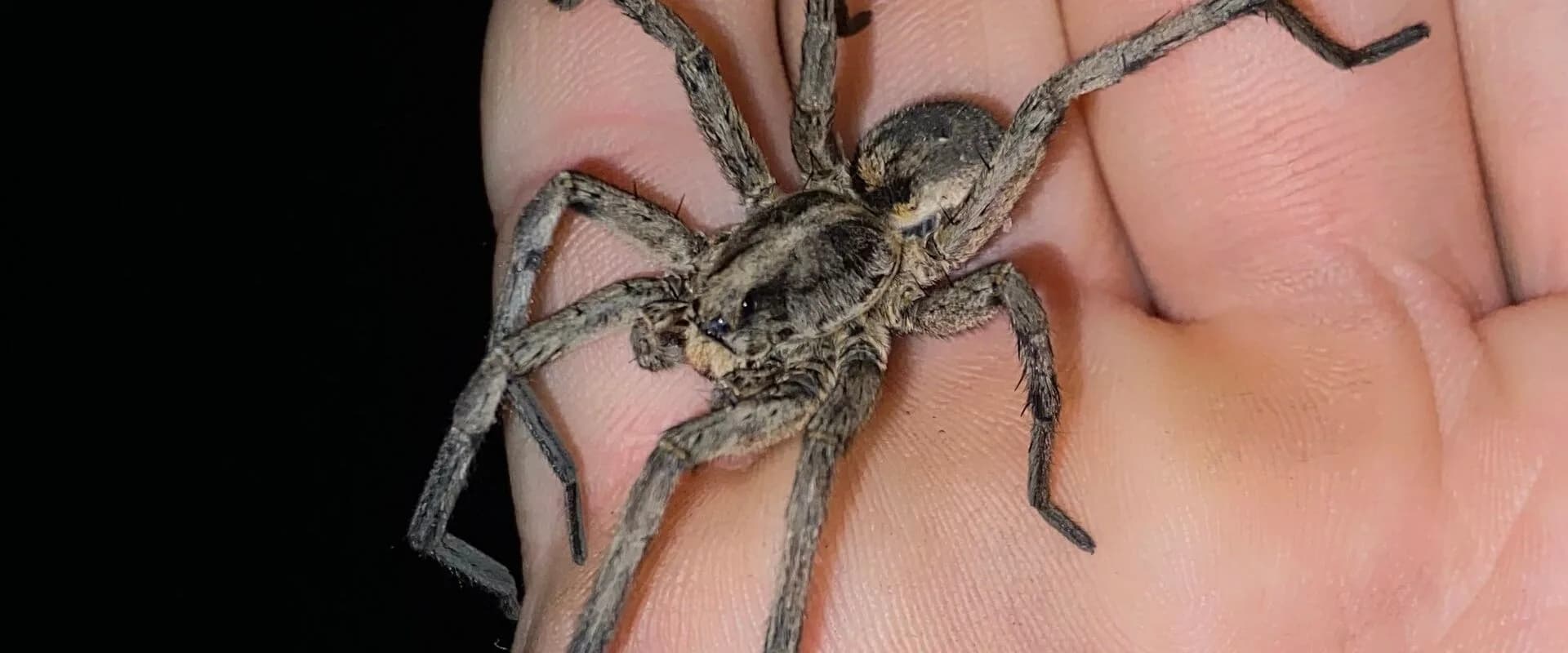
Wolf Spider
Large, hairy hunting spider — often confused with the brown recluse but harmless
Pest Control →
Chiggers
Tiny mites behind the worst itching in Texas — spring through fall in grass and brush
Pest Control →
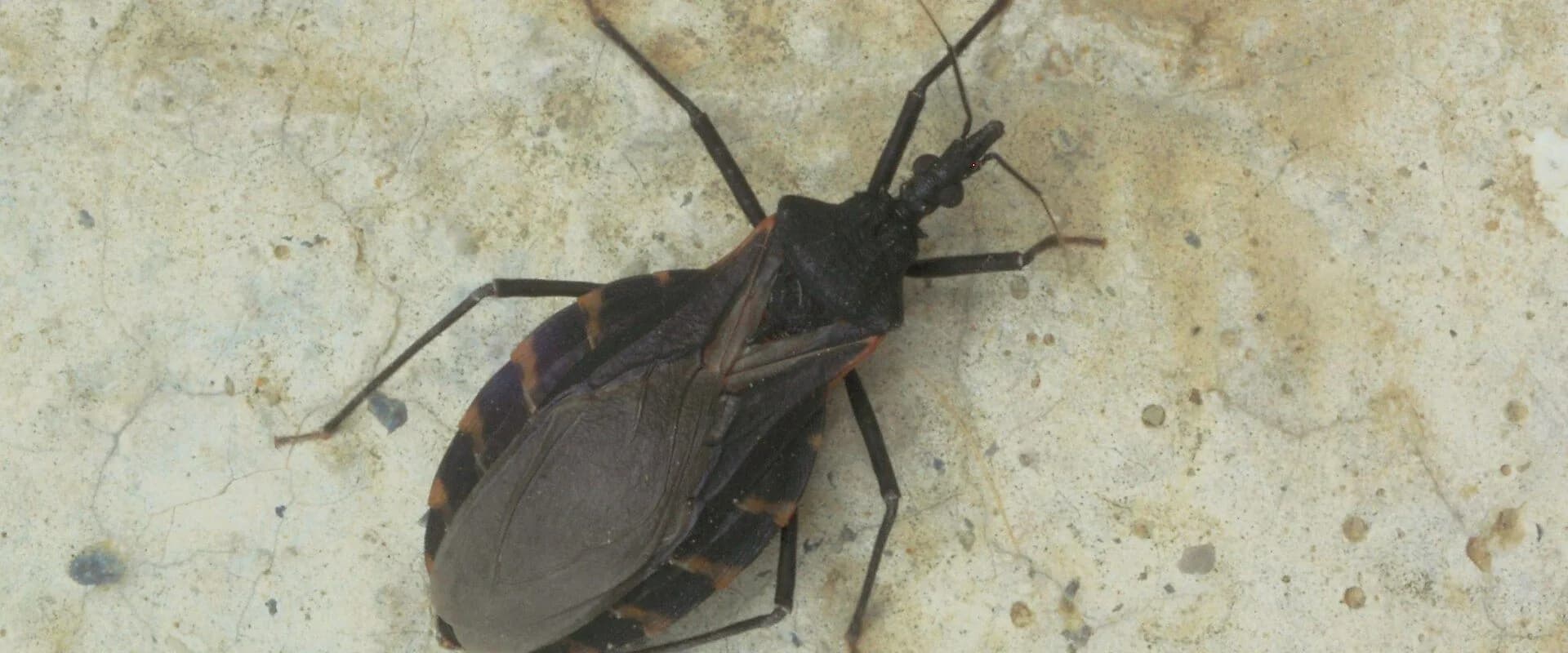
Kissing Bug
Triatomine bugs that can carry Chagas disease — capture and report, don't touch
Pest Control →
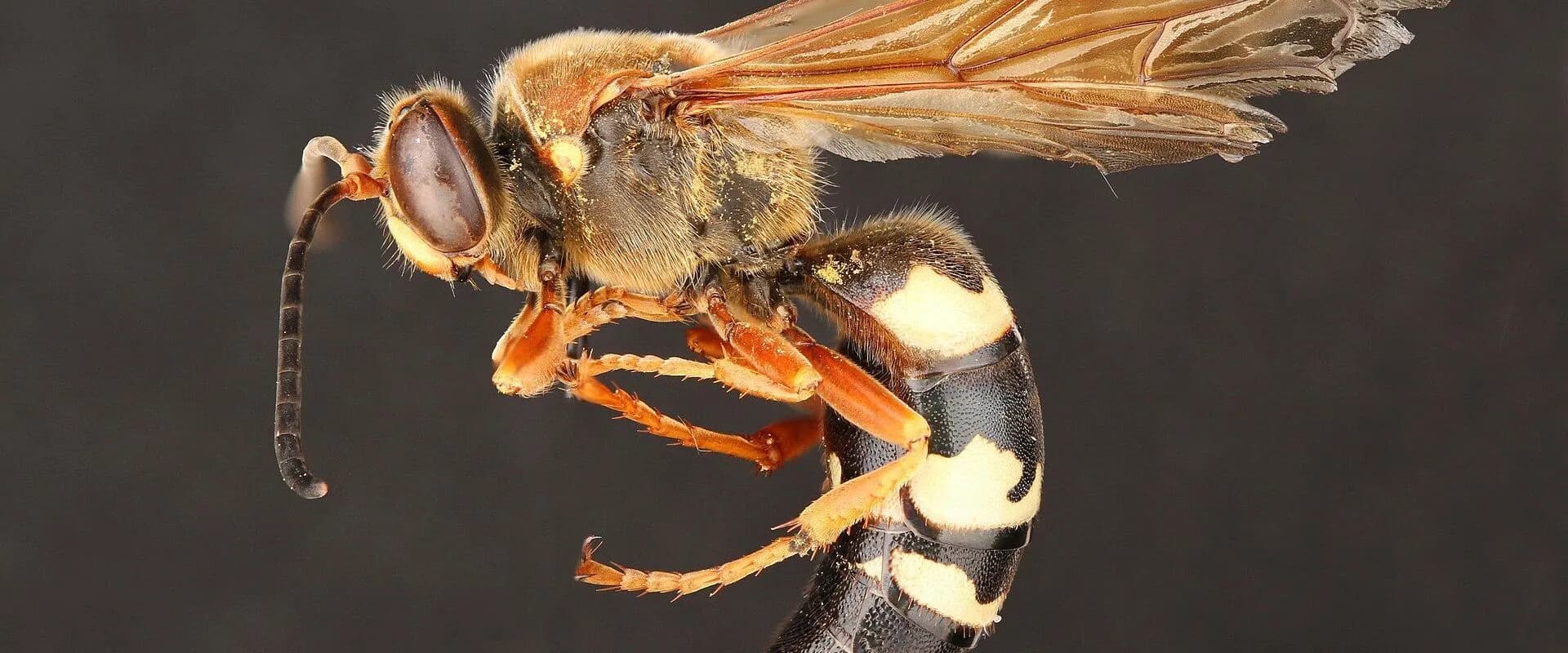
Cicada Killer Wasp
Huge but gentle solitary wasps that dig lawn burrows and hunt cicadas in summer
Pest Control →
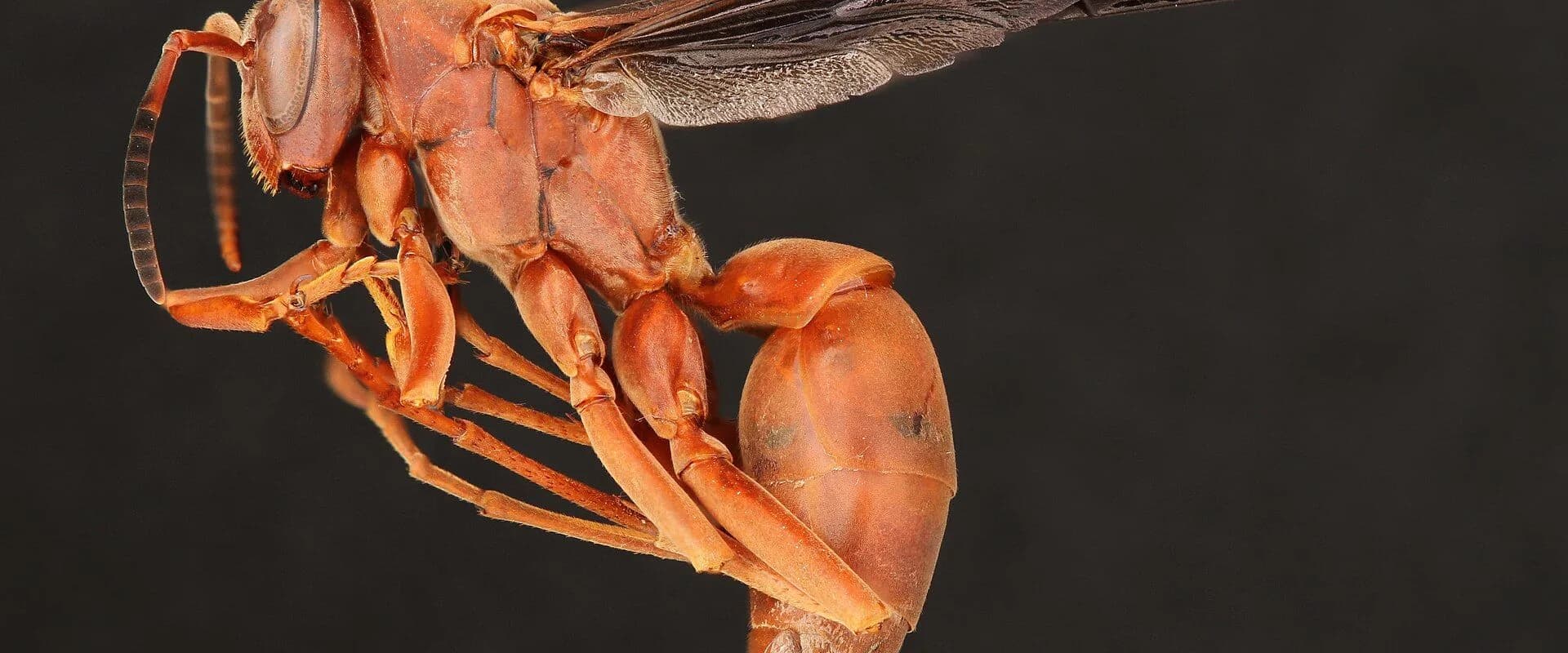
Paper Wasp
Umbrella-shaped nests under eaves and porch ceilings — defensive but manageable
Pest Control →
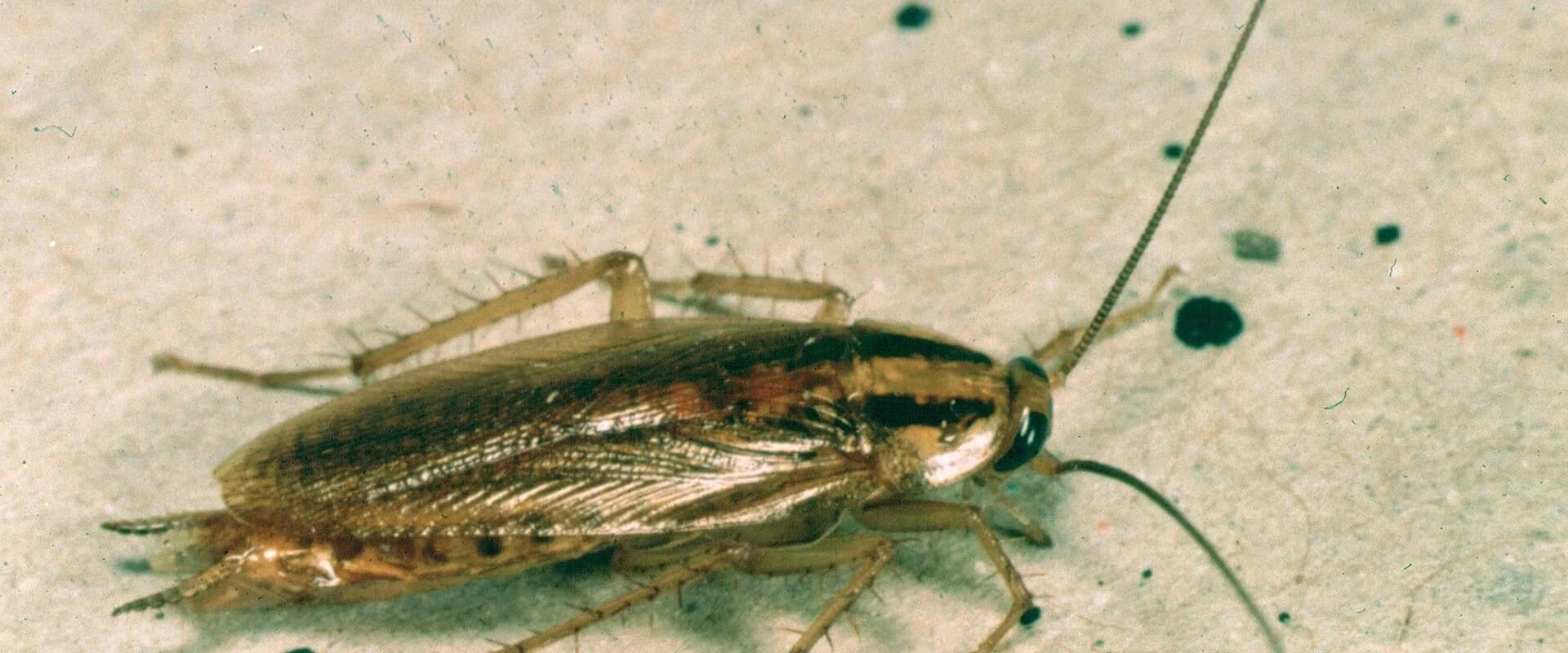
German Cockroach
The small kitchen roach — fastest-breeding indoor cockroach, hardest to eliminate
Pest Control →
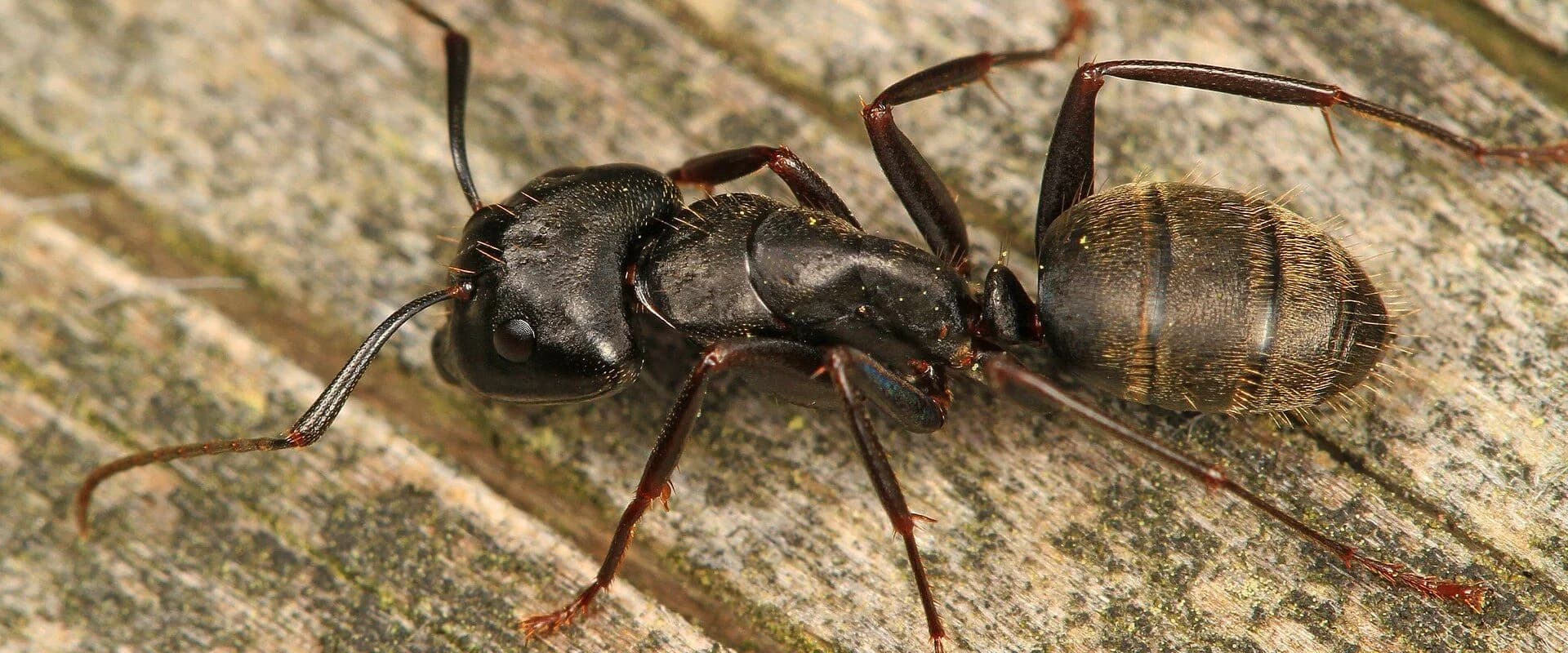
Carpenter Ant
Large black ants that excavate damp wood — sawdust piles and rustling in walls
Pest Control →
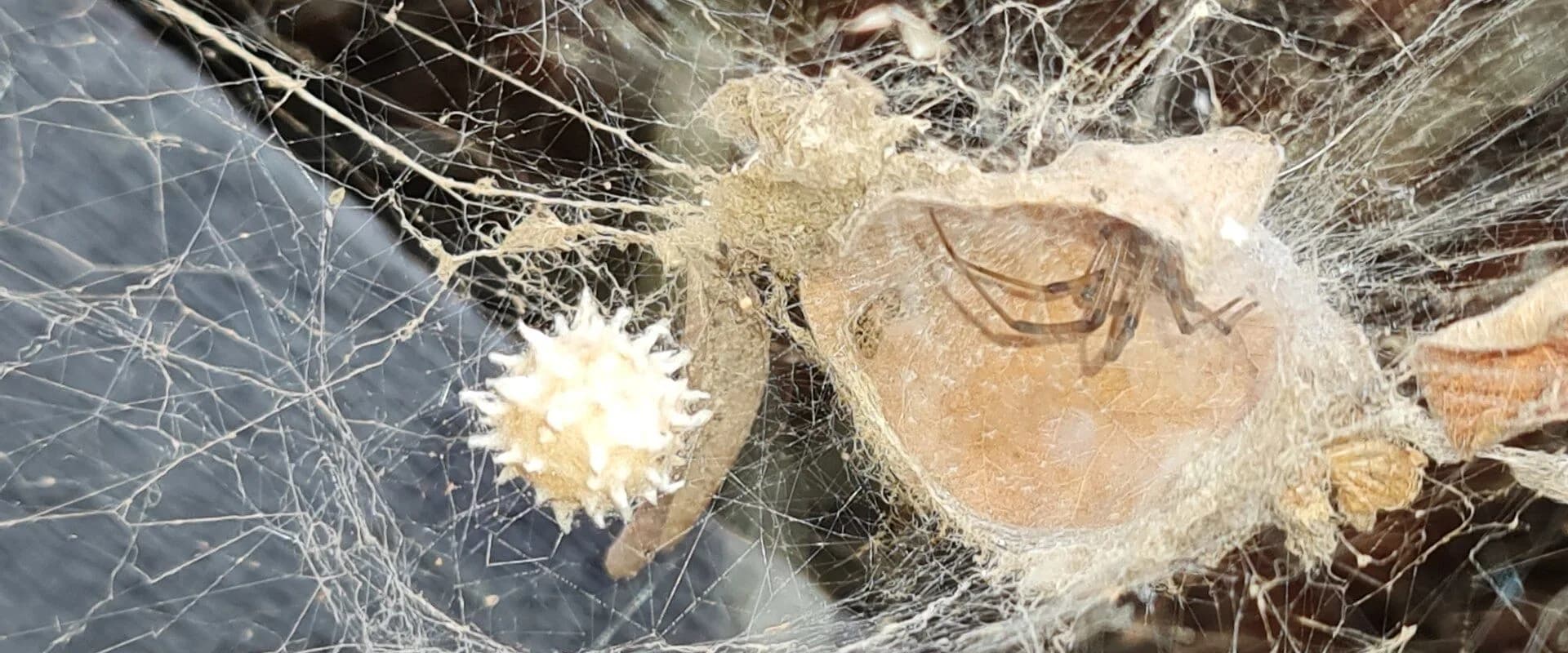
Brown Widow
The black widow's milder cousin — spiky egg sacs, orange hourglass, spreading along the Gulf Coast
Pest Control →
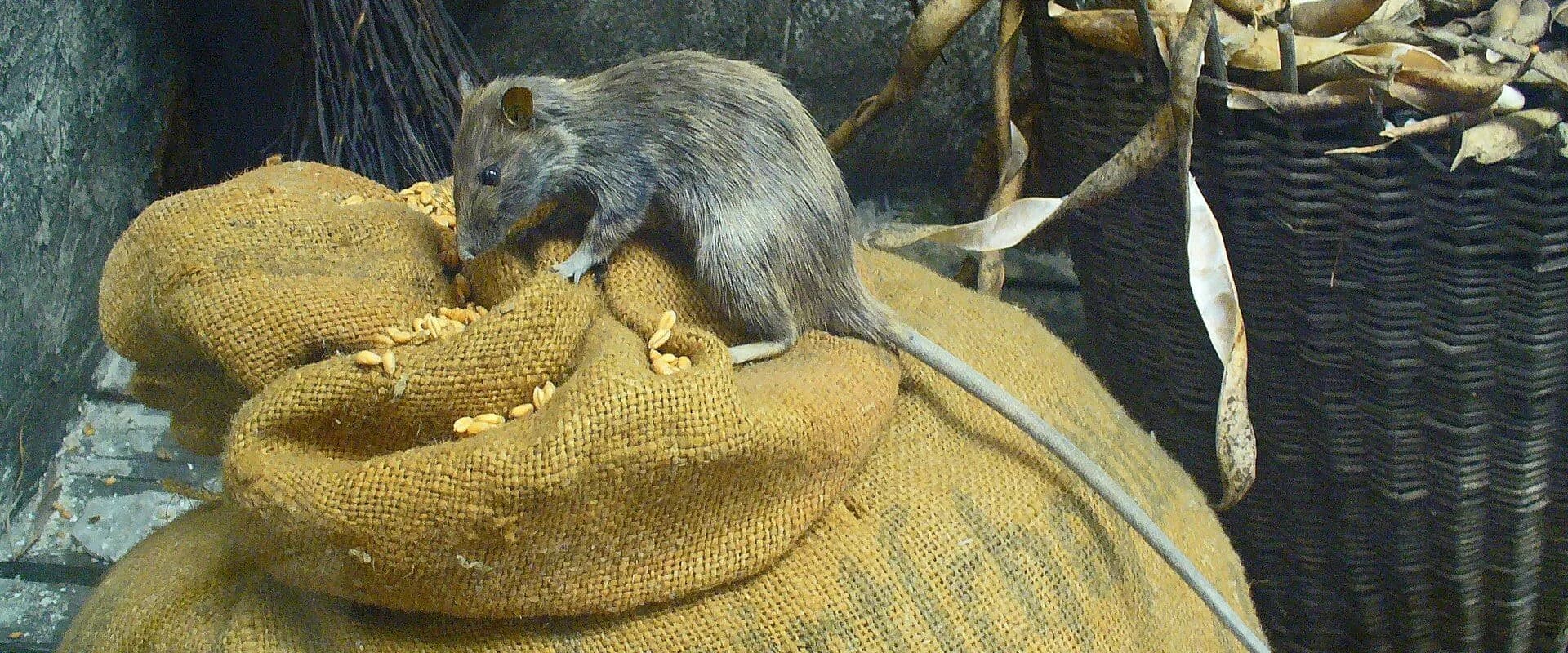
Roof Rat
The attic rat of Texas — sleek climber of trees, power lines, and rooflines
Wildlife Removal →
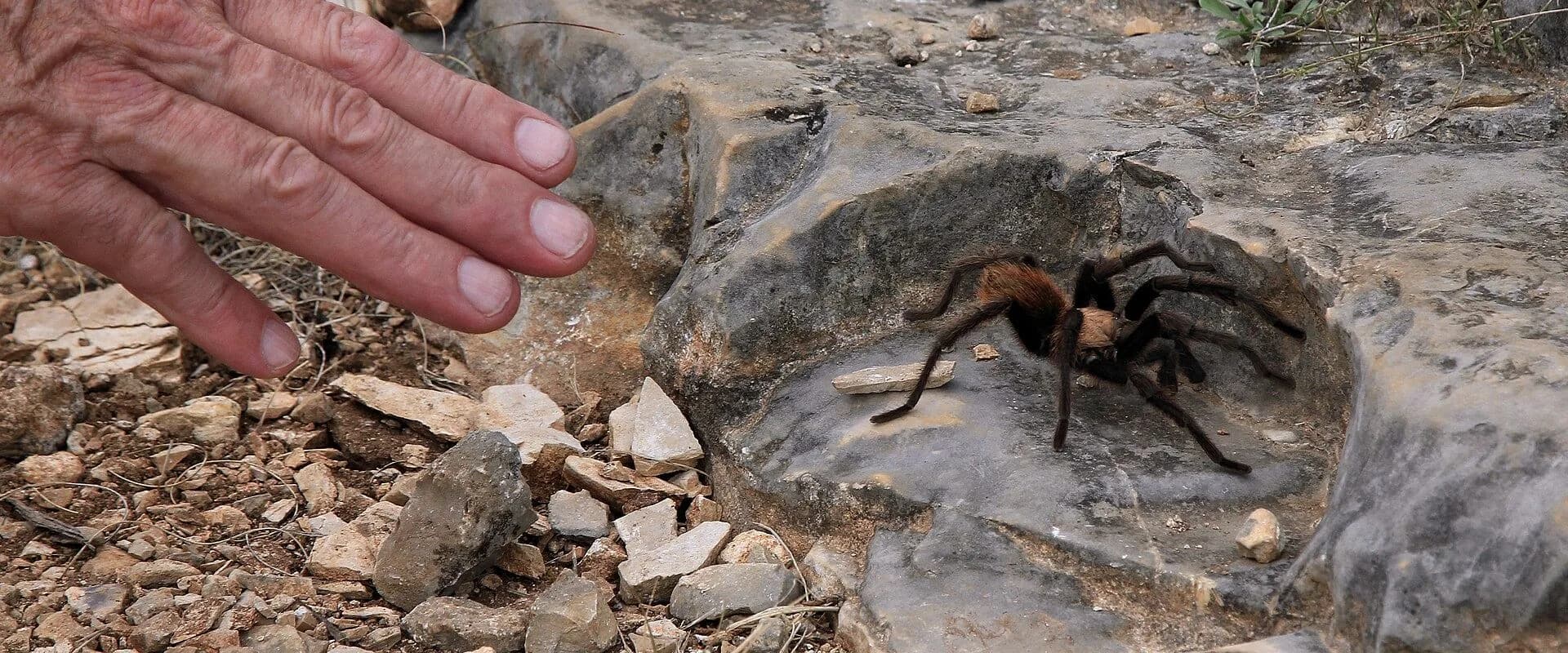
Texas Brown Tarantula
The iconic Texas tarantula — docile, gentle, and best left alone
Pest Control →
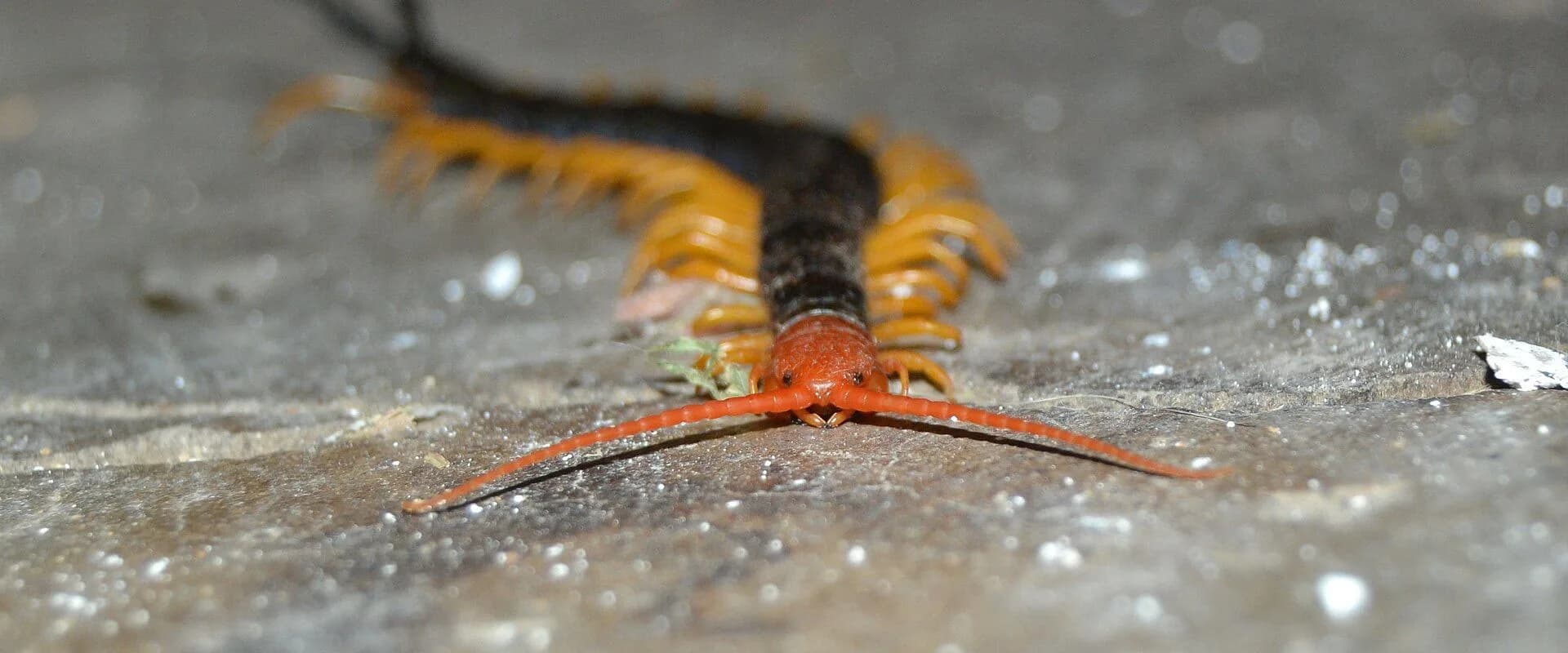
Giant Desert Centipede
Scolopendra heros — up to 8 inches of red-headed, yellow-legged nocturnal hunter
Pest Control →
Common Texas Pests — FAQ
Authoritative Sources — Texas Pest Species Guides
- Texas A&M AgriLife Extension — Pest Management — species ID, IPM, county-level extension offices.
- Texas DSHS — Vector-borne Diseases — West Nile, Zika, Chagas, tick-borne illness reporting.
- CDC / NIOSH — Pests and Pesticides — workplace exposure and first-aid reference.
- U.S. EPA — Safe Pest Control — pesticide labeling, pet and child safety.
- Texas Department of Agriculture — Structural Pest Control — operator licensing and enforcement.