
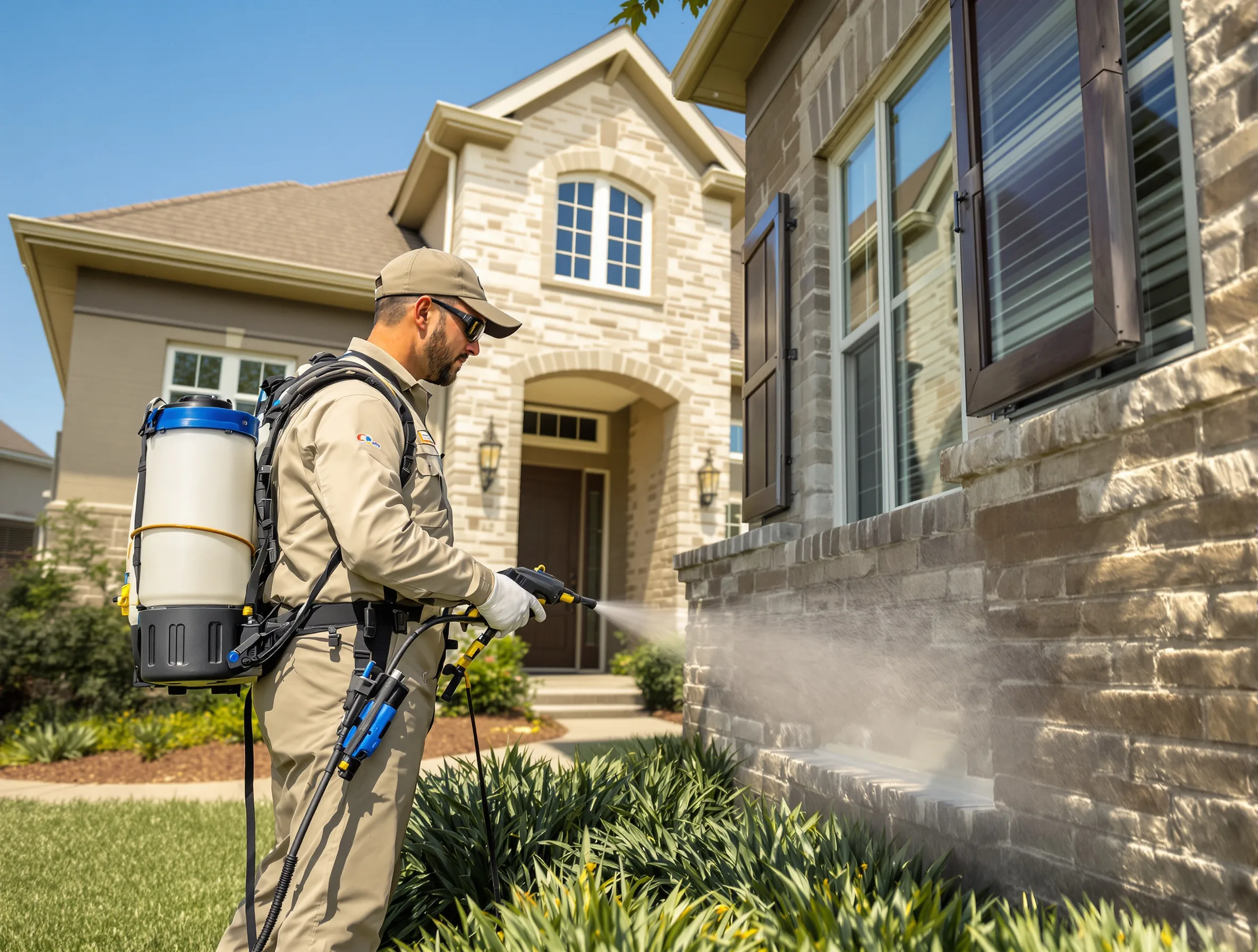
General Pest Control in Texas
General pest management for common household pests including roaches, ants, spiders, and more
General pest control in Texas — quick facts
- License category: TDA TPCL category P — mandatory for any commercial pest control service in Texas.
- Typical cost: $200–$400 initial, $40–$100 per monthly visit, or $300–$600/year on a quarterly plan.
- Covers: ants, cockroaches, spiders, silverfish, earwigs, crickets, occasional invaders. Does not cover termites (T), wildlife (W), or fumigation (S).
- Frequency: quarterly (standard), bi-monthly (high-pressure homes), monthly (severe infestations or heavy scorpion/fire-ant pressure).
- Time on site: 45–60 min for initial, 20–30 min for routine follow-ups.
- Re-entry interval: 2–4 hours after interior liquid application until surfaces are dry per EPA label.
What Is General Pest Control?
General pest control covers the inspection, treatment, and ongoing prevention of common household and commercial pests. In Texas, any company performing general pest control must hold a valid Structural Pest Control License (TPCL) issued by the Texas Department of Agriculture, with the "P" (Pest Control) category code on the license. This ensures the technician has passed state-mandated training on pesticide safety, Integrated Pest Management (IPM) principles, and proper application techniques.
Texas's warm, humid climate makes year-round pest activity the norm rather than the exception. From the subtropical Gulf Coast to the arid Trans-Pecos region, every part of the state has its own mix of nuisance insects and occasional invaders that can damage property or pose health risks.
Common Pests Treated
- Cockroaches — German, American, Oriental, and smokybrown cockroaches are all well-established in Texas homes and restaurants. They spread bacteria such as Salmonella and trigger asthma in children.
- Ants — Red imported fire ants infest every Texas county. Carpenter ants hollow out structural wood, while sugar ants and ghost ants invade kitchens.
- Spiders — Brown recluse and black widow spiders are medically significant species found throughout the state. Wolf spiders and common house spiders are frequent nuisance pests.
- Silverfish & firebrats — Attracted to humid environments, they damage paper, clothing, and stored food.
- Earwigs & pillbugs — Moisture-loving invaders that enter through foundation cracks after heavy rain.
- Crickets & centipedes — House crickets are especially problematic in Central Texas, while centipedes follow prey insects indoors.
What to Expect During a Visit
- Initial inspection — A licensed technician examines the interior, exterior, and perimeter of your property for signs of pest activity, moisture issues, and entry points.
- Pest identification — Correct species identification determines which products and methods will be most effective.
- Customized treatment plan — The technician outlines the scope of work, products to be used, and any preparation you need to do before treatment.
- Application of EPA-approved products — Treatments may include liquid sprays along baseboards and entry points, gel baits in cracks and crevices, granular products outdoors, and dust formulations in wall voids.
- Follow-up visit — Most companies schedule a follow-up within two to four weeks to assess results and re-treat if necessary.
- Prevention recommendations — The technician provides guidance on sealing entry points, reducing moisture, and eliminating food sources to keep pests from returning.
Cost of Pest Control in Texas
Pricing varies by property size, severity of infestation, and pest type. The following ranges are typical for the Texas market:
- Initial treatment: $150–$300
- Monthly service plan: $40–$70 per visit
- Quarterly service plan: $100–$200 per visit
- One-time treatment: $200–$500
Many Texas pest control companies offer free initial inspections and will provide a written estimate before beginning work. Quarterly plans are the most popular choice for year-round protection in the state.
How to Choose a Licensed Provider
- Verify the TPCL license — Search the Texas Department of Agriculture's online database to confirm the company holds a current Structural Pest Control License.
- Check reviews and ratings — Look at Google reviews for patterns in service quality, punctuality, and customer communication.
- Ask about guarantees — Reputable companies offer a re-treatment guarantee if pests return between scheduled visits.
- Get multiple quotes — Prices can vary significantly between providers. Obtain at least two or three written estimates.
- Ask about products used — If you have pets or small children, confirm that the company uses products labeled safe for occupied spaces and follows all label directions.
Frequently Asked Questions
How often should I schedule treatment?
Most Texas homes benefit from quarterly treatments. Quarterly service keeps a protective barrier in place year-round. Homes with heavy pest pressure, large lots, or proximity to wooded areas may need monthly service during spring and summer.
Is treatment safe for pets and children?
Licensed technicians use EPA-registered products applied according to the manufacturer's label, which includes instructions for occupied dwellings. Most treatments dry within 30 to 60 minutes, after which surfaces are safe for normal contact. Let your technician know about pets and children so they can select appropriate products.
What is the difference between pest control and extermination?
Modern pest control emphasizes Integrated Pest Management (IPM), which combines chemical treatments with exclusion, sanitation, and monitoring. "Extermination" is an older term that implied heavy chemical application alone. Today, most licensed companies practice IPM to achieve longer-lasting results with less pesticide use.
Do I need treatment in winter in Texas?
Yes. Texas winters are mild enough that most pests remain active. Cockroaches, ants, rodents, and spiders continue to seek food and shelter indoors throughout the cooler months. Skipping winter treatment often leads to a surge of activity in spring.
How long does a typical treatment take?
An initial treatment for an average-sized home takes 45 to 60 minutes. Routine quarterly visits are typically 20 to 30 minutes because the technician focuses on maintaining the existing barrier and treating any new hot spots.
Is general pest control enough, or do I also need termite or wildlife service?
General pest control (category P) covers insects and small invaders, but does not include termite treatment (category T), wildlife removal (category W), structural fumigation (category S), or lawn pest control (category L). Many Texas companies hold several categories on the same license and can bundle services — always confirm the category code on the operator's TPCL matches the specific pest problem before signing.
What EPA signal words should I see on the label of products used in my home?
EPA pesticide labels use three hierarchical signal words: CAUTION (least toxic), WARNING (moderately toxic), and DANGER (most toxic). Reputable Texas operators performing general pest control use primarily CAUTION-labeled products indoors. Ask your technician which products they plan to apply and request to see the product label, including the signal word and re-entry interval. The EPA guide to pesticide labels explains what every section of a label means.
Sources & Further Reading
- Texas Department of Agriculture — Structural Pest Control Service — TPCL licensing and category P scope.
- U.S. EPA — Integrated Pest Management (IPM) Principles — the framework licensed operators are expected to follow.
- U.S. EPA — Understanding Pesticide Labels — signal words, re-entry intervals, and first-aid sections.
- Texas A&M AgriLife Extension — Pest Management — peer-reviewed Texas pest ID and IPM guidance.
Licensed Texas Companies
2014 licensed companies offering pest control
2,014 companies
Romex Pest & Termite Control
Urbanex Pest Control
A-Action Home Inspection Houston
Forterra Pest Control
EnviroCon Pest Control
X Out Pest Services
Adams Exterminating

Innovative Pest Control
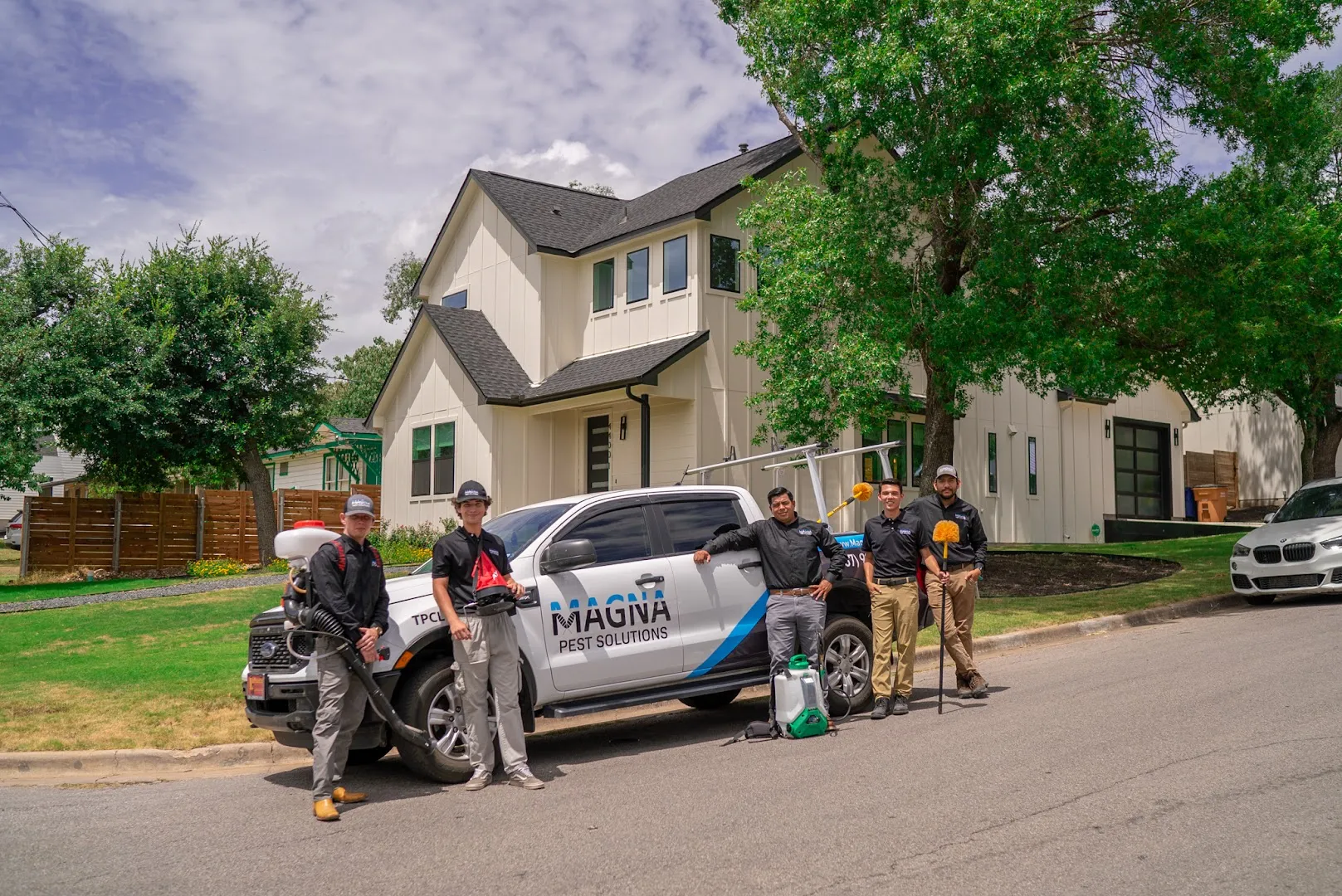
Cerv Property Solutions San Antonio
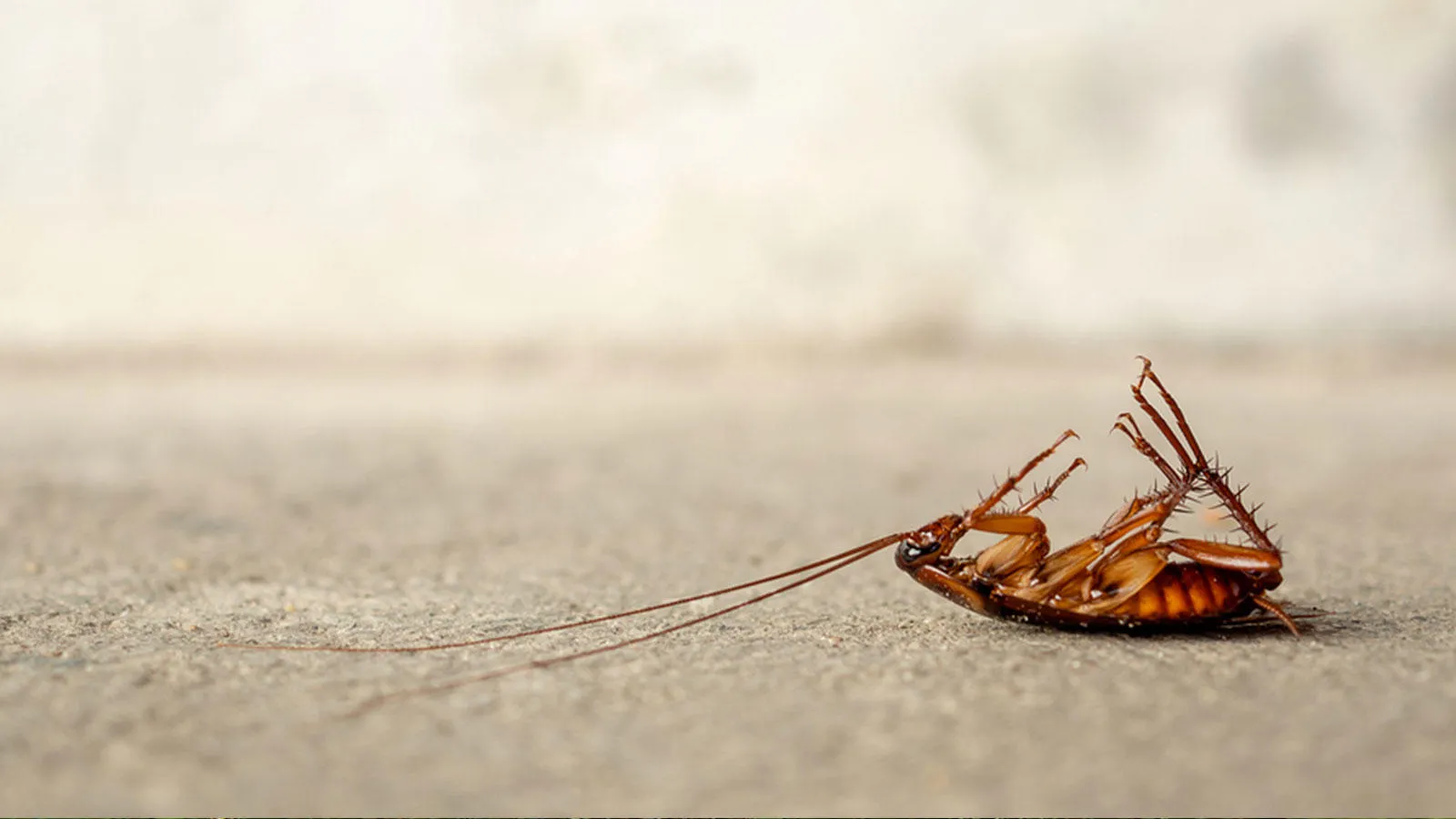
Ace Pest Control
Integrity Pest and Termite
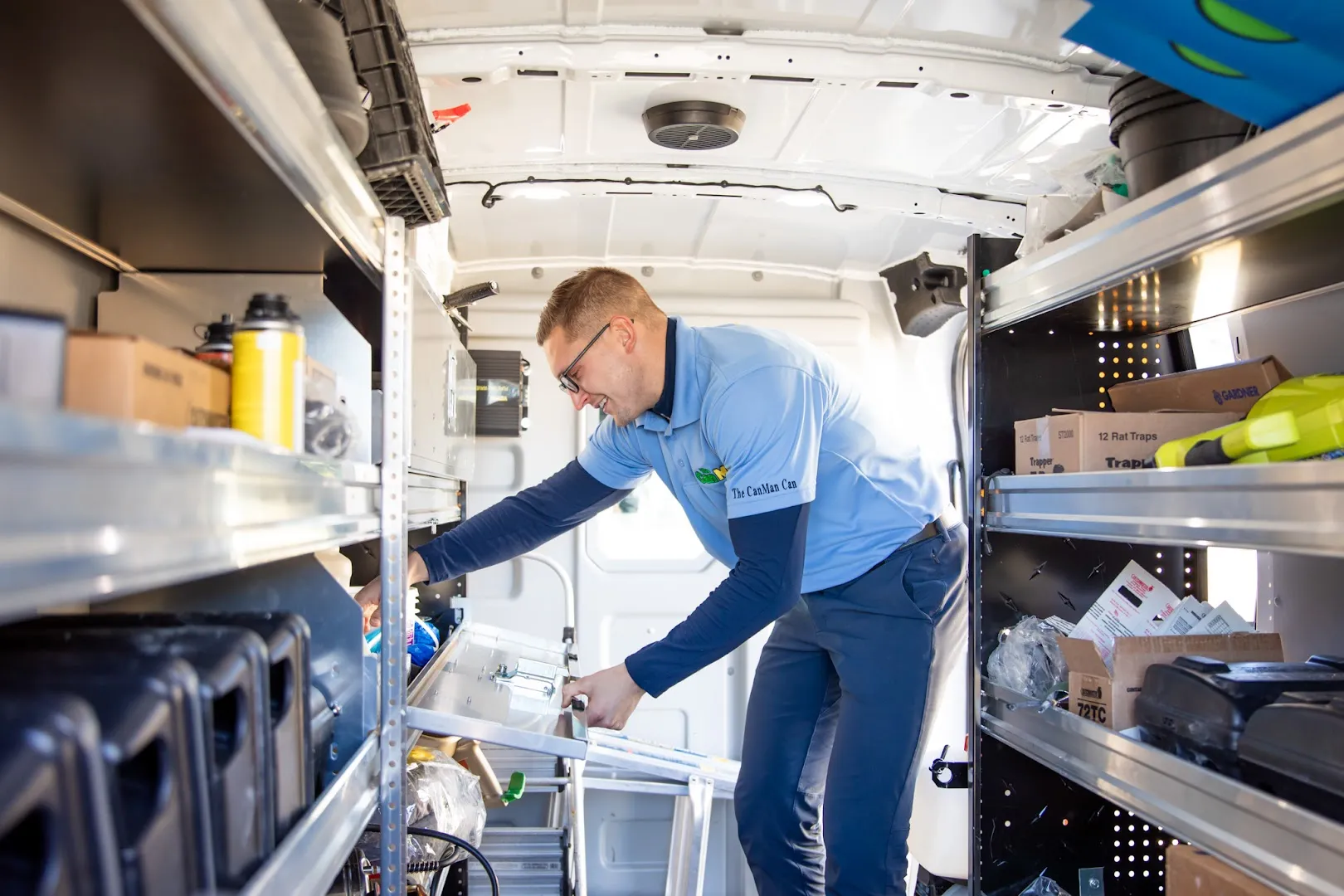
The CanMan
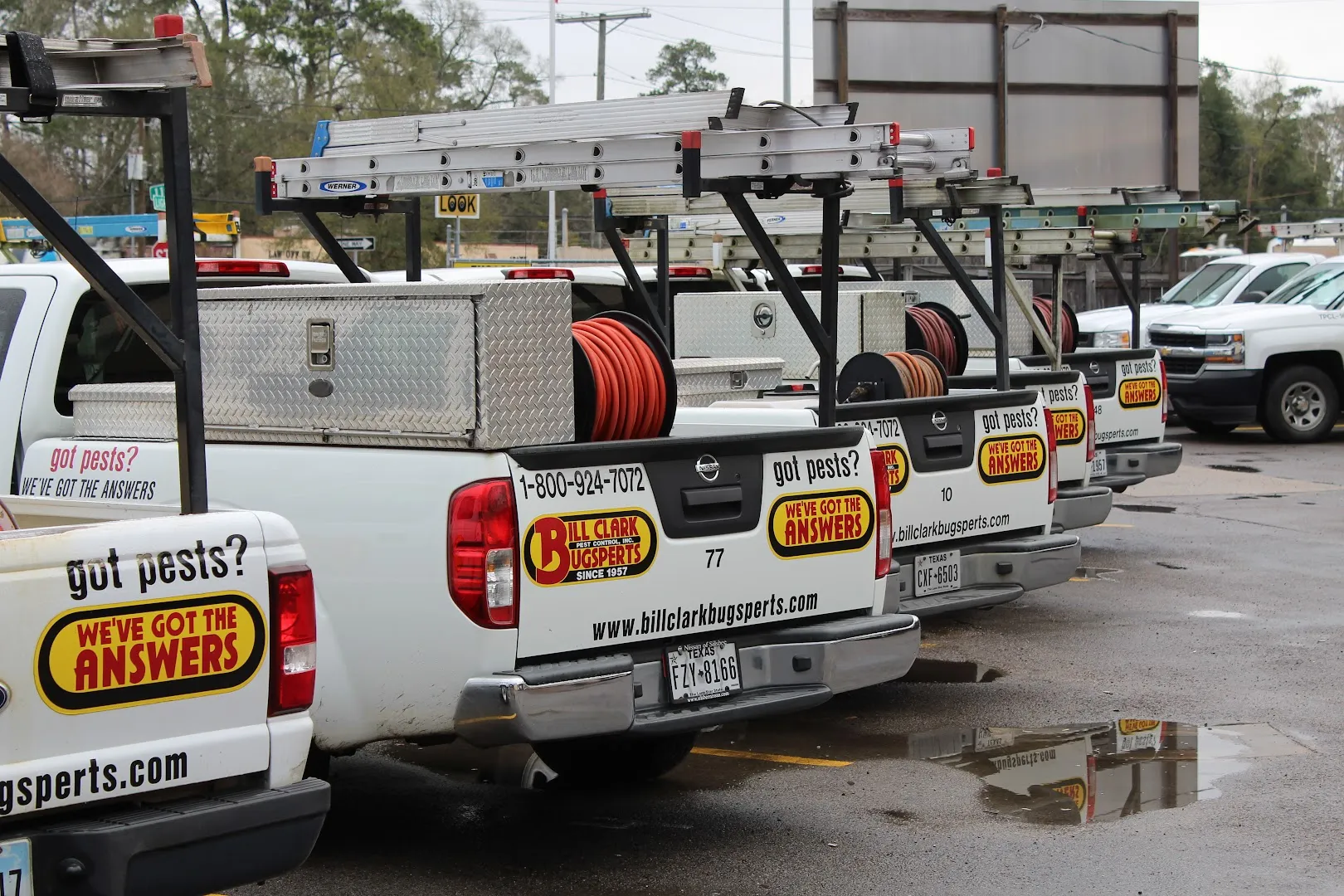
Bill Clark Pest Control, Inc.

Bug Blasters Pest Control

Pest Solutions of North Texas

Pinnacle Pest Defense
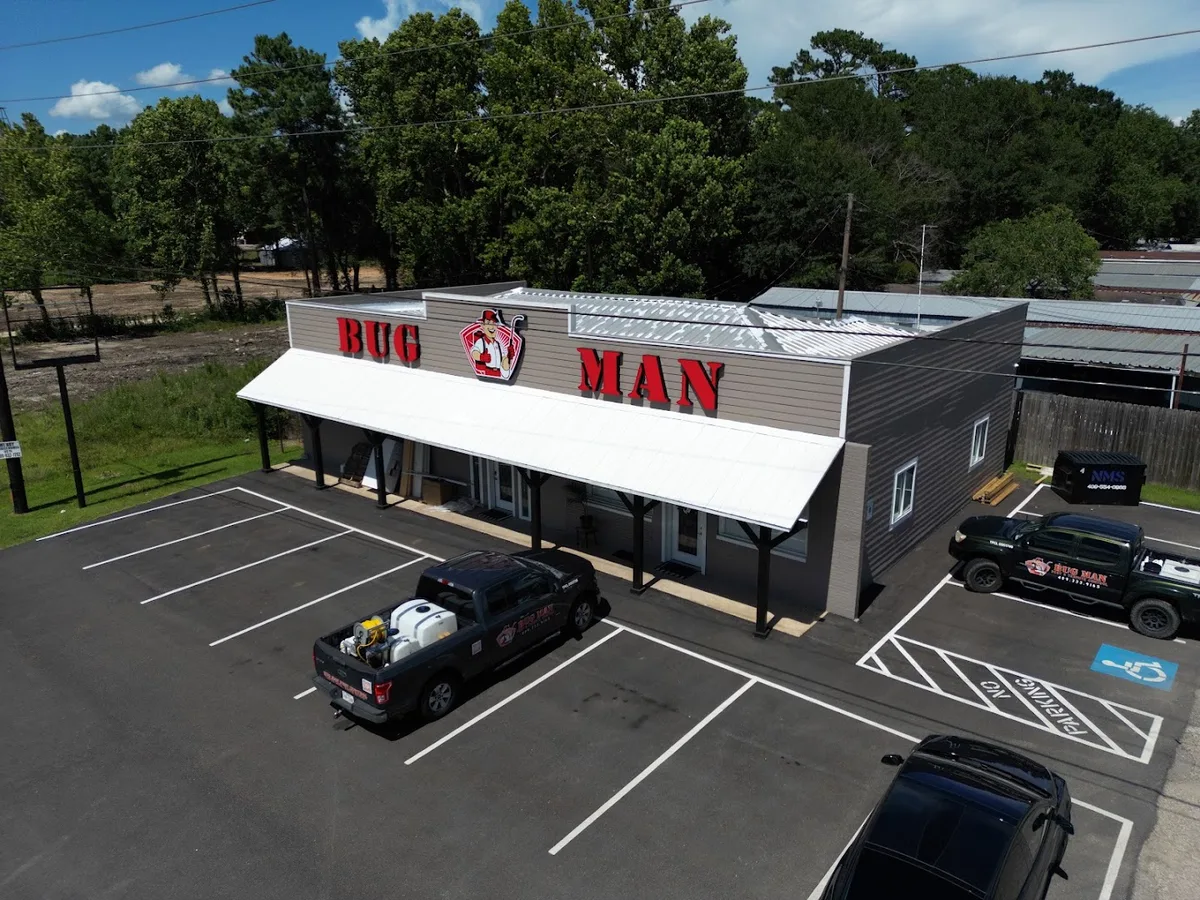
BugMan Pest Control & Termite Control
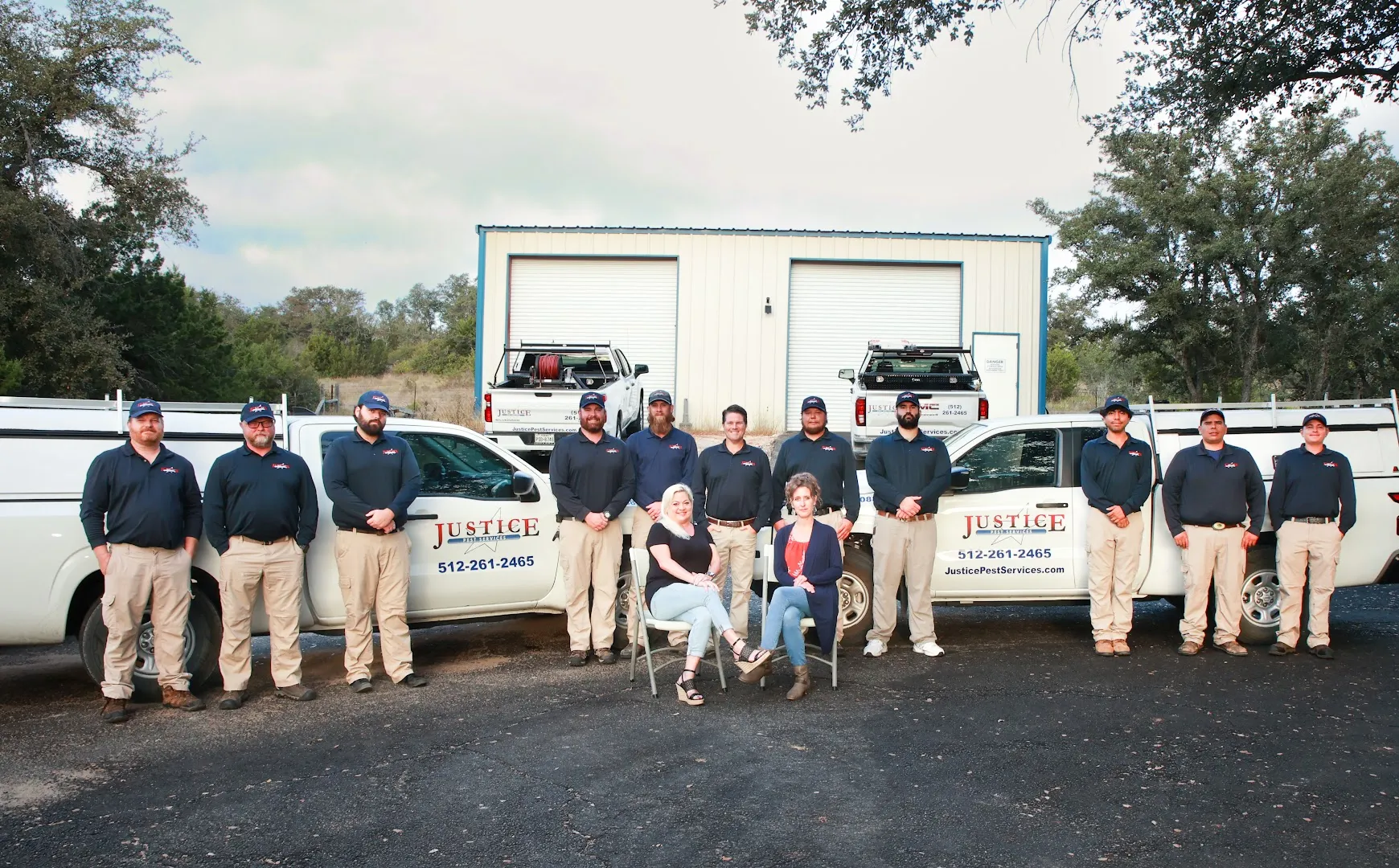
Justice Pest Services
Related Pest Guides
Detailed guides for pests addressed by pest control
Aggressive when nests are disturbed, build near homes
Thrive in Texas heat, trigger asthma, and spread disease
Found in every Texas county, aggressive stingers
Carry West Nile and Zika, active year-round in South Texas
Spread through travel, hard to eliminate without professionals
Brown recluse and black widow found across Texas
Common in Hill Country and West Texas, painful stings
Affect pets and humans, carry Rocky Mountain spotted fever
Venomous spider found across Texas, bites cause necrotic wounds
Texas slang for large cockroaches — palmetto bugs, water bugs, and roaches
Venomous spider with neurotoxic venom, common across Texas
Invasive red imported fire ants — aggressive stingers found in every Texas county
Find Providers by Texas City
Browse licensed pest control providers in major Texas cities