
Fire Ants in Texas — Bites, Treatment & Control — Complete Guide
Invasive red imported fire ants — aggressive stingers found in every Texas county
Not sure it's a Fire Ants?
Snap a photo — our free AI tool identifies Texas pests in seconds.
About Fire Ants in Texas
Red Imported Fire Ants (Solenopsis invicta), commonly known as RIFA, are an invasive species from South America that has established itself in every county in Texas. Fire ants are among the most significant pest species in the state — they deliver painful stings, damage electrical equipment, harm livestock, and cost Texas an estimated $1.2 billion annually in damage, medical treatment, and control efforts. Complete eradication of fire ants from a property is nearly impossible, but effective management using professional treatment methods can dramatically reduce their numbers and sting risk.
Fire Ant Identification
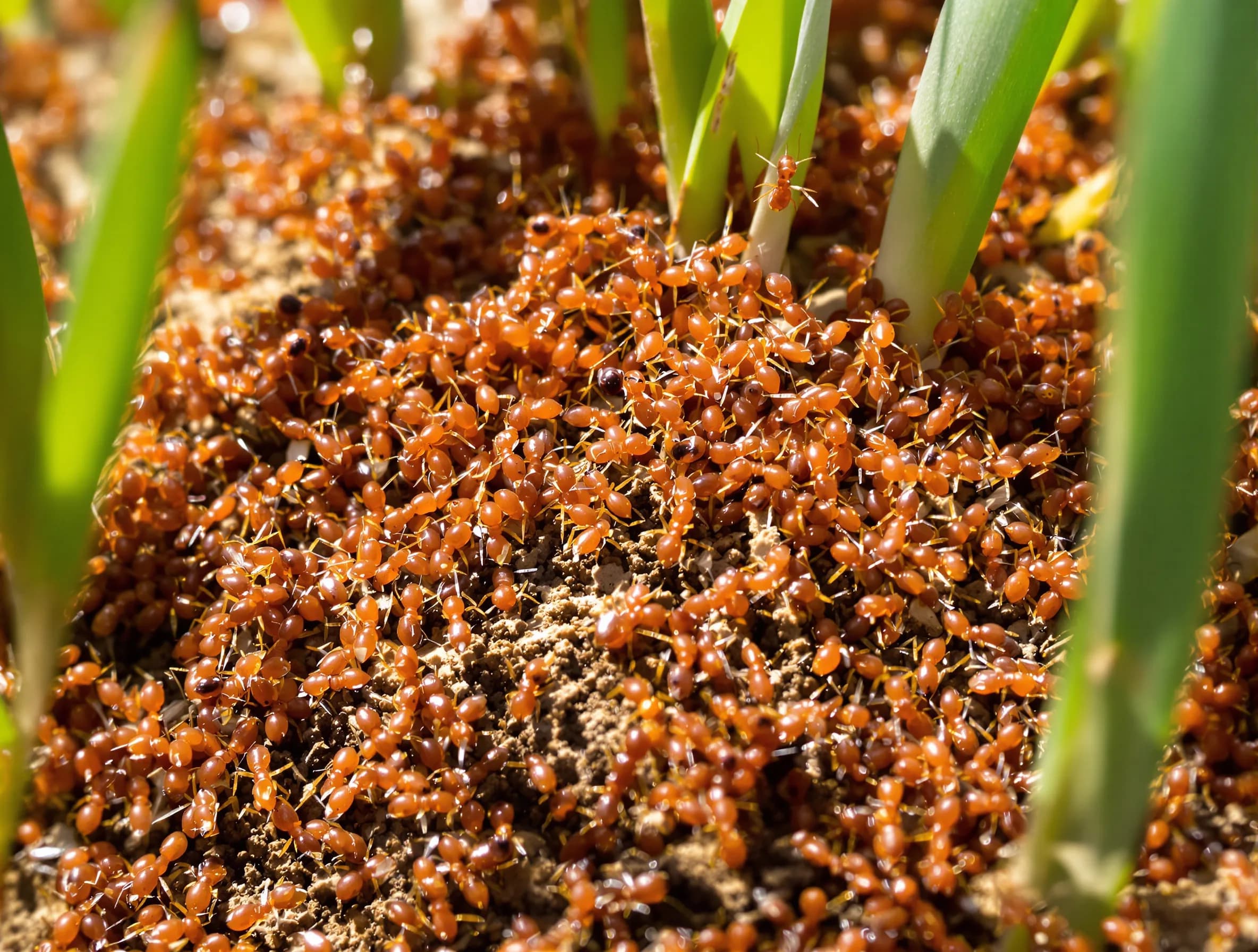
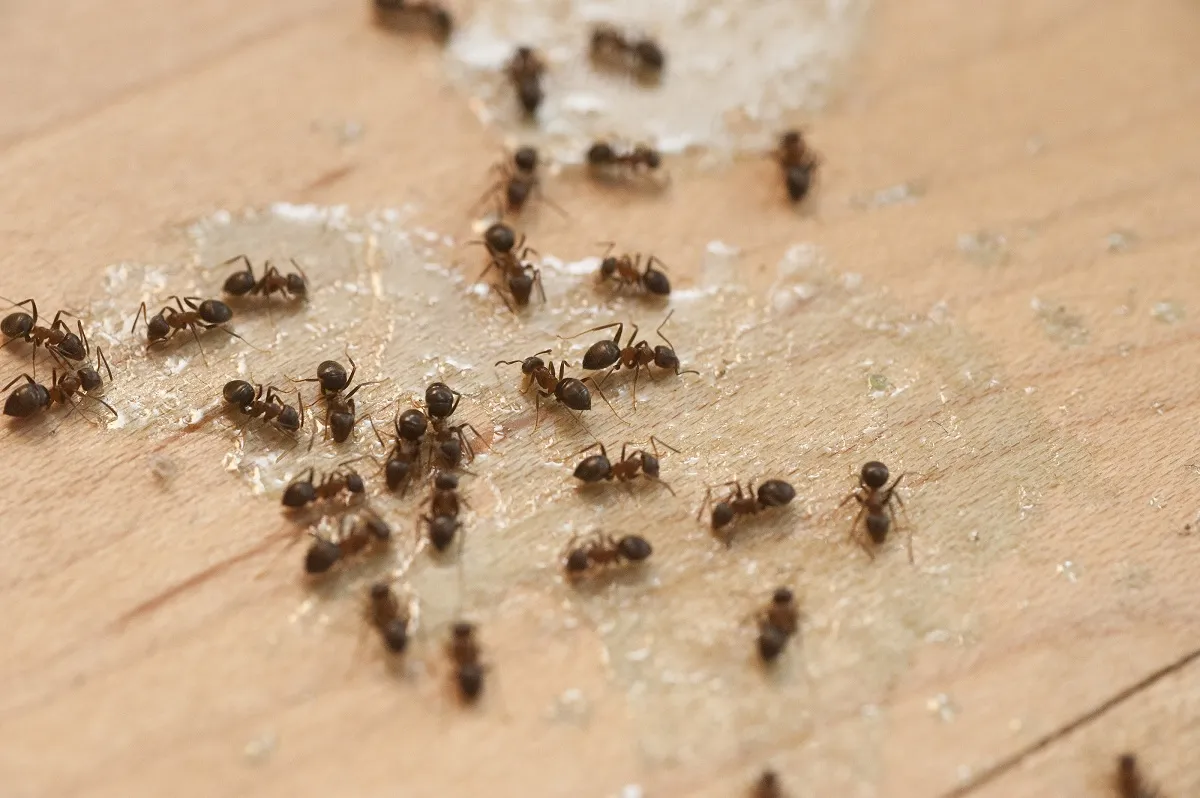
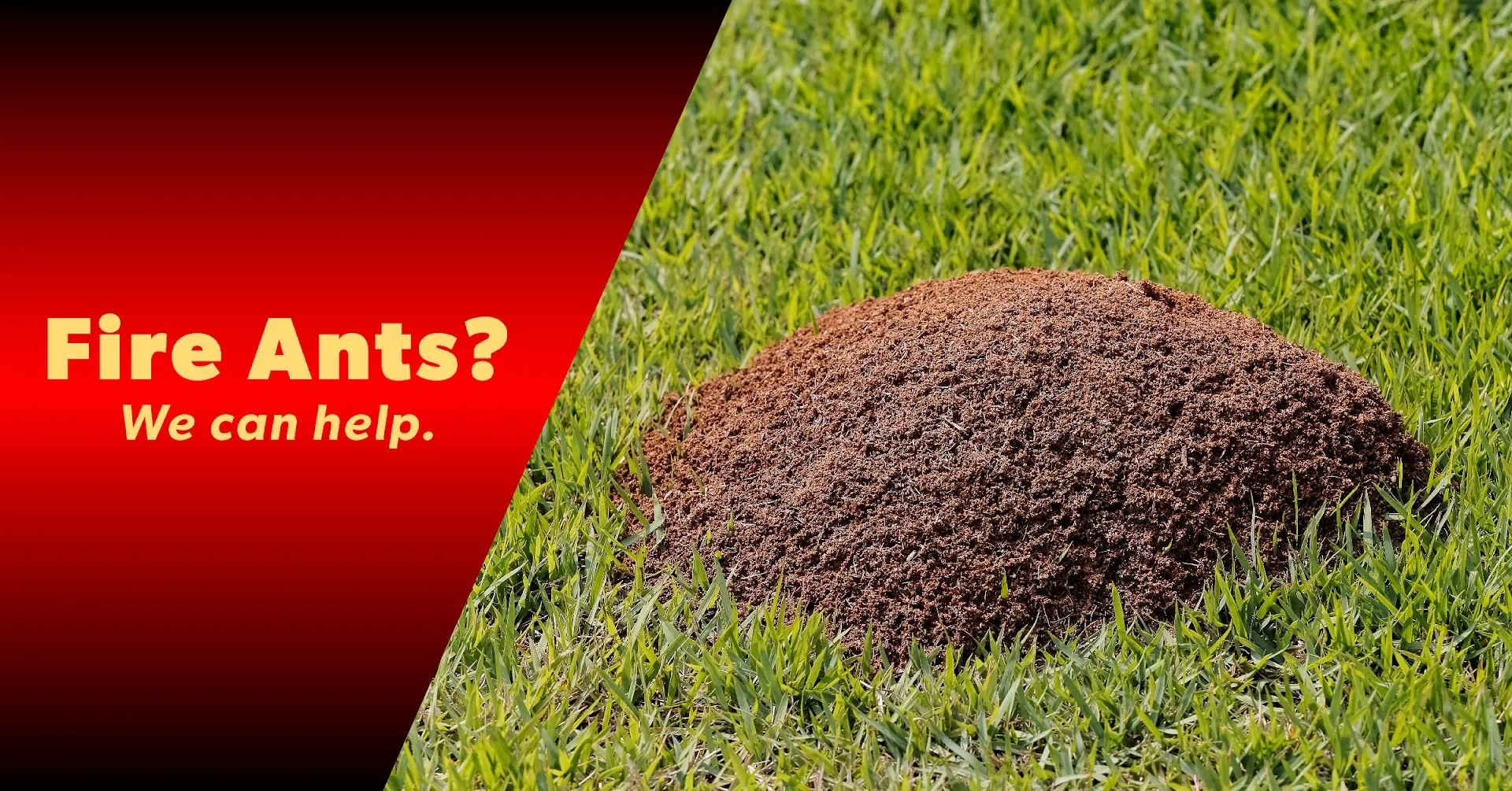
Red Imported Fire Ants are small (1/8 to 1/4 inch), reddish-brown to dark brown, with a two-segment waist (pedicel) and a prominent stinger on the abdomen. Workers vary in size within the same colony — a characteristic called polymorphism. Fire ant mounds are dome-shaped piles of excavated soil, typically 6 to 18 inches tall and up to 2 feet in diameter. Unlike most ant mounds, fire ant mounds have no visible entry hole on top — workers enter and exit through underground tunnels.
Fire Ant Stings — Not Bites
Fire ants actually sting, not bite. When a mound is disturbed, workers swarm up vertical surfaces, grip the skin with their mandibles for leverage, and inject venom through a stinger on the abdomen. Each ant stings multiple times in a circular pattern, producing a characteristic ring of welts. Within 24 hours, each sting develops into a sterile white pustule that is intensely itchy and takes 3 to 7 days to resolve. Avoid scratching or popping pustules — this increases infection risk.
Fire Ant Sting Treatment
For normal reactions, clean the sting area with soap and water, apply a cold compress, take an antihistamine (Benadryl) for itching, and apply hydrocortisone cream. Over-the-counter pain relievers (ibuprofen or acetaminophen) help with discomfort.
Seek emergency medical attention immediately if you experience any signs of anaphylaxis: difficulty breathing, swelling of the face, lips, or throat, rapid heartbeat, dizziness or fainting, widespread hives, or nausea and vomiting. About 1 to 2 percent of the population is at risk for severe allergic reactions to fire ant venom. People with known fire ant allergies should carry a prescribed epinephrine auto-injector (EpiPen) at all times.
Fire Ant Colony Biology
Understanding fire ant biology explains why they are so difficult to control:
- Colony size: A mature fire ant colony contains 200,000 to 500,000 workers. The queen produces 1,500 or more eggs per day.
- Multiple queens: Many Texas fire ant colonies have multiple egg-laying queens, making them harder to eliminate. If one queen survives treatment, the colony can rebuild.
- Mound networks: Fire ant colonies extend several feet below the surface with extensive tunnel networks. Surface mounds are just the visible portion of a much larger underground structure.
- Rapid reinfestation: Even after successful treatment, fire ants from neighboring colonies or newly arriving mated queens can reinfest treated areas within weeks.
- Flooding response: During heavy rains, fire ant colonies form living rafts of interlocked workers that float on floodwater, allowing entire colonies to relocate and survive flooding events.
The Two-Step Method — Texas A&M Recommended
The Texas A&M AgriLife Extension Service recommends the Two-Step Method as the most effective and cost-efficient fire ant control strategy for residential yards:
Step 1: Broadcast Bait
Apply a fire ant bait product (Amdro, Extinguish Plus, Award, or Ascend) across the entire yard using a hand-held seed spreader. Broadcast bait targets all colonies — including ones you cannot see — by reaching foraging workers who carry the bait back to their queens. Apply when ants are actively foraging (test by placing a potato chip near a mound — if ants find it within 15 minutes, conditions are right). Best applied in spring (April to May) and fall (September to October) when ground temperatures are 65 to 90°F.
Step 2: Individual Mound Treatment
7 to 10 days after broadcasting bait, individually treat any mounds that remain active with a contact insecticide drench (mix liquid insecticide with 1 to 2 gallons of water and pour over the mound), dust (acephate/Orthene), or granular treatment. This second step eliminates colonies that survived the bait or that were not reached by foraging workers.
Professional Fire Ant Treatment
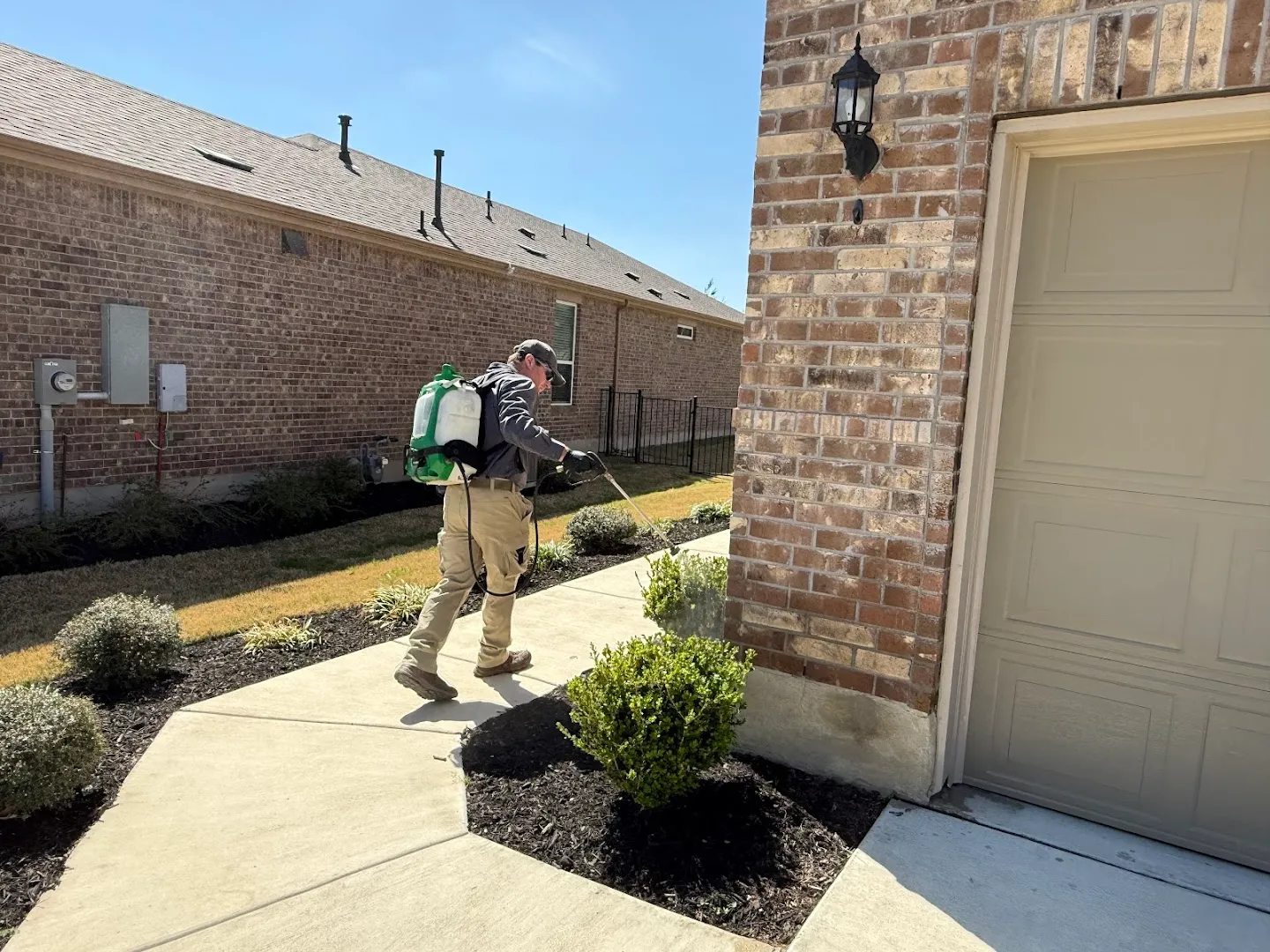
For large properties, severe infestations, or homeowners who prefer professional service, licensed pest control companies offer fire ant treatment programs including broadcast bait applications, mound treatments, and ongoing maintenance. Professional-grade products and application equipment provide more thorough and even coverage than DIY methods. Most programs include quarterly retreatment during the active season (March through November) for $200 to $500 per year.
Fire Ants and Electrical Equipment
Fire ants are attracted to electrical fields and commonly infest electrical junction boxes, HVAC units, well pump controls, transformer pads, traffic signal boxes, and airport runway lights. Their presence causes short circuits, equipment failure, and costly repairs. Texas electric utility companies spend millions annually on fire ant damage. Apply approved fire ant bait around the base of outdoor electrical equipment and treat infested boxes with contact insecticide labeled for electrical equipment use.
Fire Ant Prevention Tips
- Apply broadcast fire ant bait across your yard 1 to 2 times per year (spring and fall) — this is the most cost-effective ongoing prevention strategy.
- Treat new mounds promptly before colonies mature and spread.
- Inspect outdoor electrical boxes, HVAC units, and pump controls regularly for fire ant activity.
- Teach children to recognize and avoid fire ant mounds.
- Keep shoes on when walking in grass — many stings occur when people step on mounds barefoot.
- Check picnic and play areas for mounds before use, especially after recent rainfall.
- For organic gardens and pet play areas, use spinosad-based fire ant baits (Conserve, Come and Get It) which are OMRI-listed and pet-safe after application dries.
Licensed Texas Companies
777 companies offering lawn & landscape care
777 companies
Urbanex Pest Control
EnviroCon Pest Control
X Out Pest Services
Adams Exterminating
Ace Pest Control
Integrity Pest and Termite

Bug Blasters Pest Control

Justice Pest Services

Pest Control Conroe - Full Scope
Georgetown Pest Control
EvoFoam Pest Control
Moore Pest Control
The Bug Master

Urban Texas Pest Control
LYNX Pest Control
ChemTec Pest Control
Golden Rule Pest Termite & Weed Control
Richmond Pest Control
Frequently Asked Questions
Best Professional Treatment
Lawn pest control, grub treatment, fire ant yard management, and landscape protection
Find Local Exterminators for Fire Ants Near You
Find pest control companies with lawn treatment capabilities for fire ants and other ant species.
Find Licensed Companies by Texas City
Licensed fire ants control companies in major Texas cities