Family Pest Control
DBA of FOUNDATION TERMITE AND PEST CONTROL LLC
About Family Pest Control
Family Pest Control has been providing licensed pest control services in San Antonio, Texas since 2019. With 7 years of operation under Texas Department of Agriculture license TPCL #801219, they serve residential and commercial customers across BEXAR County.
The company is licensed for 4 service categories, including pest control, termite treatment, lawn & landscape care, and wildlife removal. This broad licensing reflects their capacity to handle a wide range of pest management needs, from routine household pest treatment to specialized services.
Family Pest Control maintains a strong 4.9-star rating based on 600+ customer reviews, placing them among the highest-rated pest control providers in the San Antonio area.
The designated certified applicator for Family Pest Control is DENNIS A KERSHNER, with DENNIS KERSHNER serving as the business operator. Texas law requires every pest control company to have a certified applicator responsible for supervising all pest management activities.
Pest Control Services in San Antonio, TX
Licensed for 4 service categories under TPCL #801219
Pest Control
P12 pestsGeneral pest management for common household pests including roaches, ants, spiders, and more
Termite Treatment
T1 pestInspection, treatment, and prevention of subterranean, drywood, and Formosan termites
Lawn & Landscape Care
LLawn pest control, grub treatment, fire ant yard management, and landscape protection
Wildlife Removal
W5 pestsHumane removal of raccoons, opossums, bats, squirrels, skunks, and other wildlife
Also listed on Google as
Pests Treated
Based on the licensed service categories above
Pest Control
· 12 pestsTermite Treatment
· 1 pestWildlife Removal
· 5 pestsLocation
Business Hours
| Day | Hours |
|---|---|
| Monday | 8 AM to 5 PM |
| Tuesday | 8 AM to 5 PM |
| Wednesday | 8 AM to 5 PM |
| Thursday | 8 AM to 5 PM |
| Friday | 8 AM to 5 PM |
| Saturday | 8 AM to 5 PM |
| Sunday | Closed |
Texas Pest Control License
- License #
- TPCL #801219
- Issued
- Renewed
- Expires
- Certified Applicator
- DENNIS A KERSHNER(#41712)
Pest control businesses in Texas are required to hold a Structural Pest Control Business License (TPCL), issued and regulated by the Texas Department of Agriculture (TDA). The information shown here reflects the public TDA licensee record. Last verified: . View on Texas Department of Agriculture
Authorized service categories (4) under this license
General Pest Control (Category P)
Category P authorizes the company to perform general structural pest control services. This is the most common license category and covers the identification, treatment, and prevention of common household and commercial pests.
What this license covers:
- Cockroaches, ants, spiders, silverfish, and crickets
- Bed bugs, fleas, ticks, and mosquitoes
- Wasps, hornets, and other stinging insects
- Scorpions, centipedes, and occasional invaders
- Interior and exterior perimeter treatments
- Preventive pest management programs
Why it matters: Category P is the foundation license for most pest control companies. It ensures the company has trained technicians who understand pest biology, proper pesticide application, and safety protocols for treating homes and businesses.
Termite Treatment (Category T)
Category T authorizes the company to inspect for, treat, and prevent termite infestations. This is a specialized license requiring additional training in termite biology, soil treatment, and structural assessment.
What this license covers:
- Subterranean termite treatment (liquid barriers and bait systems)
- Drywood termite treatment (localized and whole-structure)
- Formosan termite identification and treatment
- Pre-construction termite prevention for new buildings
- Termite inspections and WDI (Wood-Destroying Insect) reports
- Annual monitoring and warranty programs
Why it matters: Termite treatment requires specialized knowledge of soil chemistry, building construction, and treatment techniques. An incorrect application can fail to protect the structure or cause environmental damage. The T category ensures the company meets TDA standards for termite work.
Lawn & Landscape Care (Category L)
Category L authorizes the application of pesticides to lawns, ornamental plants, trees, and landscape areas. This license covers outdoor pest management separate from structural pest control.
What this license covers:
- Fire ant treatment and yard management
- Grub and chinch bug treatment in turf
- Mosquito yard treatments and barrier sprays
- Flea and tick outdoor applications
- Tree and ornamental insect and disease treatment
- Weed control and pre-emergent applications
Why it matters: Lawn and landscape pesticide application requires understanding of turf grass species, plant sensitivity, environmental considerations like runoff, and proper timing for effective treatment. The L category ensures the applicator is trained in outdoor-specific pest management.
Wildlife Removal (Category W)
Category W authorizes the humane removal and exclusion of nuisance wildlife from structures and properties. Operators must comply with both TDA and Texas Parks & Wildlife Department regulations.
What this license covers:
- Raccoon, opossum, and skunk trapping and removal
- Bat exclusion (seasonal restrictions apply)
- Squirrel removal and attic exclusion
- Snake identification and removal
- Bird removal from structures
- Animal damage repair and entry point sealing
Why it matters: Wildlife removal requires knowledge of animal behavior, humane trapping methods, species-specific regulations, and exclusion techniques. Improper removal can violate state and federal wildlife protection laws. The W category ensures compliance with all applicable regulations.
Frequently Asked Questions
Common questions about pest control services in San Antonio, TX
What is Integrated Pest Management (IPM)?
IPM is a science-based approach that combines prevention, monitoring, and targeted treatment to manage pests with minimal chemical use. It includes sealing entry points, removing food and water sources, and using pesticides only when necessary. Many licensed Texas companies offer IPM programs as a long-term, environmentally responsible option.
What questions should I ask before hiring a pest control company?
Key questions include: Are you licensed by the Texas Department of Agriculture? What is your TPCL number? What specific treatment do you recommend and why? What products will you use? Do you offer a guarantee or warranty? Are your technicians certified applicators? What preparation is needed on my part?
What happens if pests come back after treatment?
Most pest control companies offer re-treatment guarantees — if pests return between scheduled visits, they will re-treat at no additional charge. This is standard with ongoing service plans. For one-time treatments, ask about the warranty period. Persistent issues may indicate entry points that need sealing or environmental factors that need addressing.
What is a TPCL license in Texas?
TPCL stands for Texas Pest Control License, issued by the Texas Department of Agriculture (TDA). It is required for any business performing structural pest control in Texas. The license must be renewed annually and requires proof of insurance, a certified applicator on staff, and compliance with TDA regulations.
What is a certified applicator in Texas pest control?
A certified applicator is an individual who has passed the TDA examination demonstrating knowledge of pest identification, pesticide safety, application techniques, and state regulations. Texas law requires every pest control business to designate a certified applicator who supervises all pest management activities performed by the company.
What pests does general pest control cover?
General pest control (Category P) covers common household pests including cockroaches, ants, spiders, silverfish, earwigs, crickets, centipedes, and occasional invaders. Some companies include mosquito and flea treatments in their general service, while others offer these as add-ons.
What types of termites are found in Texas?
Texas has three main termite types: Eastern subterranean termites (most common, found statewide), Formosan subterranean termites (aggressive species in Southeast Texas and coastal areas), and drywood termites (found in attics and furniture, mainly in South and Coastal Texas). Each requires different treatment approaches.
Is lawn pest treatment safe for my pets?
Most professional lawn treatments are pet-safe once dry, usually within 1–2 hours. Granular products may require watering in and drying before allowing pet access. Let your technician know you have pets so they can select appropriate products and advise on re-entry timing.
What animals does wildlife removal cover?
Wildlife removal (Category W) in Texas covers raccoons, opossums, squirrels, skunks, bats, armadillos, snakes, birds (when nesting in structures), and rats/mice. Licensed operators use humane trapping and exclusion methods in compliance with Texas Parks & Wildlife Department regulations.
How should I handle a wasp nest near my home?
Do not attempt to remove wasp nests yourself, especially paper wasp nests, yellow jacket ground nests, or large hornet nests. Wasps can sting repeatedly and attack in numbers when their nest is threatened. A licensed pest control professional can safely remove the nest and treat the area to discourage rebuilding.
What are the most common pests in Texas?
The most common Texas pests include fire ants, cockroaches (American and German), termites (subterranean and Formosan), mosquitoes, scorpions, spiders (brown recluse and black widow), wasps, rodents, bed bugs, and fleas/ticks. The warm climate and diverse geography create ideal conditions for a wide variety of pests year-round.
What pesticides do Texas pest control companies use?
Licensed Texas companies use EPA-registered products approved for residential and commercial use. Common categories include pyrethroids (synthetic insecticides for general pest barriers), fipronil (effective against ants and termites), neonicotinoids (for various insects), and growth regulators (which disrupt pest reproduction). Your technician should identify specific products used.
- TPCL #
- 801219
- License Type
- P — Pest ControlT — Termite TreatmentL — Lawn & Landscape CareW — Wildlife Removal
- Issued
- Renewed
- Expires
- Insurance Exp.
- Operator
- DENNIS KERSHNER
- Applicator
- DENNIS A KERSHNER
- Applicator Lic.
- #41712
- Legal Name
- FOUNDATION TERMITE AND PEST CONTROL LLC
Licensed by the Texas Department of Agriculture. Verify at texasagriculture.gov
- CitySan Antonio
- CountyBEXAR
- ZIP78240
- Services4
- Reviews600+
More Pest Control in San Antonio
X Out Pest Services

Guardian Pest Control
Buckin' Bugs Pest Control
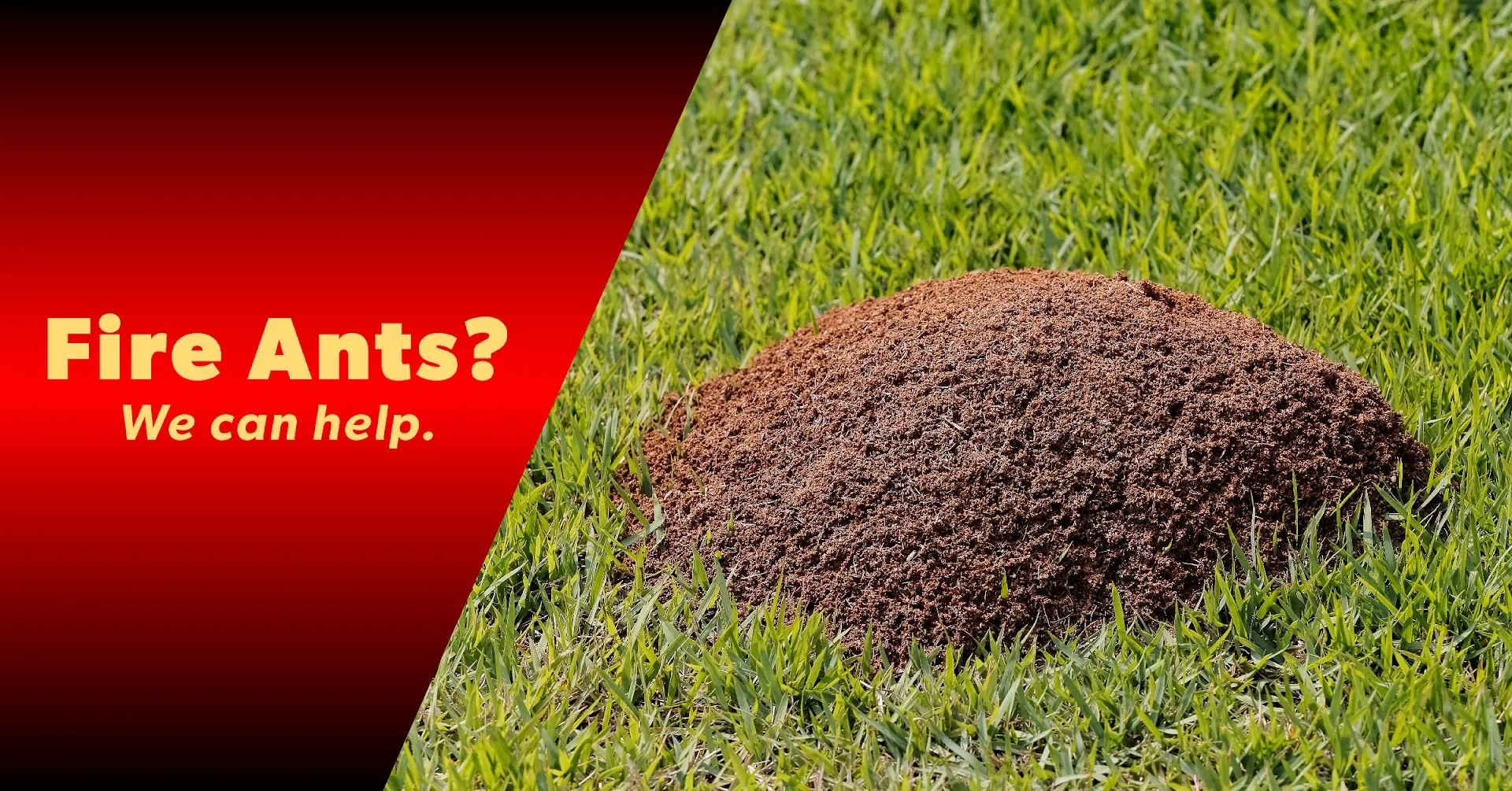
The Bug Master
Urban Texas Pest Control