
HomeTeam Pest Defense
DBA of WILLARD A JONES
About HomeTeam Pest Defense
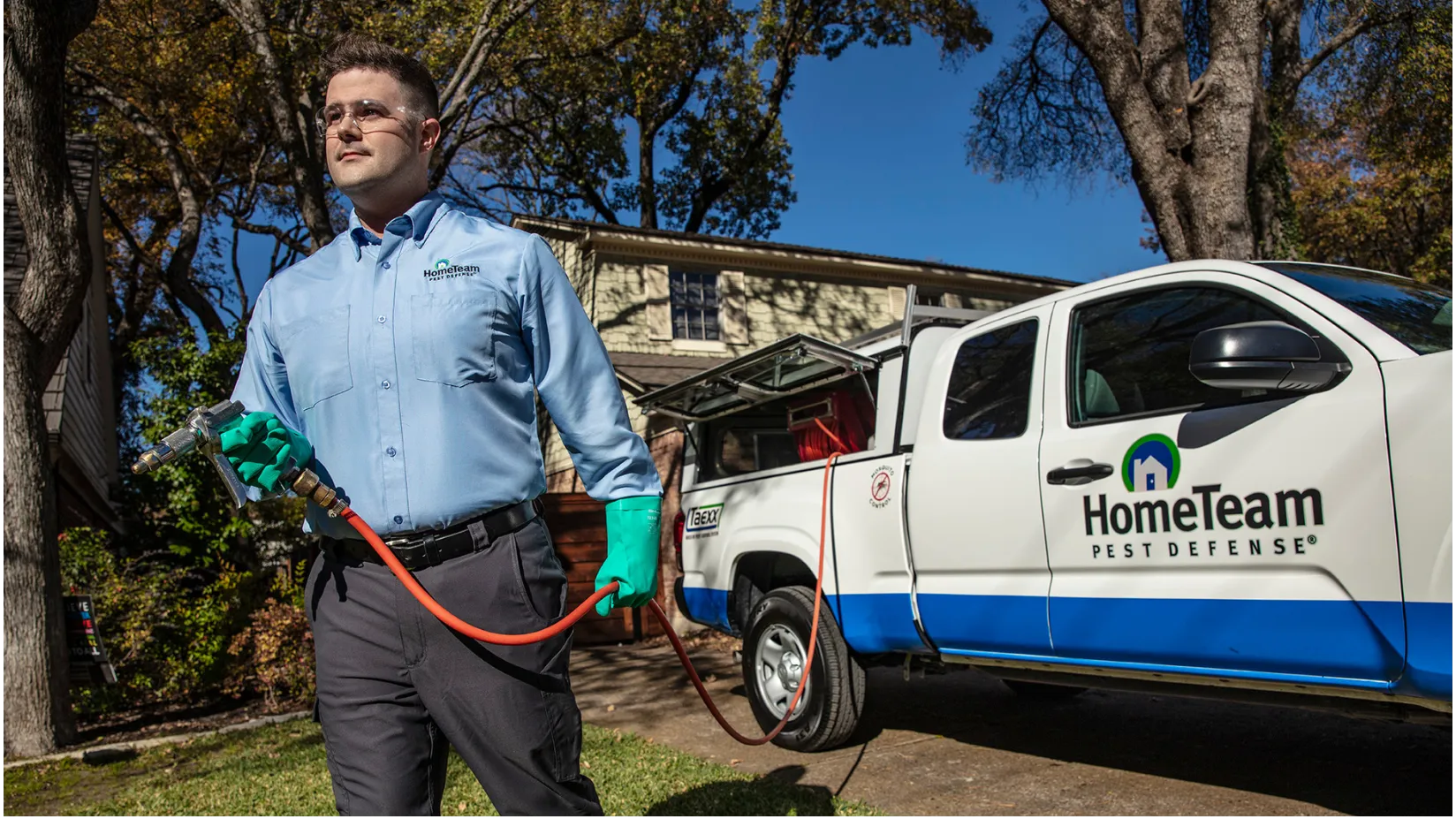
HomeTeam Pest Defense has been providing licensed pest control services in Bandera, Texas since 1999. With 27 years of operation under Texas Department of Agriculture license TPCL #570393, they serve residential and commercial customers across BANDERA County.
The company is licensed for 3 service categories, including pest control, termite treatment, and wildlife removal. This broad licensing reflects their capacity to handle a wide range of pest management needs, from routine household pest treatment to specialized services.
HomeTeam Pest Defense maintains a strong 4.8-star rating based on 1,000+ customer reviews, placing them among the highest-rated pest control providers in the Bandera area.
The designated certified applicator for HomeTeam Pest Defense is WILLARD A JONES. Texas law requires every pest control company to have a certified applicator responsible for supervising all pest management activities.
Pest Control Services in Bandera, TX
Licensed for 3 service categories under TPCL #570393
Pest Control
P12 pestsGeneral pest management for common household pests including roaches, ants, spiders, and more
Termite Treatment
T1 pestInspection, treatment, and prevention of subterranean, drywood, and Formosan termites
Wildlife Removal
W5 pestsHumane removal of raccoons, opossums, bats, squirrels, skunks, and other wildlife
Also listed on Google as
Pests Treated
Based on the licensed service categories above
Pest Control
· 12 pestsTermite Treatment
· 1 pestWildlife Removal
· 5 pestsLocation
Business Hours
| Day | Hours |
|---|---|
| Monday | 8 AM to 6 PM |
| Tuesday | 8 AM to 6 PM |
| Wednesday | 8 AM to 6 PM |
| Thursday | 8 AM to 6 PM |
| Friday | 8 AM to 6 PM |
| Saturday | Closed |
| Sunday | Closed |
Texas Pest Control License
- License #
- TPCL #570393
- Issued
- Renewed
- Expires
- Certified Applicator
- WILLARD A JONES(#40939)
Pest control businesses in Texas are required to hold a Structural Pest Control Business License (TPCL), issued and regulated by the Texas Department of Agriculture (TDA). The information shown here reflects the public TDA licensee record. Last verified: . View on Texas Department of Agriculture
Authorized service categories (3) under this license
General Pest Control (Category P)
Category P authorizes the company to perform general structural pest control services. This is the most common license category and covers the identification, treatment, and prevention of common household and commercial pests.
What this license covers:
- Cockroaches, ants, spiders, silverfish, and crickets
- Bed bugs, fleas, ticks, and mosquitoes
- Wasps, hornets, and other stinging insects
- Scorpions, centipedes, and occasional invaders
- Interior and exterior perimeter treatments
- Preventive pest management programs
Why it matters: Category P is the foundation license for most pest control companies. It ensures the company has trained technicians who understand pest biology, proper pesticide application, and safety protocols for treating homes and businesses.
Termite Treatment (Category T)
Category T authorizes the company to inspect for, treat, and prevent termite infestations. This is a specialized license requiring additional training in termite biology, soil treatment, and structural assessment.
What this license covers:
- Subterranean termite treatment (liquid barriers and bait systems)
- Drywood termite treatment (localized and whole-structure)
- Formosan termite identification and treatment
- Pre-construction termite prevention for new buildings
- Termite inspections and WDI (Wood-Destroying Insect) reports
- Annual monitoring and warranty programs
Why it matters: Termite treatment requires specialized knowledge of soil chemistry, building construction, and treatment techniques. An incorrect application can fail to protect the structure or cause environmental damage. The T category ensures the company meets TDA standards for termite work.
Wildlife Removal (Category W)
Category W authorizes the humane removal and exclusion of nuisance wildlife from structures and properties. Operators must comply with both TDA and Texas Parks & Wildlife Department regulations.
What this license covers:
- Raccoon, opossum, and skunk trapping and removal
- Bat exclusion (seasonal restrictions apply)
- Squirrel removal and attic exclusion
- Snake identification and removal
- Bird removal from structures
- Animal damage repair and entry point sealing
Why it matters: Wildlife removal requires knowledge of animal behavior, humane trapping methods, species-specific regulations, and exclusion techniques. Improper removal can violate state and federal wildlife protection laws. The W category ensures compliance with all applicable regulations.
Frequently Asked Questions
Common questions about pest control services in Bandera, TX
Can I do pest control myself instead of hiring a professional?
DIY methods can help with minor issues like occasional ants or spiders. However, infestations of termites, bed bugs, rodents, or recurring roaches typically require professional treatment. Licensed technicians have access to commercial-grade products, specialized equipment, and the training to apply treatments safely and effectively.
What time of year is best for pest control in Texas?
In Texas, pest control is important year-round due to the warm climate. Spring and early summer see increased activity from ants, termites, mosquitoes, and wasps. Fall brings rodents seeking shelter indoors. Winter is ideal for preventive treatments and termite inspections when pest pressure is lowest.
Should I get multiple quotes before choosing a pest control company?
Yes. Getting 2–3 estimates is recommended. Compare not just price but also the scope of service, products used, guarantees offered, and customer reviews. The cheapest option is not always the best — look for licensed, well-reviewed companies that clearly explain their treatment plan.
What are the different pest control license categories in Texas?
The TDA issues licenses with specific category codes: P (General Pest Control), T (Termite Treatment), L (Lawn & Landscape), W (Wildlife Removal), C (Crack & Crevice), S (Structural Fumigation), and D (Waste Disposal). Each category authorizes different types of pest management work.
Can I report a pest control company in Texas?
Yes. Complaints against licensed pest control companies can be filed with the Texas Department of Agriculture. You can report unlicensed operators, unsafe practices, or unsatisfactory service. The TDA investigates complaints and can take enforcement action including fines and license suspension.
What pests does general pest control cover?
General pest control (Category P) covers common household pests including cockroaches, ants, spiders, silverfish, earwigs, crickets, centipedes, and occasional invaders. Some companies include mosquito and flea treatments in their general service, while others offer these as add-ons.
What types of termites are found in Texas?
Texas has three main termite types: Eastern subterranean termites (most common, found statewide), Formosan subterranean termites (aggressive species in Southeast Texas and coastal areas), and drywood termites (found in attics and furniture, mainly in South and Coastal Texas). Each requires different treatment approaches.
What is animal exclusion and why is it important?
Exclusion involves sealing entry points that animals use to enter your home — gaps in rooflines, soffit vents, foundation cracks, and pipe penetrations. Without exclusion, trapped or removed animals will be replaced by new ones. Professional exclusion is the most important part of a lasting wildlife solution.
What diseases do mosquitoes carry in Texas?
Texas mosquitoes can transmit West Nile virus, Zika virus, dengue fever, and chikungunya. West Nile is the most common mosquito-borne illness in Texas, with cases reported annually. Standing water elimination and professional mosquito treatments are the most effective prevention methods.
How should I handle a wasp nest near my home?
Do not attempt to remove wasp nests yourself, especially paper wasp nests, yellow jacket ground nests, or large hornet nests. Wasps can sting repeatedly and attack in numbers when their nest is threatened. A licensed pest control professional can safely remove the nest and treat the area to discourage rebuilding.
What pest control regulations does Texas have?
Texas pest control is regulated by the Texas Department of Agriculture (TDA) under the Texas Structural Pest Control Act. All pest control businesses must hold a TPCL license, employ a certified applicator, maintain insurance, and follow specific rules for pesticide application, record keeping, and consumer protection.
What is heat treatment for pests?
Heat treatment involves raising the temperature of an infested area to 130–145°F using industrial heaters. It is the most effective treatment for bed bugs and can also treat drywood termites in localized areas. The high temperature kills all life stages including eggs. No chemicals are used, and rooms can typically be re-occupied the same day.
- TPCL #
- 570393
- SPCB TPCL #
- 11421
- License Type
- P — Pest ControlT — Termite TreatmentW — Wildlife Removal
- Issued
- Renewed
- Expires
- Insurance Exp.
- Operator
- WILLARD A JONES
- Applicator
- WILLARD A JONES
- Applicator Lic.
- #40939
- Legal Name
- WILLARD A JONES
Licensed by the Texas Department of Agriculture. Verify at texasagriculture.gov