Witten Pest Control
DBA of WITTEN PEST CONTROL LLC
About Witten Pest Control
Witten Pest Control has been providing licensed pest control services in San Antonio, Texas since 2018. With 8 years of operation under Texas Department of Agriculture license TPCL #779997, they serve residential and commercial customers across BEXAR County.
Their licensed service areas include pest control, and termite treatment.
Witten Pest Control maintains a strong 5-star rating based on 70+ customer reviews, placing them among the highest-rated pest control providers in the San Antonio area.
The designated certified applicator for Witten Pest Control is PATRICIA A JENNINGS, with PATTI JENNINGS serving as the business operator. Texas law requires every pest control company to have a certified applicator responsible for supervising all pest management activities.
Pest Control Services in San Antonio, TX
Licensed for 2 service categories under TPCL #779997
Pests Treated
Based on the licensed service categories above
Pest Control
· 12 pestsTermite Treatment
· 1 pestLocation
Business Hours
| Day | Hours |
|---|---|
| Monday | 8 AM to 5 PM |
| Tuesday | 8 AM to 5 PM |
| Wednesday | 8 AM to 5 PM |
| Thursday | 8 AM to 5 PM |
| Friday | 8 AM to 5 PM |
| Saturday | 8 AM to 5 PM |
| Sunday | Closed |
Texas Pest Control License
- License #
- TPCL #779997
- Issued
- Renewed
- Expires
- Certified Applicator
- PATRICIA A JENNINGS
Pest control businesses in Texas are required to hold a Structural Pest Control Business License (TPCL), issued and regulated by the Texas Department of Agriculture (TDA). The information shown here reflects the public TDA licensee record. Last verified: . View on Texas Department of Agriculture
Authorized service categories (2) under this license
General Pest Control (Category P)
Category P authorizes the company to perform general structural pest control services. This is the most common license category and covers the identification, treatment, and prevention of common household and commercial pests.
What this license covers:
- Cockroaches, ants, spiders, silverfish, and crickets
- Bed bugs, fleas, ticks, and mosquitoes
- Wasps, hornets, and other stinging insects
- Scorpions, centipedes, and occasional invaders
- Interior and exterior perimeter treatments
- Preventive pest management programs
Why it matters: Category P is the foundation license for most pest control companies. It ensures the company has trained technicians who understand pest biology, proper pesticide application, and safety protocols for treating homes and businesses.
Termite Treatment (Category T)
Category T authorizes the company to inspect for, treat, and prevent termite infestations. This is a specialized license requiring additional training in termite biology, soil treatment, and structural assessment.
What this license covers:
- Subterranean termite treatment (liquid barriers and bait systems)
- Drywood termite treatment (localized and whole-structure)
- Formosan termite identification and treatment
- Pre-construction termite prevention for new buildings
- Termite inspections and WDI (Wood-Destroying Insect) reports
- Annual monitoring and warranty programs
Why it matters: Termite treatment requires specialized knowledge of soil chemistry, building construction, and treatment techniques. An incorrect application can fail to protect the structure or cause environmental damage. The T category ensures the company meets TDA standards for termite work.
Frequently Asked Questions
Common questions about pest control services in San Antonio, TX
What should I do before a pest control visit?
Before your appointment, clear counters, move furniture slightly away from walls, secure food and pet dishes, cover fish tanks, and ensure the technician can access areas like garages, attics, and crawl spaces. Your provider will give specific preparation instructions based on the treatment type.
Do I need a contract for pest control services?
Not necessarily. Many Texas pest control companies offer both one-time treatments and ongoing service plans. Contracts with quarterly or monthly service often include re-treatment guarantees and lower per-visit costs. Review cancellation terms and satisfaction guarantees before signing.
Can I do pest control myself instead of hiring a professional?
DIY methods can help with minor issues like occasional ants or spiders. However, infestations of termites, bed bugs, rodents, or recurring roaches typically require professional treatment. Licensed technicians have access to commercial-grade products, specialized equipment, and the training to apply treatments safely and effectively.
What is a TPCL license in Texas?
TPCL stands for Texas Pest Control License, issued by the Texas Department of Agriculture (TDA). It is required for any business performing structural pest control in Texas. The license must be renewed annually and requires proof of insurance, a certified applicator on staff, and compliance with TDA regulations.
What does it mean when a pest control license is inactive?
An inactive license means the company has not renewed their TPCL with the Texas Department of Agriculture. This could be due to business closure, failure to meet insurance requirements, or voluntary non-renewal. Companies with inactive licenses cannot legally perform pest control services in Texas.
What pests does general pest control cover?
General pest control (Category P) covers common household pests including cockroaches, ants, spiders, silverfish, earwigs, crickets, centipedes, and occasional invaders. Some companies include mosquito and flea treatments in their general service, while others offer these as add-ons.
What types of termites are found in Texas?
Texas has three main termite types: Eastern subterranean termites (most common, found statewide), Formosan subterranean termites (aggressive species in Southeast Texas and coastal areas), and drywood termites (found in attics and furniture, mainly in South and Coastal Texas). Each requires different treatment approaches.
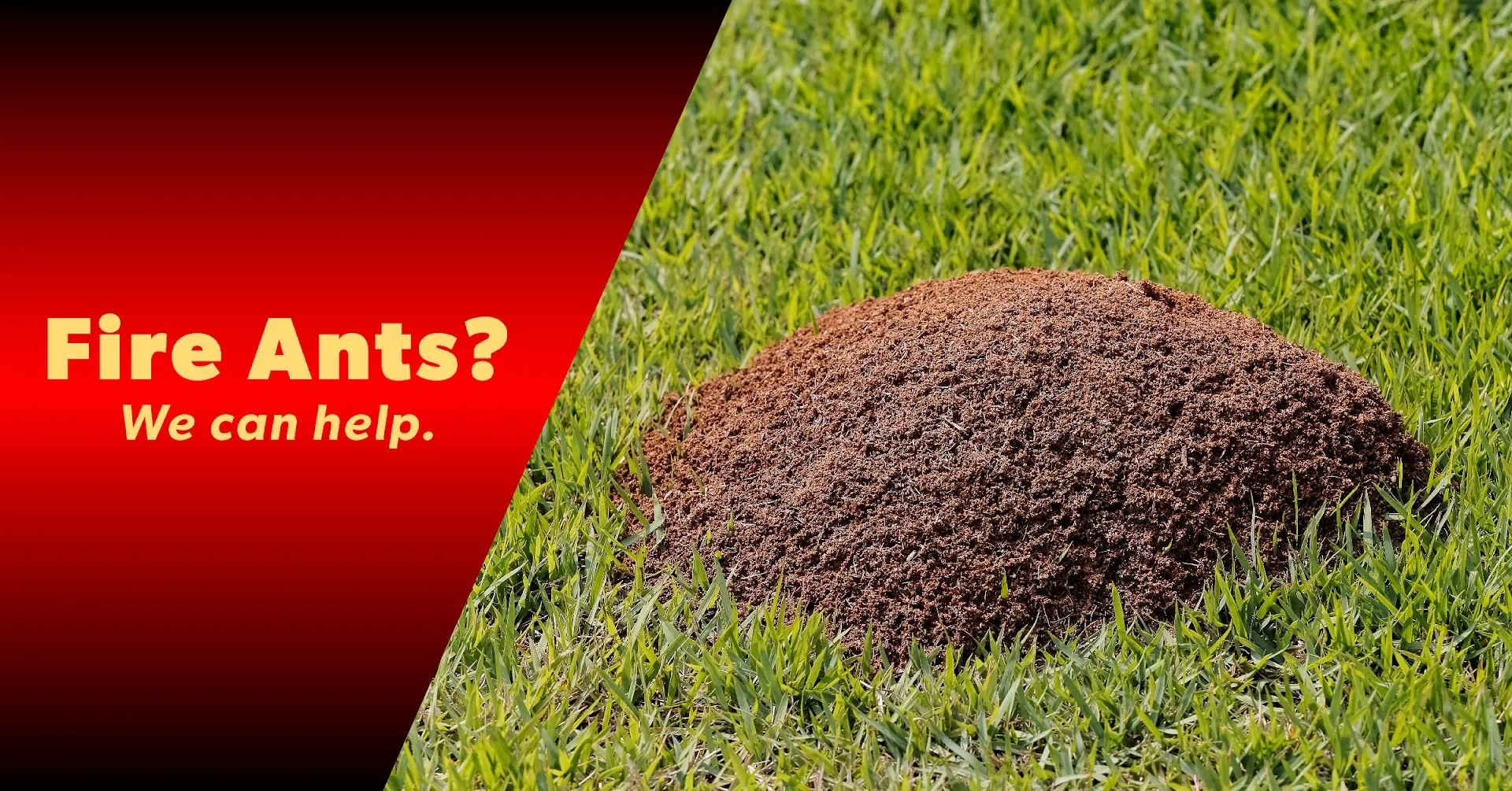
How do I deal with fire ants on my property?
The two-step method is most effective: first, broadcast a bait product across your entire yard when ants are actively foraging (mornings or evenings in moderate weather). Then, treat individual mounds directly with a contact insecticide 3–5 days later. Professional treatment is recommended for large properties or persistent infestations.
Are scorpions in Texas dangerous?
The striped bark scorpion is the most common species in Texas. Its sting is painful (similar to a bee sting) but rarely medically significant for healthy adults. Children, elderly individuals, and those with allergies may have stronger reactions. If stung, apply ice and monitor for unusual symptoms. Seek medical attention for severe reactions.
What pest control challenges are unique to Texas?
Texas faces unique challenges including Formosan termite colonies in the Gulf region, fire ant infestations across most of the state, extreme heat that drives pests indoors, a long warm season that keeps pests active year-round, and a diverse geography ranging from humid coastlines to arid deserts, each with different pest pressures.
What is heat treatment for pests?
Heat treatment involves raising the temperature of an infested area to 130–145°F using industrial heaters. It is the most effective treatment for bed bugs and can also treat drywood termites in localized areas. The high temperature kills all life stages including eggs. No chemicals are used, and rooms can typically be re-occupied the same day.
- TPCL #
- 779997
- SPCB TPCL #
- 397
- License Type
- P — Pest ControlT — Termite Treatment
- Issued
- Renewed
- Expires
- Insurance Exp.
- Operator
- PATTI JENNINGS
- Applicator
- PATRICIA A JENNINGS
- Legal Name
- WITTEN PEST CONTROL LLC
Licensed by the Texas Department of Agriculture. Verify at texasagriculture.gov
- CitySan Antonio
- CountyBEXAR
- ZIP78263
- Services2
- Reviews70+
More Pest Control in San Antonio
X Out Pest Services

Guardian Pest Control
Buckin' Bugs Pest Control
The Bug Master
Urban Texas Pest Control