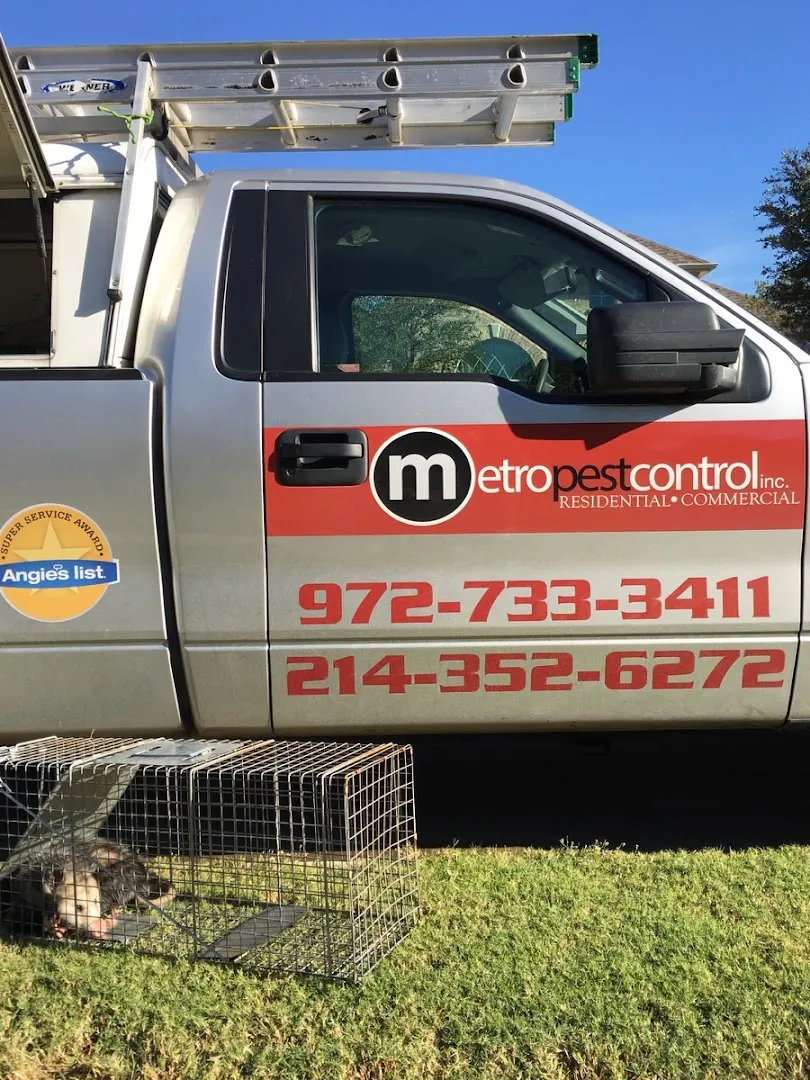
A-All Pest Termite Exterminators, Inc.
DBA of A ALL PEST TERMITE EXTERM INC
About A-All Pest Termite Exterminators, Inc.
A-All Pest Termite Exterminators, Inc. has been providing licensed pest control services in Dallas, Texas since 1990. With 36 years of operation under Texas Department of Agriculture license TPCL #565875, they serve residential and commercial customers across Dallas County.
The company is licensed for 4 service categories, including pest control, termite treatment, crack & crevice treatment, and structural fumigation. This broad licensing reflects their capacity to handle a wide range of pest management needs, from routine household pest treatment to specialized services.
Customers have rated A-All Pest Termite Exterminators, Inc. 4.9 out of 5 stars, with 8 reviews reflecting their service track record in Dallas.
The designated certified applicator for A-All Pest Termite Exterminators, Inc. is DAVID FINCANNON. Texas law requires every pest control company to have a certified applicator responsible for supervising all pest management activities.
How A-All Pest Termite Exterminators, Inc. Compares in Dallas
Computed from Texas Department of Agriculture license records and public Google review data for 124 active licensed companies in Dallas
#69 of 114
by Google rating among rated companies in Dallas
8
reviews — more than 22% of rated companies in Dallas
Since 1990
TPCL licensed — earlier than 86% of 124 active licenses in Dallas
1 of 6
companies in Dallas licensed for structural fumigation
The average Google rating across 114 rated pest control companies in Dallas is 4.7 stars; A-All Pest Termite Exterminators, Inc. stands at 4.9 based on 8 reviews. Its business license was first issued in 1990, earlier than 86% of the 124 active licenses held in Dallas today.
Pest Control Services in Dallas, TX
Licensed for 4 service categories under TPCL #565875
Pest Control
P24 pestsGeneral pest management for common household pests including roaches, ants, spiders, and more
Termite Treatment
T4 pestsInspection, treatment, and prevention of subterranean, drywood, and Formosan termites
Crack & Crevice Treatment
CTargeted pesticide application in cracks, crevices, and voids for sensitive areas
Structural Fumigation
SWhole-structure tenting and fumigation for severe drywood termite and pest infestations
Also listed on Google as
Pests Treated
Based on the licensed service categories above
Pest Control
· 24 pestsTermite Treatment
· 4 pestsService Area in Dallas County
A-All Pest Termite Exterminators, Inc. serves customers across Dallas County, Texas. A street address is not on file with the Texas Department of Agriculture for this license.
Open in Google MapsBusiness Hours
| Day | Hours |
|---|---|
| Monday | 8 AM to 5 PM |
| Tuesday | 8 AM to 5 PM |
| Wednesday | 8 AM to 5 PM |
| Thursday | 8 AM to 5 PM |
| Friday | 8 AM to 5 PM |
| Saturday | Closed |
| Sunday | Closed |
Texas Pest Control License
- License #
- TPCL #565875
- Issued
- Renewed
- Expires
- Certified Applicator
- DAVID FINCANNON(#27121)
Pest control businesses in Texas are required to hold a Structural Pest Control Business License (TPCL), issued and regulated by the Texas Department of Agriculture (TDA). The information shown here reflects the public TDA licensee record. Last verified: . View on Texas Department of Agriculture
Authorized service categories (4) under this license
General Pest Control (Category P)
Category P authorizes the company to perform general structural pest control services. This is the most common license category and covers the identification, treatment, and prevention of common household and commercial pests.
What this license covers:
- Cockroaches, ants, spiders, silverfish, and crickets
- Bed bugs, fleas, ticks, and mosquitoes
- Wasps, hornets, and other stinging insects
- Scorpions, centipedes, and occasional invaders
- Interior and exterior perimeter treatments
- Preventive pest management programs
Why it matters: Category P is the foundation license for most pest control companies. It ensures the company has trained technicians who understand pest biology, proper pesticide application, and safety protocols for treating homes and businesses.
Termite Treatment (Category T)
Category T authorizes the company to inspect for, treat, and prevent termite infestations. This is a specialized license requiring additional training in termite biology, soil treatment, and structural assessment.
What this license covers:
- Subterranean termite treatment (liquid barriers and bait systems)
- Drywood termite treatment (localized and whole-structure)
- Formosan termite identification and treatment
- Pre-construction termite prevention for new buildings
- Termite inspections and WDI (Wood-Destroying Insect) reports
- Annual monitoring and warranty programs
Why it matters: Termite treatment requires specialized knowledge of soil chemistry, building construction, and treatment techniques. An incorrect application can fail to protect the structure or cause environmental damage. The T category ensures the company meets TDA standards for termite work.
Crack & Crevice Treatment (Category C)
Category C authorizes the targeted application of pesticides into cracks, crevices, and voids where pests harbor. This precision method minimizes chemical exposure in the surrounding environment.
What this license covers:
- Gel bait application in cracks and joints
- Dust injection into wall voids and cavities
- Aerosol treatment of enclosed spaces
- Targeted treatment in food-handling areas
- Treatment of electrical and plumbing penetrations
- Sensitive-area pest management (hospitals, schools, restaurants)
Why it matters: Crack and crevice treatment requires precision and knowledge of pest harboring behavior. Improper application in sensitive environments like restaurants or healthcare facilities can result in contamination. This license ensures the technician is trained in targeted application methods.
Structural Fumigation (Category S)
Category S authorizes whole-structure fumigation using gaseous pesticides. This is the most restrictive license category due to the hazardous nature of fumigants and the complexity of the process.
What this license covers:
- Whole-structure tenting and fumigation
- Commodity and space fumigation
- Fumigant gas monitoring and clearance testing
- Structure sealing and preparation
- Post-fumigation aeration and safety verification
- Documentation and record keeping for fumigant use
Why it matters: Fumigation involves lethal gases that require specialized training, equipment, and strict safety protocols. Incorrect procedures can endanger lives. The S category requires the highest level of training and oversight, including specific fumigant certifications.
Frequently Asked Questions
Common questions about pest control services in Dallas, TX
Is A-All Pest Termite Exterminators, Inc. a licensed pest control company?
Yes. A-All Pest Termite Exterminators, Inc. holds an active Structural Pest Control Business License, TPCL #565875, issued by the Texas Department of Agriculture. The license was first issued on January 1, 1990 and is valid through May 31, 2027. The certified applicator responsible for the license is DAVID FINCANNON.
What services is A-All Pest Termite Exterminators, Inc. licensed to provide?
A-All Pest Termite Exterminators, Inc. is licensed by the Texas Department of Agriculture for 4 service categories: pest control, termite treatment, crack & crevice treatment, and structural fumigation. Each category is a separate authorization on TPCL #565875, so the company may only perform work it is explicitly licensed for. Notably, it is one of only 6 of the 124 active companies in Dallas licensed for structural fumigation.
How does A-All Pest Termite Exterminators, Inc. compare to other pest control companies in Dallas?
Among the 114 rated pest control companies in Dallas, A-All Pest Termite Exterminators, Inc. ranks #69 by Google rating (4.9 stars vs. a local average of 4.7). Its 8 customer reviews put it ahead of 22% of local rated companies by review volume. The company has held its TPCL license since 1990, longer than 86% of active licensees in Dallas.
Is A-All Pest Termite Exterminators, Inc. open on weekends?
No, A-All Pest Termite Exterminators, Inc. is closed on weekends. Weekday hours start Monday at 8 AM. Hours reflect the company’s current Google Business Profile and may change on holidays.
What areas does A-All Pest Termite Exterminators, Inc. serve?
A-All Pest Termite Exterminators, Inc. operates out of Dallas in DALLAS County, Texas. No street address is on file with the TDA for this license, which is common for home-based or service-area businesses. Pest control companies typically serve customers within a 20–30 mile radius, so nearby communities across DALLAS County are usually within its service area. Call ahead to confirm coverage for your address.
Are organic or natural pest control options effective?
Organic methods such as diatomaceous earth, essential oil repellents, and boric acid can be effective for certain pests. However, they often work more slowly and may not be sufficient for severe infestations. Many Texas companies offer green or low-toxicity options that balance effectiveness with environmental responsibility.
Can I report a pest control company in Texas?
Yes. Complaints against licensed pest control companies can be filed with the Texas Department of Agriculture. You can report unlicensed operators, unsafe practices, or unsatisfactory service. The TDA investigates complaints and can take enforcement action including fines and license suspension.
What pests does general pest control cover?
General pest control (Category P) covers common household pests including cockroaches, ants, spiders, silverfish, earwigs, crickets, centipedes, and occasional invaders. Some companies include mosquito and flea treatments in their general service, while others offer these as add-ons.
- TPCL #
- 565875
- SPCB TPCL #
- 3348
- License Type
- P — Pest ControlT — Termite TreatmentC — Crack & Crevice TreatmentS — Structural Fumigation
- Issued
- Renewed
- Expires
- Insurance Exp.
- Operator
- DAVID FINCANNON
- Applicator
- DAVID FINCANNON
- Applicator Lic.
- #27121
- Legal Name
- A ALL PEST TERMITE EXTERM INC
Licensed by the Texas Department of Agriculture. Verify at texasagriculture.gov
Pest Control Companies Near A-All Pest Termite Exterminators, Inc.
The closest licensed alternatives by straight-line distance from A-All Pest Termite Exterminators, Inc. in Dallas
MW Logistics
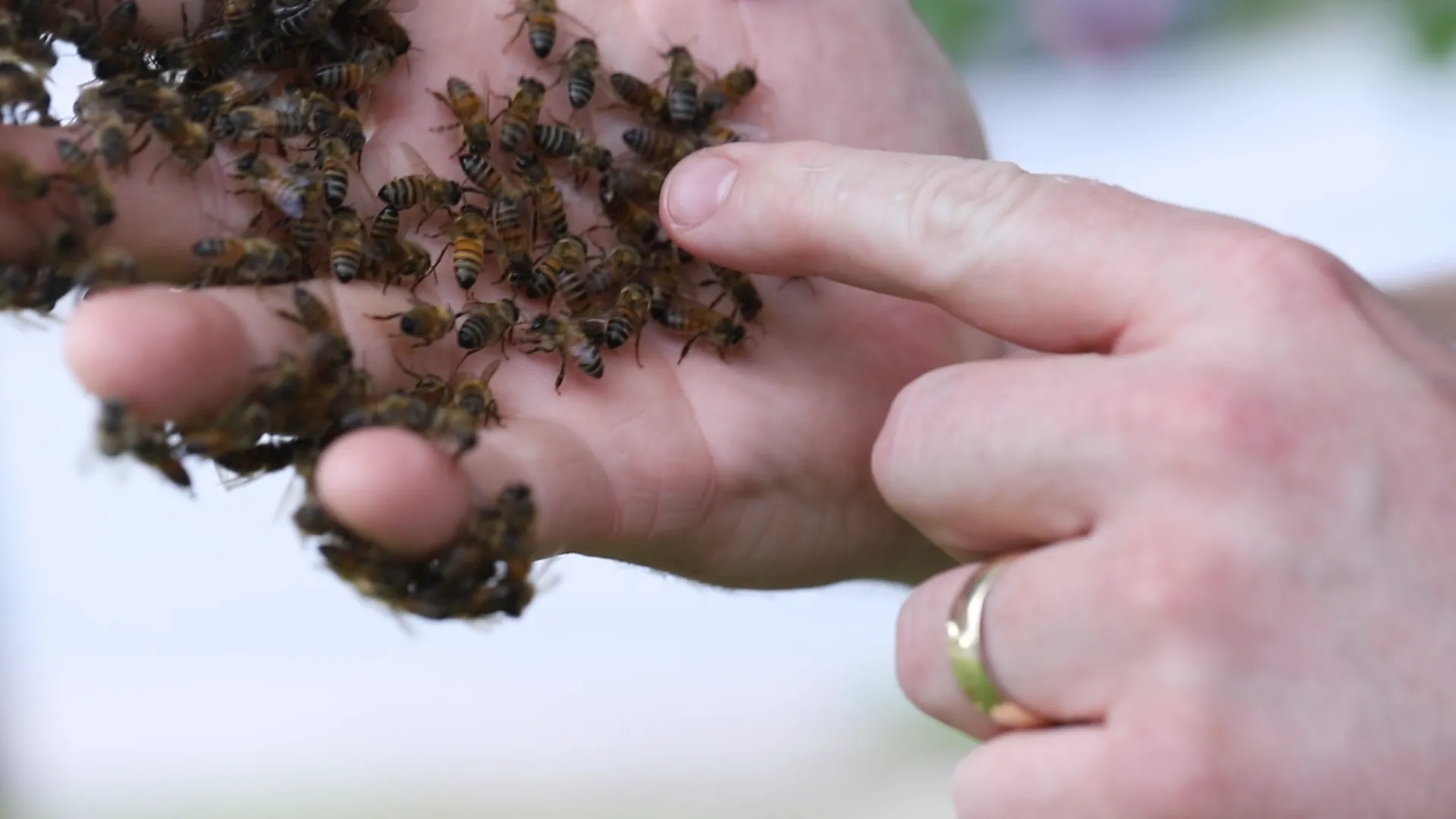
Bee Safe Bee Removal
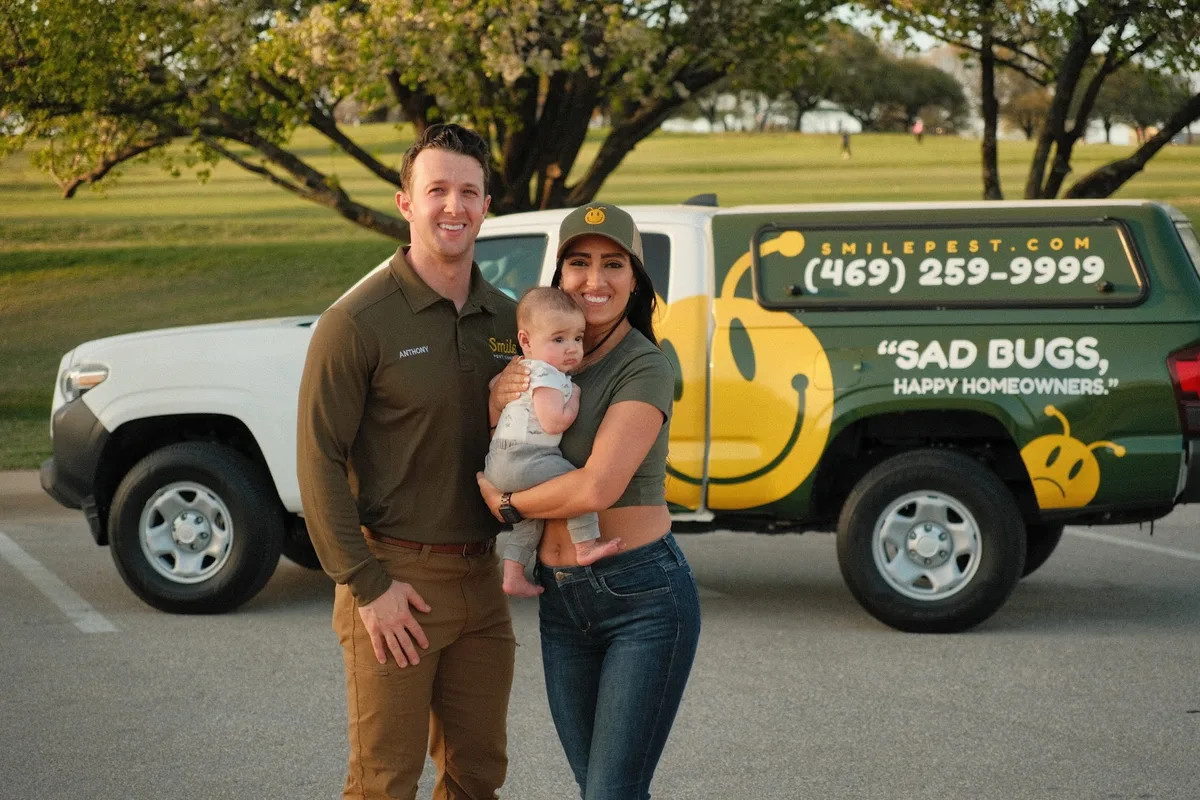
Smile Pest Control
Green Guard DFW
Little Giant Beekeepers & Bee Removal Specialists