Texas A&M Expert Reveals How to Spot and Stop Common Tomato Pests Before They Destroy Your Garden
AgriLife Extension specialist Joe Masabni breaks down the five most destructive tomato pests in Texas gardens and the proven methods to control them.
The latest pest control news across Texas — invasive species alerts, health advisories, regulation changes, industry trends, and prevention tips from expert sources.
About this newsroom
New species alerts, spread tracking, and warnings about spotted lanternfly, crazy ants, Africanized bees, and other invasive pests in Texas.
Disease outbreaks, pesticide safety recalls, and public health advisories related to pests — West Nile, Chagas, dengue, Zika, and more.
New laws, EPA bans, TPCL licensing changes, tenant rights, company fines, and regulatory updates affecting pest control in Texas.
Mergers & acquisitions, IPOs, bankruptcies, new franchises, market trends, and workforce updates across the pest control industry.
Seasonal pest prevention advice, DIY methods, when to call a professional, and cost guides for Texas homeowners.
Drones, AI-powered traps, IoT monitoring, new pesticide formulations, IPM innovations, and organic pest control methods.

AgriLife Extension specialist Joe Masabni breaks down the five most destructive tomato pests in Texas gardens and the proven methods to control them.

USDA APHIS warns that the yellow-legged hornet, an invasive species that devastated European honey bee populations, could threaten Texas pollinators if it establishes in the U.S.

UC Riverside researchers develop bistrifluron, a targeted termite treatment that eliminates 95% of drywood colonies while avoiding toxic fumigation risks.

The invasive Emerald Ash Borer beetle, responsible for killing hundreds of millions of ash trees across North America, is now spreading into Texas including the Dallas-Fort Worth metro area.

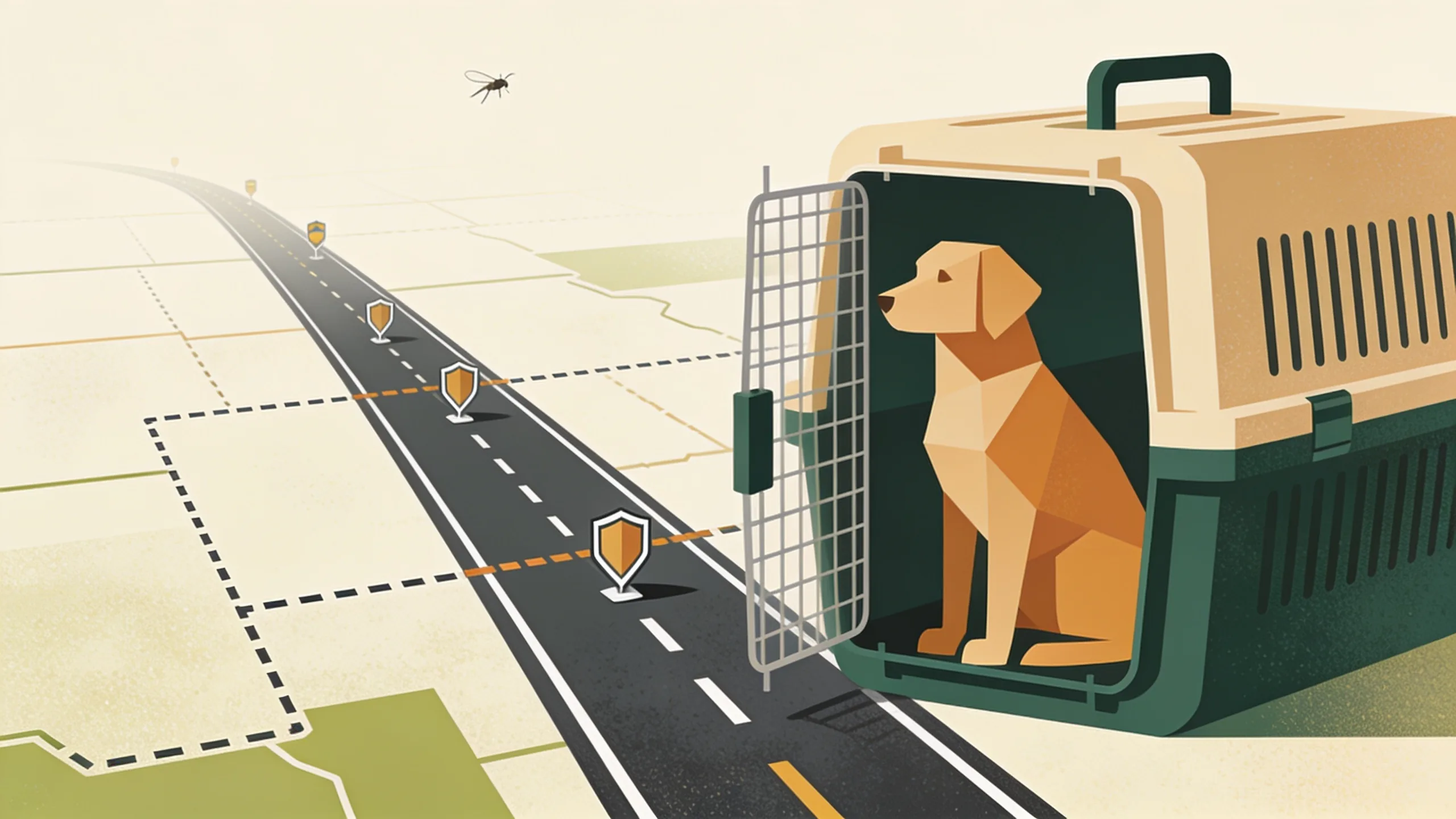
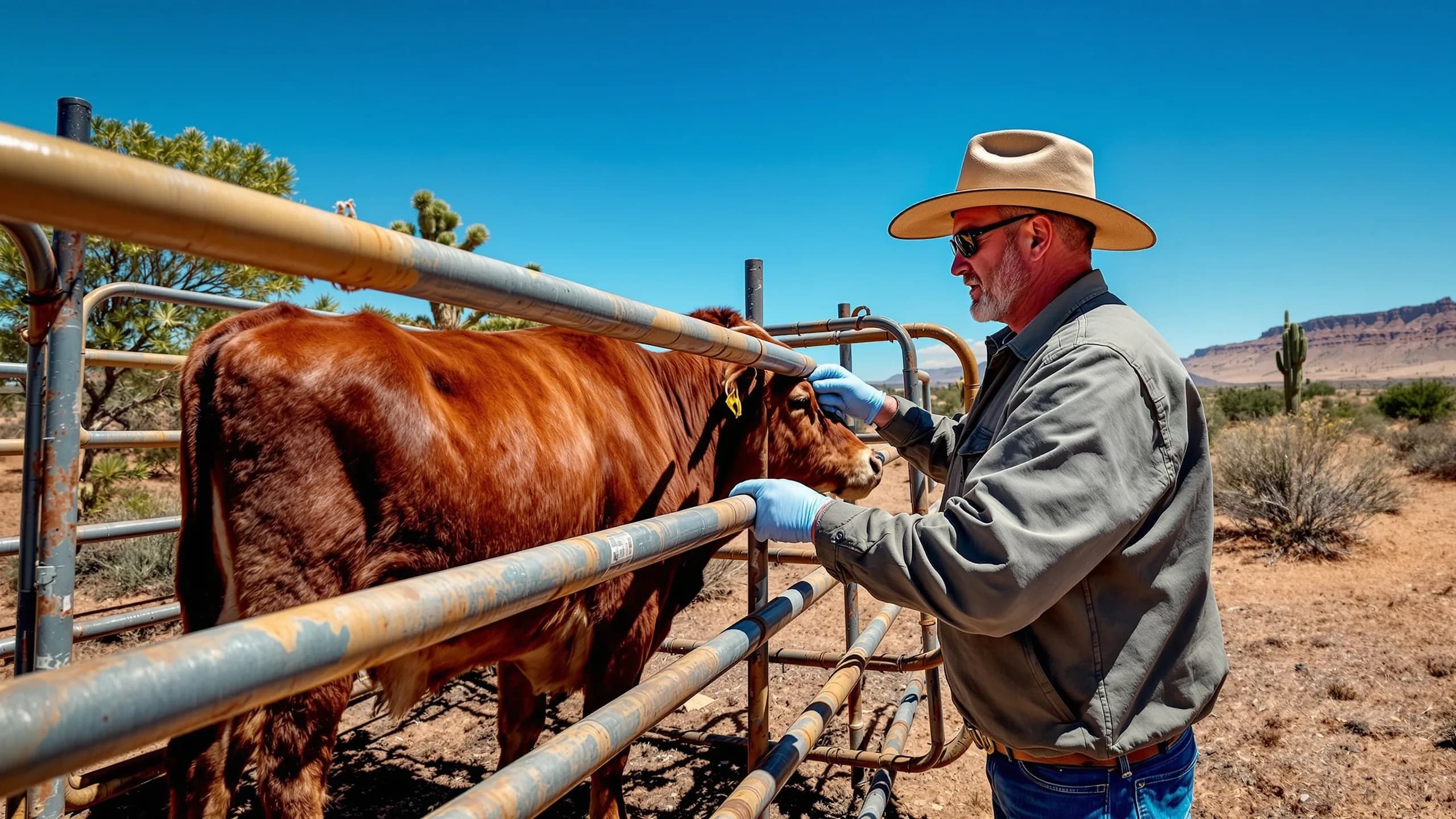
USDA APHIS shifts sterile fly dispersal area north along the Texas-Mexico border as New World Screwworm cases approach. Texas Animal Health Commission announces expanded biological barrier.

Austin and Travis County health officials launch mosquito season awareness campaign, warning residents about West Nile virus risks and promoting the Four Ds prevention strategy.

USDA APHIS extends sterile fly dispersal operations to Maverick County near Eagle Pass, building a stronger biological barrier against the flesh-eating New World screwworm threatening Texas livestock.

Tech giant Google applies for experimental use permit to deploy Wolbachia-infected male mosquitoes as biological control against West Nile virus vectors.

Growing number of states pass laws limiting consumer ability to sue pesticide companies for failure to warn about health risks, amid ongoing Roundup litigation.
Texas has over 7,700 licensed pest control businesses and faces pest pressure year-round across its 254 counties. Regulations change, new species arrive, disease vectors shift patterns, and the industry itself is consolidating faster than most homeowners realize. Staying informed is not optional — it directly affects what treatments are available, what they cost, and whether your provider is operating legally.
We monitor primary sources that matter for Texas residents and pest management professionals: Texas Department of Agriculture enforcement actions and licensing updates, EPA Federal Register pesticide decisions, DSHS vector surveillance reports, USDA APHIS quarantine notices, CDC MMWR disease data, Texas A&M AgriLife Extension research, NPMA industry surveys, and SEC filings from publicly traded pest control companies. Every article links to its original source so you can verify the data independently.
Coverage is organized into six categories — each focused on a distinct area of pest control that affects Texas differently. Whether you are a homeowner checking if your county has a new mosquito-borne disease advisory, a property manager tracking regulation changes, or an industry professional following market consolidation, you can go directly to the category that matters to you.

How often is this newsroom updated?
New articles appear whenever primary-source Texas pest news warrants coverage — typically several per month during peak pest seasons (spring and fall) and fewer during the summer and winter lulls. The full archive plus category filters is available here.
Can I subscribe?
Yes. There is an RSS feed at /news/feed.xml and a Google News sitemap at /sitemap-news.xml for aggregators. No paid subscription, no email signup required.
Do you publish sponsored or paid content?
No. This newsroom does not accept sponsored articles, paid placements, advertorials, or press-release reprints. Any commercial relationship in the future will be clearly disclosed at the top of the affected article.
How do I report a correction or tip?
Email info@texasbugslayers.com with the article URL, the specific claim in question, and a link to an authoritative source. Corrections are published (not silently edited) and the article is updated with a note and revised date.