
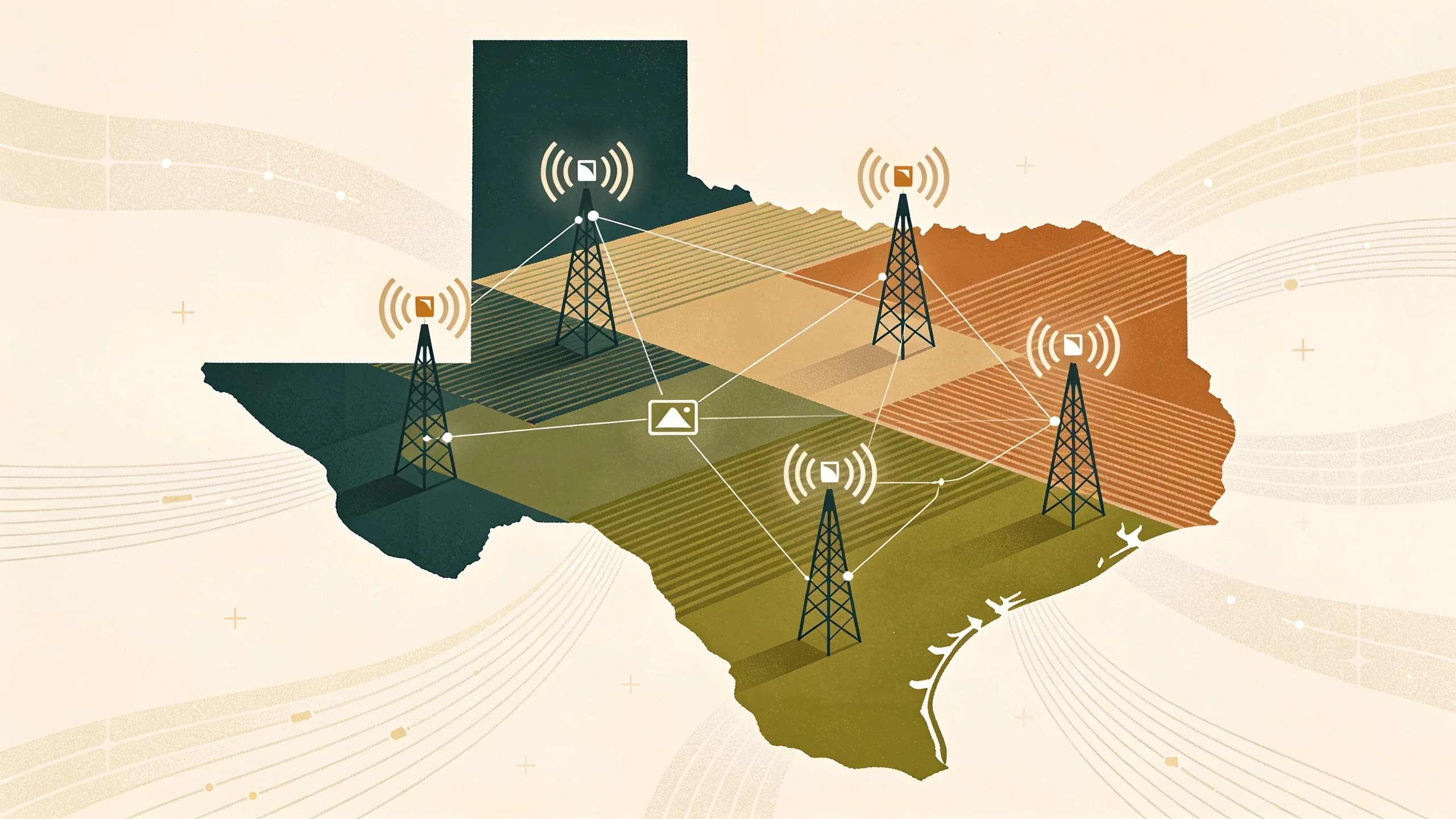
Texas A&M AgriLife Launches Statewide Alert System for Agricultural Threats and Invasive Pests
Texas A&M AgriLife Extension Service has unveiled a new digital early warning system designed to put critical agricultural intelligence directly into the hands of farmers, ranchers, and rural residents. The Texas Agriculture Alert System, which launched this week, promises to deliver immediate notifications when invasive pests, wildlife diseases, or quarantine orders threaten the state's agricultural sector.
Track every confirmed case on our live Texas screwworm tracker and county map.
The platform represents a significant upgrade in how Texas monitors and communicates emerging biological threats. Rather than relying on word-of-mouth or sporadic media coverage, the system pushes targeted alerts via email the moment official agencies confirm new cases of dangerous plants, animal pests, or disease outbreaks. It also tracks modifications to quarantine orders administered by the Texas Department of Agriculture and flags any compliance agreements related to pest and disease outbreaks.
"The new animal and plant identification system will keep Texans notified of any immediate threats to agriculture and natural resources," said Dan Hale, Ph.D., AgriLife Extension associate director for agriculture and natural resources. "This notification system allows industry and others to deliver timely information and respond appropriately depending on the nature of an incident."
The system's development traces back to the 89th Texas Legislature, which mandated its creation through House Bill 1592. That legislative directive has now materialized into a joint operational platform involving four key state agencies: AgriLife Extension, the Texas Department of Agriculture, the Texas Animal Health Commission, and Texas Parks and Wildlife Department. This multi-agency collaboration ensures that alerts draw from the broadest possible surveillance network, combining agricultural monitoring with wildlife disease tracking and natural resource management.
Each notification includes specific details that matter to agricultural producers: the date of detection, the category of affected animal or plant, the specific type of pest or disease identified, and precise information about which counties face quarantine restrictions. Users can customize their subscriptions to receive alerts for specific counties or opt for statewide coverage.
The timing of this launch aligns with heightened awareness of invasive species threats in Texas. The recent confirmation of New World screwworm cases in South Texas has demonstrated how quickly agricultural pests can escalate from distant concerns to immediate economic threats. The alert system aims to compress the response window, giving producers critical advance notice to implement protective measures before outbreaks spread.
For pest control professionals and agricultural service providers, the system offers a valuable intelligence layer. Early notification of quarantine boundaries allows companies to adjust service routes, modify treatment protocols, and advise clients on compliance requirements. The platform also serves as an official reference point for understanding which regulatory measures apply in specific jurisdictions.
Enrollment is currently open at agalert.tamu.edu, with email delivery as the primary notification method. The system joins a growing ecosystem of digital agricultural tools in Texas, reflecting broader trends toward data-driven farm management and proactive risk mitigation.
As climate patterns shift and global trade continues to introduce new biological threats, early warning systems like this one may prove as essential to agricultural operations as weather forecasts. For an industry where hours can mean the difference between containment and catastrophe, the Texas Agriculture Alert System represents a significant investment in the state's agricultural resilience.
Sources
Texas Bug Slayers Editorial Team
Editorial Board
The Texas Bug Slayers editorial team brings together licensed pest control professionals, entomologists, and writers dedicated to helping Texans protect their homes and families from pests.
Related Articles

Travis County Declares Disaster Over Screwworm Threat Before First Case Appears
Austin-area county takes unprecedented proactive step, signing disaster declaration to streamline response resources as New World screwworm spreads through South Texas.
Screwworm Rules Follow the Herd North as Canada Turns Back Texas Cattle
Canada now lists Texas and New Mexico as screwworm-affected states, blocking live cattle imports and forcing returning herds into a 21-day detour.

First Wild Screwworm Fly Trapped in Texas as USDA Logs Brewster County Detection
USDA's case dashboard logged a wild screwworm fly from a Brewster County surveillance trap on Sept. 25 — the outbreak's first detection with no animal involved.