
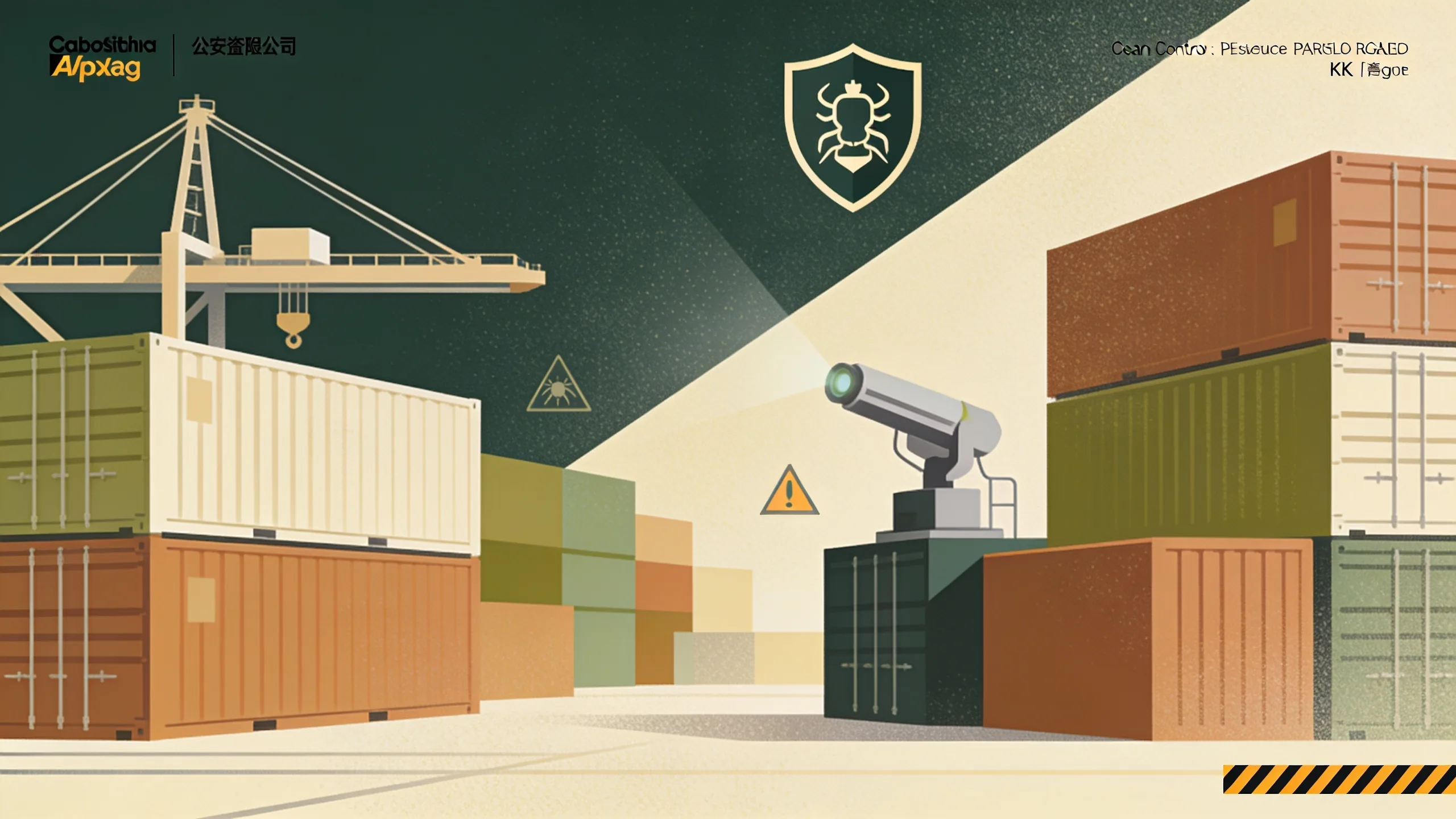
EPA Declares War on Smuggled Pesticides: Zeldin Targets Chinese Imports at California Ports
Standing before reporters at a Port of Los Angeles warehouse on June 25, EPA Administrator Lee Zeldin held up a white bottle with a distinctive yellow label reading "SNIPER"—an illegal pesticide product intercepted during a recent customs inspection. The display served as a tangible example of the threat Zeldin came to California to address: a growing flood of counterfeit and unregistered pesticides smuggled into American ports, primarily from China.
"China is the number one source of illegal pesticide smuggling attempts into California's ports," Zeldin stated during the press conference, putting Beijing on public notice about the EPA's intensified enforcement posture. The announcement marks a significant escalation in the agency's efforts to protect American consumers, agricultural workers, and professional pest control operators from dangerous chemical products that bypass federal safety regulations.
The Smuggling Threat
Illegal pesticide imports represent more than a regulatory nuisance. Products like SNIPER and similar counterfeit formulations often contain active ingredients at concentrations that violate U.S. safety standards, or they include chemicals banned entirely by the EPA for health or environmental reasons. Without proper registration and labeling, users have no way of knowing what they're actually applying—creating liability risks for pest control professionals and exposure hazards for homeowners.
The smuggling operations typically exploit e-commerce platforms and direct-to-consumer shipping channels, making their way into residential mailboxes and, in some cases, onto the shelves of small retailers. The Port of Los Angeles and neighboring Long Beach—already the busiest container port complex in the United States—have become primary entry points for these shipments.
Zeldin's visit highlighted interdiction successes, including the SNIPER seizure, but emphasized that enforcement alone cannot solve the problem. The EPA is working with Customs and Border Protection to enhance screening protocols while pursuing civil and criminal penalties against importers and distributors caught handling illegal products.
Implications for Texas Pest Control
For Texas pest control operators, the crackdown addresses a persistent competitive and safety concern. Unregistered products sold through gray-market channels often undercut legitimate pesticide prices, tempting budget-conscious consumers and creating pressure on licensed professionals competing against unlicensed operators using illegal chemicals.
More importantly, the smuggled products threaten the industry's regulatory framework. Texas pest control companies operate under strict licensing requirements administered by the Texas Department of Agriculture and the Structural Pest Control Board, with mandatory training on proper application, safety protocols, and environmental protection. Illegal pesticides bypass these safeguards entirely.
"When a homeowner buys some mystery chemical online because it's cheaper, they don't get the label instructions that tell them how to apply it safely, what protective equipment to wear, or whether it's even appropriate for their specific pest problem," noted one industry consultant familiar with Texas regulatory enforcement. "The professional using registered products has liability insurance, training, and accountability. The smuggled product has none of that."
What Consumers Should Know
The EPA maintains a simple rule for pesticide purchases: if the product doesn't have an EPA registration number clearly displayed on the label, it's illegal to sell or use in the United States. Registration numbers follow a standard format (EPA Reg. No. XXXXX-XX) and indicate the product has undergone agency review for efficacy and safety.
Consumers purchasing pesticides online should verify registration numbers through the EPA's online database before buying. Products shipped from overseas sellers, marketed with claims that seem too good to be true, or priced significantly below comparable registered formulations warrant particular scrutiny.
For pest control professionals, the crackdown reinforces the importance of supply chain diligence. Purchasing only from authorized distributors with documented product provenance protects both business licenses and customer safety while supporting the regulatory system that underpins industry credibility.
Zeldin's announcement signals that pesticide smuggling has reached the highest levels of agency attention—a development that professional operators and informed consumers should welcome as the summer pest season reaches its peak.
Sources
Texas Bug Slayers Editorial Team
Editorial Board
The Texas Bug Slayers editorial team brings together licensed pest control professionals, entomologists, and writers dedicated to helping Texans protect their homes and families from pests.
Related Articles

EPA Sets July 31 Deadline for Bilingual Pesticide Label Compliance Reporting
Pesticide registrants face fast-approaching July 31 deadline to report Spanish-language bilingual labeling compliance through EPA's MyPeST platform for restricted-use and agricultural products.

Bipartisan Bill Would Force Cancer Warnings on Pesticides After Supreme Court Ruling
Lawmakers from both parties introduce legislation to require cancer warnings on pesticide labels, responding to a Supreme Court decision that shielded manufacturers from liability.
EPA Approves More PFAS Pesticides After Quietly Changing Toxicity Definition
Environmental groups accuse EPA of industry capture after agency altered PFAS toxicity criteria to approve additional 'forever chemical' pesticides for agricultural use.