Invasive Species

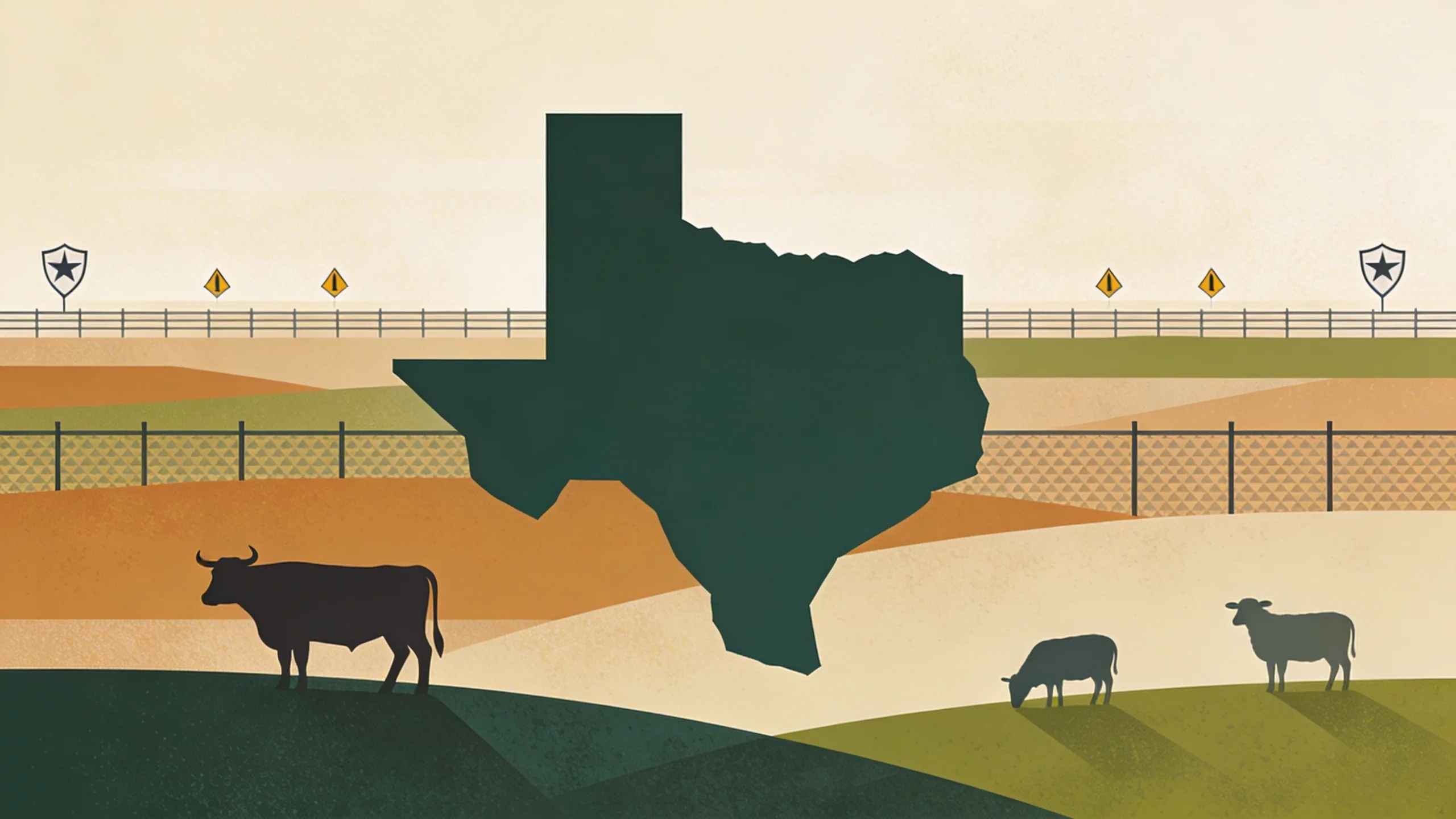
Texas shares a 1,254-mile border with Mexico and operates some of the busiest ports of entry in the country, making it one of the most vulnerable states for invasive pest introductions. Climate conditions across the state — from humid Gulf Coast to arid West Texas — allow a wide range of non-native species to establish permanent populations once they arrive. We track confirmed sightings, USDA quarantine zones, and Texas A&M AgriLife Extension advisories so you can identify threats early and take action before colonies establish.

Why Invasive Species Coverage Matters

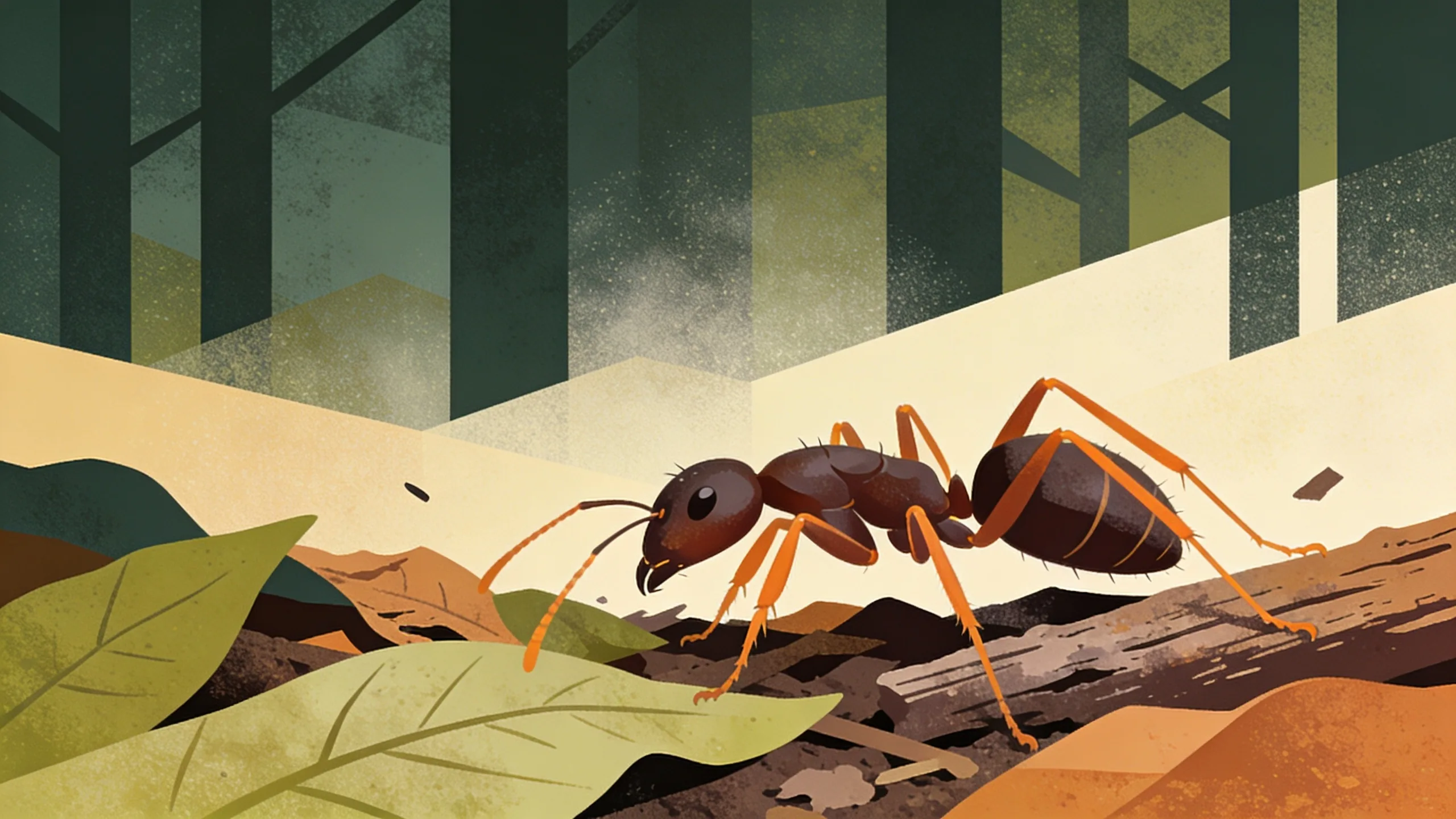
Invasive pests cause an estimated $120 billion in annual damage across the U.S., according to USDA APHIS. In Texas specifically, the Rasberry crazy ant (Nylanderia fulva) has caused millions in electrical infrastructure damage in the Houston metro area since 2002. The red imported fire ant costs Texas agriculture roughly $1.2 billion per year. Early detection and rapid response are critical — once an invasive species reaches reproductive threshold, eradication becomes exponentially more expensive and often impossible. Our coverage focuses on species with active spread patterns in or toward Texas, backed by data from USDA, Texas Parks & Wildlife, and peer-reviewed entomological research.

What We Cover

  • Confirmed sightings and USDA quarantine zone updates
  • Species identification guides with Texas-specific indicators
  • Spread patterns and predictive distribution modeling
  • Impact on agriculture, infrastructure, and native ecosystems
  • Regulatory responses — import restrictions, treatment mandates
  • Homeowner and property manager action steps

1 article in this category