
Technology

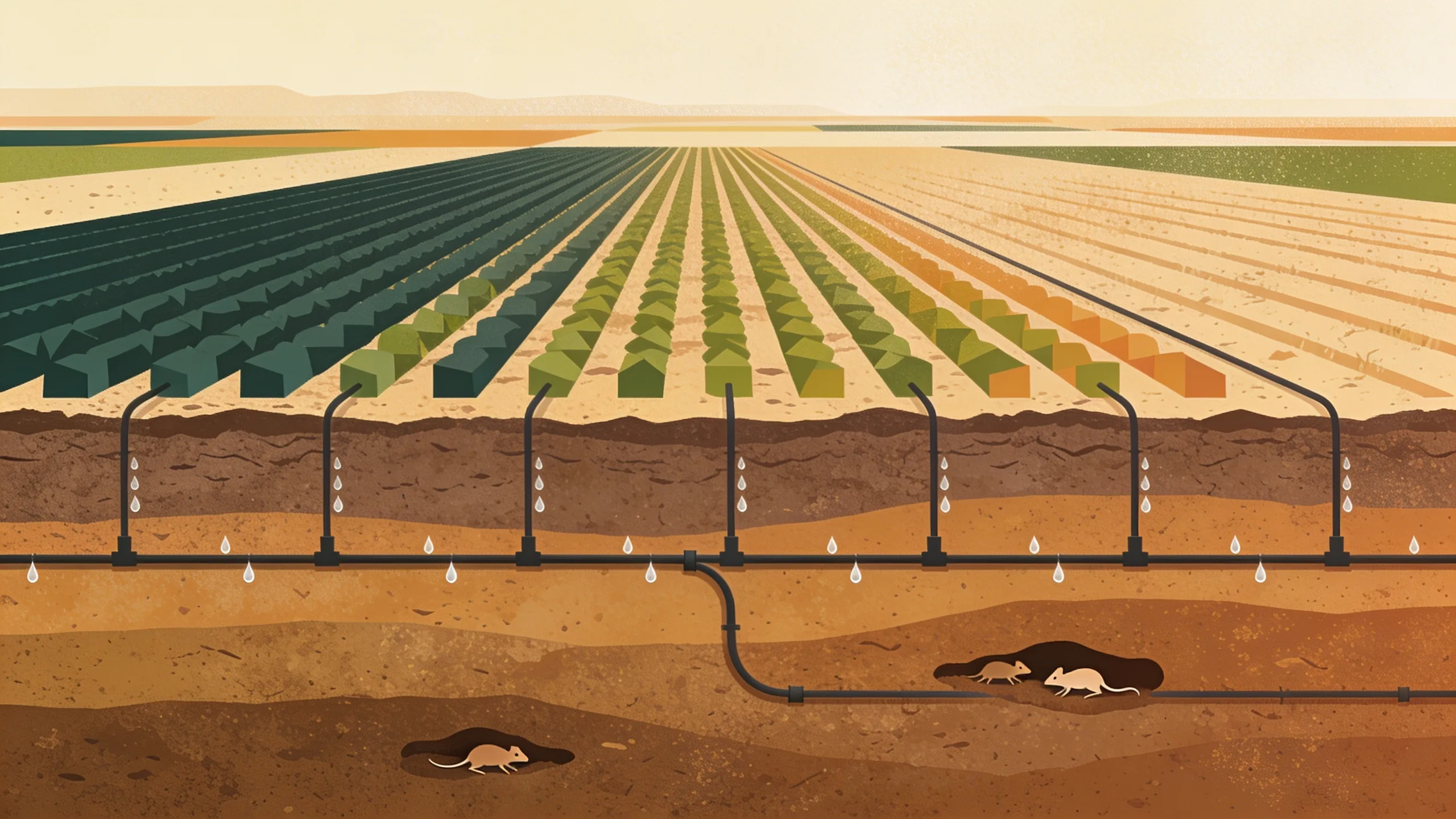
Pest control technology has advanced rapidly in the past decade. Remote monitoring systems using IoT sensors can now detect rodent activity, termite moisture signatures, and insect trap counts in real time — reducing unnecessary site visits and catching infestations earlier. Computer vision and AI-powered identification tools help both professionals and homeowners accurately identify species from photographs. Drone-based inspections allow surveyors to examine rooftops, tall structures, and large agricultural parcels without scaffolding or ladders. Meanwhile, new reduced-risk pesticide formulations and biological control agents are expanding IPM options. We cover the technologies reshaping how pest control is delivered in Texas and nationwide.

Why Technology Coverage Matters

Technology adoption in pest control directly affects service quality, cost, and environmental impact. IoT monitoring can reduce chemical applications by 30-50% by targeting treatment only when and where pest activity is confirmed, according to studies published in the Journal of Economic Entomology. Genetically engineered insect programs — like the USDA's sterile screwworm initiative — offer species-specific control without broad-spectrum pesticide use. For consumers, understanding available technology helps evaluate whether a pest control provider uses modern, evidence-based methods or relies on calendar-based blanket spraying. Our coverage translates research from university extension programs and peer-reviewed journals into practical assessments of what works, what's hype, and what's coming next.

What We Cover

  • IoT and remote monitoring systems for pest detection
  • AI-powered species identification and trap analytics
  • Drone inspection for structures and agriculture
  • New pesticide registrations and formulation advances
  • Biological control agents and biopesticide approvals
  • Integrated Pest Management methodology updates

1 article in this category