
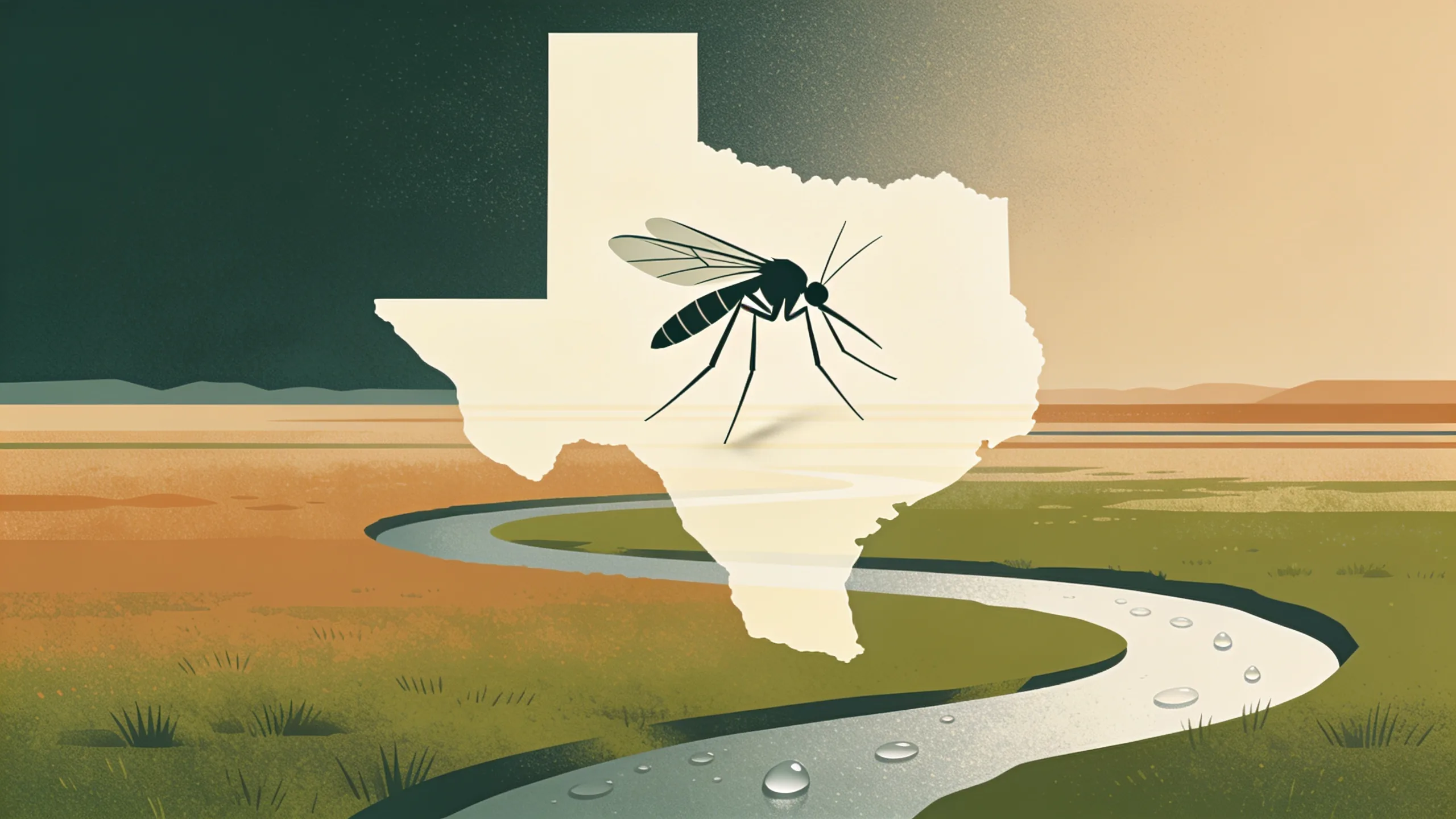
West Nile Virus Arrives in Wichita Falls: First Positive Mosquitoes Detected in North Texas
The Texas Department of State Health Services laboratory has confirmed that a pool of mosquitoes from Wichita Falls has tested positive for West Nile Virus, according to a city media release issued June 24. The detection marks the northernmost confirmed presence of the virus in Texas this season and signals what public health officials warn could be an active year for mosquito-borne disease across the state.
The infected mosquitoes were collected from traps maintained by the Wichita Falls-Wichita County Public Health District as part of its routine surveillance program. The positive pool came from Southwest Wichita Falls, though health officials emphasize that the virus is likely present throughout the area and residents should take precautions regardless of location.
"This first positive mosquito trap of the season is an early warning that West Nile virus is active in our area," said Jason Fritz, the health district's public health entomologist, in a statement to local media. The district has not received any reports of human infections this season, but the mosquito detection serves as a critical sentinel event.
What This Means for North Texas
Wichita Falls sits at the edge of the Cross Timbers ecological region, where prairie meets woodland and where the Culex mosquitoes that transmit West Nile find ample breeding habitat. The city's location along the Wichita River and its network of lakes—including Lake Wichita and Lake Arrowhead—create standing water conditions that favor mosquito reproduction, particularly after the wet spring much of Texas experienced.
The detection follows a pattern seen across Texas this June. From Montgomery County's first human case to positive mosquito pools in Williamson and Brazoria counties, West Nile has established itself statewide earlier than in some previous years. For North Texas residents, the Wichita Falls confirmation means vigilance is now essential from the Red River south through the Dallas-Fort Worth metroplex.
Prevention Measures
The Wichita Falls-Wichita County Public Health District has activated its standard response protocol, which includes increased trapping, targeted larvicide application in known breeding sites, and public education campaigns. Residents can access an interactive mosquito map at health.wichitafalls.gov showing sprayed areas and positive pool locations, with updates added as new data becomes available.
Health officials recommend the "Four Ds" approach to reducing mosquito exposure:
Dump and drain standing water weekly, wiping container sides where mosquitoes lay eggs above the waterline. Flower pots, pet bowls, rain barrels, children's toys, and tarps all serve as breeding habitat.
DEET—use EPA-approved insect repellent when outdoors, following label instructions for application and reapplication. Parents should consult pediatricians about appropriate repellent types and ages for young children.
Dress in long sleeves and pants when outside, particularly during yard work or outdoor sports that disturb vegetation where mosquitoes rest.
Dusk to dawn awareness—while some mosquito species feed throughout the day, Culex mosquitoes that carry West Nile are most active during early morning and evening hours.
About West Nile Virus
Most people infected with West Nile Virus experience no symptoms. Approximately 20 percent develop West Nile fever, with symptoms including headache, fever, muscle aches, and fatigue that typically resolve without medical intervention. Less than 1 percent of infected individuals develop neuroinvasive disease, which can cause meningitis, encephalitis, or acute flaccid paralysis and requires immediate medical attention.
Adults over 60 and those with compromised immune systems face elevated risk of severe disease. The Texas DSHS maintains surveillance data and updates on its website at dshs.texas.gov.
The Wichita Falls detection serves as a reminder that West Nile season in Texas typically runs from May through October, with peak transmission occurring during the hot summer months when mosquito populations surge. With temperatures climbing and rainfall patterns creating favorable breeding conditions, health officials across North Texas are urging residents to eliminate standing water and protect themselves from bites.
Sources
Texas Bug Slayers Editorial Team
Editorial Board
The Texas Bug Slayers editorial team brings together licensed pest control professionals, entomologists, and writers dedicated to helping Texans protect their homes and families from pests.
Related Articles

Arlington Sprays Two Nights for West Nile as Texas Case Count Reaches 46 at Season's Peak
Arlington crews sprayed two nights near Caliente Drive after a mosquito trap tested positive for West Nile, as CDC's Sept. 1 update put Texas at 46 human cases.
Denton County Reports First Neuroinvasive West Nile Case as Virus Spreads Across North Texas
Denton County confirms its first severe neuroinvasive West Nile virus case of 2026, marking the second human infection in the county as health officials urge prevention measures.
Tarrant County Reports First Human West Nile Case of 2026 — and It Is the Neuroinvasive Form
Tarrant County Public Health confirmed its first human West Nile case of the season on July 24, after 86 positive mosquito pools. Texas has doubled its case count in three weeks as spraying expands from Kingsville to Lake Jackson.