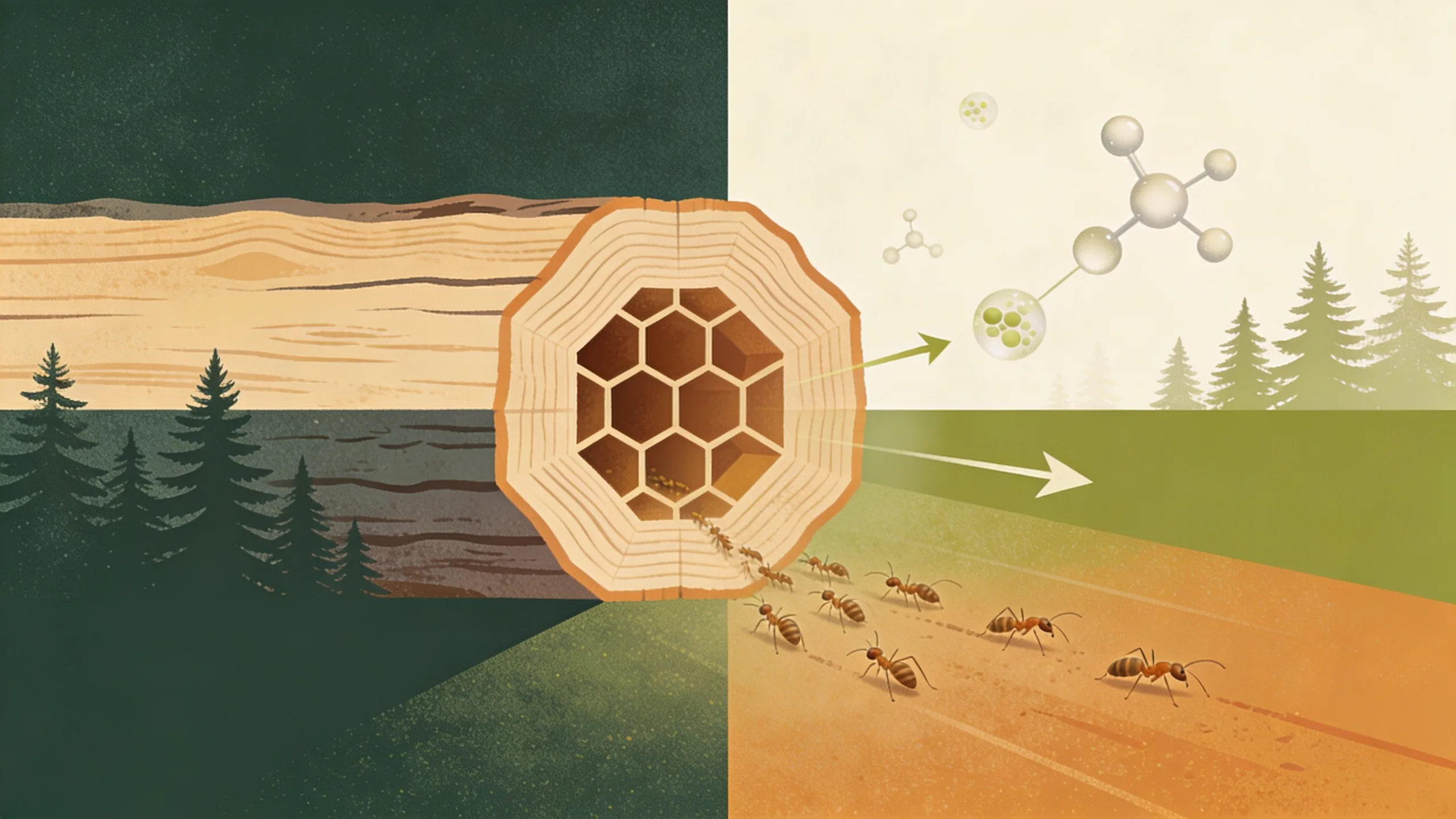
UC Riverside Scientists Develop Pinene-Based Method to Lure Termites to Their Death
New research shows a 95% success rate using pinene, a natural forest compound, to attract western drywood termites toward insecticide treatments.
The latest pest control news across Texas — invasive species alerts, health advisories, regulation changes, industry trends, and prevention tips from expert sources.
About this newsroom
New species alerts, spread tracking, and warnings about spotted lanternfly, crazy ants, Africanized bees, and other invasive pests in Texas.
Disease outbreaks, pesticide safety recalls, and public health advisories related to pests — West Nile, Chagas, dengue, Zika, and more.
New laws, EPA bans, TPCL licensing changes, tenant rights, company fines, and regulatory updates affecting pest control in Texas.
Mergers & acquisitions, IPOs, bankruptcies, new franchises, market trends, and workforce updates across the pest control industry.
Seasonal pest prevention advice, DIY methods, when to call a professional, and cost guides for Texas homeowners.
Drones, AI-powered traps, IoT monitoring, new pesticide formulations, IPM innovations, and organic pest control methods.

New research shows a 95% success rate using pinene, a natural forest compound, to attract western drywood termites toward insecticide treatments.

The Supreme Court heard arguments in Monsanto v. Durnell on April 27, 2026, in a case that could determine whether federal pesticide law preempts state failure-to-warn claims.

Texas A&M AgriLife Extension entomologist Robert Puckett shares science-backed methods for eliminating fire ant colonies, with treatments costing $25-35 per acre.

CDC issues early advisory as tick-borne disease ER visits reach highest levels since 2017. What Texas residents need to know about Lyme disease, prevention, and the emerging threat of alpha-gal syndrome.

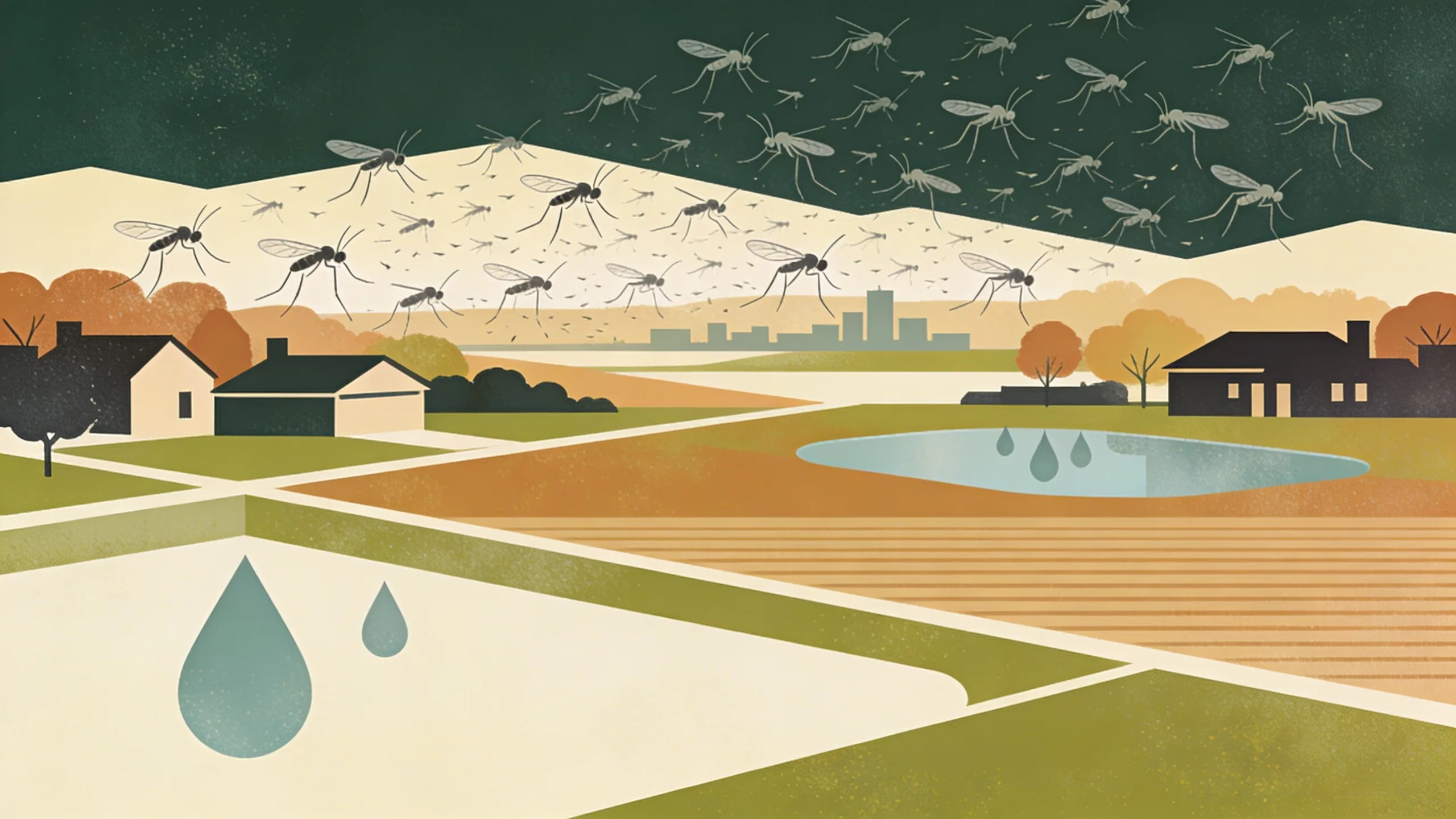
Environmental changes and shifting weather patterns are driving increased mosquito activity across North Texas, challenging traditional control methods.

Rapid urban development and shifting weather patterns drive raccoons, squirrels, and rodents into Texas homes. Wildlife experts urge proactive prevention.

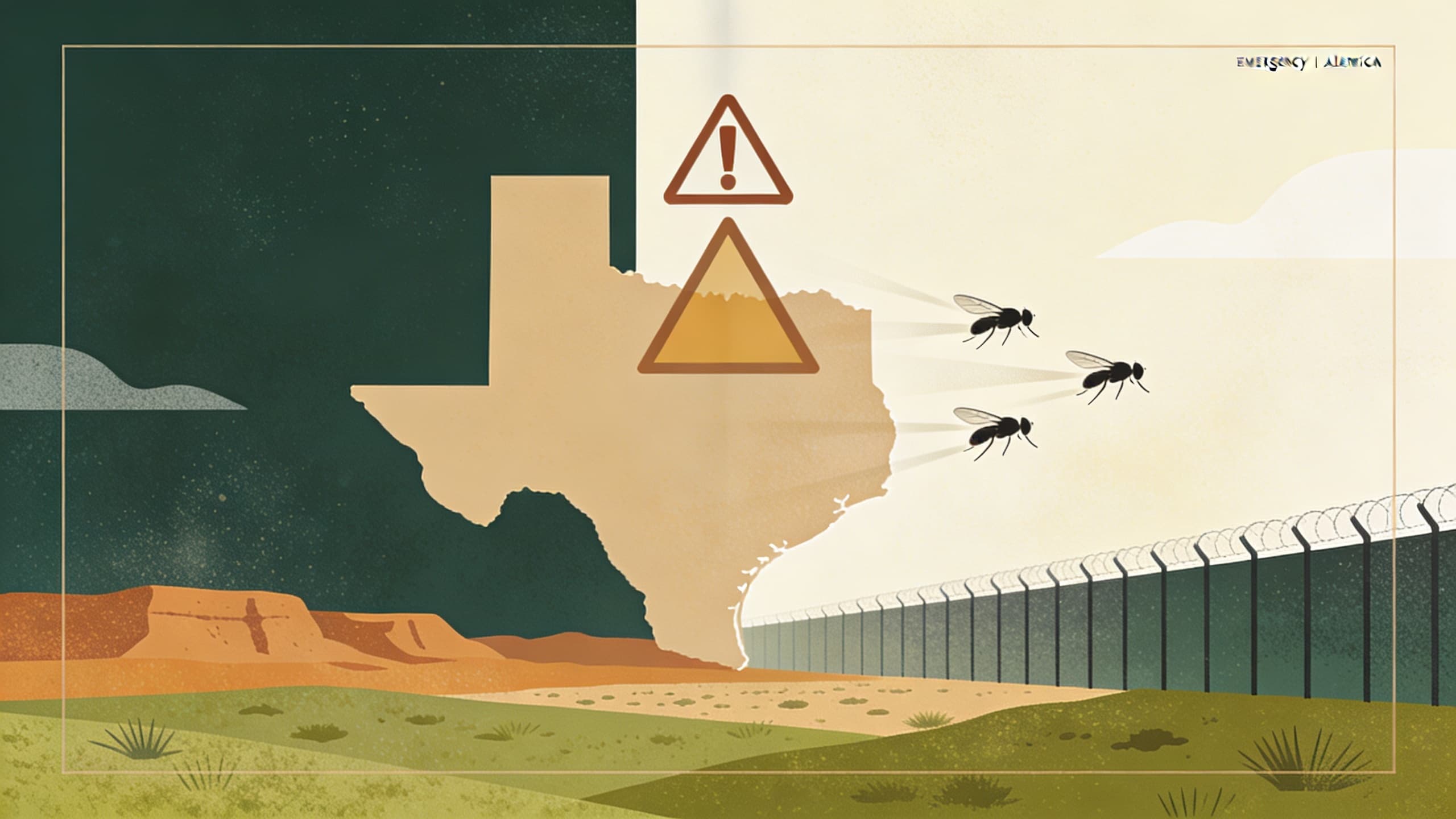
Texas Agriculture Commissioner Sid Miller sounds alarm after USDA confirms New World screwworm in Nuevo León, Mexico, only 60 miles from the Texas border.

EPA Administrator Lee Zeldin names four chemical industry representatives to the agency's Science Advisory Board, raising questions about scientific independence in pesticide regulation.

Rising temperatures trigger early mosquito activity in Brazos County, Texas. Health officials begin trapping and testing mosquitoes for West Nile virus as doctors urge preventive measures.
Texas has over 7,700 licensed pest control businesses and faces pest pressure year-round across its 254 counties. Regulations change, new species arrive, disease vectors shift patterns, and the industry itself is consolidating faster than most homeowners realize. Staying informed is not optional — it directly affects what treatments are available, what they cost, and whether your provider is operating legally.
We monitor primary sources that matter for Texas residents and pest management professionals: Texas Department of Agriculture enforcement actions and licensing updates, EPA Federal Register pesticide decisions, DSHS vector surveillance reports, USDA APHIS quarantine notices, CDC MMWR disease data, Texas A&M AgriLife Extension research, NPMA industry surveys, and SEC filings from publicly traded pest control companies. Every article links to its original source so you can verify the data independently.
Coverage is organized into six categories — each focused on a distinct area of pest control that affects Texas differently. Whether you are a homeowner checking if your county has a new mosquito-borne disease advisory, a property manager tracking regulation changes, or an industry professional following market consolidation, you can go directly to the category that matters to you.

How often is this newsroom updated?
New articles appear whenever primary-source Texas pest news warrants coverage — typically several per month during peak pest seasons (spring and fall) and fewer during the summer and winter lulls. The full archive plus category filters is available here.
Can I subscribe?
Yes. There is an RSS feed at /news/feed.xml and a Google News sitemap at /sitemap-news.xml for aggregators. No paid subscription, no email signup required.
Do you publish sponsored or paid content?
No. This newsroom does not accept sponsored articles, paid placements, advertorials, or press-release reprints. Any commercial relationship in the future will be clearly disclosed at the top of the affected article.
How do I report a correction or tip?
Email info@texasbugslayers.com with the article URL, the specific claim in question, and a link to an authoritative source. Corrections are published (not silently edited) and the article is updated with a note and revised date.