
West Nile Virus Detected in Travis County as Austin Faces Surge in Mosquito Activity
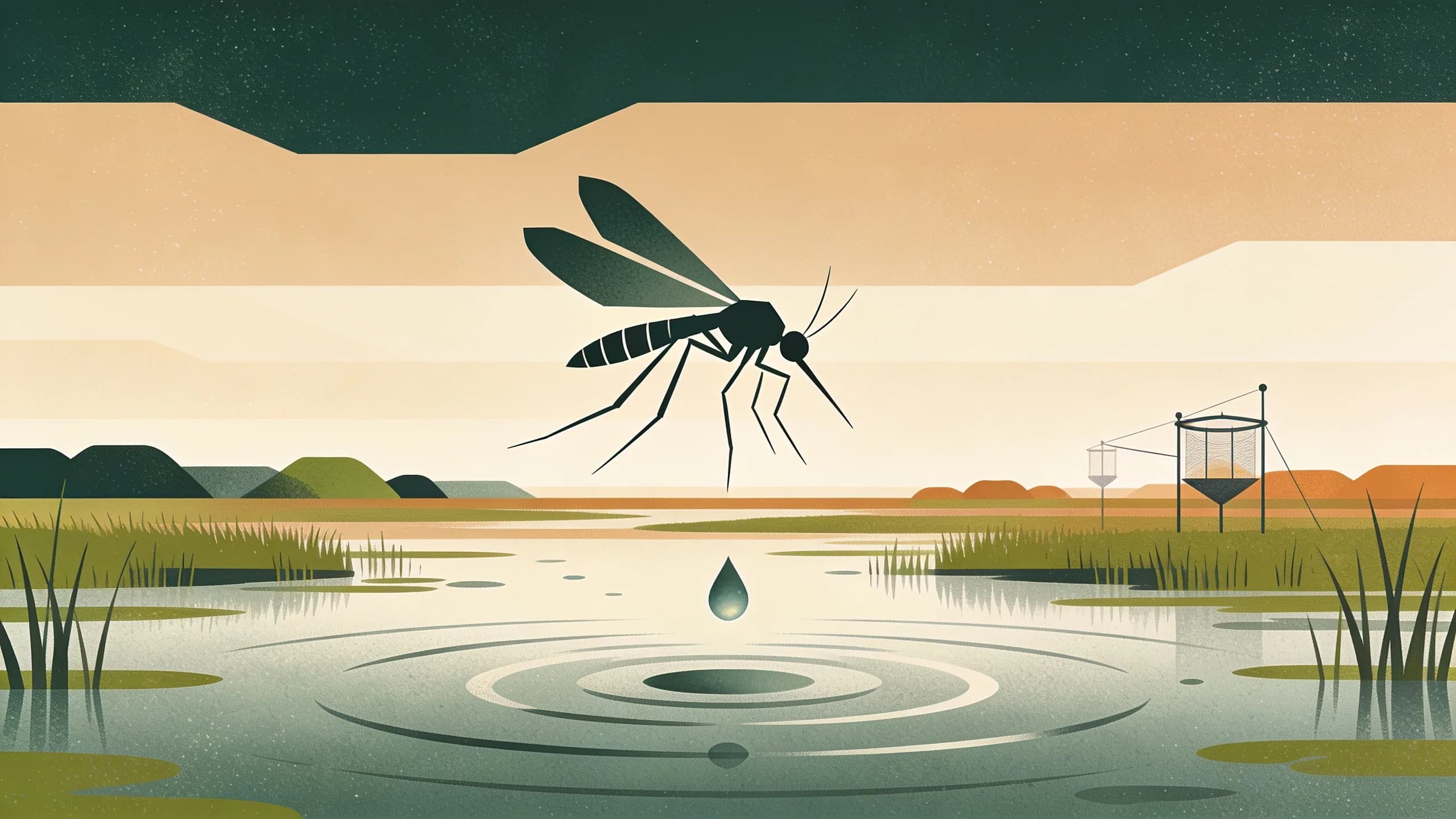
Austin Public Health has identified the first West Nile virus-positive mosquito pool of the 2026 season in Travis County, confirming what entomologists have been warning about for weeks: this year's mosquito population is unusually active.
The positive sample was collected in the 78733 zip code, which covers parts of western Austin including the Westlake area. While no human cases have been reported in Travis or Williamson counties, Texas has already confirmed two human infections this year—both in the Houston area.
"The weather we've seen this year has been a perfect storm for mosquito breeding," said Todd Mers, program manager at Austin Public Health's Environmental Vector Control Unit. "With this increased mosquito activity, we need to take precautions anytime we're outside."
Why This Season Is Different
Austin's mosquito problems this year trace back to a combination of meteorological factors that created near-ideal breeding conditions. A mild winter with fewer hard freezes allowed more adult mosquitoes and dormant eggs to survive into spring. Then came the rains.
"We have seen a bit more of an uptick with mosquitoes than normal because we have had some great rain," explained Aaron Urbanek, a senior health officer with the city's vector control team. "Some of the places that would normally dry out are staying with stagnant water for longer periods of time, which is a great breeding ground."
Urbanek's team deploys approximately 30 mosquito traps across Austin each week, collecting samples that are sent to the Texas Department of State Health Services laboratory for testing. The surveillance program monitors for West Nile virus, St. Louis encephalitis, and Eastern equine encephalitis.
Despite the higher mosquito numbers, disease activity remains within typical ranges so far. "We have seen some West Nile activity, but I wouldn't say there's anything too concerning at this point," said Bethany Bolling, manager of the zoonotic virology group at DSHS. "It remains to be seen how the season plays out, if we are going to see an increase in virus activity because of increased numbers of mosquitoes that we're seeing."
Understanding the Risk
West Nile virus is the most common mosquito-borne disease in the United States. The Culex mosquito species that transmits the virus is most active during dawn and dusk hours.
Approximately 20% of infected individuals develop symptoms, which can include fever, headache, body aches, joint pain, vomiting, diarrhea, or rash. Less than 1% develop serious neuroinvasive disease affecting the central nervous system. Those over 60 and individuals with compromised immune systems face the highest risk of severe complications.
"There can be a lot of people who get bit with a mosquito and actually get infected with West Nile virus, but they will be asymptomatic," Bolling noted. "Less than 1% of people who get infected will actually have a more severe response."
Last year, Travis County recorded 41 West Nile-positive mosquito pools and five human cases among Austin-Travis County residents.
The Four Ds of Protection
Austin Public Health continues to promote its "Four Ds" prevention framework:
Drain standing water where mosquitoes breed. The insects need as little as one teaspoon of water to lay eggs. Common breeding sites include clogged rain gutters, flower pot saucers, children's toys, tires, and buckets.
Dusk to dawn awareness matters. The Culex mosquitoes that carry West Nile are most active during these hours. Limit outdoor exposure when possible, or take extra precautions if you must be outside.
Dress appropriately. Long pants and long sleeves reduce exposed skin. Light-colored, loose-fitting clothing is most effective.
Defend with EPA-registered repellents. Products containing DEET, picaridin, IR3535, oil of lemon eucalyptus, para-menthane-diol, or 2-undecanone provide reliable protection. Apply to both exposed skin and clothing.
"The biggest one, the one that we ask for the biggest help with within the community, would be draining," Urbanek emphasized. "A lot of times people want to point to a creek and say that's where some of the mosquitoes are coming from. But a lot of times, they're just homegrown mosquitoes right in someone's backyard."
Mosquito season in Central Texas typically runs from May through November, with peak activity during the summer months. Residents can report mosquito concerns or request additional information through Austin Public Health's Environmental Vector Control Unit.
Sources
Texas Bug Slayers Editorial Team
Editorial Board
The Texas Bug Slayers editorial team brings together licensed pest control professionals, entomologists, and writers dedicated to helping Texans protect their homes and families from pests.
Related Articles
Why Mosquito Season in North Texas Is Getting Harder to Manage
Environmental changes and shifting weather patterns are driving increased mosquito activity across North Texas, challenging traditional control methods.

Brazos County Health District Activates Mosquito Surveillance as West Nile Season Begins
Rising temperatures trigger early mosquito activity in Brazos County, Texas. Health officials begin trapping and testing mosquitoes for West Nile virus as doctors urge preventive measures.
Arlington Sprays Two Nights for West Nile as Texas Case Count Reaches 46 at Season's Peak
Arlington crews sprayed two nights near Caliente Drive after a mosquito trap tested positive for West Nile, as CDC's Sept. 1 update put Texas at 46 human cases.