
EPA Declares War on Smuggled Pesticides, Names China as Top Source
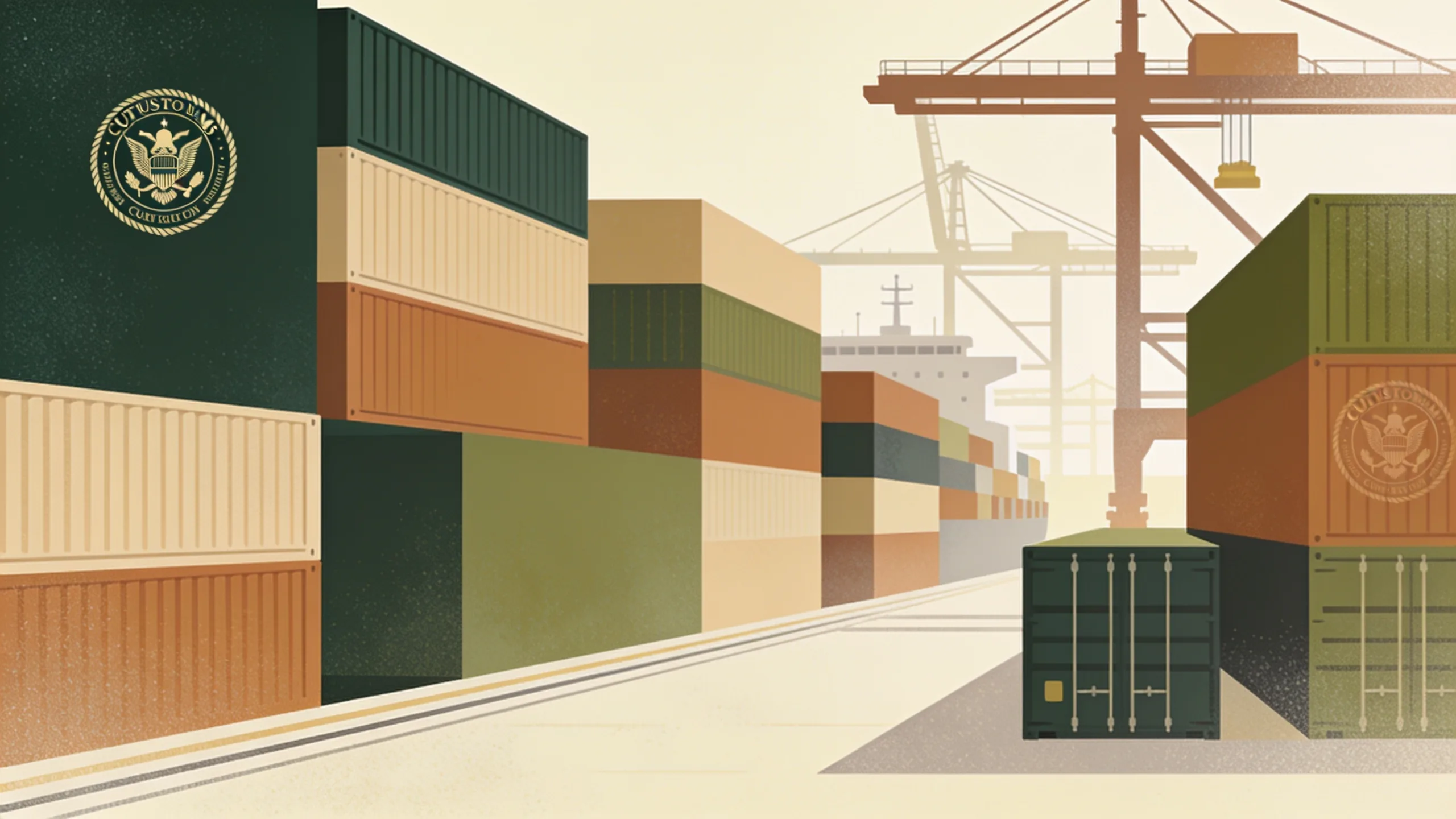
Standing before a mountain of confiscated chemical containers at the Port of Los Angeles, EPA Administrator Lee Zeldin delivered an unequivocal message to anyone trafficking illegal pesticides into the United States: the free ride is over.
The Thursday announcement marked a significant escalation in the agency's enforcement posture, with Zeldin specifically calling out China as the number one source of smuggled pesticide products attempting to enter American ports. The contraband, often bearing counterfeit labels and unregistered active ingredients, represents both an economic threat to legitimate manufacturers and a genuine public health hazard.
"These aren't just paperwork violations," Zeldin told reporters, gesturing toward pallets of seized products. "These are unknown chemicals, untested formulations, being sold to American farmers and consumers under false pretenses."
The scope of the problem has grown substantially in recent years. Customs and Border Protection agents have intercepted thousands of shipments containing unregistered pesticides, many marketed through e-commerce platforms with claims of being "natural" or "organic" alternatives to regulated products. In reality, these smuggled chemicals often contain restricted or banned active ingredients that can contaminate soil, harm beneficial insects, and pose risks to human health.
The EPA's intensified focus comes as the agency coordinates more closely with CBP to identify high-risk shipments before they reach domestic markets. Under the Federal Insecticide, Fungicide, and Rodenticide Act, all pesticides sold in the United States must undergo rigorous testing and registration—a process that smugglers routinely bypass.
For Texas agriculture, the implications are particularly acute. The state's vast farming operations, from the Rio Grande Valley to the Panhandle, rely on legitimate pest control products to protect billions of dollars in annual crop production. Counterfeit pesticides not only fail to deliver promised protection but can leave residues that complicate export compliance and damage market access.
The crackdown also addresses a growing concern among licensed pest control operators who find themselves competing against unlicensed applicators using cheap, illegal products. The economic distortion creates a race-to-the-bottom dynamic that undermines the professional standards Texas has worked to maintain through its robust licensing system.
Zeldin's announcement included a warning to online marketplaces that have served as distribution channels for smuggled products. The EPA indicated it would pursue enforcement actions against platforms that fail to verify seller compliance with federal pesticide laws, potentially exposing major e-commerce companies to significant liability.
The initiative represents a rare area of bipartisan consensus in environmental policy—protecting American consumers and businesses from fraudulent chemical products. For an agency often caught between competing political pressures, the pesticide smuggling crackdown offers a clear enforcement win with tangible benefits for public health and agricultural integrity.
As inspection protocols tighten at ports of entry, the message to would-be smugglers grows increasingly stark: the cost of getting caught now far exceeds any potential profit from peddling counterfeit chemicals in the American market.
Sources
Texas Bug Slayers Editorial Team
Editorial Board
The Texas Bug Slayers editorial team brings together licensed pest control professionals, entomologists, and writers dedicated to helping Texans protect their homes and families from pests.
Related Articles

EPA Adds 60 Days to Glyphosate Comment Window, Pushing the Review Into 2027
A Federal Register notice published Sept. 28 extends public comment on EPA's glyphosate literature search to Nov. 23, stretching a review Texas growers watch closely.

EPA Unveils New Alternatives to Animal Testing for Pesticide Safety Reviews
EPA announces two major scientific advancements to eliminate mammalian animal testing by 2035, introducing new framework for surfactants and GHS mixtures equation for pesticide risk assessment.

EPA Opens Glyphosate Review for Public Comment as Texas Agriculture Faces Pivotal Weedkiller Decision
EPA seeks peer-reviewed studies on glyphosate health effects through September 24, 2026, as the agency updates its human health risk assessment for the world's most widely used herbicide.