
Fall Cricket Invasion in Texas: Why They're Swarming and How to Keep Them Out
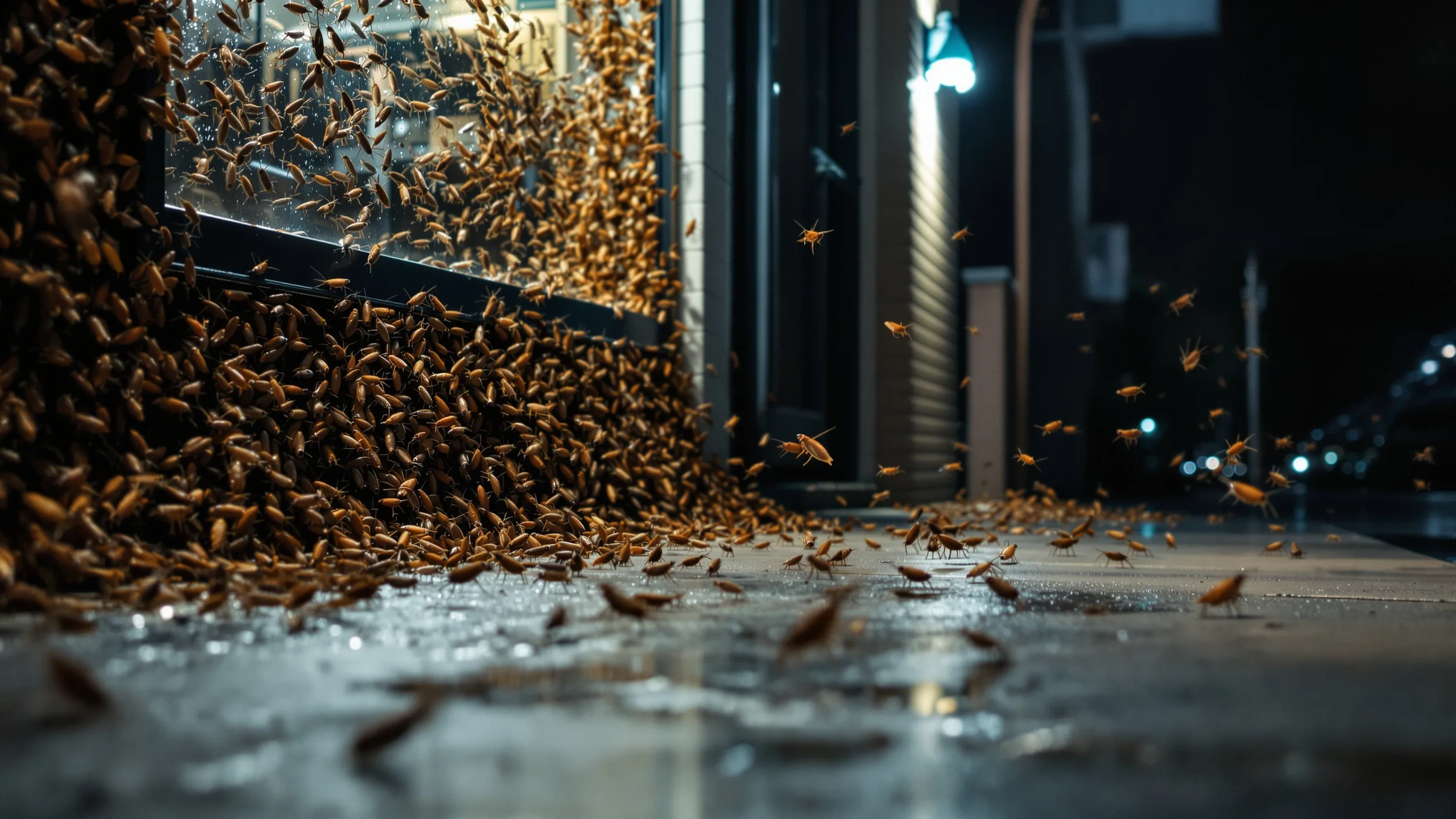
It's the most Texas thing about late September: you pull into a gas station after a rain and the wall under the floodlights is alive — hundreds of field crickets, shoulder to shoulder, hopping across the pavement and pinging off your windshield. Porch lights, storefront signs, drive-through windows — anywhere with bright light gets its own moving carpet.
Field cricket swarms are the one fall invasion most Texans greet with a laugh and a photo. But the same swarm that looks funny at the gas station is a genuine problem when it piles up against your front door — because what follows the crickets is a lot less amusing.
Why September and October?
Texas field crickets spend spring and summer as nymphs, maturing in fields, vacant lots, and roadside grass. By late summer the adults are everywhere, and two triggers send them moving in mass.
Rain. A good September soaking after a dry summer floods them out of low ground and concentrates survivors on anything dry — including your foundation and doorstep.
Cool nights and light. The first fronts that drop nights into the 60s push crickets toward warmth, and adults are strongly drawn to bright light. A brightly lit building is both a beacon and a warm wall, which is why swarms stack up in exactly the same spots every year.
The result is a swarm season that typically runs from the first good fall rains in September through October — sometimes longer in South Texas, where nights stay warm.
Nuisance or Actual Problem?
Let's be honest about the crickets themselves.
Noise. A few males chirping in the walls will keep a light sleeper up all night, and they are maddeningly hard to locate.
Smell. This is the real one. Crickets die in huge numbers — in wall voids, behind signage, in window tracks — and a few hundred decomposing crickets produce a smell you will not forget. Exclusionists rank dead-cricket odor among the worst smells in the business.
Damage. Minor but real: large numbers of crickets will chew fabric, paper, and soiled clothing, and dead crickets stain carpets and upholstery.
But here's the bigger issue: a cricket swarm is a dinner bell. Striped bark scorpions hunt crickets actively and will follow them right up to — and under — your door, especially across Central Texas and the Hill Country. Wolf spiders and black widows set up around the same buffet. Control the crickets and you cut the predator pressure at the same time.
The Light Fix
Light management is the single most effective cricket control there is — more than any spray.
- Swap white exterior bulbs for yellow "bug light" or sodium-vapor bulbs — crickets are far less attracted to them
- Move fixtures off the building where possible; a light on a pole 20 feet out draws the swarm away from doors and walls
- Shield and aim fixtures downward so light hits the ground, not the sky and the wall
- Turn off non-essential exterior lights between 10 p.m. and 2 a.m., the peak flight window on swarm nights
- Close blinds or curtains at dusk — interior light leaking through glass pulls crickets to windows and doors
Seal and Sweep
Once the swarm arrives, the game is keeping them outside and clearing the ones that pile up.
- Install door sweeps and repair thresholds — you should see zero daylight under any exterior door; crickets flatten and slide under surprisingly small gaps
- Cover weep holes with purpose-made inserts that block pests but still drain — open weep holes are a direct line into wall voids (and into the smell problem)
- Caulk gaps around windows, utility lines, and where siding meets the foundation
- Vacuum crickets, don't crush them — crushed crickets smell immediately; a shop vac handles hundreds in minutes
- Rake leaf litter, grass clippings, and debris away from the foundation — that's cricket shelter and nursery ground right at your wall
- Empty the vacuum outdoors and away from the house, or bag and trash the catch
The same sealing work doubles as your broader fall defense — our fall pest-proofing checklist walks the full perimeter, and the same gaps that admit crickets are exactly how fall rodents get in a few weeks later.
Why Businesses Get Hit Worst
If the worst cricket photos you see are always gas stations, pharmacies, and restaurants, there's a reason: commercial buildings run bright signage and all-night lighting exactly when crickets are flying. A lit storefront on a humid September night is essentially a cricket magnet, and swarms pile against doors, clog entryways, and die in door tracks and display windows.
For Texas businesses, the playbook is the same as the light fix above, at scale: sodium or yellow-LED parking lot and wall-pack lighting, motion-sensor or timer control on non-essential fixtures, nightly vacuuming during swarm weeks, and door sweeps on every entrance — including the delivery door nobody thinks about. It's a two- or three-week problem each fall, and the fixes are cheap.
When Does It End?
Field cricket season ends the way it began: with weather. The first hard cold snaps — sustained nights in the 40s, and especially the first freeze — collapse adult populations fast. In North Texas that's often late October into November; along the Gulf Coast and in South Texas it can run into December in a warm year.
Until then, treat each post-rain humid night as a swarm night: lights managed, doors swept, vacuum charged. If you're not sure what just hopped into your garage — field crickets, house crickets, and camel crickets get confused constantly — our pest identification guide can help, and the overwintering pests guide covers everything else lining up to move in behind them.
Enjoy the spectacle at the gas station. Just don't invite it home.
Sources
Texas Bug Slayers Editorial Team
Editorial Board
The Texas Bug Slayers editorial team brings together licensed pest control professionals, entomologists, and writers dedicated to helping Texans protect their homes and families from pests.
Related Articles
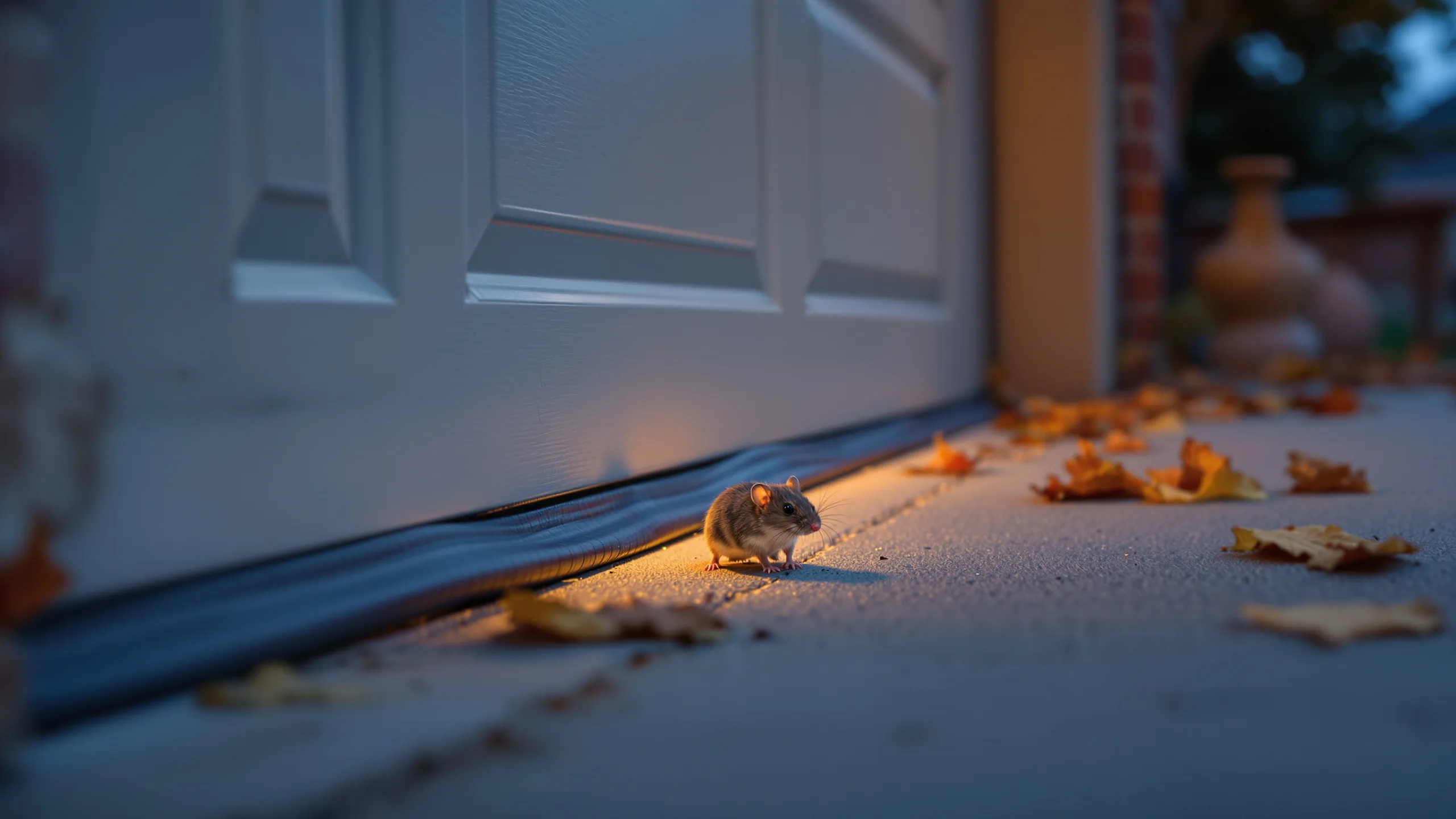
Where Texas Pests Go in Winter: The Complete Overwintering Guide
Texas winters don't kill pests — they relocate them into your walls. Where each pest overwinters, the month-by-month timeline, and how to shut your home down.
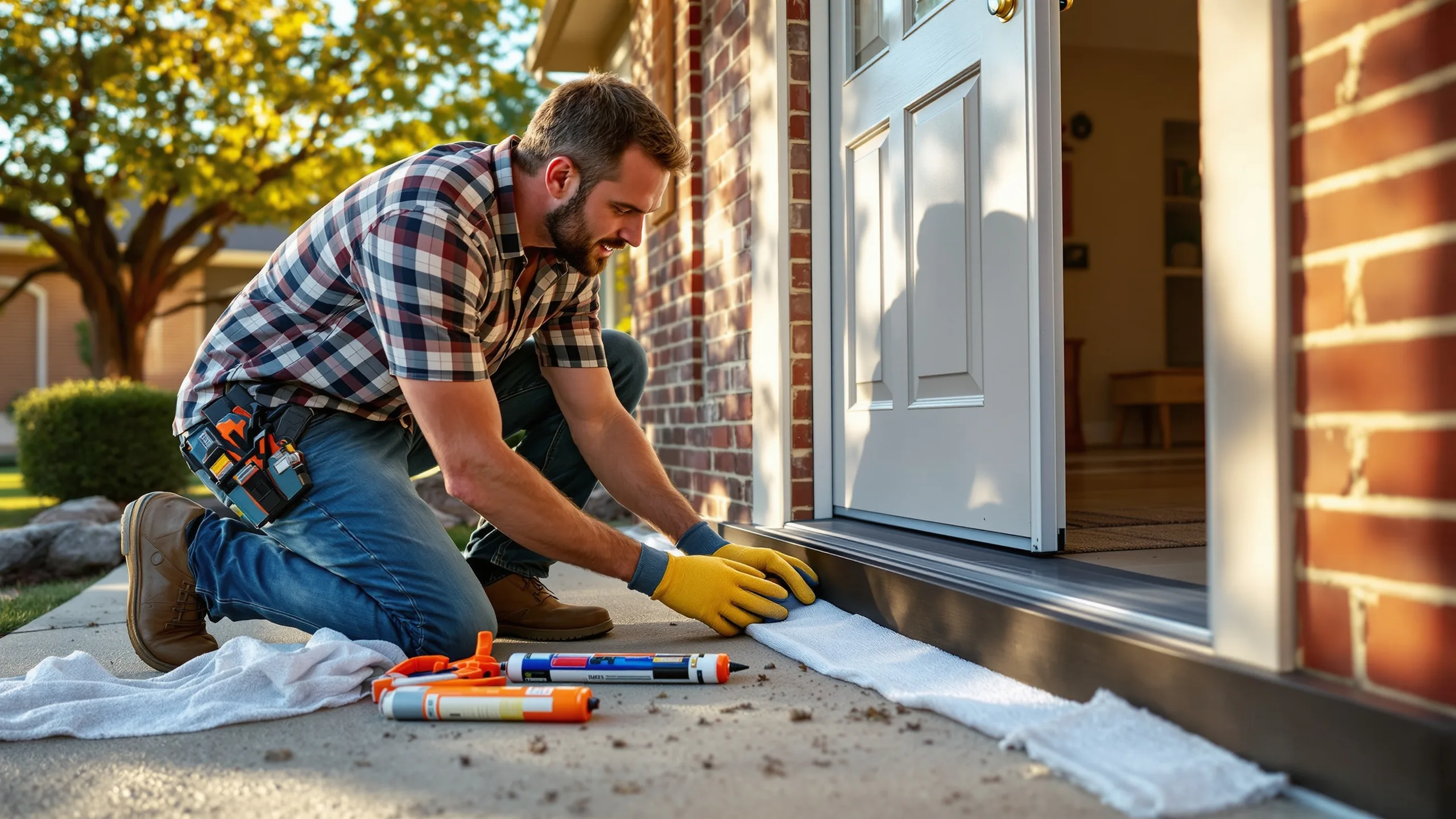
Texas Fall Pest-Proofing Guide: The Complete Homeowner Checklist for 2026
Rodents, roaches, scorpions, and spiders move indoors as Texas cools down. Use this fall pest-proofing checklist to seal your home before they settle in.

Texas Termite Swarm Season: What Homeowners Need to Know in 2026
Spring termite swarms are peaking across Texas. Learn how to identify winged termites, protect your property, and when to call a professional.