

Texas Termite Swarm Season: What Homeowners Need to Know in 2026
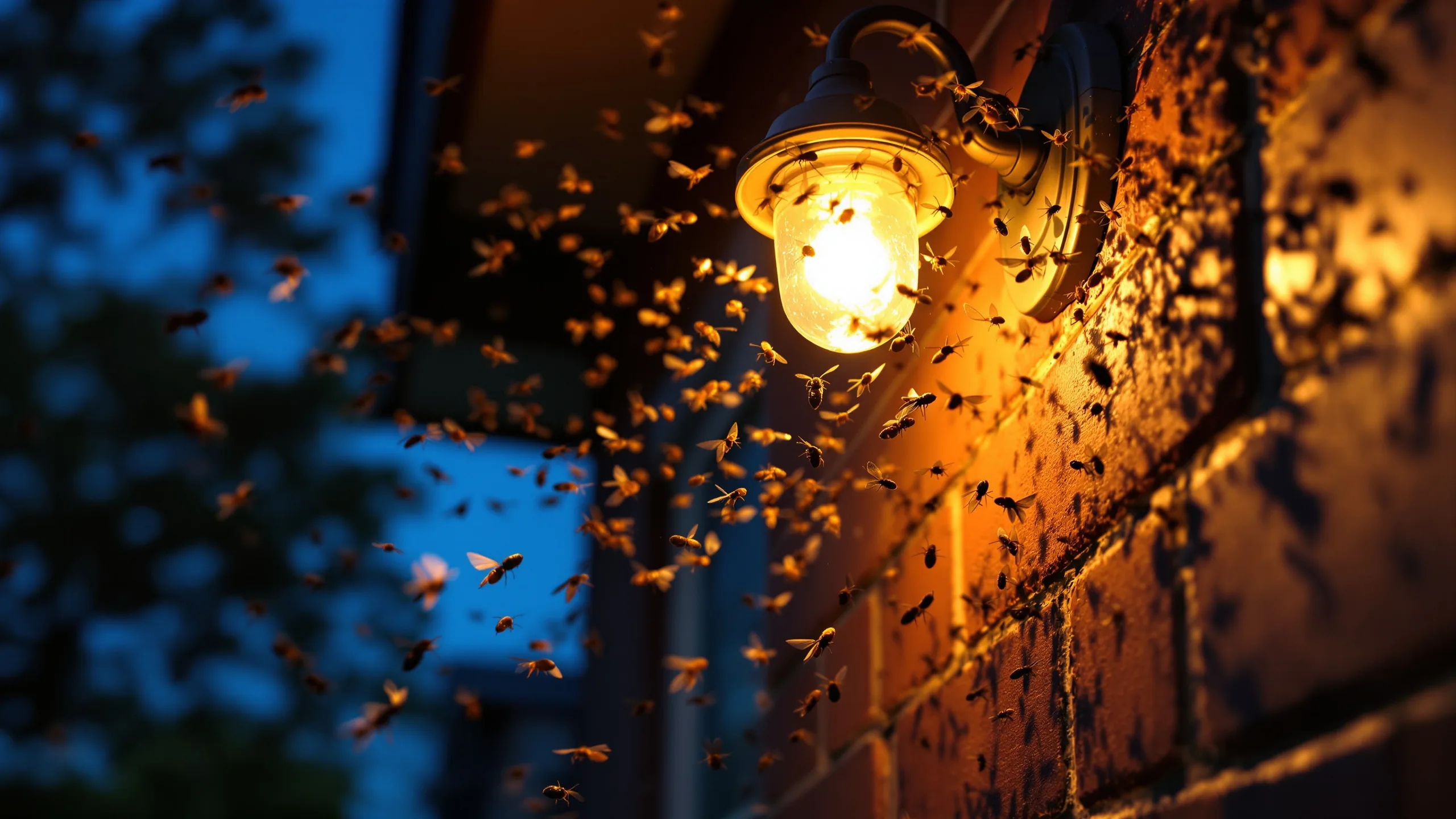
The unmistakable signs are appearing across Texas: discarded wings on window sills, swarming insects around porch lights, and homeowner anxiety about what comes next. Termite swarm season has arrived with full force, and pest control professionals report activity peaking earlier than usual this year due to an unusually warm spring.
Subterranean termites, the species responsible for the vast majority of structural damage in Texas, typically begin swarming between February and May. This year's mild winter and early rainfall have compressed the timeline, with many Central Texas communities reporting heavy swarming activity beginning in late March and continuing through April.
Understanding what you're seeing—and what to do about it—can mean the difference between a minor nuisance and a five-figure repair bill.
What Termite Swarms Actually Mean
A termite swarm represents a colony's reproductive phase. When a mature colony reaches sufficient size, typically after three to five years of growth, it produces winged reproductives called alates. These alates emerge in coordinated flights, pair off, shed their wings, and attempt to establish new colonies.
The swarms themselves do not cause structural damage. Alates have no chewing mouthparts and cannot eat wood. However, their presence signals that a mature, established colony exists nearby—either on your property or in the immediate vicinity. That colony, and the new colonies that successful alate pairs establish, pose the real threat.
Swarming typically occurs on warm, humid days following rainfall. In Texas, peak activity generally falls between 10 a.m. and 3 p.m., though some species swarm at dusk. The insects are attracted to light, which explains why homeowners often find them congregating around windows, doors, and outdoor fixtures.
Identification: Termites vs. Ants
Mistaking flying ants for termites, or vice versa, is a common and potentially costly error. The two share similar sizes and swarm timing, but several key differences enable reliable identification.
Termite alates display straight, bead-like antennae and a broad waist with no constriction. Their two pairs of wings are equal in length and extend well past the abdomen. The overall body shape appears rectangular rather than segmented.
Flying ants, by contrast, have elbowed antennae and a distinctly narrow waist between the thorax and abdomen. Their forewings are noticeably longer than their hindwings, and their bodies show clear segmentation. Ants also tend to move with a more erratic, darting flight pattern compared to termites' slower, hovering movement.
If you capture specimens, examine the wings under magnification. Termite wings display numerous fine veins forming a complex network, while ant wings show simpler venation patterns. When in doubt, place specimens in a sealed container and contact a pest management professional for confirmation.
The Texas Termite Landscape
Three primary termite species threaten Texas structures. The Eastern subterranean termite (Reticulitermes flavipes) dominates East and Central Texas, while the Formosan subterranean termite (Coptotermes formosanus) maintains established populations in the Houston area and continues expanding its range westward. The Western subterranean termite (Reticulitermes hesperus) appears sporadically in West Texas.
The Formosan species deserves particular attention. Often called the "super termite," Formosan colonies can grow to millions of individuals—ten times the size of typical Eastern subterranean colonies. They cause damage more rapidly and can establish aerial colonies that do not require ground contact, making them harder to detect and control.
Texas A&M AgriLife Extension estimates that termites cause over $500 million in structural damage annually across the state. The warm, humid climate that makes Texas attractive to residents also creates ideal conditions for termite colonies to thrive year-round, with activity slowing but not ceasing during winter months.
Immediate Steps for Homeowners
Discovering a termite swarm inside your home requires prompt action, but panic serves no purpose. Start by containing the swarm if possible—close doors to prevent spread, vacuum up visible insects and discarded wings, and note the location where swarmers emerged.
The emergence point matters significantly. Swarmers entering from outside, clustering around windows, and failing to establish themselves indoors typically indicate an outdoor colony conducting normal reproductive activity. Swarmers emerging from interior walls, baseboards, or expansion joints suggest an active infestation within the structure itself.
Document everything with photographs. Capture images of the insects, the wings they shed, and the locations where activity occurred. This documentation helps pest control professionals assess the situation and provides valuable evidence if treatment becomes necessary.
Do not disturb visible mud tubes or damaged wood. Termites are sensitive to environmental changes, and disturbing their foraging tunnels can cause them to retreat to inaccessible areas, making detection and treatment more difficult.
Professional Inspection and Treatment
Annual termite inspections represent the most cost-effective protection for Texas homeowners. Professional inspectors examine foundation perimeters, crawl spaces, attics, and interior spaces for signs of activity. They utilize moisture meters, probing tools, and sometimes infrared cameras to identify hidden infestations.
Modern termite treatments fall into two broad categories: liquid soil barriers and baiting systems. Liquid treatments create a chemical barrier between the soil and the structure, preventing subterranean termites from accessing the building. Non-repellent formulations allow termites to pass through treated soil, carrying the active ingredient back to the colony and achieving elimination over time.
Baiting systems place cellulose-based monitoring stations around the structure perimeter. Technicians inspect these stations regularly, replacing monitoring cartridges with active bait when termite activity is detected. The foraging termites consume the bait and share it with colony members, gradually eliminating the entire population.
Both approaches have proven effective in Texas conditions. The optimal choice depends on construction type, soil conditions, and the presence of existing infestations. Many homeowners combine both methods for maximum protection.
Prevention Strategies
Structural modifications can significantly reduce termite risk. Start by eliminating wood-to-soil contact. Fence posts, deck supports, and landscaping timbers should use concrete or metal barriers to prevent direct contact between wood and soil. Firewood, lumber, and wooden debris should be stored off the ground and away from the foundation.
Moisture management proves equally important. Termites require moisture to survive, and damp conditions near the foundation create attractive foraging environments. Ensure gutters direct water well away from the structure, grade soil to promote drainage, and repair leaking faucets or irrigation systems promptly.
Landscaping choices affect termite pressure as well. Avoid planting shrubs or dense vegetation directly against the foundation, as these trap moisture and provide concealed access points. Maintain at least six inches of clearance between soil level and wooden siding, and consider using termite-resistant materials for mulch in foundation beds.
When to Act
The economics of termite control heavily favor prevention over remediation. A typical preventive treatment costs between $800 and $2,000 depending on structure size and treatment type. Repairing termite damage can easily exceed $10,000, with severe infestations causing structural damage requiring six-figure repairs.
Texas homeowners who have not had a professional termite inspection within the past year should schedule one immediately. Those observing swarm activity should contact a pest management professional for evaluation, even if the swarm appears to have passed. The colony that produced the swarm remains active, and early intervention prevents the exponential damage growth that occurs as colonies mature.
Spring swarm season will continue through May in most Texas regions. The winged invaders you see today represent colonies that began years ago. The colonies that today's swarmers establish will threaten structures years from now. Breaking this cycle requires vigilance, professional expertise, and the understanding that in Texas termite country, prevention isn't optional—it's essential home maintenance.
More Seasonal Guides for Texas Homeowners
- Texas Fall Pest-Proofing Guide: The Complete Homeowner Checklist for 2026 — seal out rodents, roaches, and scorpions before the first cold front.
- West Nile Virus in Texas: The 2026 Peak Season Protection Guide — protect your family during the most intense West Nile season in two decades.
Sources
Texas Bug Slayers Editorial Team
Editorial Board
The Texas Bug Slayers editorial team brings together licensed pest control professionals, entomologists, and writers dedicated to helping Texans protect their homes and families from pests.
Related Articles
Formosan Termite Swarm Season Arrives Early Across the Gulf South
Warm temperatures and rising humidity trigger early Formosan termite swarming season. Texas homeowners face heightened risk from the 'super termite' that causes billions in annual damage.
Drywood Termite Swarm Season in Texas: What Those Winged Bugs Mean and What to Do in the First 24 Hours
Late summer through fall is drywood termite swarm season in Texas. How to tell swarmers from flying ants, what a swarm indoors really means, and your first-24-hours action plan.

Termite Swarm Season Arrives in Southeast Texas: What Homeowners Need to Know
Southeast Texas enters peak termite swarm season. Pest control experts share prevention tips and warning signs for homeowners.