
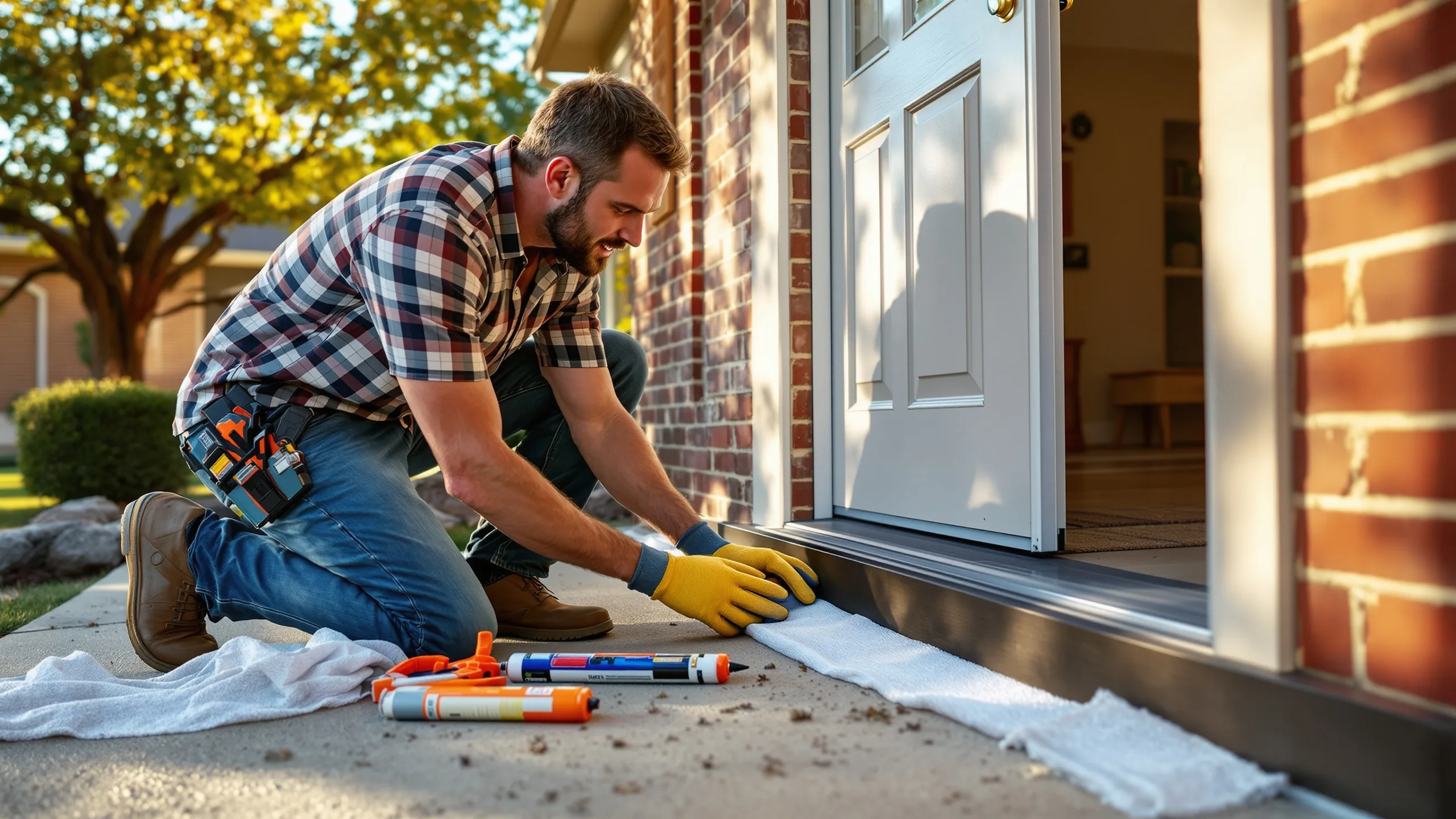
Texas Fall Pest-Proofing Guide: The Complete Homeowner Checklist for 2026
The first weak cold fronts are still weeks away, but the shift has already started. Across Texas, the same late-summer signals show up every year: a mouse scratching in the attic at night, a smokybrown cockroach in the garage, a striped bark scorpion in the bathroom sink, a line of field crickets working along the foundation after a rain.
Fall is when Texas pests stop living around your home and start trying to live in it. Rodents, cockroaches, scorpions, spiders, and overwintering invaders all follow the same instinct as nights cool and food outdoors gets scarce — find a warm, dry, stocked shelter and ride out the season inside. This year the pressure is higher than usual: the July floods displaced rodent and roach populations across Central and East Texas, and months of extreme heat have driven scorpions and crickets toward irrigated lawns and foundations.
The good news is that fall invaders are predictable, and most of them can be stopped with one focused weekend of exclusion work before the first real cold snap. This guide walks through exactly what is trying to get in, where it gets in, and the complete checklist to shut it out.
Why Fall Is the Critical Window in Texas
In northern states, winter kills off much of the outdoor pest population. Texas does not work that way. Winters along the Gulf Coast and in South Texas are mild enough that cockroaches, fire ants, and scorpions stay active nearly year-round, and even in North Texas a structure's heated interior offers perfect overwintering conditions. For a pest, your wall voids and attic are not a last resort — they are premium real estate.
Timing matters for two reasons. First, exclusion is far easier than eviction: sealing a quarter-inch gap in September takes minutes and costs pennies, while removing an established rodent population from an attic in December takes traps, cleanup, and often professional help. Second, many fall invaders reproduce indoors once established. A pair of house mice entering in October can become a dozen by January.
Texas A&M AgriLife Extension recommends treating late August through October as the annual home-exclusion season — after peak summer heat breaks, but before the first sustained cold nights trigger mass movement indoors.
Know Your Fall Invaders
Different pests exploit different weaknesses, so identification drives the whole strategy.
Rodents. Roof rats and house mice are the headline fall invaders statewide. Roof rats dominate in coastal and Central Texas, entering through rooflines, soffit gaps, and tree branches touching the house. House mice squeeze through gaps as small as a dime at ground level. Signs: droppings along walls and in cabinets, gnaw marks, scratching sounds at night, greasy rub marks along baseboards.
Cockroaches. American and smokybrown cockroaches — the large "tree roaches" Texans know well — live outdoors in mulch, sewers, and tree hollows until weather pushes them inside. They enter through weep holes, garage doors, and plumbing penetrations. German cockroaches, the small kitchen species, are a year-round indoor problem that exclusion alone will not solve.
Striped bark scorpions. The most common scorpion in Texas and a notorious fall houseguest across the Hill Country, Austin, San Antonio, and the Dallas–Fort Worth suburbs. They flatten to the thickness of a credit card, climb, and enter through weep holes and door thresholds while hunting crickets and roaches — which means a cricket problem often becomes a scorpion problem.
Spiders. Brown recluse and black widow activity peaks as they follow prey indoors. Both favor undisturbed storage: garages, attics, closets, and boxes. Fall is when most indoor encounters happen.
Crickets and other occasional invaders. Late-summer field cricket swarms are a Texas tradition, clustering around exterior lights and slipping under doors. They are mostly a nuisance themselves, but they are the dinner bell for scorpions and spiders.
Wildlife. Squirrels, raccoons, and opossums treat attics as den sites starting in early fall. Unlike insects, they need only an existing gap — a lifted shingle, a rotted fascia board, an uncapped chimney — and they will enlarge it themselves.
The Exterior Checklist
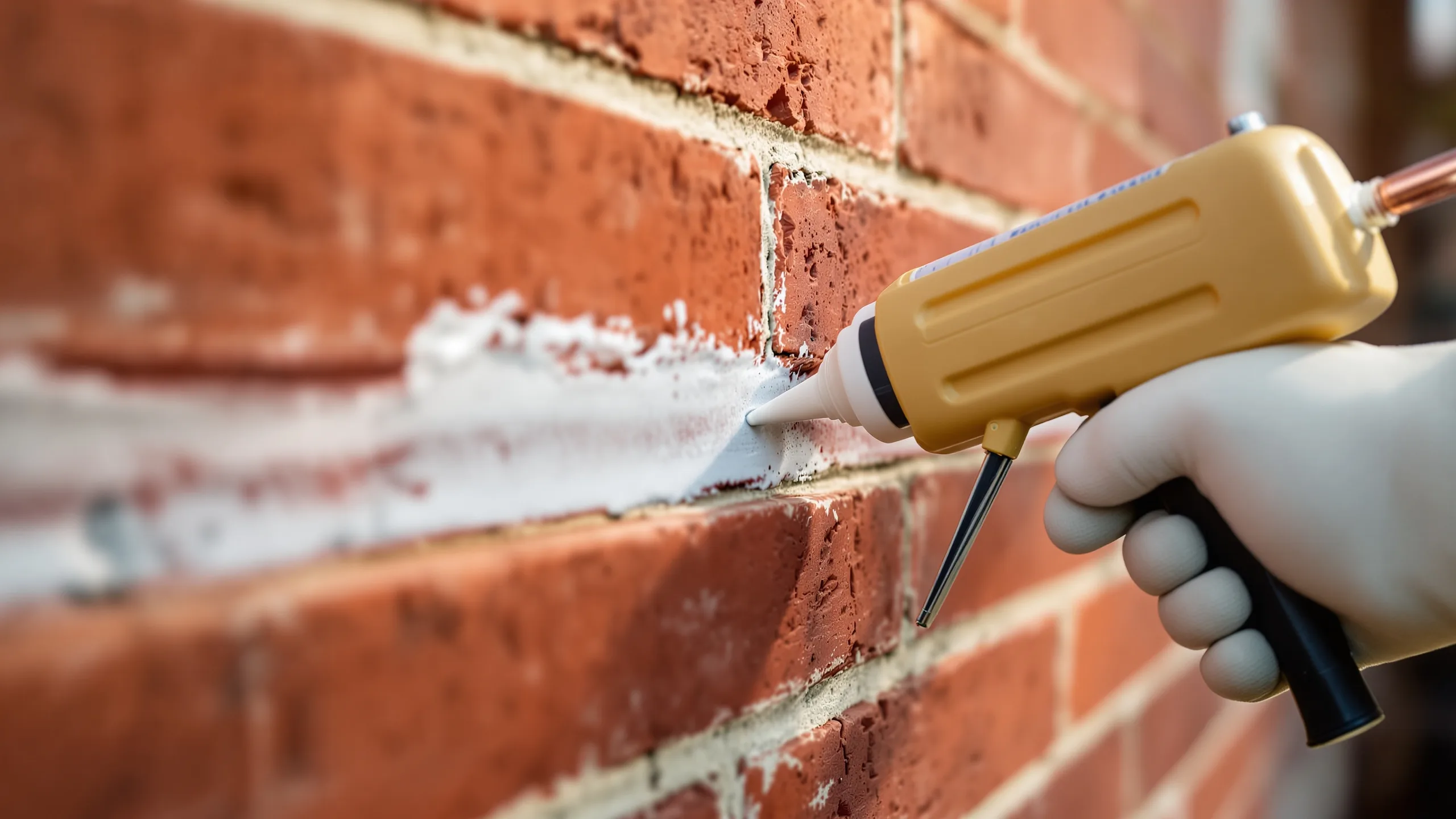
This is the core of fall pest-proofing. Work the full perimeter of the house in daylight, then re-check at dusk with a flashlight — light leaking from inside marks the gaps.
- Seal every gap 1/4 inch or larger in the foundation and exterior walls with silicone caulk; use copper mesh or steel wool plus expanding foam for larger holes around pipes
- Install or replace door sweeps on all exterior doors — you should not see daylight under any door
- Repair or replace weatherstripping around doors and windows; test by closing the door on a dollar bill — it should resist a pull
- Screen or cover weep holes with purpose-made weep hole inserts that keep pests out while still draining moisture
- Screen all vents — attic, gable, crawl space, and dryer vents — with 1/4-inch hardware cloth
- Seal utility penetrations where AC lines, gas lines, cable, and plumbing enter the wall
- Cap the chimney with a code-approved spark arrestor cap to block wildlife
- Inspect the roofline: repair lifted shingles, rotted fascia, and gaps at soffit joints — the top rodent entry point in Texas homes
- Close the garage gap: replace the bottom door seal and side seals; garage doors are the single largest opening in most homes
- Repair damaged window screens and make sure screens seat fully in their frames
The Yard and Perimeter Checklist
What touches your house decides what enters it. The goal is a clean, dry, vegetation-free buffer around the foundation.
- Move firewood at least 20 feet from the house and raise it off the ground — stacked wood against a wall is a scorpion, spider, and rodent shelter
- Trim tree branches 6–8 feet back from the roofline to cut the roof-rat highway
- Cut shrubs and dense ground cover back from the foundation, leaving at least 12 inches of clear space
- Thin mulch beds to 2–3 inches and pull mulch back from direct contact with siding
- Clean gutters and confirm downspouts discharge away from the foundation — moisture at the slab edge attracts roaches and termites alike
- Eliminate standing water left by summer rains and flooding: birdbaths, plant saucers, toys, low spots in the yard
- Secure trash cans with tight lids and keep them away from doors
- Pick up fallen fruit and pet food outdoors before dusk
- Swap exterior bulbs for yellow "bug lights" or move fixtures away from doors to reduce the cricket swarms that attract scorpions and spiders
The Interior Checklist
Exclusion keeps new pests out; sanitation makes sure anything already inside cannot stay.
- Inspect the attic with a flashlight: look for droppings, nesting material, gnawed wiring, and daylight through the roofline; set a few snap traps as monitors even if you see nothing
- Store pantry food — including pet food — in hard plastic or glass containers with sealed lids
- Fix every leak under sinks, behind toilets, and at the water heater; roaches and rodents need water more than food
- Declutter storage areas: replace cardboard boxes in garages, attics, and closets with sealed plastic bins — cardboard harbors roaches and recluses
- Pull appliances out and clean behind the stove and refrigerator
- Seal interior gaps around plumbing under sinks with escutcheon plates or caulk
- Run a dehumidifier in damp areas and keep indoor humidity under 50 percent where possible
- Shake out stored shoes, gloves, and bedding before use — standard practice in scorpion country from October onward
- Check weather stripping on the door from the garage into the house, the most common interior entry point
Regional Notes for Texas
Gulf Coast and Houston. Mild winters mean no real off-season. Prioritize cockroach and roof-rat exclusion, moisture control, and door sweeps; smokybrown roaches fly to lights on humid nights well into November.
Central Texas and the Hill Country. Scorpion territory. Weep-hole inserts, door sweeps, and cricket control around exterior lights deliver the biggest payoff. Watch for bark scorpions in sinks, tubs, and laundry rooms — they seek water.
North Texas and Dallas–Fort Worth. Colder snaps drive the strongest rodent push. Roofline inspection and attic monitoring matter most here; house mice pressure spikes after the first nights below 50°F.
South and West Texas. The season shifts later and shorter, but post-flood rodent displacement is severe this year. Keep exclusion work on the August schedule rather than waiting for October.
DIY or Call a Professional?
Exclusion, sanitation, and monitoring are firmly DIY territory — the checklists above cover what most homes need, and materials for a full perimeter seal typically run under a hundred dollars.
Call a licensed Texas pest control professional when you find signs of an established infestation rather than a scout: recurring droppings after cleaning, gnawed wiring, live roaches during the day, scorpions appearing weekly, or any wildlife already in the attic. Wildlife in particular is not a DIY job — raccoons and squirrels must be removed and excluded correctly, and bats have legal protections that dictate timing and method.
A professional fall inspection typically covers the roofline and attic, foundation and crawl space, moisture readings, and a written exclusion estimate — the same checklist above, with trained eyes and a ladder. If you have not had the exterior inspected in over a year, fall is the appointment that pays for itself. Texas requires structural pest control companies to hold a TDA license, so verify licensing before booking.
The Bottom Line
Every pest that ends up in a Texas home this winter will arrive through a gap that exists right now, in late summer. One weekend in August or September — a tube of caulk, a few door sweeps, hardware cloth, and a ladder — closes nearly all of them. Do the exterior first, clean up the perimeter, then monitor the attic and garage through October. The homeowners who pest-proof before the first cold front spend the winter listening to the wind. The rest spend it listening to the walls.
More Seasonal Guides for Texas Homeowners
- Texas Termite Swarm Season: What Homeowners Need to Know in 2026 — identify swarmers, protect your property, and know when to call a professional.
- West Nile Virus in Texas: The 2026 Peak Season Protection Guide — protect your family during the most intense West Nile season in two decades.
Sources
Texas Bug Slayers Editorial Team
Editorial Board
The Texas Bug Slayers editorial team brings together licensed pest control professionals, entomologists, and writers dedicated to helping Texans protect their homes and families from pests.
Related Articles

West Nile Virus in Texas: The 2026 Peak Season Protection Guide
August and September are peak West Nile months in Texas, and 2026 is tracking at a 22-year high. Here's how to protect your family, your yard, and your home.
CDC Issues Hantavirus Health Advisory as Texas Identified as Geographic Hotspot
CDC Health Alert Network warns of multi-country hantavirus outbreak linked to cruise ship. Texas named as geographic hotspot for rodent-borne virus.

Texas Termite Swarm Season: What Homeowners Need to Know in 2026
Spring termite swarms are peaking across Texas. Learn how to identify winged termites, protect your property, and when to call a professional.