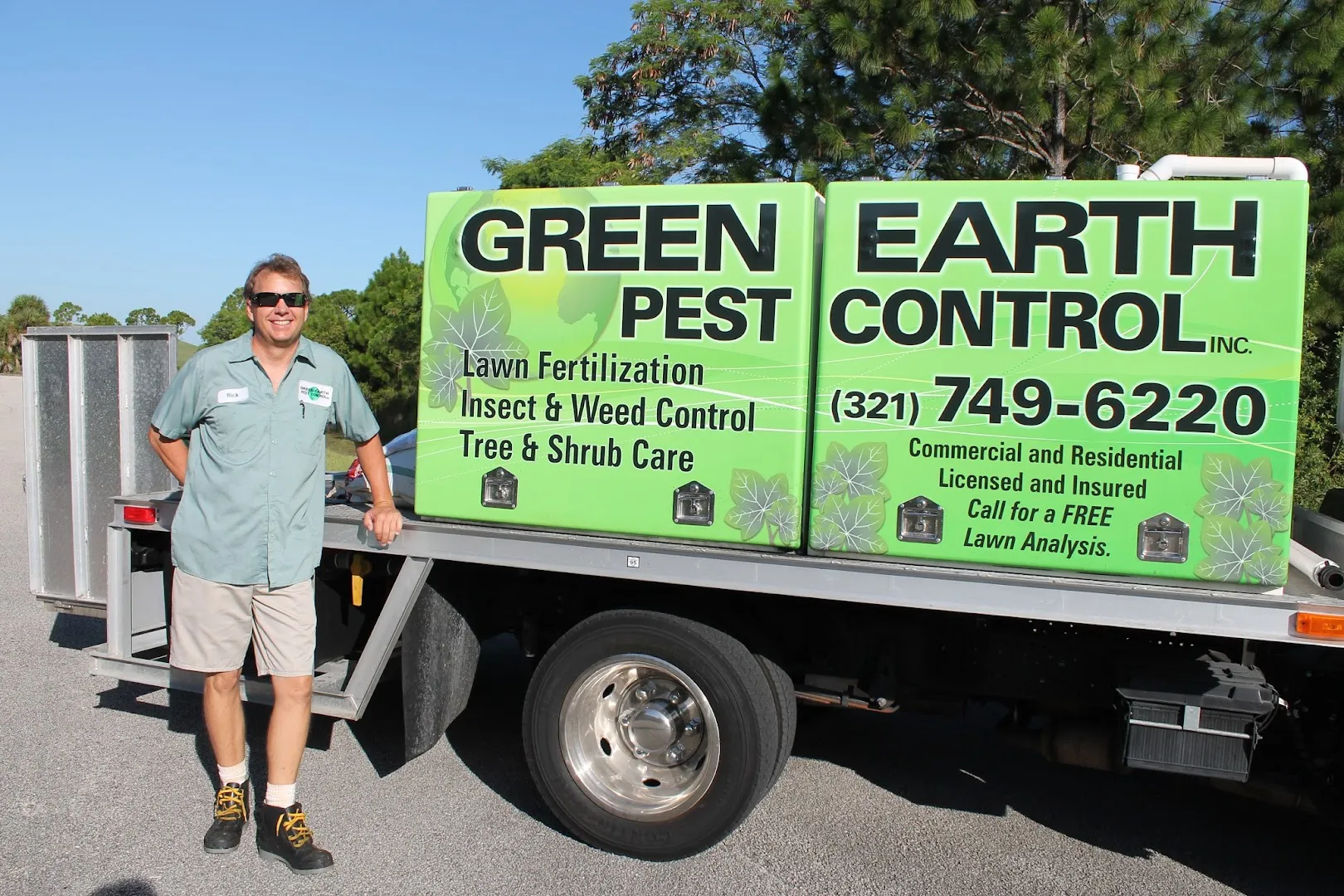
Green Earth Pest Control
DBA of ERNESTO A RAMIREZ
About Green Earth Pest Control
Green Earth Pest Control is a pest control provider listed in El Paso, El Paso County, Texas, with Texas Department of Agriculture license record TPCL #608629. The recorded license expiration (Sep 30, 2026) has passed and a renewal has not been confirmed in the latest TDA report.
Licensed TDA categories on record: pest control, and termite control.
Green Earth Pest Control has 10+ reviews with an average rating of 3.9 stars.
The designated certified applicator for Green Earth Pest Control is ERNESTO A RAMIREZ. Texas law requires every pest control company to have a certified applicator responsible for supervising all pest management activities.
Licensed Categories
Official categories shown in the TDA license record for TPCL #608629
Pest Control
PGeneral pest management for common household pests including roaches, ants, spiders, and more
Termite Control
TInspection, treatment, and prevention of subterranean, drywood, and Formosan termites
Also listed on Google as
Specific Services
Specific services have not yet been independently confirmed for Green Earth Pest Control. Contact the provider to confirm rodent control, bed bug treatment, termite treatment, mosquito control or other specialized work. The licensed categories above define what the company is legally authorized to do — not a confirmed service menu.
Business Location — El Paso County
The TDA license record for Green Earth Pest Control lists El Paso County, Texas; no street address is on file. Service coverage beyond this area is not independently verified — call the provider to confirm they serve your address.
Open in Google MapsTexas Pest Control License
- License #
- TPCL #608629
- Issued
- Renewed
- Expires
- Certified Applicator
- ERNESTO A RAMIREZ(#43422)
Pest control businesses in Texas are required to hold a Structural Pest Control Business License (TPCL), issued and regulated by the Texas Department of Agriculture (TDA). The information shown here reflects the public TDA licensee record. Last checked against the TDA registry: . View on Texas Department of Agriculture
Authorized service categories (2) under this license
Pest Control (Category P)
Category P authorizes the company to perform general structural pest control services. This is the most common license category and covers the identification, treatment, and prevention of common household and commercial pests — officially including nuisance animals such as rats, mice, skunks, raccoons, and opossums (4 TAC §7.124(1)).
What this license covers:
- Cockroaches, ants, spiders, silverfish, and crickets
- Bed bugs, fleas, ticks, and mosquitoes
- Rats, mice, and rodent control
- Nuisance animals: skunks, raccoons, opossums
- Wasps, hornets, and other stinging insects
- Interior and exterior perimeter treatments
Why it matters: Category P is the foundation license for most pest control companies. It ensures the company has trained technicians who understand pest biology, proper pesticide application, and safety protocols for treating homes and businesses.
Termite Control (Category T)
Category T authorizes the company to inspect for, treat, and prevent termite and other wood-destroying insect infestations. This is a specialized license requiring additional training in termite biology, soil treatment, and structural assessment.
What this license covers:
- Subterranean termite treatment (liquid barriers and bait systems)
- Drywood termite treatment (localized and whole-structure)
- Formosan termite identification and treatment
- Pre-construction termite prevention for new buildings
- Termite inspections and WDI (Wood-Destroying Insect) reports
- Annual monitoring and warranty programs
Why it matters: Termite treatment requires specialized knowledge of soil chemistry, building construction, and treatment techniques. An incorrect application can fail to protect the structure or cause environmental damage. The T category ensures the company meets TDA standards for termite work.
License History
Historical tracking started on March 16, 2026. Any changes detected in future TDA reports will appear here.
Frequently Asked Questions
Answers about Green Earth Pest Control from its TDA license record and public business data
Is Green Earth Pest Control a licensed pest control company?
Green Earth Pest Control holds TPCL #608629, but the recorded expiration date (September 30, 2026) has passed and a renewal has not been confirmed in the latest TDA report (checked October 18, 2026). Verify the current license status with the TDA before hiring.
What services is Green Earth Pest Control licensed to provide?
Green Earth Pest Control is licensed by the Texas Department of Agriculture for 2 service categories: pest control, and termite control. Each category is a separate authorization on TPCL #608629, so the company may only perform work it is explicitly licensed for.
Which specialized services are confirmed for Green Earth Pest Control?
No specialized services have been independently confirmed for Green Earth Pest Control yet. Its TDA license authorizes pest control, termite control — that is a legal authorization, not a confirmed service menu. Contact the company to confirm rodent, bed bug, termite, or other specialized treatments.
Where is Green Earth Pest Control located and what areas does it serve?
The TDA license record for Green Earth Pest Control lists El Paso, EL PASO County, Texas. No street address is on file, which is common for home-based or service-area businesses. The exact service area is not published in the license record and has not been independently verified. Call Green Earth Pest Control to confirm coverage for your address before scheduling.
Looking for general pest advice? Browse our pest guides and Texas price guides.
- TPCL #
- 608629
- License Type
- P — Pest ControlT — Termite Control
- Issued
- Renewed
- Expires
- Insurance Exp.
- Last Checked
- Oct 18, 2026
- Operator
- ERNESTO A RAMIREZ
- Applicator
- ERNESTO A RAMIREZ
- Applicator Lic.
- #43422
- Legal Name
- ERNESTO A RAMIREZ
Licensed by the Texas Department of Agriculture. Verify at texasagriculture.gov
The recorded license expiration (Sep 30, 2026) has passed and a renewal has not been confirmed in the latest TDA report.
TPCL Registry (TDA)Pest Control Companies Near Green Earth Pest Control
Other licensed pest control companies in El Paso
Integrity Pest and Termite
Bichoos Pest control
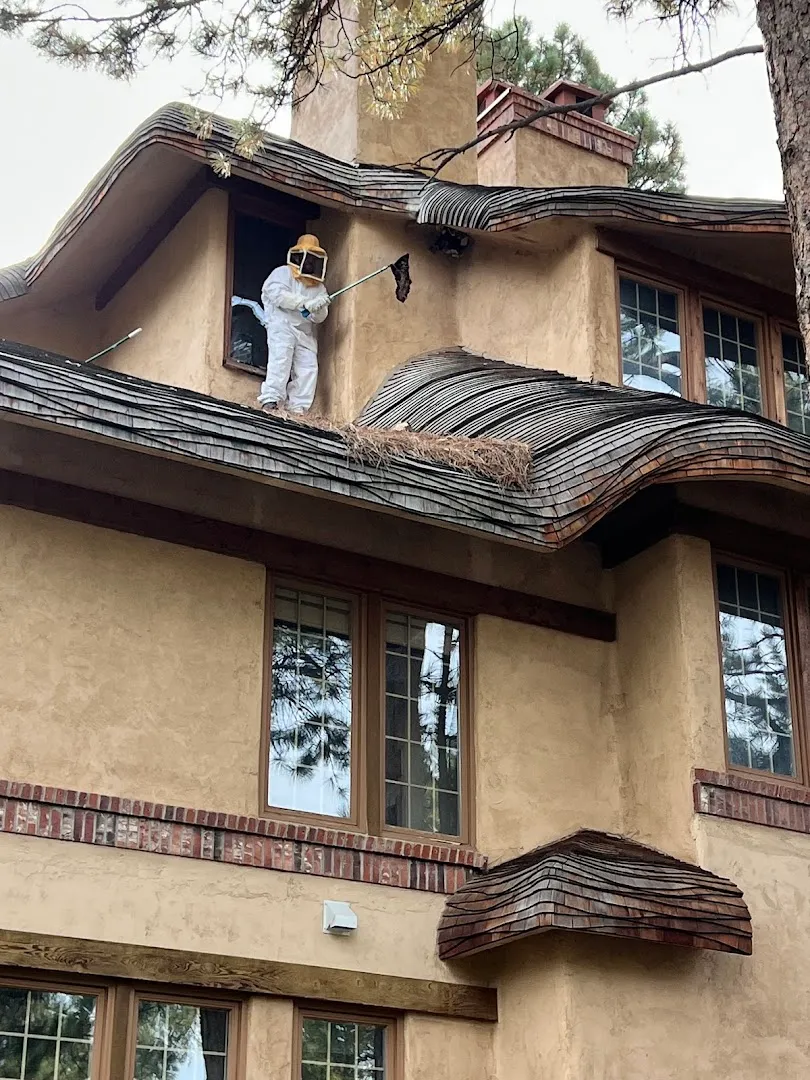
Rocky Mountain Pest and Wildlife
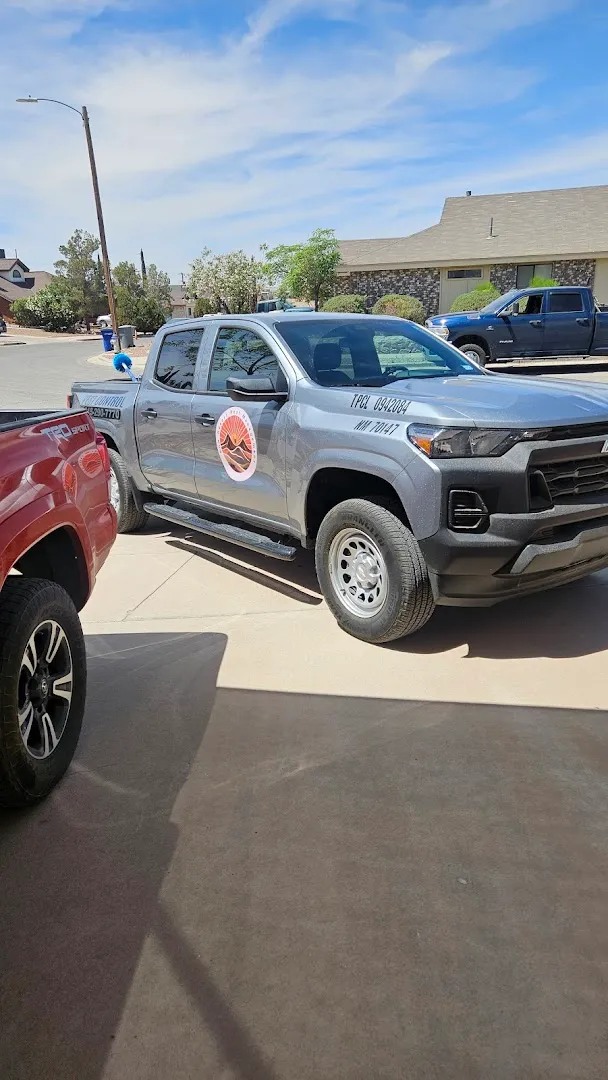
Sun Desert Pest Management
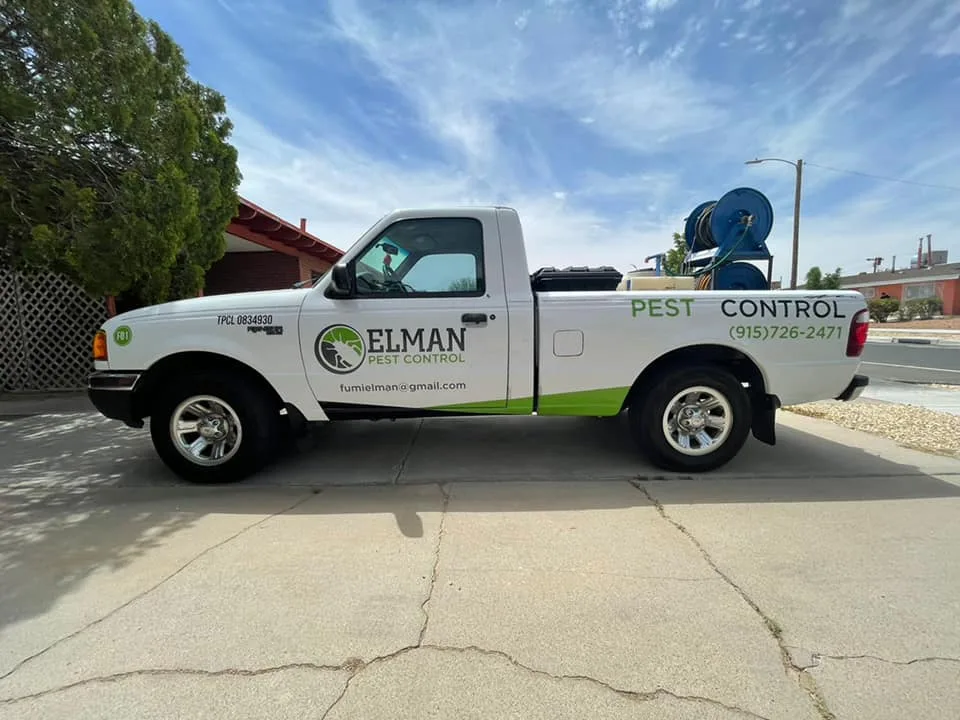
Elman Pest Control