
Asian Needle Ants Reach Texas: The Hidden Invader with a Painful Sting
An unassuming ant barely the length of a grain of rice has quietly established itself as one of the most concerning invasive species spreading across the United States. The Asian needle ant (Brachyponera chinensis), first detected in Georgia during the 1930s, has now expanded its range to at least 20 states—including Texas—prompting urgent warnings from entomologists and public health officials.
Unlike the fire ants that Texans have learned to recognize by their telltale mounds, Asian needle ants operate in stealth. They don't build visible anthills or follow conspicuous foraging trails. Instead, they nest in concealed locations: beneath leaf litter, inside decaying logs, under rocks and stones, within firewood piles, and even beneath landscape timbers and mulch. This cryptic behavior makes accidental encounters more likely, particularly for gardeners, hikers, and anyone working outdoors.
What Makes This Ant Different
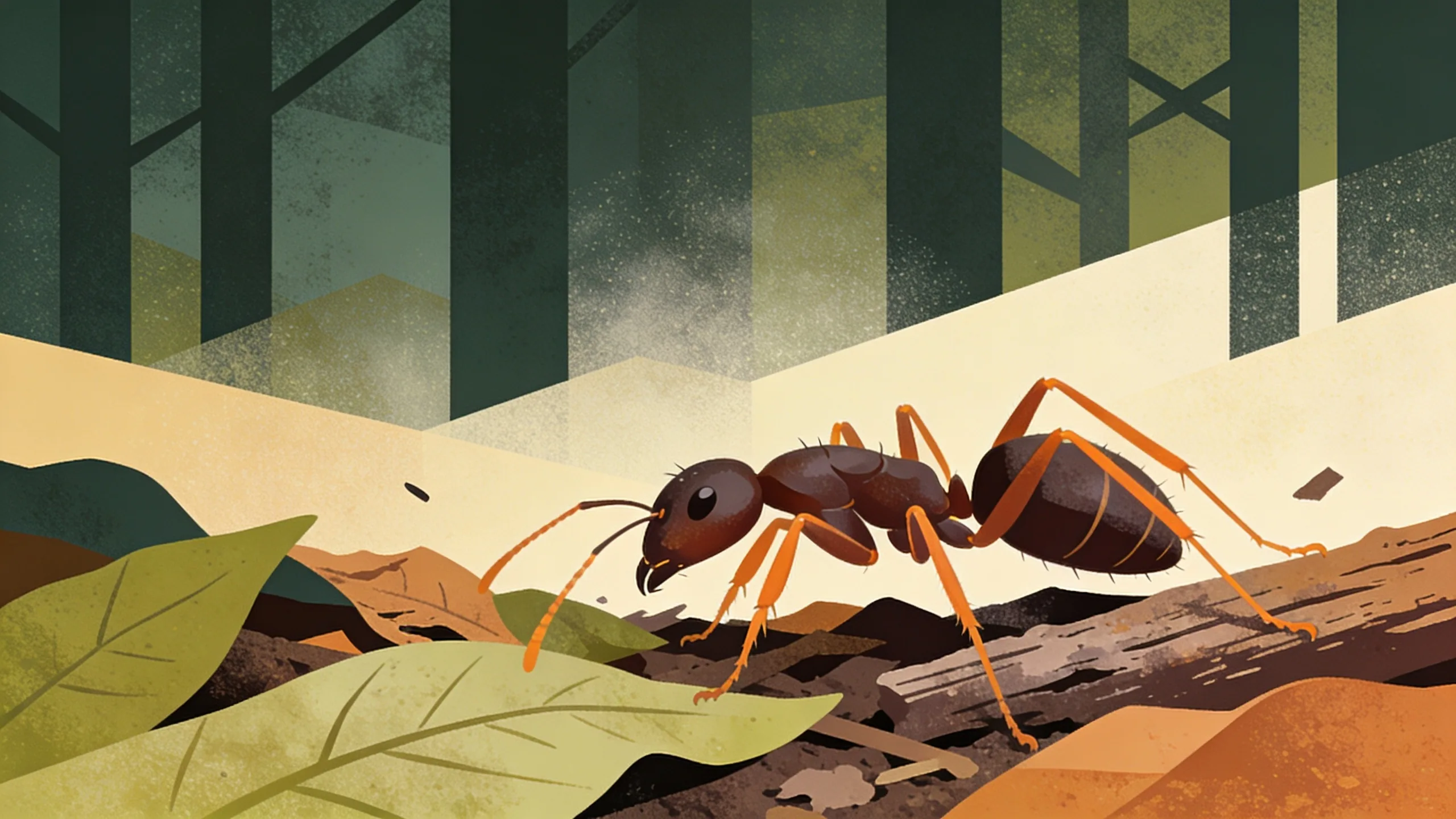
Measuring approximately 3/16 of an inch in length, Asian needle ants display dark brown to black bodies with distinctly lighter orange-brown antennae and legs. While their appearance might seem unremarkable, their defensive capability sets them apart from native species.
The ant's sting delivers venom capable of causing intense, sharp pain that researchers describe as feeling like "a needle inserted directly into your flesh." The discomfort typically comes and goes over several hours, sometimes recurring days after the initial sting. Unlike fire ant stings that produce white pustules, needle ant stings appear as small red dots surrounded by swelling.
More concerning is the potential for severe allergic reactions. In the ant's native range across China, Japan, and Korea, approximately 2.1 percent of people stung experienced anaphylaxis—a life-threatening reaction requiring immediate medical intervention. The USDA has classified the species as capable of causing anaphylactic shock, with stings potentially fatal in extreme cases. Individuals who have previously reacted to bee or wasp stings face elevated risk.
Ecological Disruption
Beyond human health concerns, Asian needle ants pose significant ecological threats. They aggressively outcompete native ant species, driving some populations toward local extinction. This displacement carries cascading effects: many native ants serve as critical seed dispersers for herbaceous plants, and their decline can fundamentally alter forest understory composition.
Research from the University of Georgia demonstrates that areas where Asian needle ants establish dominance show marked reductions in native ant abundance and diversity. The invasive species thrives in pristine hardwood habitats, making Texas woodlands potentially vulnerable to disruption.
Prevention and Protection
For Texas residents, particularly those in wooded or suburban areas with mature trees, awareness represents the first line of defense. Unlike fire ants, Asian needle ants don't typically enter homes, but outdoor activities present the primary risk.
Experts recommend wearing protective gloves when handling firewood, clearing brush, or working with mulch and landscape materials. Gardeners should exercise caution when moving mulch between properties, as studies have documented the ants spreading through contaminated mulch piles. Removing potential nesting sites—decaying wood, leaf litter accumulation, and debris—can reduce local populations.
Those with known allergies to insect stings should consider carrying epinephrine auto-injectors when engaging in outdoor work or recreational activities in wooded areas. The ant's small size and solitary foraging behavior mean encounters often occur without warning, unlike the swarming attacks associated with fire ant mounds.
Looking Ahead
The USDA acknowledges that, like many established invasive species, Asian needle ants will likely remain permanent residents in the United States. Their continued expansion across diverse climates—from Massachusetts to Florida, and now Texas—suggests remarkable adaptability.
For the pest control industry, this emerging threat requires updated identification training and treatment protocols. Standard fire ant control methods may prove ineffective given the needle ant's nesting preferences and behavior patterns. Research into targeted control measures continues, though treating extensive forested areas remains impractical due to cost and potential impacts on non-target species.
Texas homeowners and outdoor enthusiasts should add Asian needle ant awareness to their existing knowledge of local venomous species. While not as immediately aggressive as fire ants, this hidden invader's painful sting and potential for severe allergic reactions demand respect and caution.
Sources
Texas Bug Slayers Editorial Team
Editorial Board
The Texas Bug Slayers editorial team brings together licensed pest control professionals, entomologists, and writers dedicated to helping Texans protect their homes and families from pests.
Related Articles

Asian Needle Ants Invade Texas: The Venomous Pest That Outcompetes Native Species
USDA confirms Asian needle ants have spread to Texas. Learn identification tips, health risks including anaphylaxis, and prevention strategies for this invasive species.

Fall Ant Season Arrives in Southeast Texas as Fire Ants and Tawny Crazy Ants Reappear
Cooler nights and September rain have Southeast Texas yards showing ant mounds and trails again. The colonies never left — and fall is when treating them pays off.

After the Hill Country Floods, the Pests Arrive Next: Fire Ant Rafts Now, Mosquitoes in Two Weeks
Texas cleanup crews face floating fire ant colonies today and a mosquito rebound in two to three weeks — colliding with the earliest West Nile season since 2004.