

Feral Pigs Cost Texas $670 Million in One Year, and the Fight Is Moving Into the Suburbs
The Texas A&M Natural Resources Institute opened its newest publication on feral pigs with a description that reads less like wildlife biology than a bill of indictment: adaptable, pervasive, and alarmingly expensive.
The numbers attached to that last adjective are the reason the institute bothered. Feral pig activity cost Texas agriculture more than $670 million in 2024 alone, according to the report. Landowners across the state are spending another $130 million a year just trying to hold the line, and the species — Sus scrofa, called wild hog, wild boar or razorback depending on which county you are standing in — shows no sign of respecting a fence line, a city limit or a homeowners association covenant.
What has changed is where the damage happens. Texas added roughly ten million people in twenty years, going from about 19 million residents to 29 million, with a projected climb past 40 million by 2050. More than 86 percent of that growth landed in just 25 counties, and the result is a working landscape chewed into smaller pieces, with subdivisions pressing up against what used to be open ranch country. Feral pigs follow the edge.
The old rules don't travel well
For generations, rural Texans handled hogs the way rural Texans handle most things: with a rifle, a feeder and a free weekend. Texas law cooperates with that instinct. Feral pigs are classified as exotic livestock rather than wildlife, which means there is generally no closed season, no bag limit, and no hunting license required for a landowner hunting them on private property.
None of that survives contact with a half-acre lot in a metro county.
City codes, county ordinances and HOA rules routinely prohibit discharging a firearm or setting a trap, and those are precisely the tools the state's regulatory framework assumes. The institute's guidance, Managing Feral Pigs on Small Acreage Properties and Metropolitan Areas, is built around that gap.
Trapping gets the most room, and the report treats it as the closest thing to a universal solution. Landowners can choose animal-activated, human-activated or continuous traps, and neighbors are encouraged to pool money for a single advanced smart trap rather than each buying their own. Where firearms are banned outright, commercial trapping outfits offer an alternative — they remove and dispatch the animals, which is exactly the kind of work that lands on a licensed pest control operator's schedule.
Fencing is the second lever, with a wide price spread. Exclusion fencing built for hogs runs as high as $13,251 per mile. Electric fencing, which the report characterizes as more of a psychological barrier than a physical one, costs $1,243 per mile and is far more feasible at small-acreage scale.
Toxicants are the newest option and the most awkward. Kaput, a sodium nitrite bait, has been the only legal feral hog toxicant in Texas since it was legalized in February 2024. It requires an applicator license through the Texas Department of Agriculture, and it comes with a neighbor problem baked in: poisoned pigs frequently die somewhere other than where they ate, which means management on tiny lots is partly a conversation.
Where the damage lands
Rooting is the signature. Pigs turn over soil to reach the food underneath, and the report describes the recovery of pastures, rangeland and forest floor as visibly slowed by the disturbance. Wallowing loosens soil and sends sediment into streams, degrading water quality and aquatic habitat. The animals also compete directly with native wildlife and livestock, and carry disease that can move between domestic herds, wildlife and people.
The institute's conclusion is that no individual landowner solves this. County Extension Agents and institute specialists have published dozens of resources for new and beginning landowners, but the report argues that systemic change has to come from cities and counties willing to revisit the ordinances that currently block effective control, and from neighbors who coordinate across property lines instead of defending their own acres in isolation.
Until that happens, the feral pig keeps doing what it has done since it arrived — treating the fastest-growing state in the country as an all-you-can-eat buffet.
For property owners whose HOA or municipal code rules out firearms and traps, a licensed Texas pest control firm that handles wildlife removal is often the only compliant path left. Landowners can find their county's AgriLife Extension office through the Texas A&M AgriLife Extension directory.
Sources
Texas Bug Slayers Editorial Team
Editorial Board
The Texas Bug Slayers editorial team brings together licensed pest control professionals, entomologists, and writers dedicated to helping Texans protect their homes and families from pests.
Related Articles
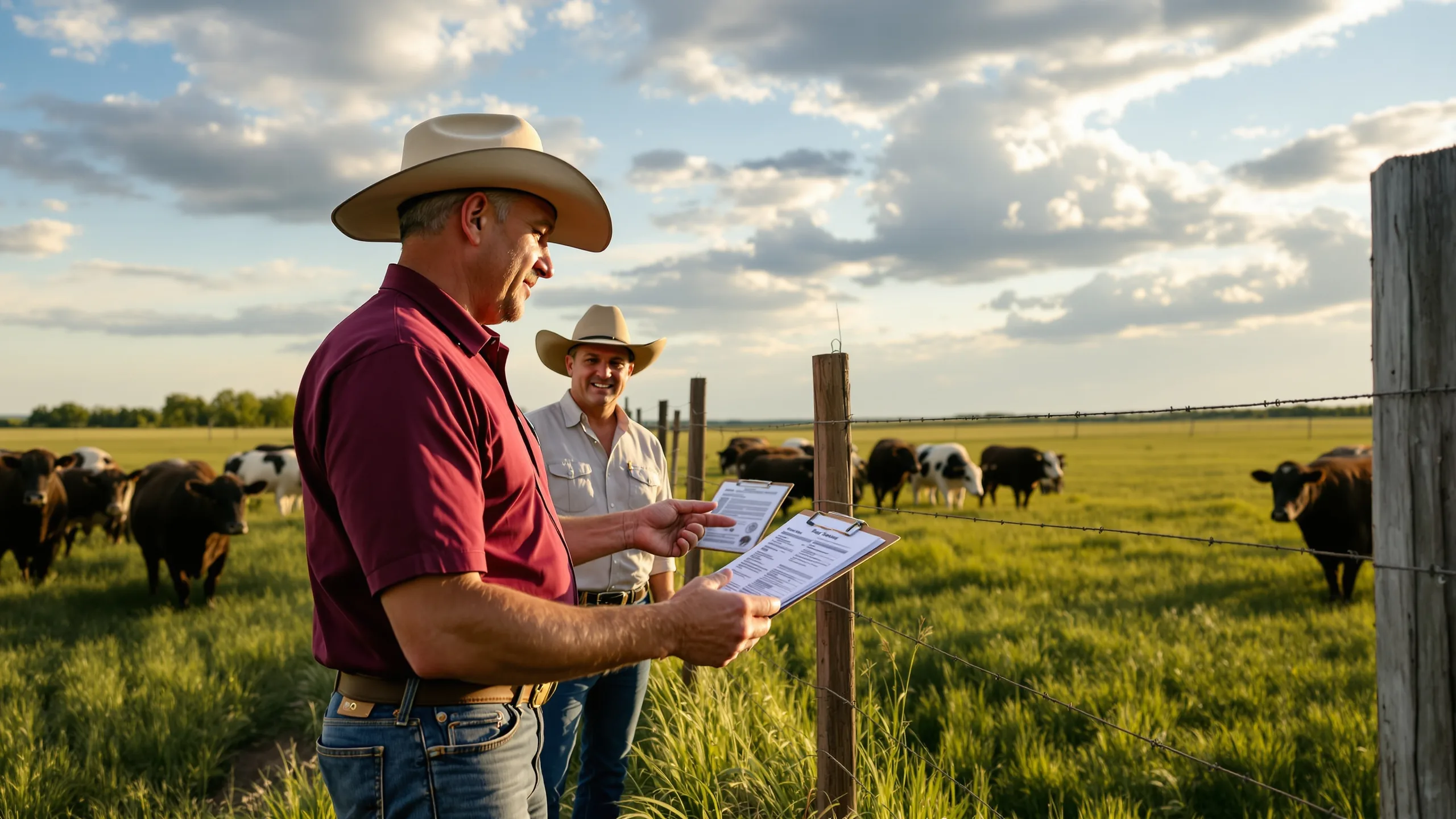
Screwworm in Texas: AgriLife Fact Sheets, Warning Signs & How to Report a Case
Where to get Texas A&M AgriLife's free screwworm fact sheets, how to check your animals for warning signs of myiasis, and the steps to report a suspected case in Texas.

Praying Mantids in Texas Gardens: Friend or Foe?
Texas A&M expert explains whether praying mantids help or harm your garden — and debunks common myths about these fascinating predators.
Texas Summer Lawn Pests: How to Spot and Stop Chinch Bugs, Grubs, and Armyworms
Texas A&M AgriLife Extension experts share identification tips and treatment strategies for the most destructive warm-season turf pests threatening lawns across the state.