
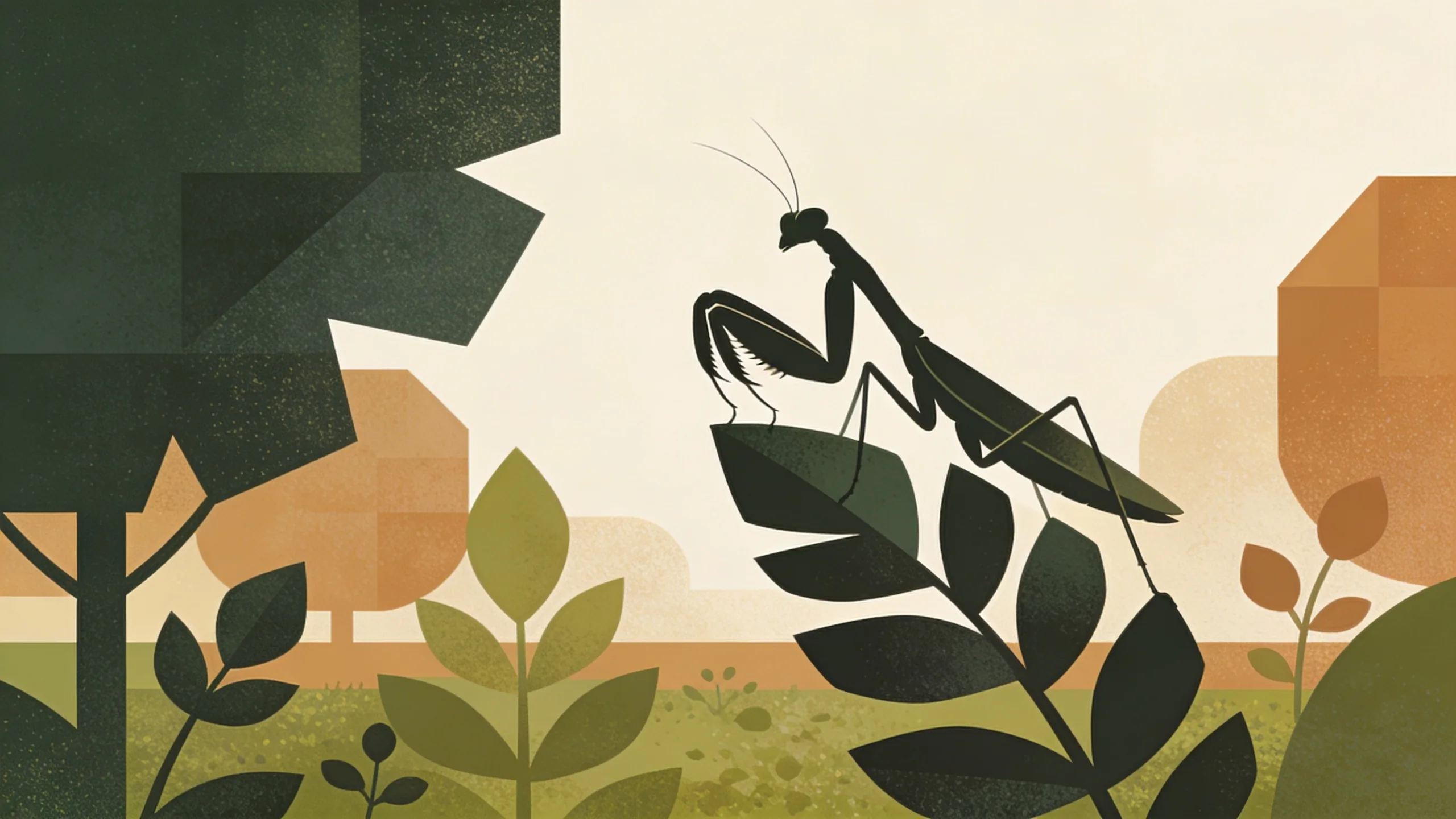
Praying Mantids in Texas Gardens: Friend or Foe?
With their triangular heads, swiveling eyes, and front legs folded as if in prayer, praying mantids rank among the most recognizable insects in Texas gardens. But beneath that contemplative posture lies one of nature's most efficient predators — and one that might not always work in your favor.
Wizzie Brown, senior program specialist and entomologist with the Texas A&M AgriLife Extension Service, recently clarified some persistent misconceptions about these fascinating insects. The first correction starts with the name itself.
Mantid, not mantis — at least technically. While "praying mantis" has entered common usage, it actually refers to a specific genus within the order Mantodea. "Praying mantid" is the broader, more accurate term encompassing all species. As Brown puts it: "All mantises are mantids, but not all mantids are mantises."
That prayer-like stance? It's anything but peaceful. Those folded forelegs are raptorial appendages — spiny, weaponized limbs that strike with lightning speed to snatch and subdue prey in a vice-like grip. "People hear 'praying mantis' and might think of something calm or even spiritual," Brown notes. "But that 'praying' posture is just how they hold their raptorial front legs that are designed for snatching and subduing prey quickly."
The Garden Dilemma
Here's where it gets complicated for homeowners. Praying mantids do consume common garden pests — caterpillars, grasshoppers, flies, and leafhoppers all appear on their menu. This has earned them a reputation as beneficial insects and a favorite of organic gardeners seeking natural pest control.
But mantids are generalist predators, not discriminating specialists. They'll attack anything they can overpower, including beneficial pollinators like bees and butterflies. "They'll eat pests, but they'll also eat beneficial insects and pollinators, and even other mantids," Brown explains. "Food is food."
This indiscriminate appetite complicates the question of whether to encourage mantids in your landscape. While they may reduce certain pest populations, they could simultaneously diminish the pollinator activity your vegetables and flowers depend upon.
Surprising Predatory Capabilities
Texas hosts several native mantid species, including the Carolina mantis. But the state is also home to larger non-native species — Chinese and Mediterranean mantids — that have established populations here. These bigger varieties can tackle prey that surprises many observers.
Hummingbirds, lizards, and even small mammals occasionally fall victim to large mantids. "It doesn't happen all the time, but it can," Brown cautions. "If there's a mantid sitting on a hummingbird feeder, you might want to move it away from the feeder."
Debunking the Cannibal Myth
Perhaps no mantid behavior has generated more sensational coverage than sexual cannibalism — the notion that females routinely devour their mates. While this does occur, Brown emphasizes that it's far less common in natural settings than laboratory observations suggest.
"A lot of those observations come from lab settings where males don't have anywhere to escape," she explains. "In nature, males are much more cautious." The confined conditions of research environments create artificial circumstances that inflate the behavior's frequency.
Masters of Disguise
Mantids possess another remarkable adaptation: the ability to shift coloration between molts. This chromatic flexibility helps them blend with their surroundings, avoiding detection by their own predators — birds, spiders, and lizards that would happily make a meal of them.
"They may look like top predators, but they're part of a much bigger food web," Brown observes. Even these efficient hunters must constantly watch for threats from above and around them.
The Verdict for Texas Gardeners
So should you welcome praying mantids into your garden? The answer depends on your priorities. If you're battling serious caterpillar or grasshopper infestations, mantids may provide some biological control — though their indiscriminate appetite means accepting collateral damage to beneficial species.
For pollinator-focused gardens or landscapes where bee and butterfly populations are a priority, mantids may do more harm than good. Their presence near hummingbird feeders warrants particular attention given documented predation on these favored backyard visitors.
Ultimately, Brown suggests approaching mantids with curiosity rather than concern. "They're fascinating insects," she says. "The more people understand them, the more they appreciate the role insects play in our environment."
Texas gardeners encountering these distinctive predators can identify their species and learn more through the Texas A&M AgriLife Extension Field Guide to Common Texas Insects — a resource that helps distinguish beneficial allies from genuine pests in the complex ecosystem of the home garden.
Sources
Texas Bug Slayers Editorial Team
Editorial Board
The Texas Bug Slayers editorial team brings together licensed pest control professionals, entomologists, and writers dedicated to helping Texans protect their homes and families from pests.
Related Articles
Texas Summer Lawn Pests: How to Spot and Stop Chinch Bugs, Grubs, and Armyworms
Texas A&M AgriLife Extension experts share identification tips and treatment strategies for the most destructive warm-season turf pests threatening lawns across the state.
Lovebugs Swarm Houston in Late Summer Surge, Testing Patience and Paint
Houston drivers and homeowners face an unwelcome seasonal visitor as lovebugs swarm the region in higher-than-usual numbers this August.

The Cotton Jassid Vanished This Season. Experts Say That's No Reason to Relax
After 2025's invasive cotton jassid surge, winter freezes have kept 2026 populations low across the Southeast. UGA's Phillip Roberts warns growers — including in Texas — to keep scouting.