
Screwworm in Texas: AgriLife Fact Sheets, Warning Signs & How to Report a Case
Following the USDA's confirmation of New World screwworm (NWS) in Zavala County, Texas A&M AgriLife has activated a comprehensive response to support state and federal agencies while providing Texans with science-based resources to detect, prevent, and report potential infestations.
Our live Texas screwworm case tracker keeps the running count and county map as USDA updates land.
Experts across Texas A&M AgriLife Research, the Texas A&M AgriLife Extension Service, and the College of Agriculture and Life Sciences have prepared educational materials, training programs, fact sheets, and surveillance support. The goal is simple: early detection and rapid reporting to suppress the pest before populations grow.
A Multi-Disciplinary Response
The NWS response draws on expertise from across Texas A&M's agricultural and veterinary network:
- Department of Entomology specialists providing identification guidance
- Department of Animal Science experts advising livestock producers
- Department of Rangeland, Wildlife and Fisheries Management supporting wildlife monitoring
- Texas A&M Veterinary Medical Diagnostic Laboratory handling sample analysis
- College of Veterinary Medicine and Biomedical Sciences providing clinical guidance
- AgriLife Extension's Agricultural and Environmental Safety Unit coordinating outreach
- Disaster Assessment and Recovery unit preparing emergency response protocols
"The most effective way to control New World screwworm is early reporting so that authorities can suppress the pest before the population gets large," AgriLife Extension specialists emphasize.
Resources for Every Texan
Texas A&M AgriLife has organized NWS resources into four key categories, ensuring that whether you manage a thousand-head cattle operation or keep a single family pet, you have access to expert guidance.
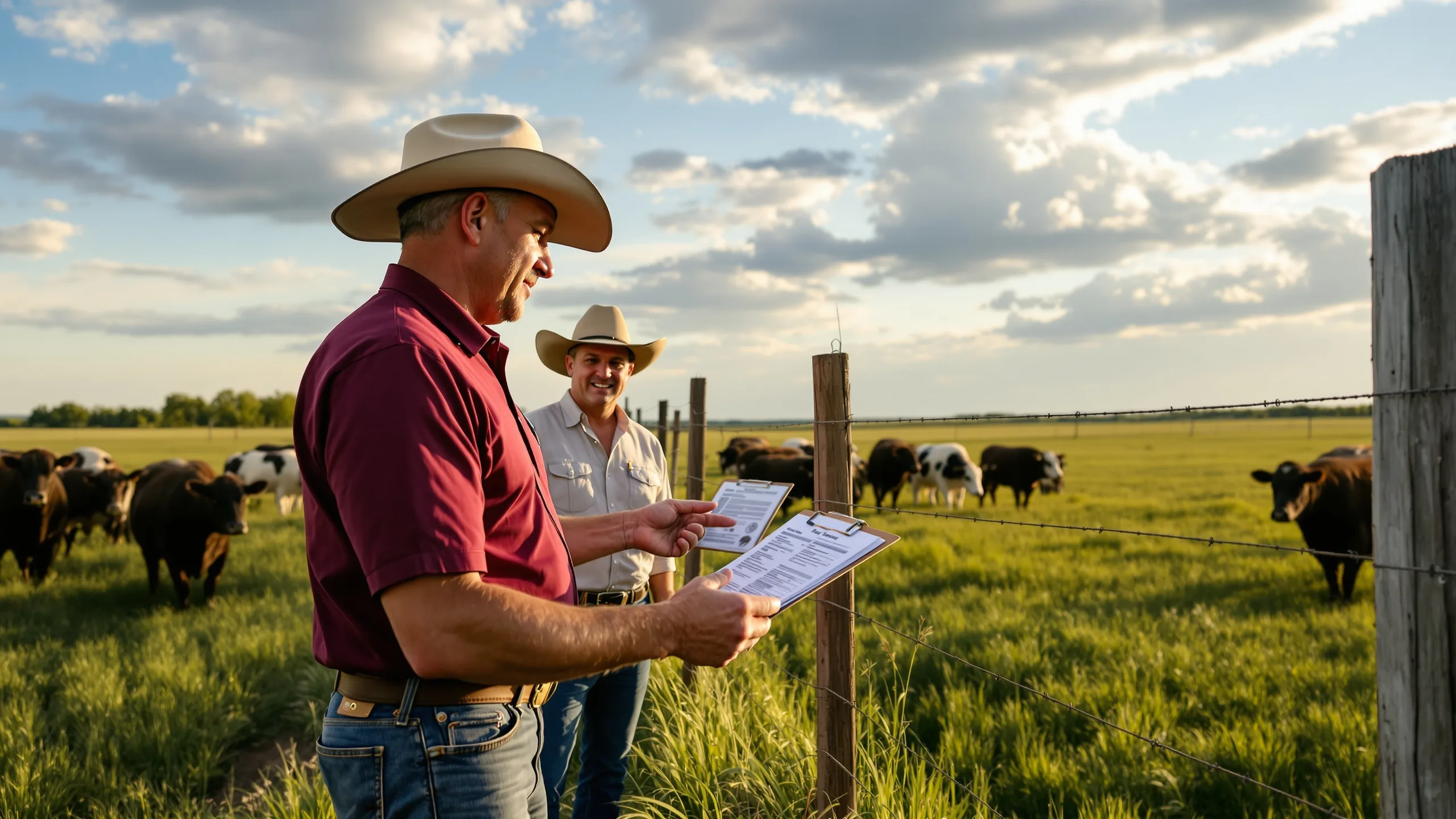
For Livestock and Cattle Producers
The livestock-focused resources provide practical guidance on:
- Identifying NWS larvae and eggs in cattle wounds
- Proper wound management and treatment protocols
- Step-by-step reporting procedures for suspected cases
- Biosecurity measures to protect herds
Producers should familiarize themselves with the signs of myiasis — the medical term for NWS infestation — including unusual wound discharge, the presence of larvae in wounds, and the characteristic odor of necrotic tissue. Regular inspection of animals, particularly those with open wounds from calving, branding, or injury, is essential.
For Wildlife Managers
Free-ranging wildlife present unique challenges for NWS monitoring. The wildlife-specific fact sheet outlines:
- Field reporting methods for suspected wildlife cases
- Monitoring strategies for game and non-game species
- Coordination protocols with TPWD and USDA
- Challenges unique to managing NWS in wild populations
Wildlife managers play a critical role in the broader surveillance network, as NWS can affect deer, exotic game species, and other wild mammals across Texas's diverse ecosystems.
For Human Health Professionals and Families
While human NWS cases are rare, they do occur. AgriLife Extension's human health fact sheet explains:
- How human myiasis occurs and who's at risk
- Prevention practices for outdoor workers and families
- When to seek medical attention
- Proper wound care to prevent infestation
Outdoor workers, hunters, and individuals with open wounds should take particular precautions in areas where NWS has been detected.
For Companion Animal Owners
Pets are not immune to NWS. The companion animal guidance provides:
- Early signs of NWS in dogs and cats
- When to seek immediate veterinary care
- Prevention strategies for pet owners
- Treatment options and prognosis
Pet owners should inspect their animals regularly, particularly after outdoor activities in rural or brushy areas, and keep wounds clean and covered.
Spanish Language Resources
Recognizing Texas's diverse agricultural community, Texas A&M AgriLife has made many resources available in Spanish. These materials ensure that all producers, regardless of primary language, have access to critical NWS information.
How to Report Suspected Cases
If you suspect NWS in any animal — livestock, wildlife, or pet — immediate reporting is crucial:
-
Livestock and domestic animals: Contact the Texas Animal Health Commission immediately. Do not move animals until instructed.
-
Wildlife: Contact the Texas Parks and Wildlife Department.
-
Human concerns: Contact the Texas Department of State Health Services.
-
General questions: Contact your local AgriLife Extension agent for guidance and resources.
The Science of Early Detection
NWS flies lay 200 to 300 eggs at a time in open wounds. Within 12 to 24 hours, these eggs hatch, and larvae begin feeding on living tissue. The larvae mature in five to seven days, then drop to the ground to pupate and emerge as adult flies.
This rapid life cycle means that a single undetected case can quickly lead to population growth. However, the same biology that makes NWS dangerous also makes it vulnerable to coordinated eradication efforts. Female flies mate only once in their lifetime, making the sterile insect technique highly effective when implemented quickly.
Looking Forward
Texas A&M AgriLife emphasizes that Texas is not in crisis mode but rather entering a period of heightened awareness and coordinated response. The combination of federal, state, and university resources positions Texas to respond effectively to this historic pest threat.
All NWS resources, including downloadable fact sheets, reporting protocols, and educational videos, are available through the Texas A&M AgriLife New World Screwworm information hub.
Sources
Texas Bug Slayers Editorial Team
Editorial Board
The Texas Bug Slayers editorial team brings together licensed pest control professionals, entomologists, and writers dedicated to helping Texans protect their homes and families from pests.
Related Articles
Texas A&M AgriLife Extension Deploys Massive Screwworm Education Campaign Across Texas
AgriLife Extension launches statewide educational events on New World screwworm, having already reached 23,000 Texans through 316 programs. Find upcoming workshops in your county.

USDA Unveils Quarterly Review Roadmap for Screwworm Response Playbook
USDA APHIS shares comprehensive roadmap for quarterly reviews of New World Screwworm Response Playbook as parasite cases reach 45 infestations across Texas and New Mexico.
Screwworm Count Reaches 44 as Brewster County Adds Two More Cases and the Infested Zone Extends Into Presidio
USDA's dashboard now lists 44 confirmed New World screwworm cases — 43 in Texas — after two cattle cases in Brewster County and a sheep in Pecos County closed out July. TAHC has extended the infested zone into Presidio County, bringing movement restrictions to parts of 23 counties.