
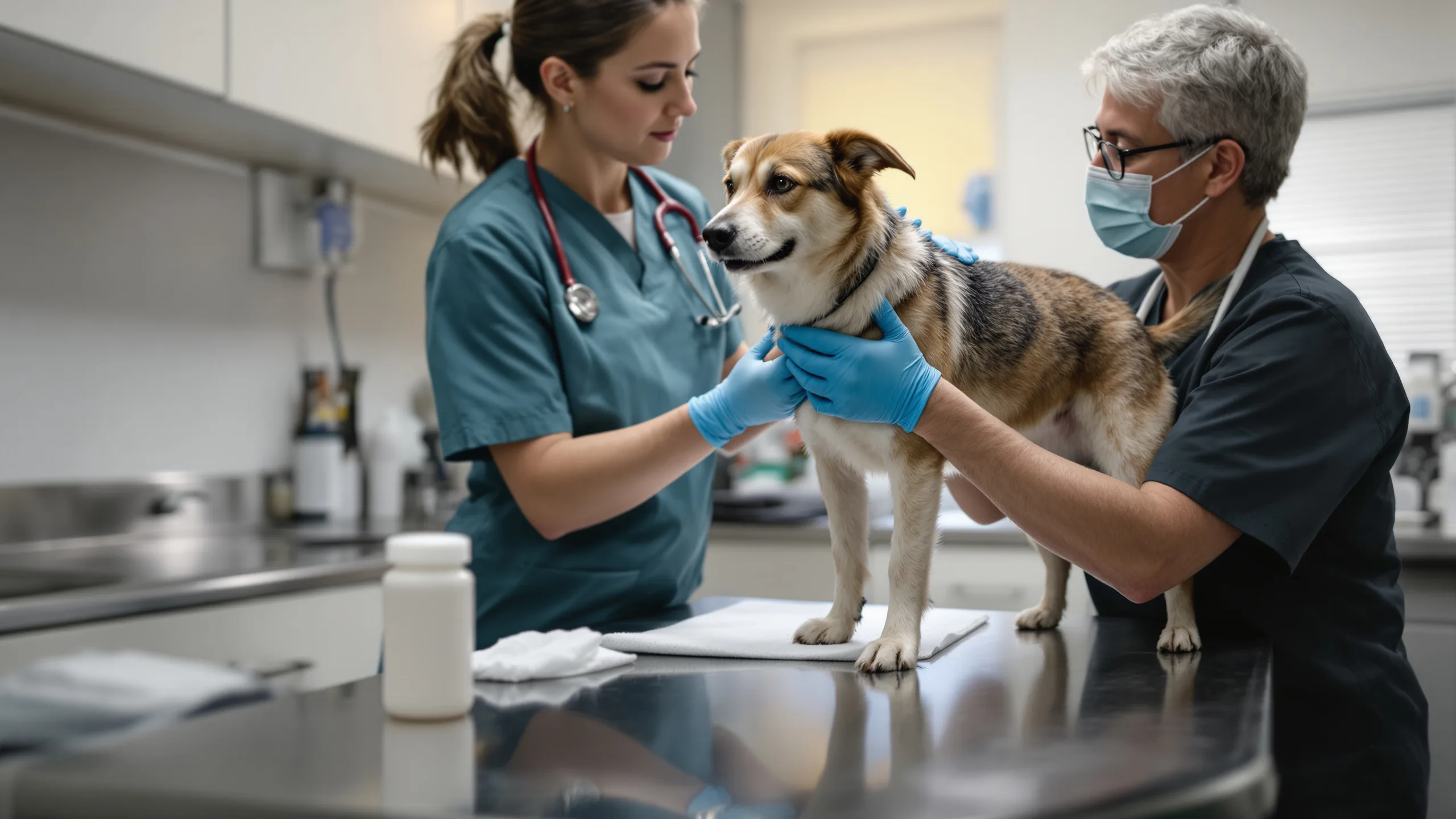
FDA Authorizes Emergency Screwworm Treatment for Dogs as Texas Pet Owners Face Growing Threat
The U.S. Food and Drug Administration has issued an Emergency Use Authorization (EUA) for a drug to treat New World screwworm infections in dogs and puppies, marking a significant expansion of veterinary tools as the parasite continues its northward push toward Texas.
Our live Texas screwworm case tracker keeps the running count and county map as USDA updates land.
The authorization, announced August 13 by USDA's Animal and Plant Health Inspection Service, provides veterinarians with a federally approved pharmaceutical option specifically labeled for canine patients. Previously, treatment protocols for companion animals relied on off-label applications of livestock medications or manual larval removal.
What This Means for Texas Dog Owners
While the screwworm outbreak has primarily affected cattle, horses, and wildlife across 22 Texas counties, companion animals remain vulnerable—particularly those with outdoor access in rural or border-adjacent areas. The FDA's move addresses a critical gap in veterinary preparedness as the parasite establishes presence closer to major population centers.
Texas veterinarians can now access an approved therapeutic protocol that meets federal standards for safety and efficacy in dogs. This development proves especially important for shelter operations and rescue organizations transporting animals across quarantine zones, where exposure risk complicates interstate relocation efforts.
The Growing Canine Risk
New World screwworm flies lay eggs in open wounds, natural body openings, or even ear canals. Once hatched, larvae feed on living tissue, creating progressively larger wounds that attract more flies. Without prompt treatment, infestations cause severe tissue damage, secondary infections, and potentially death.
Dogs exploring brushy areas, farms, or wildlife corridors face particular exposure risk. Hunting dogs, working ranch dogs, and free-roaming rural pets encounter conditions ideal for fly activity—warm temperatures combined with vegetation contact that produces minor scratches or abrasions where flies deposit eggs.
Recognition and Response
Pet owners should inspect dogs daily during high-risk months, paying special attention to ears, eyes, mouth, and any visible wounds. Screwworm larvae appear as creamy-white maggots with distinct dark hooks at one end. Unlike typical fly larvae that consume dead tissue, screwworms attack healthy flesh—a behavioral difference with devastating consequences.
The characteristic odor of infested wounds often provides the first clue. A sweet, pungent smell emanating from any lesion warrants immediate veterinary examination regardless of visible larvae.
Broader Context
This EUA arrives as Texas agricultural officials report 45 confirmed screwworm infestations across the state, with the parasite detected as close as 60 miles from the Mexican border earlier this summer. The USDA maintains aggressive sterile fly release programs and accelerated construction of a $750 million sterile insect facility at Moore Air Base in Edinburg.
For veterinary professionals, the authorization streamlines treatment documentation and reporting requirements—critical for state surveillance efforts tracking parasite spread. Every confirmed case, whether in livestock or companion animals, contributes to mapping the outbreak's geographic footprint.
Prevention Priorities
While pharmaceutical treatment advances help, prevention remains the frontline defense. Texas A&M AgriLife Extension recommends wound management protocols adapted for companion animals: immediate cleaning and topical treatment of any abrasion, protective garments for dogs working in high-risk environments, and restricting pet access to areas with confirmed fly activity.
The FDA authorization represents one component of a multi-layered response strategy combining veterinary medicine, agricultural biosecurity, and public health surveillance. For Texas dog owners, it provides assurance that should the worst occur, approved treatment options exist to protect their four-legged family members.
As autumn approaches and temperatures moderate, screwworm activity typically peaks. The timing of this authorization gives Texas veterinarians and pet owners additional preparedness capacity before the seasonal high-risk window closes.
Sources
Texas Bug Slayers Editorial Team
Editorial Board
The Texas Bug Slayers editorial team brings together licensed pest control professionals, entomologists, and writers dedicated to helping Texans protect their homes and families from pests.
Related Articles

Travis County Declares Disaster Over Screwworm Threat Before First Case Appears
Austin-area county takes unprecedented proactive step, signing disaster declaration to streamline response resources as New World screwworm spreads through South Texas.

Texas A&M AgriLife Launches Statewide Alert System for Agricultural Threats and Invasive Pests
New Texas Agriculture Alert System delivers real-time notifications about pest outbreaks, wildlife diseases, and quarantine actions to farmers, ranchers, and residents across the state.

San Angelo State Park Issues Screwworm Warning for Visitors and Pets
Texas Parks and Wildlife warns visitors to San Angelo State Park about New World screwworm risks after parasite detected in Tom Green County area.