
Screwworm Count Reaches 46 as Val Verde County Confirms First Case
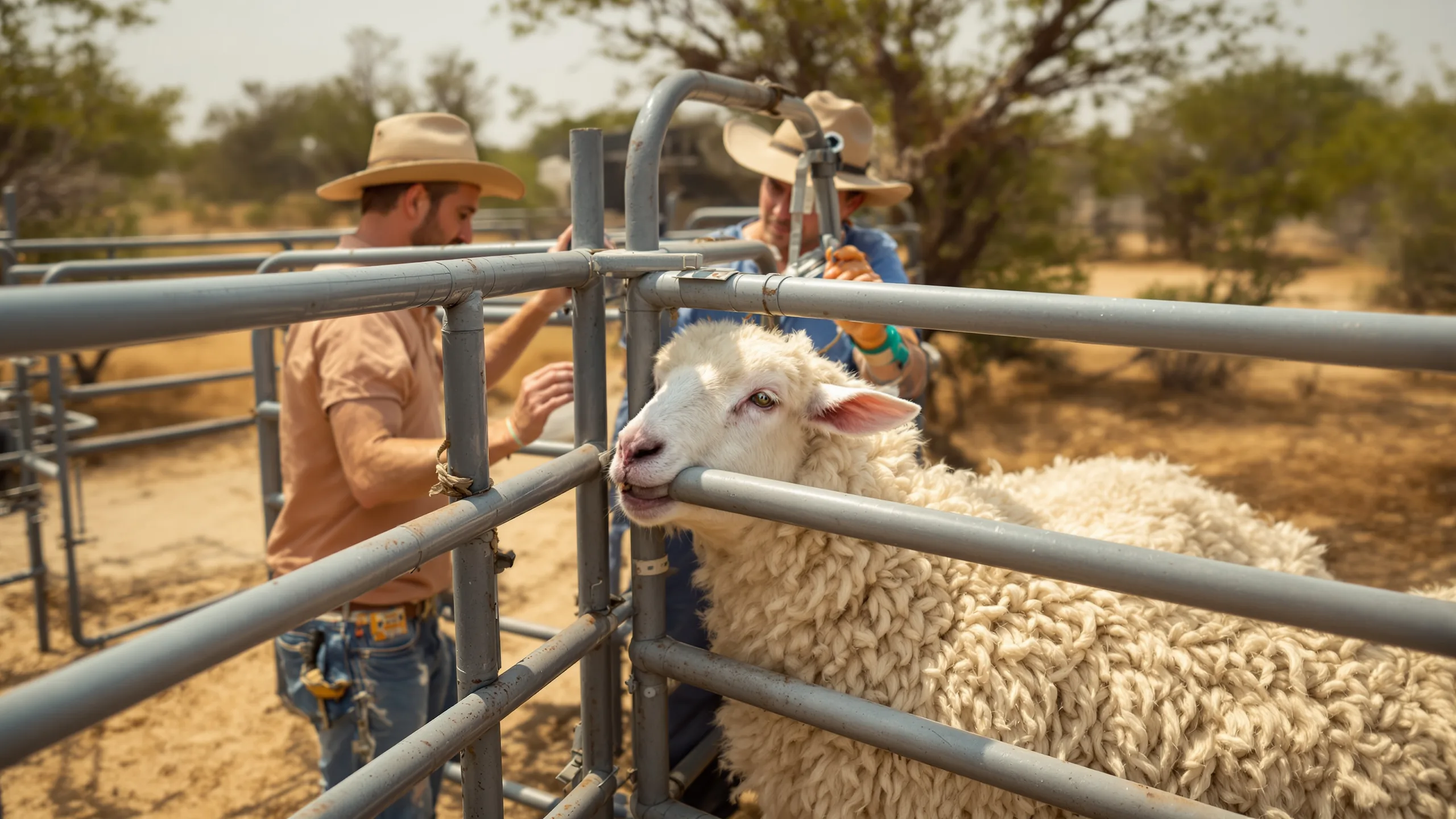
The New World screwworm outbreak has added another Texas county to the map. USDA's Animal and Plant Health Inspection Service has confirmed the 46th U.S. case—a sheep in Val Verde County—making it the 16th Texas county with a confirmed infestation since the parasite returned in early June.
Track every confirmed case on our live Texas screwworm tracker and county map. Local residents can browse licensed pest control companies in Val Verde County in our directory.
The Texas Animal Health Commission said the infestation was detected August 15 and added to the federal count on August 16, with a new quarantine order issued the same day. Forty-five of the 46 U.S. cases are in Texas; the remaining case is the dog confirmed in Lea County, New Mexico, in early June.
An inland pocket, not a border-line extension
Val Verde County borders Mexico along the Rio Grande, but the new control area is not simply another step along the river. TAHC's map places the new Infested Zone 19 in northern and northeastern Val Verde County, extending into portions of Crockett and Sutton counties—both already at the core of the outbreak on the Edwards Plateau. The finding looks like an inland pocket within the existing West Texas response area rather than a fresh push directly up from the border.
The county itself is no stranger to the response: Val Verde has been inside the TAHC infested zone since June, meaning livestock inspections and movement rules were already in force when the case was found.
Under the new quarantine, warm-blooded animals cannot leave the zone without prior authorization, inspection, any required treatment and an official movement certificate. Hides, carcasses and animal parts that could carry larvae must also be inspected and treated before transport. Parts of 23 Texas counties are now under some form of screwworm movement restriction.
August pace slows to a crawl
The Val Verde case is only the second U.S. confirmation this month, following the August 5 sheep case in neighboring Terrell County. That compares with 14 cases confirmed in July and 31 in June—one new case in the past week, a marked deceleration from the outbreak's early summer tempo.
Federal officials caution against reading too much into a single slow week: confirmations can lag the initial infestation, and surveillance intensity varies by county. Still, the slowdown is the clearest sign yet that sterile-fly releases, wound treatment and movement controls may be limiting the parasite's spread.
Two other indicators remain encouraging. Every one of the 46 U.S. cases has involved a domestic animal—cattle, sheep, goats and dogs—with no confirmed wildlife or feral-animal infestation. And no wild screwworm fly has turned up in any federal or state trap, which would be the strongest evidence of a self-sustaining population beyond managed livestock premises.
USDA's case-level dashboard now lists four active cases under mitigation and 42 inactive ones. Ranchers in and around the infested zones are urged to inspect animals after branding, procedures or injuries, and to report worsening or larvae-bearing wounds to a veterinarian or TAHC at (800) 550-8242 before moving any animal.
Sources
Texas Bug Slayers Editorial Team
Editorial Board
The Texas Bug Slayers editorial team brings together licensed pest control professionals, entomologists, and writers dedicated to helping Texans protect their homes and families from pests.
Related Articles
Screwworm Count Reaches 50 as New Mexico Confirms a Second Horse Case
USDA confirms the 50th U.S. New World screwworm case — a horse in Grant County, New Mexico, the outbreak's second equine case in two weeks — while the Texas count holds at 48 and a border port prepares to reopen to Mexican livestock.
Screwworm Count Reaches 49 as First Horse Case Lands in Presidio County
USDA confirms the 49th U.S. New World screwworm case — a horse in Presidio County, Texas, the outbreak's first equine detection — while TAHC's September orders cut the quarantine map from 19 counties to 14.

USDA Marks Billionth Sterile Fly Release in Texas Screwworm Fight
USDA marked its billionth sterile fly released over Texas as Secretary Rollins reported three active screwworm cases and no cattle case in over a month.