
Texas A&M Engineers $1.86M Push for Fast-Acting Screwworm Wound Treatments
When a screwworm larva burrows into an open wound on a calf, time becomes the deadliest enemy. Sterile fly releases, the technique used for decades to suppress the parasite across regions, work over months — but they cannot save the animal suffering right now.
Our live Texas screwworm case tracker keeps the running count and county map as USDA updates land.
A multidisciplinary team from the Texas A&M System is trying to change that.
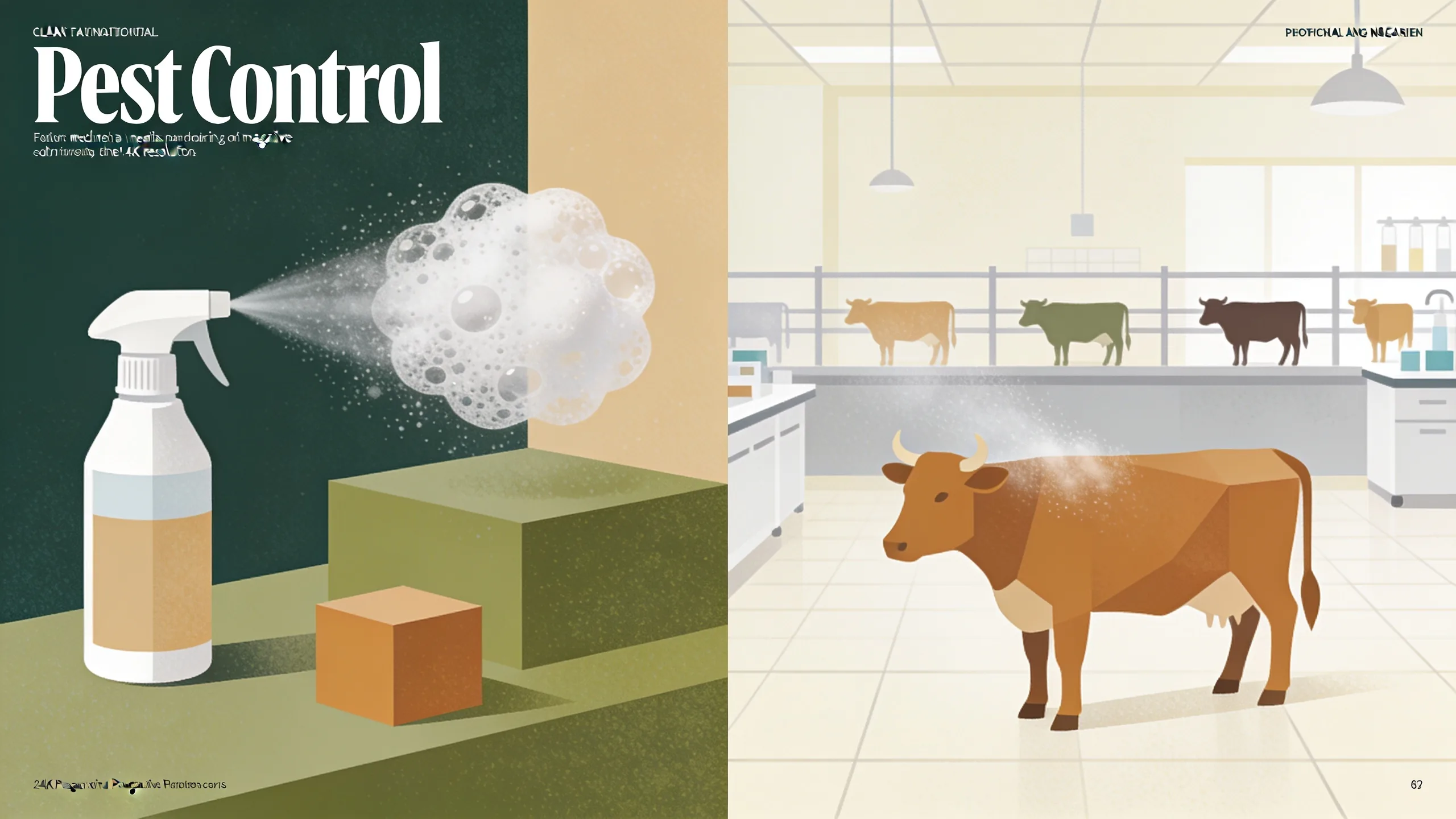
With a $1.86 million grant, researchers at Texas A&M Engineering Experiment Station (TEES) are developing fast-acting, low-residue wound treatments that veterinarians and ranchers can apply the moment they detect an infestation.
Three Formulations for Emergency Response
The team, led by Mustafa E. S. Akbulut, associate professor in the Artie McFerrin Department of Chemical Engineering, is working on three distinct prototypes:
- Conforming foam — adheres to wounds for maximum coverage
- Bio-adhesive spray — for rapid field application
- Immersion wash — for high-throughput treatment of multiple animals
All combine reduced doses of synthetic macrocyclic lactones with botanical synergists like neem and eugenol, aiming to rapidly kill larvae with minimal chemical residue.
"Releasing sterile flies works over months; it does nothing for the calf in the chute right now. We are building the missing piece: a fast, single-application treatment that vets and ranchers can pull off the shelf the moment an animal is found." — Mustafa Akbulut, Texas A&M Engineering
The Ongoing Threat
The New World screwworm, a parasite that feeds on living tissue, has caused over 150,000 animal cases in Central America and Mexico. Federal models estimate a major outbreak in Texas could cause losses exceeding $1.8 billion.
The project involves other prominent researchers, including Phillip Kaufman, head of Texas A&M's Department of Entomology, and specialists from Virginia Tech and Texas Tech University.
Why It Matters
Existing emergency treatments can kill larvae but require dosing the entire animal to treat a single wound. The new formulations focus on localized application, reducing drug quantities while giving ranchers a practical option in critical situations.
The project will also produce stockpile-ready emergency response protocols and quality-control specifications, paving the way for potential national deployment.
Source: Texas A&M AgriLife Today
Sources
Texas Bug Slayers Editorial Team
Editorial Board
The Texas Bug Slayers editorial team brings together licensed pest control professionals, entomologists, and writers dedicated to helping Texans protect their homes and families from pests.
Related Articles

Spinach Peptide Discovery Yields First Approved Treatment for Citrus Greening
Texas A&M AgriLife researchers celebrate federal registration of citrus greening treatment derived from spinach peptides, offering hope for Florida and Texas citrus growers.
EPA Approves Emergency Insecticide for Pasture Mealybug as Texas Counties Hit 79
Texas A&M AgriLife Extension updates fact sheet with Centric 40WG recommendations after EPA grants crisis exemption for invasive pest threatening $1 billion in annual losses.

USDA Commits $105 Million to 40 Breakthrough Projects Combating New World Screwworm Threat
USDA announces $105 million in funding through the NWS Grand Challenge, including Texas A&M's electron beam sterilization research, to bolster defenses against the parasitic pest.