

Infected Tick Found Inside Austin Apartment Points to Rare Relapsing Fever Case
An Austin-area resident sat down in their apartment and felt something attached to an ankle. It was an engorged tick — indoors, in a metropolitan high-rise environment where most people assume ticks can't reach them. That single specimen, preserved instead of flushed, has now reshaped how Texas health officials think about one of the state's most neglected tick-borne diseases.
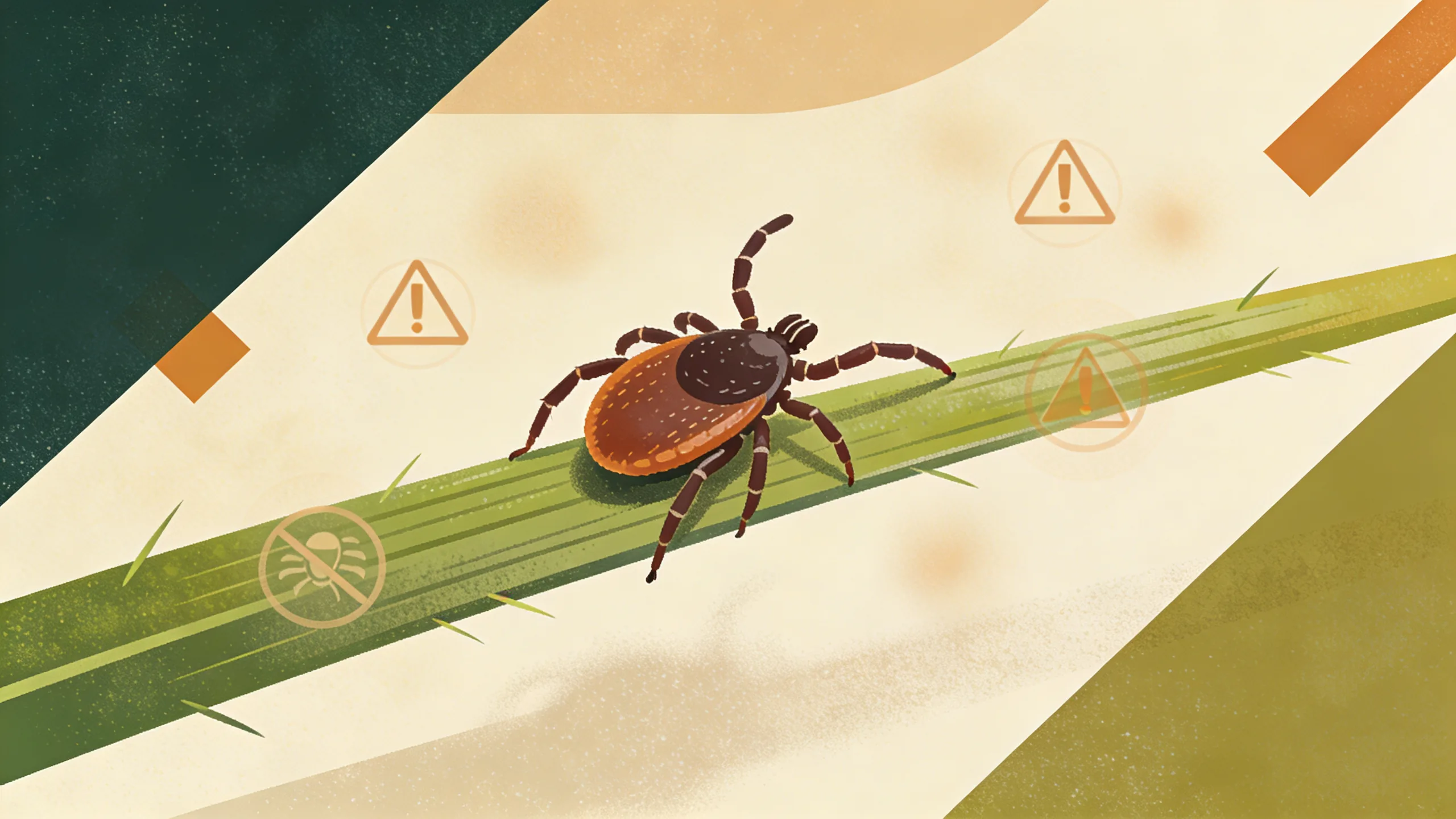
Researchers at Baylor College of Medicine and the Texas Department of State Health Services have documented a likely case of soft tick-borne relapsing fever tied to that tick, in a report published in Open Forum Infectious Diseases. The investigation is the clearest evidence yet that Ornithodoros turicata — a soft-bodied tick that carries the spirochete Borrelia turicatae — can bring the pathogen into residential settings long considered improbable sites of exposure.
The resident did almost everything right. The live tick went to the Zoonosis Control Branch at DSHS, which flagged the possibility of infection and forwarded the specimen to the laboratory of Job Lopez at Baylor. There, researchers confirmed the species and found the tick was carrying viable B. turicatae, meaning it was capable of transmitting the bacterium while feeding.
Weeks before the discovery, the same resident had cycled through repeated bouts of high fever, chills, crushing fatigue, headaches, nausea and a rash. The illness eventually progressed to facial paralysis, multiple emergency department visits and hospitalization. Clinicians ran a broad infectious workup, including tests for Lyme disease, and came up empty. That pattern — fever that breaks, returns, and breaks again — is the signature of relapsing fever. The bacterium shifts its surface proteins to sidestep antibodies, letting surviving organisms multiply and ignite another febrile episode days later.
Why the diagnosis keeps slipping past doctors
Soft ticks behave nothing like the hard ticks Texans know from brushy trails. They feed fast, often at night, and drop off before anyone notices. A person can be bitten repeatedly and never see the animal responsible. Timing matters in the lab, too: microscopy and molecular tests are far more likely to catch the bacterium during a fever spike, when bacterial loads in the blood peak. Standard Lyme panels won't reliably identify the infection at all — Borrelia turicatae belongs to a different bacterial group with its own diagnostic traps.
The Austin case matters because of where it happened. O. turicata has traditionally been treated as a creature of caves, animal burrows and rock shelters — a rural problem, a caver's problem, a ranch problem. But soft ticks thrive in sheltered rodent habitat, and that habitat exists in the seams of developed neighborhoods: crawl spaces, outbuildings, park edges, the landscaping around apartment complexes. Urbanization, the authors argue, doesn't erase the conditions the tick needs.
The report stops short of calling the human infection definitively confirmed, framing it as a likely case. Even so, the chain of evidence — a viable pathogen in a tick pulled from the patient's own living space, an illness whose rhythm matches the disease — is about as strong as field epidemiology gets.
What residents and physicians should take from it
The researchers are urging clinicians across Texas to put relapsing fever on the differential when patients show recurrent unexplained fevers, rash or neurological symptoms with any hint of tick exposure. Blood-based molecular testing during a febrile episode, plus consultation with public health laboratories, can crack cases that stump standard panels.
For residents, the lesson is oddly empowering: keep the tick. A specimen in a sealed bag gives DSHS and labs like Lopez's something to work with, and tick submissions remain one of the cheapest surveillance tools the state has. The DSHS Zoonosis Control Branch accepts ticks encountered by the public, and each one adds a data point to a map that, as this case shows, still has blank spots in the middle of Texas's biggest cities.
Sources
Texas Bug Slayers Editorial Team
Editorial Board
The Texas Bug Slayers editorial team brings together licensed pest control professionals, entomologists, and writers dedicated to helping Texans protect their homes and families from pests.
Related Articles
CDC Warns 2026 Tick Season Could Be Worst in a Decade as ER Visits Surge
Federal health officials report tick-bite emergency room visits are hitting historic highs across most U.S. regions, with Texas residents facing heightened exposure risks.

CDC Warns of Early Tick Season as ER Visits Spike Nationwide
CDC issues early advisory as tick-borne disease ER visits reach highest levels since 2017. What Texas residents need to know about Lyme disease, prevention, and the emerging threat of alpha-gal syndrome.

Arlington Sprays Two Nights for West Nile as Texas Case Count Reaches 46 at Season's Peak
Arlington crews sprayed two nights near Caliente Drive after a mosquito trap tested positive for West Nile, as CDC's Sept. 1 update put Texas at 46 human cases.