
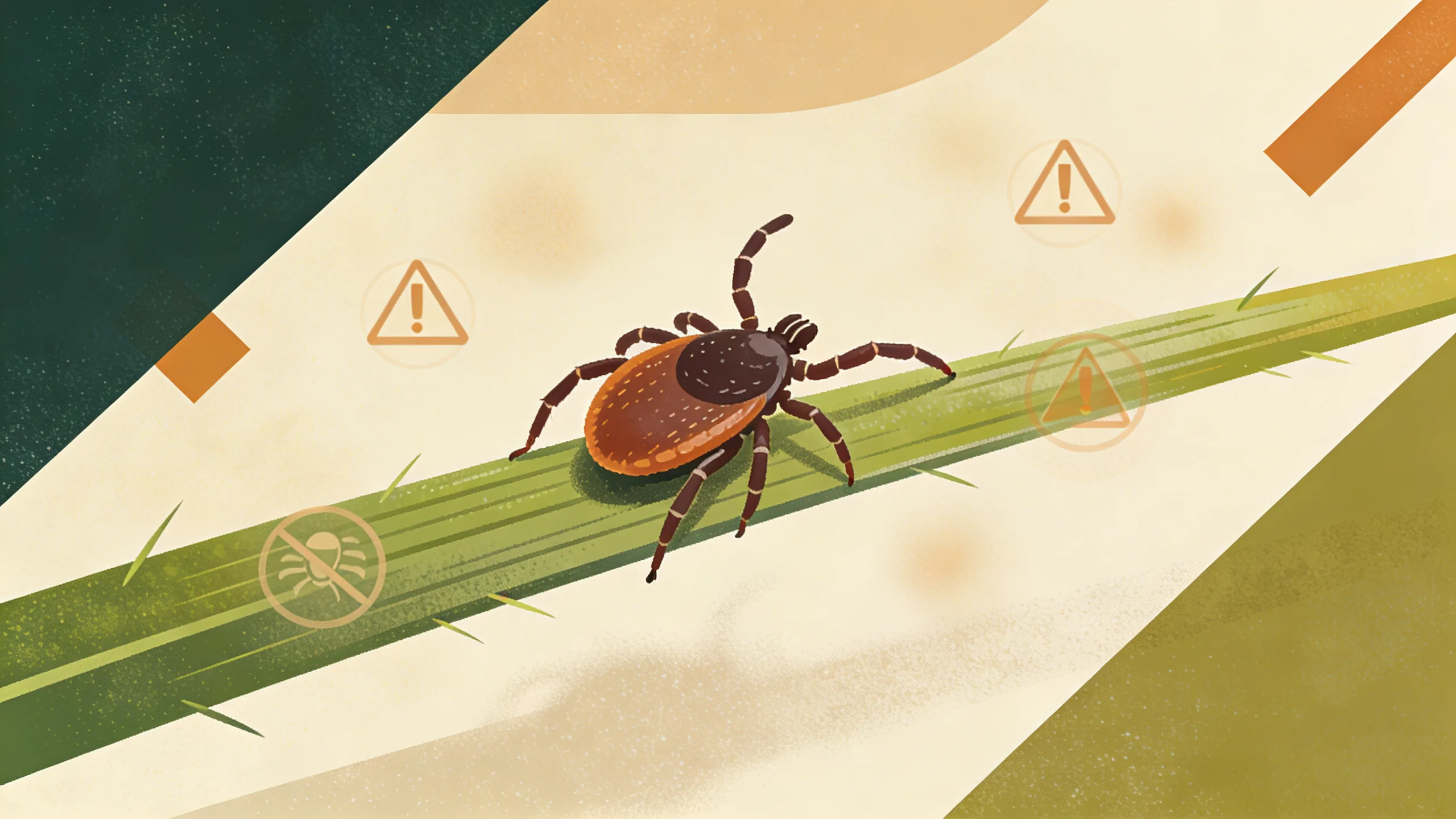
CDC Warns 2026 Tick Season Could Be Worst in a Decade as ER Visits Surge
The Centers for Disease Control and Prevention issued an urgent advisory this week as real-time surveillance data reveals tick-bite emergency room visits are climbing to levels not seen in nearly ten years. During the fourth week of April, approximately 114 out of every 100,000 emergency department visits nationwide were for tick bites—the highest rate for this point in the year since at least 2017.
Every U.S. region except the South Central states is recording above-average tick-bite ER visits, with the Northeast showing the highest concentrations so far in 2026. While Texas falls within the South Central region currently reporting lower-than-average numbers, epidemiologists caution that the lag may be temporary as peak tick activity typically shifts southward through late spring and early summer.
"Tick season is here and these tiny biters can make you seriously sick," said Dr. Alison Hinckley, a CDC epidemiologist specializing in Lyme disease. "That means ticks are out and people are getting bitten, so now is the time for people to take steps to protect themselves and their loved ones."
The CDC estimates roughly 31 million Americans are bitten by ticks annually, with approximately 476,000 receiving treatment for Lyme disease each year—the most common tick-borne illness in the United States. Other significant threats include Rocky Mountain spotted fever, ehrlichiosis, and the increasingly diagnosed alpha-gal syndrome, which can trigger severe allergic reactions to red meat following certain tick bites.
Several converging factors are driving this year's alarming numbers. Weather patterns have created favorable conditions for tick survival and reproduction across broad geographic areas. Normal year-to-year population fluctuations have combined with the steady expansion of tick territories into previously unaffected regions. The lone star tick, particularly prevalent throughout Texas and the Southeast, continues spreading westward and northward, carrying with it the potential for ehrlichiosis and that distinctive red meat allergy.
For Texas residents, the timing is critical. While the state's current ER visit rates remain below the national surge, historical patterns suggest a similar spike could arrive within weeks. The Gulf Coast and East Texas regions, with their humid climates and abundant wildlife hosts, typically experience peak tick activity from May through July.
Prevention remains the most effective defense. The CDC recommends treating clothing and gear with products containing 0.5% permethrin, using EPA-registered insect repellents, and conducting thorough body checks after outdoor activities. Ticks favor hidden areas—armpits, behind knees, around the waist, and in hair—making systematic inspection essential.
Landscape management also plays a role. Keeping grass mowed, removing leaf litter, and creating wood chip or gravel barriers between lawns and wooded areas can significantly reduce tick populations near homes. For properties bordering natural areas, professional perimeter treatments may provide additional protection during high-risk months.
The CDC's Tick Bite Data Tracker, launched in recent years to provide real-time surveillance, continues monitoring emergency department visits nationwide. Health officials emphasize that while the current numbers are concerning, individual vigilance and preventive measures can substantially reduce personal risk even during peak seasons.
As Memorial Day approaches and outdoor activities increase, the message from federal health officials is clear: this is not a typical tick season. The combination of expanded tick ranges, favorable environmental conditions, and early surge indicators suggests 2026 may require heightened awareness from Texas homeowners and outdoor enthusiasts alike.
Sources
Texas Bug Slayers Editorial Team
Editorial Board
The Texas Bug Slayers editorial team brings together licensed pest control professionals, entomologists, and writers dedicated to helping Texans protect their homes and families from pests.
Related Articles

Fall Hands the Grass Back to Texas' Lone Star Tick, and a Meat Allergy Rides Along
Cooler weather revives daytime lone star tick activity across Texas, renewing attention on alpha-gal syndrome, the red-meat allergy a single bite can set off.

Infected Tick Found Inside Austin Apartment Points to Rare Relapsing Fever Case
Baylor College of Medicine and Texas DSHS researchers traced a likely case of soft tick-borne relapsing fever to an infected tick discovered inside an Austin-area apartment.

CDC Warns of Early Tick Season as ER Visits Spike Nationwide
CDC issues early advisory as tick-borne disease ER visits reach highest levels since 2017. What Texas residents need to know about Lyme disease, prevention, and the emerging threat of alpha-gal syndrome.