
Warm, Wet Spring Triggers Pest Explosion Across Texas Farmland
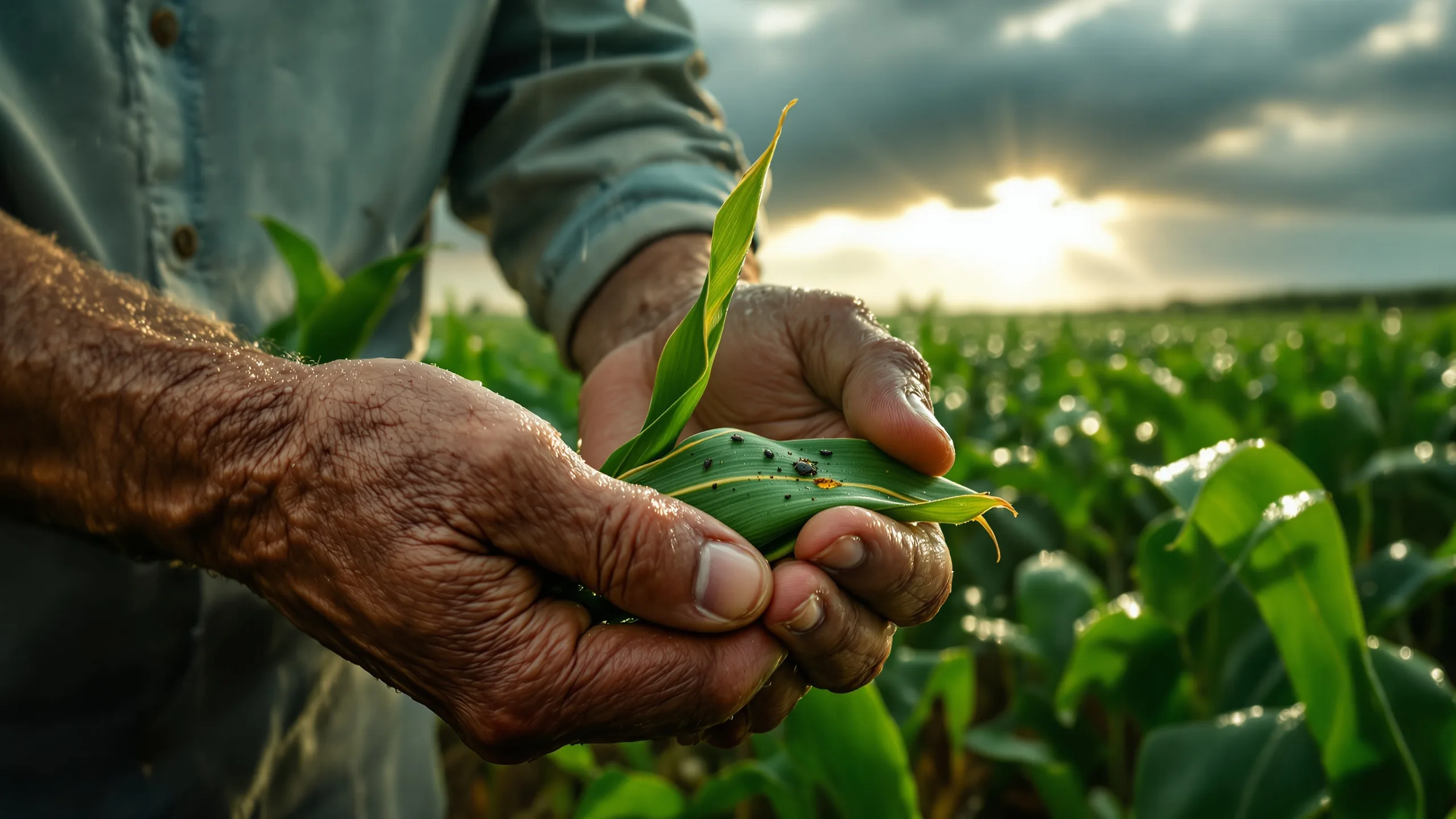
The weather patterns that brought Texas its wettest spring in years are now delivering an unwelcome consequence: a surge in agricultural pests that threatens pastures, rice fields, and corn crops from the Gulf Coast to the Hill Country.
David Kerns, Ph.D., statewide integrated pest management coordinator for Texas A&M AgriLife Extension, describes the current situation with unusual urgency. "I'd say the biggest issue we're facing currently is with the pasture mealybug. It's really taken off in the last month. It has skyrocketed as an issue."
The Pasture Mealybug Threat
Unlike temporary pasture pests that come and go with the seasons, the pasture mealybug poses a more existential risk. This invasive insect can kill grasses outright rather than merely damaging them—a devastating prospect for ranchers whose livestock depend on Bermuda hay, Bahia grass, and native rangeland bluestems for forage.
The pest has already spread throughout South Texas, along the Gulf Coast, into Central Texas, and as far west as Gillespie County. Its expansion aligns perfectly with the hot, wet conditions that have defined this spring. Drier western regions may offer some natural containment, but producers in affected areas face limited options.
"No currently labeled pasture insecticides have proven effective," Kerns notes, though researchers are actively evaluating candidates. For now, close monitoring and early contact with local AgriLife Extension offices remain the only defenses.
Rice Country Braces for Delphacid Invasion
In Southeast Texas rice fields, another threat looms. Rice delphacid populations are expected to build through early June, with the sucking insects capable of killing plants outright or reducing grain weights significantly.
Texas has secured an emergency Section 18 label for Courier SC insecticide—an insect growth regulator targeting primarily nymphs. But timing is everything. "You don't want them to get ahead of you," Kerns warns. "It really is going to take close monitoring to make that insecticide more valuable."
Corn Belt Concerns
Corn producers face a two-front challenge. The corn leafhopper, which vectors damaging plant pathogens, remains confined to South Texas for now. But populations are moving northward, threatening North Texas and Panhandle fields.
"We are recommending protecting corn from corn leafhoppers through R1," Kerns advises.
Meanwhile, a recent corn leaf aphid outbreak in Central Texas often signals trouble further north. Panhandle producers should begin scouting before their corn tassels, with treatment recommended when 10-20% of plants carry 100 or more aphids during the critical pre-tassel through R1 period.
One Bright Spot for Cotton
Texas cotton producers have at least one positive development. The two-spot cotton leafhopper, or cotton jassid, which can devastate cotton by injecting toxic saliva, has been detected only in nurseries infecting hibiscus—not in commercial cotton fields.
"We haven't detected any in our cotton to date, and that's really good news," Kerns confirms.
What Producers Should Do Now
With treatment options limited for some pests and weather conditions continuing to favor insect reproduction, vigilance is critical. Producers should:
- Scout fields regularly, especially pastures showing unexplained decline
- Contact AgriLife Extension county agents at first signs of infestation
- Monitor rice fields closely as delphacid populations build toward mid-June
- Protect corn through the R1 growth stage
- Report unusual leaf yellowing or reddening in cotton immediately
The combination of warmth and moisture that made this spring so pleasant for Texans has created perfect conditions for pests to thrive. For agricultural producers, that means a summer of careful watching—and hoping research delivers new tools before next season.
Sources
Texas Bug Slayers Editorial Team
Editorial Board
The Texas Bug Slayers editorial team brings together licensed pest control professionals, entomologists, and writers dedicated to helping Texans protect their homes and families from pests.
Related Articles

The Cotton Jassid Vanished This Season. Experts Say That's No Reason to Relax
After 2025's invasive cotton jassid surge, winter freezes have kept 2026 populations low across the Southeast. UGA's Phillip Roberts warns growers — including in Texas — to keep scouting.
Pasture Mealybug Spreads Across 70 Texas Counties, Threatening Hay Production
A newly invasive pasture mealybug is devastating Texas hay fields and pastures, with confirmed infestations in 70 counties. Learn identification tips and prevention strategies.
Pasture Mealybug Spreads to 70 Texas Counties, Threatening $15.5 Billion Cattle Industry
Texas A&M AgriLife warns of rapidly expanding invasive pest that could cause up to $1 billion in annual forage losses with no effective pesticide controls available.